Your tracking says delivered. There is no package at your door. If the status reads "Delivered, Parcel Locker", your package is probably a few steps away in a locked metal compartment, and the key is sitting in your mailbox.
A parcel locker is a secure compartment where a carrier leaves a package that is too large for a standard mailbox, or too valuable to leave at a doorstep. Two different things share the name: the USPS cluster-box locker you open with a physical key, and the smart parcel locker you open with a code sent to your phone.
The second kind is where the market is heading. Fortune Business Insights values the global smart parcel locker market at USD 1.14 billion in 2025, rising to USD 2.97 billion by 2034 at an 11.1% CAGR, with North America holding about a third of it.
Here is how both types work, what to do when your tracking points at one, and what a locker system does for the buildings and retailers that run them.
Key Takeaways
• A parcel locker is a secure compartment for a package too large for a mailbox. Two kinds share the name: USPS cluster-box lockers and smart lockers. • Delivered, Parcel Locker means your package is in a nearby locker and the key is in your mailbox. Check there first. • USPS parcel lockers use a physical key that stays trapped in the lock once you open the door. Smart lockers use a code or QR code sent to your phone. • USPS parcel lockers are not a public network you can search for. Yours is the one attached to your own mailbox unit. • For apartments, offices and retailers, lockers cut failed deliveries, remove the front-desk package pile and give residents 24/7 collection.
What Is a Parcel Locker?
A parcel locker is a lockable storage compartment where packages can be left securely for collection by carriers and delivery companies for residents in apartment complexes, or by staff for customers at retail stores. It provides a simple, safe, and effective last-mile delivery solution.
If you arrived here from a tracking page, the parcel locker meaning you need is the USPS one: a large compartment in your mailbox unit, opened with a key the carrier leaves behind for you.
Multifamily parcel lockers, residential parcel lockers, and university lockers are all variations on the same idea: a useful way to store packages and mail until the recipient can pick them up.
A smart parcel locker is slightly different from a physical locker. Smart package lockers are powered by logistics management software that recognizes shipping label formats and waybills. They keep their contents secure yet easy to access: when the recipient needs to retrieve a package, they enter an assigned code, and the door opens.
USPS Parcel Lockers vs Smart Parcel Lockers
Most confusion about parcel lockers comes from the two types being called the same thing. A USPS parcel locker is a large compartment built into a cluster mailbox unit, opened with a metal key. A smart parcel locker is an electronic unit with a screen, a scanner, and software behind it.
If your tracking mentioned a locker, it was almost certainly the first kind.
| USPS Parcel Locker | Smart Parcel Locker | |
|---|---|---|
| How You Get Access | A labeled metal key left in your mailbox | A digital code or QR code sent by text, email, or app |
| Who Operates It | USPS | A property manager, retailer or locker provider |
| Carrier Access | USPS only | Multiple carriers, usually with scan-based verification |
| Notification | None. You find the key when you check your mail | Automatic, at the moment the package is deposited |
| Tracking | Status reads "Delivered, Parcel Locker" | Real-time status through the locker platform |
| Key Retention | The key stays trapped in the lock once you open the door | No physical key |
That last row surprises people. USPS parcel locker keys are designed so that once you unlock the compartment, the key cannot be removed. The carrier collects it on the next round and reuses it for the next delivery.
USPS Smart Lockers at the Post Office
There is a third thing worth knowing about, because it shares both names. A USPS Smart Locker is a keyless self-service unit installed in Post Office lobbies, free to use, with 24/7 access at many sites.
You can have a package delivered to one, or ship to one. USPS emails a barcode or a QR code and the address of the Post Office holding it, and you open the compartment with that code or a six-digit PIN. USPS states that the package is kept in the locker for five days, after which it moves to the retail counter for a further nine days.
How Do Parcel Lockers Work?
How does a parcel locker work in practice? That depends on which of the two types you are dealing with, and they differ enough to be worth separating.
How a USPS Parcel Locker Works
- Oversized package arrives: The carrier finds a package too large for your individual mailbox compartment.
- Carrier loads the locker: It goes into one of the larger locker compartments in the same cluster unit.
- Key goes in your mailbox: A metal key labeled with the locker number goes into your personal mailbox.
- You collect: You use the key on the matching numbered door, take your package, and leave the key in the lock.
How a Smart Parcel Locker Works
A parcel locker delivery on a smart system replaces the key with a code, and the notification arrives the moment the package lands.
- Delivery: The carrier or delivery driver unlocks the locker and places the package inside.
- Notification: The recipient is automatically notified via text or email with a code to unlock the door.
- Code: Smart lockers have a keypad, QR code, or barcode scanner. The delivery person scans the package, and the system matches it to the right recipient.
- Retrieval: The recipient enters the code or PIN to open the compartment and take the package at any hour.
"Delivered, Parcel Locker": What It Means and What to Do
This status means USPS completed the delivery by putting your package into a parcel locker at your address rather than at your door or in your mailbox. Some tracking views show it without the comma, as Delivered Parcel Locker. Either way, the package is there. It has not been lost, and it has not gone to a different address.
What to do, in order:
- Open your mailbox and look for a key: The carrier leaves a numbered key inside your personal mailbox compartment. This is the step most people skip.
- Find the matching locker number: The number stamped on the key tag matches that of one of the larger doors in the same cluster unit or mail room.
- Unlock the door and take your package: The key will not come back out afterward. That is intentional, so leave it in place.
- If there is no key, contact your local post office with the tracking number. A carrier can usually confirm which locker was used, or retrieve the item.
Two things worth knowing. A package goes to a locker because it did not fit your mailbox, not because anything went wrong. And if your building has a smart locker system instead, you will get a text or email with a code rather than a physical key.
Key Features of a Parcel Locker System
- Variety of sizes: A locker bank includes compartments in several sizes, so everything from an envelope to a large box can be stored securely and retrieved easily.
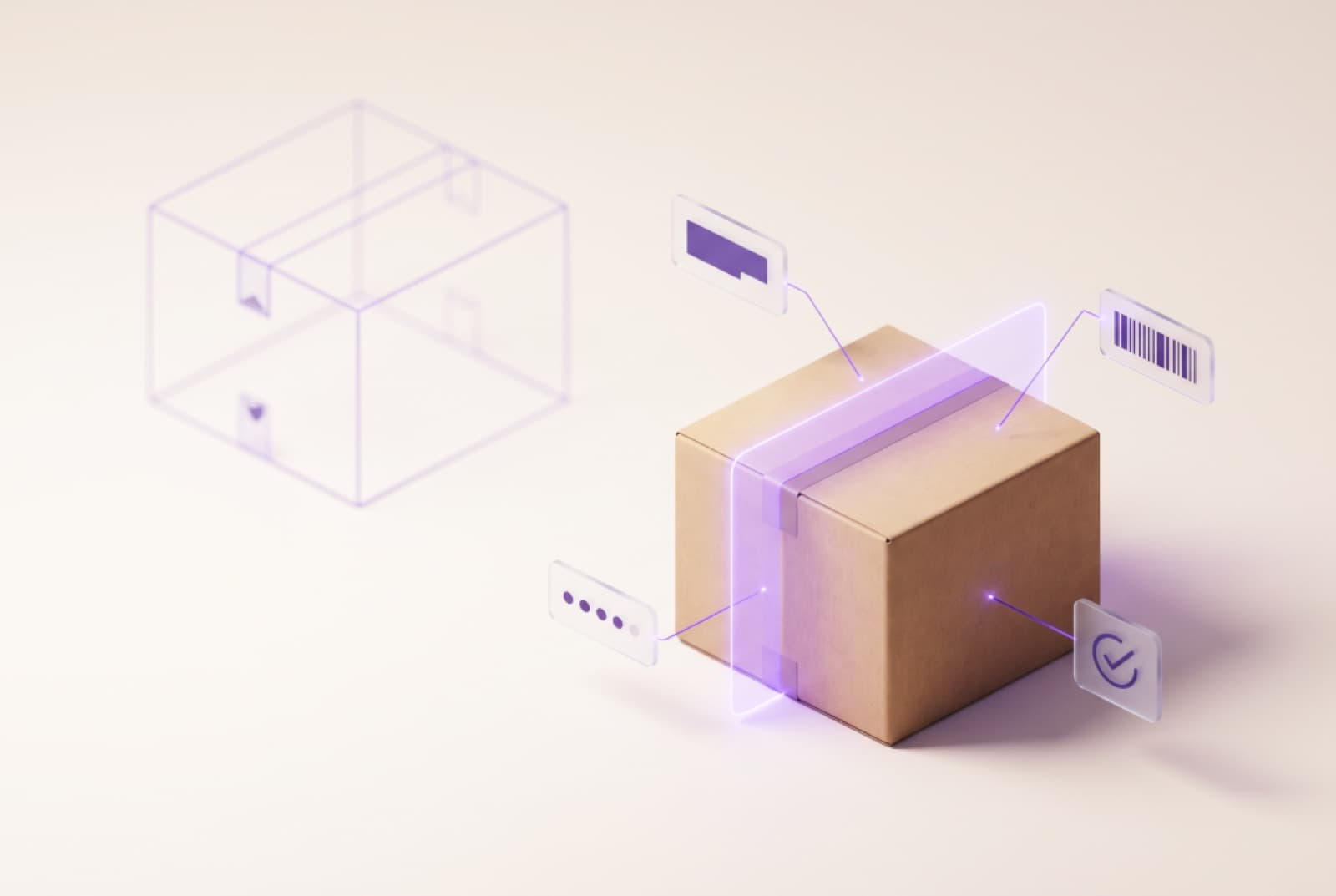
- Access control: Smart lockers use electronic locks with PIN codes, QR codes, barcodes, or mobile app access, which prevents unauthorized access and reduces lost or stolen packages.
- Real-time tracking and alerts: Notifications by SMS, email or app tell recipients exactly when a package is ready and give operators a record of every deposit and collection.
- Integration: Modern lockers connect to carriers, logistics platforms, and property management systems, which speeds up deliveries and gives real-time visibility across the whole chain.
Types of Parcel Lockers
- Cluster box parcel lockers: The large compartments built into a USPS cluster mailbox unit. Physical key, USPS only.
- Smart parcel lockers: Electronic banks in apartment buildings, offices and campuses. Code access, multiple carriers, full audit trail.
- Retail and public pickup lockers: Open networks such as Amazon Hub Lockers, placed in shops and public spaces for anyone to use as a delivery address.
- Refrigerated lockers: Temperature-controlled compartments for groceries, meal kits and pharmacy deliveries.
- PUDO points: Pick-up and drop-off points, often at a shop counter rather than a locker, used for collections and returns.
Who Uses Parcel Lockers?
Parcel lockers are used across multifamily apartments, universities, offices, coworking spaces, retail stores and corporate campuses. What these places have in common is package volume that has outgrown whoever used to sign for it.
Package lockers for apartments are the most common installation by a wide margin, because that is where the volume and the theft risk sit together. In apartment buildings, lockers replace the front-desk package pile and the resident emails that come with it. On campuses, they handle seasonal spikes without extra staff. In retail, they turn a store into a collection and returns point without occupying counter time. In offices, they remove the mailroom bottleneck for inbound deliveries.
Recipients get a safe place for their packages without worrying about theft or mishandling. Operators get the failed-delivery rate down.
What Are the Benefits of Parcel Lockers?
- Package security: An electronic or keyed locking system removes doorstep theft and stops packages going to the wrong person, which also reduces liability for carriers and property managers.
- 24/7 collection: Pick-ups and drop-offs happen whenever the recipient is free. Nobody rearranges their day around a delivery window, and couriers stop leaving packages at unattended doors.
- Lower delivery cost: One stop serves many recipients, which cuts delivery cost and removes most of the redistribution and re-delivery work, particularly on campuses and in offices.
- Returns without a trip: Customers drop a return into the locker without booking a pickup or visiting a returns counter. It is one of the least discussed advantages and one of the most used.
How to Find Your Parcel Locker
Your USPS parcel locker is not somewhere you go and look up. It is part of the same mailbox unit your regular mail arrives in, which means it is at your address, in your building's mail room, or in the cluster box unit serving your street.
The number on the key tag tells you which door is yours. If there is no key and the tracking says a locker was used, call your local post office with the tracking number rather than the national USPS line, because the delivering carrier is the person who knows.
This is different from Amazon Hub Lockers and other public networks, which you can search for and select as a delivery address. USPS parcel lockers are assigned to your address and cannot be chosen.
How PackageX Helps Scale Parcel Locker Operations
For anyone running lockers rather than collecting from one, the operational problem is not the hardware. It is knowing what arrived, who it belongs to and whether it was collected.
Here’s how PackageX can be of your help:
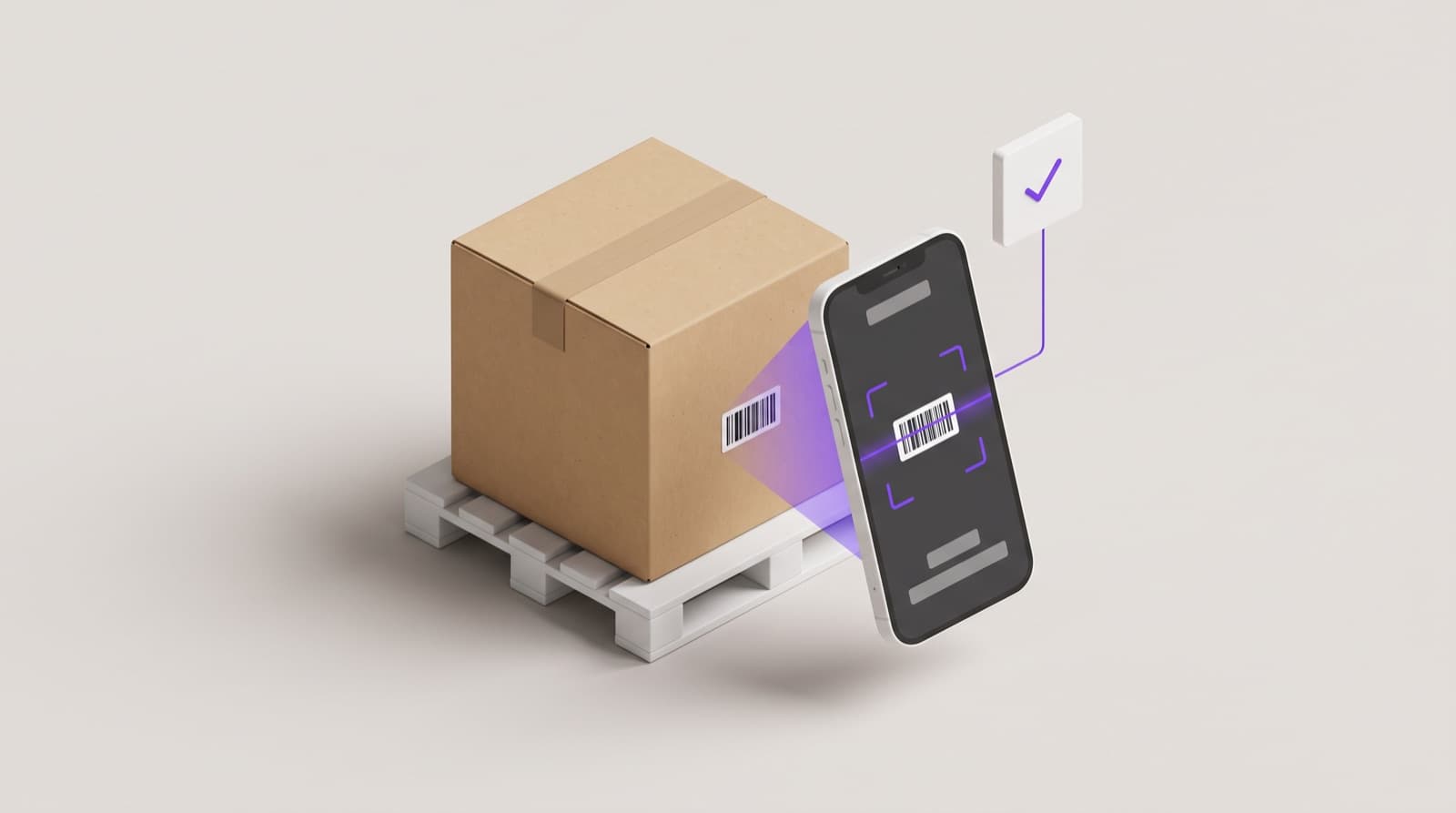
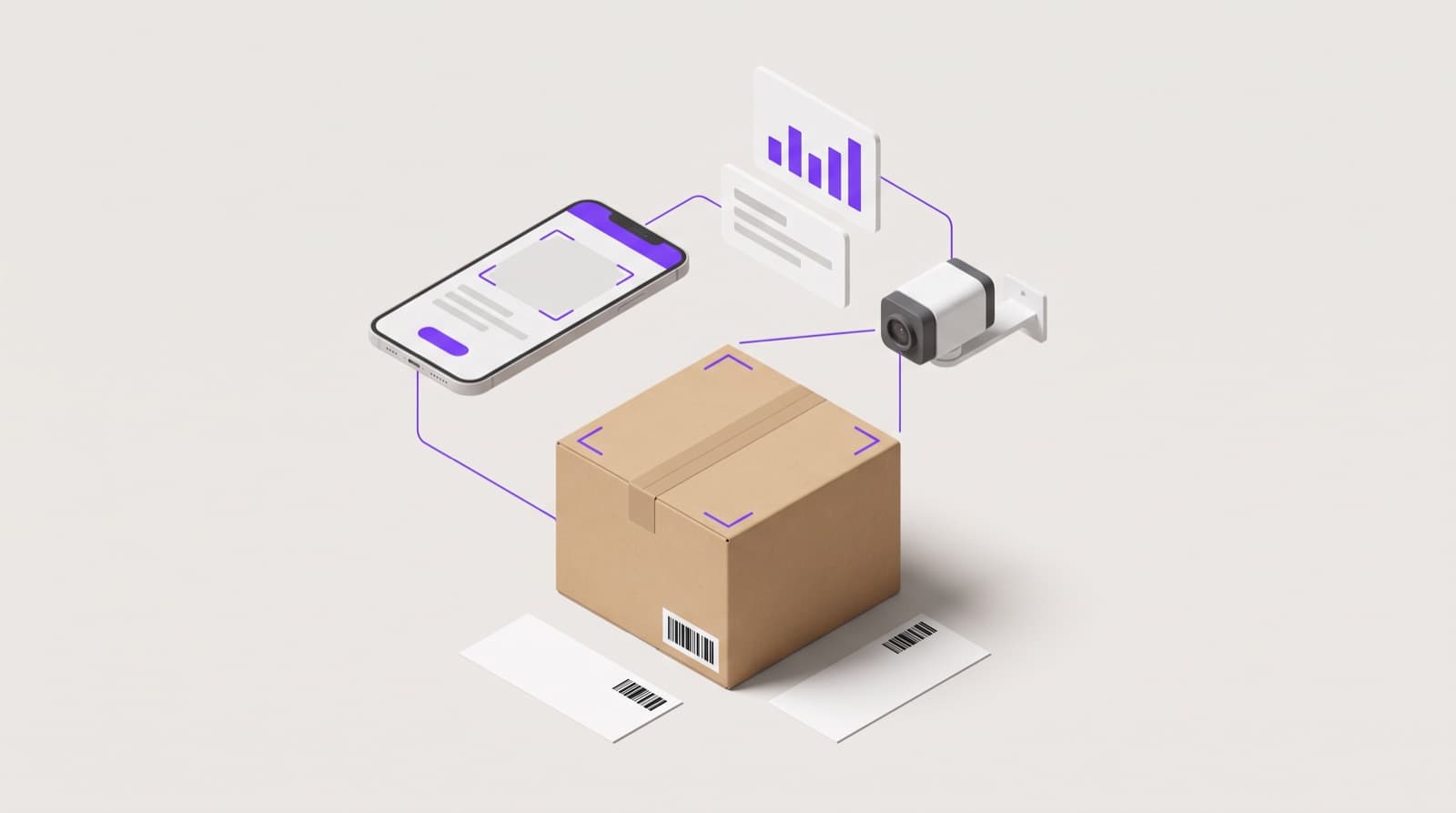
- Automated matching: AI-powered label scanning reads waybills and shipping labels at the point of deposit, so the package is matched to the right recipient without manual entry.
- Visibility: Real-time track and trace across carriers, with status updates that cut the volume of "where is my package" enquiries.
- Fewer misdeliveries: Label OCR on a locker camera lets a carrier scan a package and have the system open the correct compartment, which is the fix for drivers picking the wrong recipient on the display or dumping everything in one door.
The PackageX Receive app and Label OCR API extend an existing locker system rather than replacing it, and run on a phone camera without extra hardware.
Getting Packages Into the Right Hands
For a recipient, a parcel locker is a key in a mailbox and a package a few steps away. For a building or a retailer, it is the difference between a delivery that completes and one that comes back tomorrow.
If your locker operation still depends on someone typing names into a screen, that is where the misdeliveries come from. Request a demo and see what automated label scanning does to your match rate.
Frequently Asked Questions
What Does It Mean If a Package Is Delivered to a Parcel Locker?
It means USPS completed delivery by placing your package in a secure compartment at your address instead of your mailbox or doorstep, because it was too large to fit. A numbered key is left in your personal mailbox so you can collect it.
Why Was My Package Delivered to a Parcel Locker?
Because it did not fit in your individual mailbox compartment. Carriers use parcel lockers for oversized items, and in some buildings for anything that would otherwise be left in a shared entrance. It is not a sign anything went wrong.
How Big Is a Package Locker?
Package locker compartments are usually cubic and at least 15 inches high to take large packages, though banks include a mix of sizes. Exact dimensions vary by manufacturer and installation.