Managing a supply chain today is not as simple as moving goods from one place to another. Businesses deal with multiple suppliers, global shipping routes, rising customer expectations, and constant pressure to deliver faster. Even small delays or inefficiencies can lead to lost sales and unhappy customers.
This is where 3PL logistics services come in. Instead of handling everything in-house, companies rely on experts to manage transportation, warehousing, and order fulfillment. These third-party logistics 3PL services bring proven systems, established networks, and industry experience that most businesses cannot easily build on their own.
The shift toward outsourcing is growing quickly. The global third-party logistics market is projected to reach USD 2852.54 billion by 2034, expanding at a CAGR of 9.7%. More businesses now rely on 3PL and logistics services to reduce costs, improve efficiency, and scale operations more easily.
In this blog, we’ll explore how 3PL works and why it matters.
Key Takeaways
• 3PL logistics services simplify complex supply chains by handling warehousing, transportation, and order fulfillment, allowing businesses to operate more efficiently and scale without heavy infrastructure investment. • Outsourcing to 3PL providers reduces costs and improves delivery speed through shared resources, optimized routes, and access to advanced logistics networks and shipping rates. • Technology-driven 3PL solutions enhance accuracy and visibility by leveraging tools such as WMS and TMS for real-time inventory tracking, automated workflows, and data-driven decision-making. • 3PL partners enable scalability and better customer experience, helping businesses manage demand fluctuations, expand into new markets, and deliver faster, more reliable service. • PackageX strengthens 3PL operations by improving receiving accuracy, enabling real-time inventory tracking, and streamlining warehouse workflows with AI-powered automation.
What Are Third-Party Logistics (3PL) Services?
Third-party logistics (3PL) services refer to outsourcing your logistics operations to a specialized external provider. Instead of managing storage, shipping, and delivery on your own, you partner with experts who handle these processes for you.
At its core, third-party logistics 3PL services cover three main areas.
- First is warehousing, where your products are stored and managed.
- Second is transportation, which includes moving goods from suppliers to warehouses and from warehouses to customers.
- Third is order fulfillment, where items are picked, packed, and shipped once a customer places an order.
Today, 3PL and logistics services play a key role in modern supply chains. With rising customer expectations for fast and accurate delivery, many businesses rely on 3PL providers to stay competitive.
For example, an e-commerce brand can use a 3PL warehouse to offer two-day shipping without owning any storage facilities.
Key Functions of 3PL Logistics Services
3PL logistics services cover several core functions that keep the supply chain operations running smoothly. Instead of managing everything in-house, businesses rely on specialized partners to handle these operations more quickly and accurately.
Warehousing & Inventory Management
3PL providers store goods in strategically located warehouses and track stock levels in real time. With tools like warehouse management systems (WMS), businesses can avoid overstocking or stockouts. For example, an online retailer can monitor inventory across multiple locations without manual checks.
Transportation & Freight
Shipping is another key function. 3PLs manage carriers, optimize routes, and reduce delivery costs. Transportation management systems (TMS) help plan shipments, track deliveries, and improve efficiency. This is especially useful for companies shipping across regions or countries.
Order Fulfillment
Order fulfillment includes picking, packing, and shipping products once a customer places an order. In e-commerce, 3PL logistics services often automate this process. A customer places an order online, and the 3PL handles everything from packing to last-mile delivery.
Distribution Management
3PLs ensure products reach the right place at the right time. Whether it’s delivering to retail stores or directly to customers, they use established networks to speed up delivery and reduce errors.
How 3PL Optimizes Supply Chain Efficiency
Here’s how 3PL logistics services can help you optimize your supply chain management:
- Cost Efficiency: 3PL providers handle shipments for multiple clients. This allows them to negotiate better carrier rates and share warehouse space. A small e-commerce brand, for example, can access the same shipping discounts as a much larger company. That translates into real savings without major upfront investment.
- Technology that Improves Accuracy: Modern providers use tools such as warehouse and transportation management systems to track inventory and plan routes. Automation reduces manual errors. Real-time tracking gives full visibility across the supply chain.
- Faster Fulfillment and Delivery: With optimized picking, packing, and shipping processes, orders move through the process more quickly. Many 3PL setups can process and ship orders within 24 hours. This speed plays a big role in customer satisfaction.
- Data-Driven Decisions: 3PLs collect data on inventory, delivery times, and order accuracy. Businesses can use these insights to forecast demand, avoid stockouts, and improve planning.
- Scalability and Flexibility: As demand shifts, 3PL partners adjust quickly. Whether it is peak season or market expansion, businesses can scale without building new infrastructure. This is one reason the logistics services 3pl and 4pl market continues to grow rapidly.
Benefits of Using 3PL Logistics Services
Partnering with 3PL logistics services can significantly improve how a business manages its supply chain. Here’s how it can benefit your business:
Cost Efficiency
Managing logistics in-house often requires heavy investment in warehouses, staff, and transportation. A 3PL provider helps lower these costs by offering shared resources and better shipping rates. For instance, many growing e-commerce businesses reduce expenses by using shared warehouse space instead of maintaining their own facilities.
Specialized Expertise and Industry Knowledge
3PL providers bring deep knowledge of logistics operations. They understand route optimization, regulatory requirements, and inventory control. This expertise helps minimize delays, reduce errors, and improve overall efficiency, especially in complex or international supply chains.
Greater Focus on Core Business Functions
Outsourcing logistics allows internal teams to concentrate on strategic priorities. Businesses can spend more time on product development, sales, and customer engagement rather than day-to-day logistics management.
Enhanced Customer Experience
Reliable delivery and accurate order fulfillment play a key role in customer satisfaction. Many 3PL providers also offer real-time tracking, which improves transparency and builds customer trust.
Support for Global Expansion
Entering new markets becomes more manageable with a 3PL partner. Their established networks, local expertise, and infrastructure make it easier to scale operations without significant upfront investment.
3PL Logistics Examples Across Industries
3PL logistics services are used across many industries to simplify operations and improve delivery performance. Here are a few practical examples:
E-commerce fulfillment
Online stores rely heavily on e-commerce 3PL logistics services to handle storage, packing, and shipping. For example, a growing Shopify brand can outsource order fulfillment to a 3PL warehouse. This allows them to offer faster delivery without managing inventory themselves.
Manufacturing distribution
Manufacturers use 3PL providers to move raw materials and finished goods efficiently. A factory might depend on a logistics partner to manage bulk shipping and ensure products reach distributors on time.
Retail logistics
Retailers often use 3PLs to restock stores and manage seasonal demand. This helps avoid stockouts during peak periods, such as holidays.
3PL for Reverse Logistics Services
Handling returns is one of the toughest parts of logistics, especially in e-commerce. This is where 3PL for reverse logistics services makes a real difference.
- Returns Management: 3PL providers handle the entire return process. They receive returned items, inspect them, and decide the next step. This reduces delays and keeps operations smooth, even during peak seasons.
- Refund Processing: Fast refunds matter. Studies show that over 60% of customers check return policies before buying. A reliable 3PL ensures refunds are processed quickly and accurately, which helps build trust and repeat business.
- Repair and Recycling Workflows: Not every returned product is a loss. Many items can be repaired, refurbished, or recycled. 3PL partners help sort and route products efficiently, saving costs and reducing waste.
In e-commerce, where return rates can reach up to 20 to 30%, efficient reverse logistics directly impacts customer satisfaction and long-term growth.
3PL vs 4PL Logistics Services: Key Differences
When businesses look to outsource logistics, understanding the difference between 3PL and 4PL is essential. Both play important roles in supply chain management, but they operate at different levels.
3PL Logistics Services
Third-party logistics providers handle specific operational tasks. This includes warehousing, transportation, order fulfillment, and sometimes reverse logistics. Companies hire 3PLs to manage day-to-day logistics efficiently without investing heavily in infrastructure. For example, an e-commerce brand might use a 3PL to handle seasonal order spikes or manage shipments across multiple regions.
4PL Logistics Services
Fourth-party logistics providers act as integrators. They do not just manage operations but oversee the entire supply chain. A 4PL coordinates multiple 3PLs, systems, and carriers to optimize performance end-to-end. Large corporations entering new markets often turn to 4PLs to streamline global operations and reduce complexity.
Key Differences
- Control vs Management: 3PL focuses on execution. 4PL focuses on strategy and oversight.
- Scope: 3PL handles logistics functions. 4PL manages multiple providers and integrates technology and processes.
- Market Trend: Many businesses are exploring 4PL logistics services as supply chains grow more complex.
Choosing between 3PL vs 4PL depends on the size, goals, and complexity of your supply chain.
Challenges of 3PL and How to Overcome Them
Even the best 3PL and logistics service providers come with challenges. Knowing them up front helps businesses prepare.
- Loss of Control: Outsourcing means delegating parts of your supply chain to someone else. Stay involved with regular reporting and clear expectations to keep operations aligned.
- Data Security Concerns: Sharing operational data can feel risky. Make sure your provider uses secure systems and follows strict privacy protocols.
- Service Quality Issues: Performance may vary across locations or seasons. Establish KPIs, monitor results, and include accountability clauses in contracts.
- Practical Solutions: Regular inventory audits, dashboards, and clear communication help address most issues. Combining technology with strong partnerships ensures smooth logistics without sacrificing control.
Choosing the Right 3PL Partner
Picking the right third-party logistics (3PL) services provider can make or break your supply chain. Not every 3PL fits every business, so it helps to focus on a few key areas.
- Experience and Industry Fit: Look for a provider with proven experience in your sector. An e-commerce 3PL logistics services partner, for example, will understand peak-season surges and returns management better than a generalist.
- Technology Capabilities: Modern 3PLs use tools like warehouse management systems and transportation management systems. These technologies help track inventory in real time, automate orders, and prevent errors.
- Scalability: Your partner should grow with you. Seasonal spikes or sudden market expansion should not disrupt service.
- Customer Support: Strong communication is vital. Choose a 3PL that matches your company’s pace and style. A provider that understands your culture will handle challenges smoothly and become a true extension of your team.
How PackageX Strengthens 3PL Logistics Operations
Here’s how PackageX supports modern 3PL providers:
- Error-Free Receiving: 3PL warehouses handle high volumes from multiple clients. PackageX uses Vision AI to capture shipment data instantly, reducing manual entry and minimizing errors during intake.
- Live Inventory Tracking: Monitor inventory in real time across warehouses and customers. This improves accuracy, prevents stock discrepancies, and ensures each client’s inventory stays clearly separated and visible.
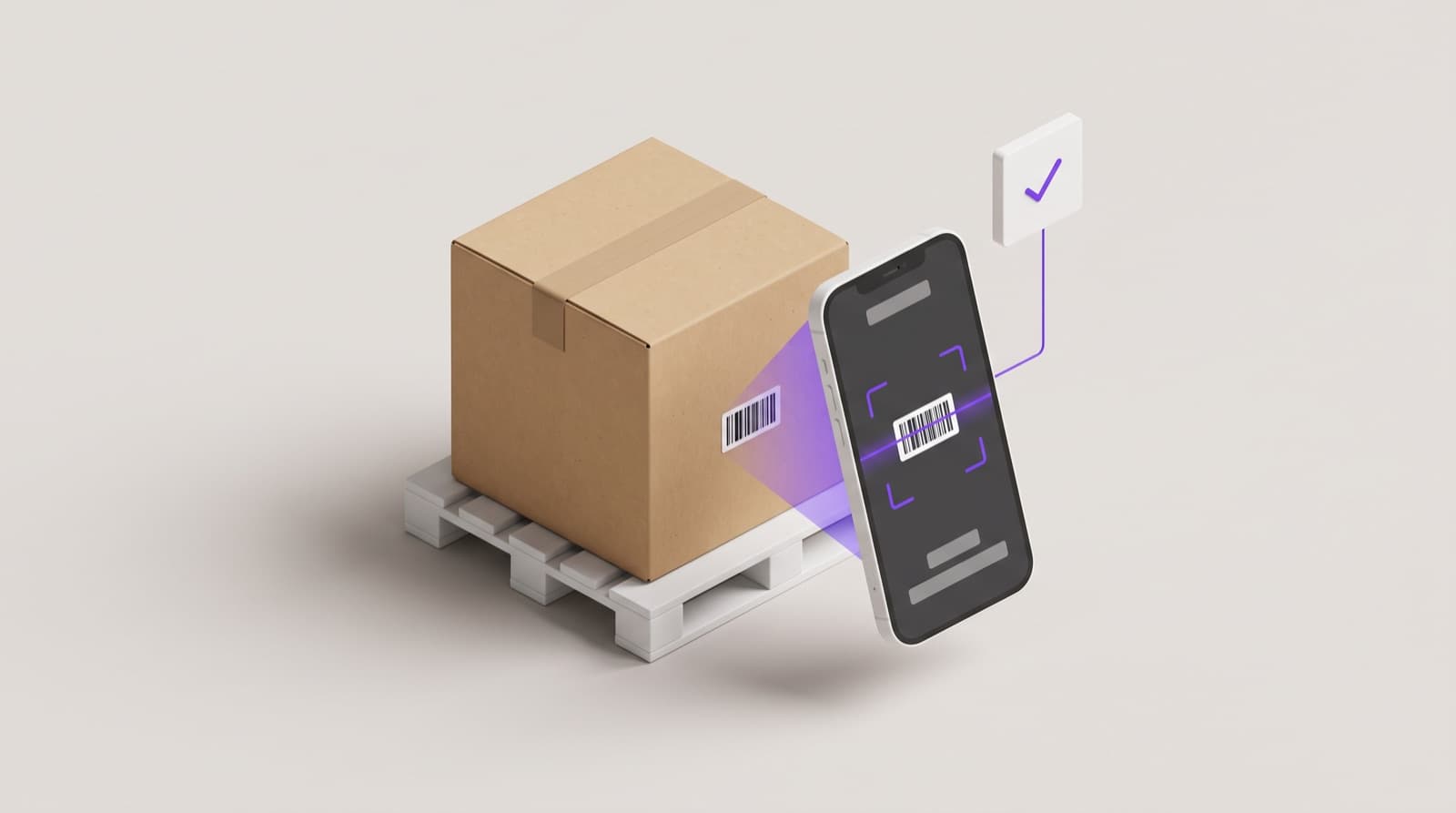
- Mobile-Driven Warehouse Workflows: Staff can scan, verify, and update orders directly from smartphones. This speeds up fulfillment, reduces bottlenecks, and removes reliance on fixed scanning stations.
- Built-In Exception Handling: Detect issues like damaged goods, missing items, or incorrect shipments during receiving and picking. Teams can act immediately instead of fixing problems later.
- Seamless System Connectivity: PackageX connects with WMS, TMS, and client systems, ensuring data flows automatically without manual updates. This keeps operations aligned across all touchpoints.
FAQs
How do 3PL providers ensure accuracy when managing multiple clients?
They use systems that separate and track inventory by client in real time. This prevents mix-ups and ensures accurate order fulfillment across shared warehouse spaces.
What should businesses check before choosing a 3PL partner?
Look for strong technology capabilities, proven industry experience, and the ability to scale with your growth. Clear communication and transparency are equally important.
How do 3PL services improve delivery speed?
By using optimized warehouse locations, efficient picking processes, and strong carrier networks, 3PLs reduce transit times and speed up order fulfillment.