The food and beverage sector is entering a period of steady global expansion. New product categories, shifting consumer preferences, and growing demand for packaged and ready-to-eat foods are pushing companies to scale faster than ever. The food logistics market is projected to reach USD 548.51 billion by 2030, growing at a 5.4% CAGR, which reflects how rapidly the industry is evolving.
Growth, however, comes with operational pressure. Food manufacturers now manage supply networks that stretch across multiple suppliers, production facilities, warehouses, and distribution partners. Many products have limited shelf lives, which means inventory must move quickly while maintaining strict quality and safety standards. Temperature-sensitive goods add another layer of complexity, especially when cold chain logistics are involved.
Regulatory requirements have also become stricter. Companies must maintain accurate records for ingredients, allergens, batch numbers, and expiration dates. At the same time, demand can change quickly due to seasonality, promotions, or unexpected market shifts.
In this blog, we will explore the growing challenges of food and beverage supply chains and how modern ERP solutions can help businesses streamline operations and improve visibility.
Key Takeaways
• ERP provides end-to-end supply chain visibility, enabling real-time tracking across sourcing, production, and distribution. • FEFO inventory management helps reduce waste by prioritizing products based on expiration dates • Strong traceability and compliance features make audits and recalls faster, safer, and more accurate • AI-driven forecasting improves demand planning, reducing overproduction and stockouts. • ERP systems need real-time execution support, which solutions like PackageX provide by bridging the gap between planning and on-ground operations.
What Is Food and Beverage ERP?
Food and beverage ERP is a software system designed to bring all the moving parts of a food business into a single platform. It connects production, inventory, logistics, and compliance, so teams can see the full picture in real time. Instead of juggling spreadsheets, emails, and siloed systems, companies can track every step of their operations from ingredient sourcing to product delivery.
For manufacturers, this means knowing exactly what’s in stock, what’s running low, and what’s about to expire. ERP systems often use FEFO (First Expired, First Out) to ensure that products with the shortest shelf life are prioritized. This helps reduce waste, protect product quality, and meet customer expectations.
ERP also plays a key role in managing cold chain logistics. For perishable items such as dairy, meat, and fresh produce, temperature control and timely delivery are critical. A food and beverage ERP solution can monitor storage conditions, track shipments, and alert teams to potential issues before they become costly problems.
Why Traditional Systems Fail Food & Beverage Manufacturers
Running a food or beverage logistics is complicated. Many manufacturers still rely on outdated software or manual processes, making day-to-day operations harder than they need to be. These traditional systems were never designed to handle the speed and regulatory demands of today’s industry.
Common Pain Points
- Fragmented data : Information is scattered across spreadsheets, email chains, and multiple systems. This makes it hard to get a clear view of inventory, production, or sales.
- Manual processes : Counting stock, tracking batches, or generating reports by hand wastes time and invites errors.
- Limited traceability : When an issue arises, it can take hours or days to trace a problem back to its source, creating compliance risks.
- Inefficient warehouses : Picking, packing, and shipping often rely on outdated workflows that slow operations and increase errors.
- Poor demand forecasting : Without real-time insights, manufacturers overproduce some items and run out of others, leading to waste and stockouts.
- Disconnected logistics networks : Cold chain and supplier coordination often fall through the cracks, increasing spoilage and risk of recalls.
These challenges show why modern ERP solutions for food and beverage manufacturers are essential. They unify operations, track inventory accurately, and give businesses the visibility they need to act quickly and stay compliant.
Core Features of ERP Solutions for Food and Beverage Industry
Running a food and beverage business comes with a lot of moving parts. From managing suppliers to ensuring your products reach stores fresh, every step matters.
1. End-to-End Supply Chain Visibility
A good ERP system centralizes data from every part of your operation. This includes suppliers, production lines, warehouses, logistics partners, and even retailers. With this visibility, you can track shipments in real time, coordinate across teams, and respond faster when something goes off track.
For example, if a supplier delays a delivery, your ERP can alert your warehouse and automatically adjust production schedules. This level of insight helps reduce downtime and prevents bottlenecks, keeping your supply chain management resilient even during busy seasons.
2. Lot Traceability and Compliance
Traceability is critical in the food and beverage industry. You need to know where every ingredient comes from, which allergens are present, and the batch numbers of finished products.
ERP systems make this simple. They store detailed records of ingredients, track allergens, and monitor expiration dates. In case of a recall, the system allows you to quickly identify affected batches and manage the process without panic. Inventory audits also become easier because all the data is organized and ready to review, reducing compliance risk and protecting your brand.
3. FEFO Inventory Management
FEFO, or First Expired, First Out, is a simple but powerful way to reduce waste and keep products fresh. ERP systems can automate this process by prioritizing items closest to their expiration date for picking and shipping.
This means fewer spoiled products, more efficient warehouse rotation, and happier customers. Alerts for upcoming expirations and automated batch prioritization make it easier for teams to act quickly, ensuring perishable inventory is always managed smartly.
ERP and Cold Chain Logistics: Protecting Perishable Products
Food products do not wait. A few degrees too high or too low can turn fresh inventory into waste within hours. That is why cold chain logistics is critical in the food and beverage industry.
Cold chain logistics refers to managing products that must remain within specific temperature and humidity ranges throughout their journey. This includes:
- Controlled temperature storage
- Humidity monitoring
- Refrigerated transportation
- Cold storage and distribution facilities
Think about dairy, meat, or ready-to-eat meals. If a shipment of yogurt sits too long at the wrong temperature during transit, it can spoil before it even reaches the retailer.
This is where food and beverage ERP solutions play a key role. When ERP systems are integrated with logistics platforms, businesses gain real-time visibility over their cold chain operations.
They can:
- Monitor temperature conditions during transit
- Track shipments across warehouses and delivery routes
- Receive instant alerts if temperatures go out of range
- Maintain compliance with food safety standards
For example, if a refrigerated truck breaks down, the system can flag the issue immediately. Teams can act fast, reroute inventory, or prevent damaged goods from reaching customers.
The benefits are clear:
- Reduced spoilage and waste
- Better product quality and shelf life
- Faster detection of issues
- Stronger coordination with distributors and logistics partners
In a market where freshness defines brand trust, combining ERP with cold chain visibility is no longer optional.
Warehouse and Distribution Automation with ERP
Running a warehouse in the food and beverage industry comes with its own set of challenges. Perishable products, multiple storage locations, and strict compliance rules can complicate operations. This is where ERP solutions for food and beverage step in, turning chaos into clarity.
Streamlining Warehouse Operations
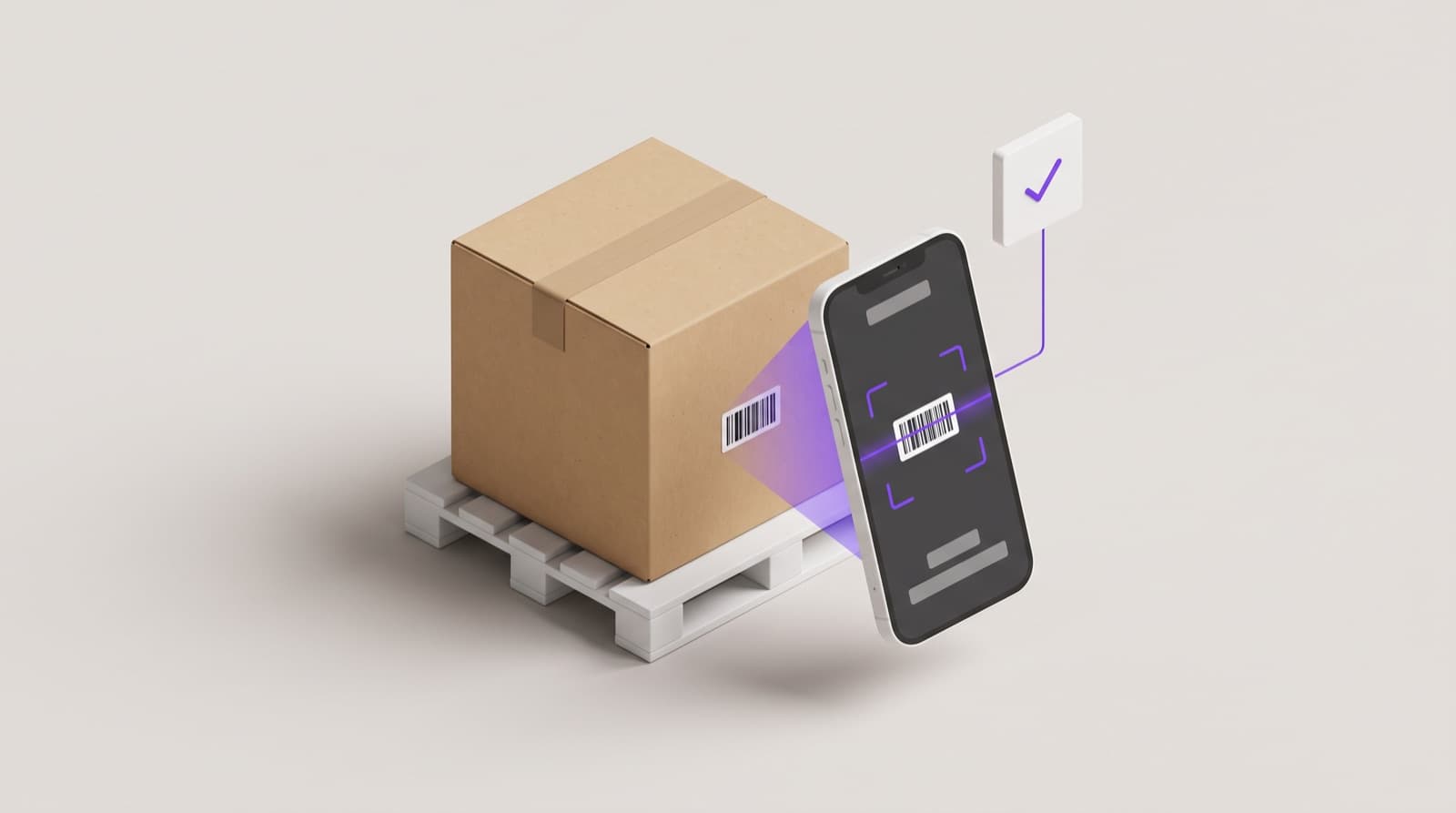
Modern food and beverage ERP solutions automate routine tasks. Receiving shipments, performing quality checks, and updating inventory records happen faster and with fewer errors. Mobile devices let warehouse staff scan barcodes or RFID tags on the spot. This real-time visibility ensures stock levels are always accurate.
Smarter Shipping and Fulfillment
ERP systems connect warehouses to the broader logistics network. Orders can be picked, packed, and shipped with better accuracy and speed. When integrated with a logistics orchestration platform like PackageX, teams can monitor shipments in real-time. This reduces delays, prevents stockouts, and helps maintain FEFO inventory rotation for perishable goods.
Optimizing Distribution
Automated workflows help prioritize shipments based on expiration dates and demand. Warehouse staff no longer guess which items to pick first. Instead, the system directs them, saving time and reducing waste. In multi-location operations, ERP provides a clear view of inventory across all sites, making it easier to balance stock and for order fulfillment.
AI and Demand Forecasting in Food Supply Chains
Modern ERP solutions for the food and beverage industry are no longer just record-keeping tools. They use AI and predictive analytics to help businesses anticipate demand before it happens.
- Smarter Production Planning: With AI-driven forecasts, manufacturers can plan production more accurately. For example, a bakery can predict which products will sell faster during holidays and adjust baking schedules accordingly. This reduces overproduction and prevents wasted ingredients.
- Optimized Procurement: ERP systems can suggest the right quantity of raw materials to order based on predicted demand. This keeps inventory fresh and avoids tying up cash in excess stock.
- Improved Inventory Turnover: By anticipating inventory turnover, businesses can rotate products efficiently. FEFO-based strategies ensure perishable items move quickly, reducing spoilage and loss.
- Logistics and Supply Chain Efficiency: AI also helps optimize delivery routes and inventory placement. A cold chain distributor, for instance, can plan shipments so that refrigerated products arrive on time, thereby saving on costs and preserving product quality.
Key Benefits of ERP Solutions for Food and Beverage Manufacturers
Implementing ERP solutions for food and beverage manufacturers can transform operations. The right system does more than manage data; it connects every part of the supply chain, giving teams the tools to act quickly and efficiently. Here are the main advantages:
- Improved Supply Chain Visibility: ERP systems provide a clear view of every step in the supply chain. From raw ingredient sourcing to finished product delivery, managers can monitor inventory receiving, shipments, track suppliers, and spot potential disruptions before they affect operations.
- Reduced Waste Through FEFO Inventory Rotation: Perishable goods require careful handling. By using FEFO, or First Expired, First Out, companies can minimize spoilage. ERP solutions automatically flag items nearing expiration, helping staff prioritize them for production or sale.
- Better Cold Chain Compliance: Products like dairy, meat, and frozen foods depend on temperature control. Integrated ERP systems help track cold storage conditions and shipping temperatures in real time, reducing the risk of spoilage and regulatory issues.
- Faster Recall Management: When issues arise, speed matters. ERP solutions enable rapid identification of affected batches, allowing recalls to happen quickly and safely. This protects both customers and brand reputation.
- Real-Time Inventory Tracking: ERP platforms update inventory automatically across locations. Teams always know what’s on hand, preventing overstocking or stockouts and improving order fulfillment.
Limitations of ERP Systems in Food & Beverage Supply Chain Operations
ERP systems bring structure to data, but they still rely heavily on manual input. In fast-moving food and beverage environments, this creates a disconnect between what is recorded in the system and what actually happens on the warehouse floor.
Where ERP Falls Short
- Manual Receiving Processes Teams still inspect shipments, check labels, and enter data manually, which slows operations and increases errors.
- Lack of Real-Time Visibility ERP systems cannot see products or capture data at the point of intake, leading to delays in inventory updates.
- Limited Traceability at Execution Level Issues like damaged goods or missing items are often identified late, impacting compliance and accuracy.
- Cold Chain Risk Exposure In temperature-sensitive environments, even small delays or inaccuracies can result in spoilage, waste, and regulatory risks.
This is where solutions like PackageX help bridge the gap by capturing real-time data directly from physical operations and feeding it into ERP systems.
How Logistics Intelligence Platforms Enhance ERP Systems
ERP systems are powerful on their own, but their full potential emerges when paired with logistics intelligence platforms. For food and beverage businesses, this means linking production, inventory, and distribution in real time. Imagine a manufacturer tracking shipments, warehouse stock, and deliveries from a single dashboard.
- End-to-End Supply Chain Visibility: With AI-driven logistics platforms, companies can see every step of their supply chain operations. From raw ingredients arriving at the warehouse to finished products leaving for stores, managers gain complete transparency. This reduces errors, prevents stockouts, and ensures timely deliveries.
- Real-Time Shipment Intelligence: These platforms provide updates as shipments move through carriers. Alerts for delays, temperature deviations, or route changes help teams act quickly. For perishable goods, this is crucial to prevent spoilage and maintain freshness.
- Network Optimization and Disruption Management: Logistics intelligence can suggest the most efficient routes, balance warehouse loads, and anticipate bottlenecks. When disruptions occur, such as delayed shipments or carrier issues, the system automatically recommends alternatives.
Bring Real-Time Execution to ERP Systems with PackageX
Here’s how PackageX can help:
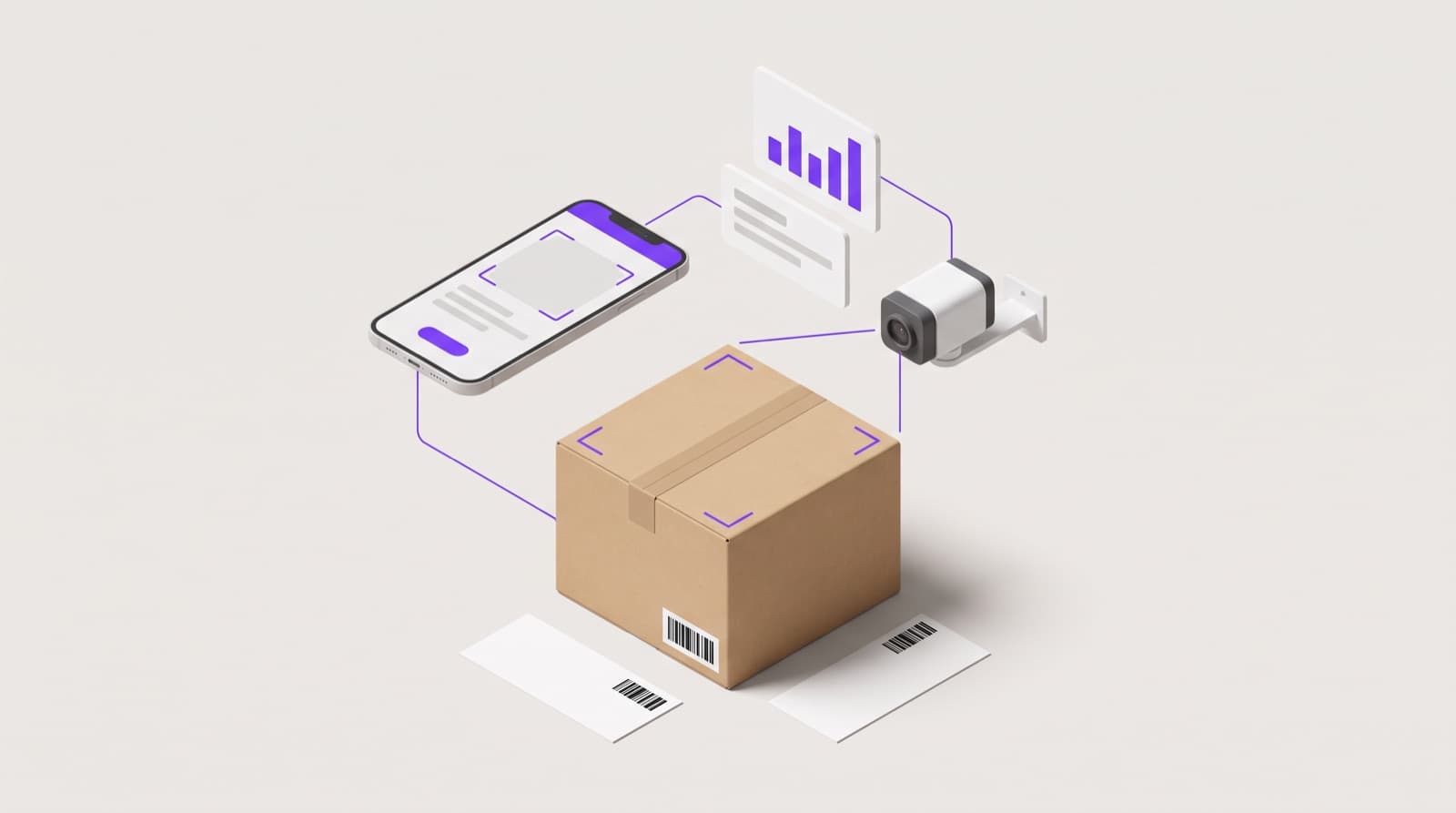
- Automated Receiving with Vision AI Instead of manually entering shipment data, teams can capture labels, batch numbers, and expiration dates instantly. This reduces check-in time and ensures accurate data flows directly into ERP systems.
- Real-Time Inventory Visibility Track inventory movement as it happens across warehouses and distribution centers. This helps prevent stock discrepancies and ensures FEFO workflows are followed consistently.
- Mobile-First Warehouse Execution Warehouse staff can use smartphones to scan, verify, and update inventory on the spot. This eliminates delays and reduces dependency on fixed infrastructure.
- Cold Chain Monitoring and Alerts Capture and verify shipment conditions in real time. Detect temperature deviations early and act before products are compromised.
- Seamless ERP Integration PackageX integrates with ERP systems to ensure that captured data is automatically reflected across systems, reducing manual work and improving data accuracy.
Real-World Impact
A food distributor handling hundreds of daily shipments faced constant pressure to process inventory quickly while maintaining accuracy and compliance. By implementing PackageX to automate receiving and connect real-time operational data with ERP systems, the company transformed how inventory was captured, verified, and managed across its supply chain.
- Reduced receiving time by up to 60% through automated label capture and data entry
- Ensured FEFO compliance with real-time visibility into expiration dates at intake
- Improved inventory accuracy by eliminating manual entry errors using Vision AI workflows
- Accelerated inventory availability for faster production and distribution cycles
- Strengthened traceability, enabling faster response to quality issues and recalls
Final Thoughts
The food and beverage industry demands speed, accuracy, and compliance at every step of the supply chain. While ERP systems provide a strong foundation, they are not designed to capture real-time operational data on the warehouse floor.
By combining ERP with a system of action like PackageX, businesses can bridge the gap between planning and execution. This leads to better visibility, reduced waste, improved compliance, and a more resilient supply chain.
As supply chains grow more complex, companies that invest in both systems of record and systems of action will be better positioned to scale efficiently and compete in a fast-moving market.
FAQs
What are ERP systems for logistics?
ERP systems for logistics are integrated software platforms that manage and automate supply chain operations such as inventory, transportation, warehousing, and order fulfillment. They provide real-time visibility into shipments and stock levels, helping businesses reduce delays, optimize routes, and improve overall efficiency.
What is the ERP system in the food industry?
An ERP system in the food industry is designed to manage production, inventory, compliance, and distribution in one place. It helps track batches, monitor expiration dates, ensure food safety regulations, and support FEFO inventory practices for perishable goods.
How do ERP systems reduce waste in food and beverage supply chains?
ERP systems reduce waste by providing real-time inventory tracking and automating FEFO (First Expired, First Out) practices. They help businesses monitor expiration dates, optimize stock rotation, and align production with demand forecasts, minimizing spoilage and overproduction.