Fresh food rarely gets a second chance. A late delivery, a temperature swing, or a missing document can turn perfectly good products into costly waste. That is why food and beverage logistics sit at the center of the modern food industry. Behind every stocked shelf, restaurant kitchen, or delivered meal is a tightly coordinated network designed to move products quickly, safely, and under strict conditions.
As consumer expectations rise, the pressure on food & beverage logistics continues to grow. Shoppers want fresher products, faster delivery, and full transparency, while regulators demand tighter controls and documentation. Add short shelf lives, seasonal demand spikes, and global supply disruptions, and logistics teams are expected to perform with very little margin for error.
The market reflects this growing reliance on smarter systems. The food and beverage logistics sector is projected to reach a market size of USD 31.28 billion by 2030, expanding at a CAGR of 14.61%. This growth is driven by improved food transportation networks, real-time visibility tools, and integrated food and beverage solutions that enable businesses to respond more quickly.
In this blog, we will break down how food and beverage logistics help companies adapt to today’s fast-changing market.
Key Takeaways
• Food and beverage logistics demand higher precision than standard freight due to perishability, safety regulations, and limited shelf life. • Cold chain control is essential to protect product quality, reduce spoilage, and maintain compliance across storage and transportation. • Effective coordination across sourcing, warehousing, and distribution keeps food and beverage supply chains reliable and responsive. • Real-time visibility and accurate data capture help teams respond faster to disruptions, audits, and delivery issues. • PackageX supports growing food and beverage operations by improving visibility, documentation, and execution across distributed networks.
What Is Food and Beverage Logistics?
Food and beverage logistics refers to the specialized planning and movement of food and drink products from where they are made to where they are consumed. This includes processing, packaging, storage, and transportation, all handled in a way that protects product quality and consumer safety. Unlike general freight, logistics for food and beverages must account for strict regulations, shorter shelf lives, and higher risks if something goes wrong.
The biggest difference between standard logistics management and food-specific logistics management is sensitivity. Many food items are perishable, meaning timing is critical. A delayed shipment or a slight temperature change can lead to spoilage, waste, or safety concerns. That is why temperature control, proper handling, and real-time monitoring are so important.
Food and beverage logistics also place a strong focus on compliance. Companies must comply with food safety standards, including FDA and FSMA guidelines, as well as sanitation and traceability requirements. These rules apply at every stage, from warehouse storage to last-mile delivery.
All of these activities come together under food and beverage supply chain logistics.
Core Components of Food & Beverage Logistics
Understanding the key aspects of food and beverage logistics helps businesses ensure product safety. Some of the most important components include:
- Cold Chain Management: For perishable items, maintaining the right temperature is crucial. Refrigerated trucks, ships, or planes ensure that products such as dairy, meat, and fresh produce remain safe during transit.
- Warehousing and Storage: Proper storage is essential. Clean, temperature-controlled warehouses, whether dry or cold, help manage inventory effectively and reduce spoilage or waste.
- Distribution: Efficient movement from farms or manufacturers to distributors, retailers, or food service locations ensures timely delivery and customer satisfaction.
- Technology and Traceability: Tools like TMS and EDI provide 24/7 tracking, enhance visibility, and improve decision-making throughout the supply chain.
How the Food and Beverage Supply Chain Works
The food and beverage supply chain ensures that products move efficiently from farms and factories to tables and store shelves. Each stage is important for keeping items fresh, safe, and high-quality.
1. Sourcing Raw Materials
This stage involves acquiring ingredients from farms, fisheries, or suppliers. Quality checks ensure products meet safety standards and prevent spoilage. Examples include fresh fruits, grains, dairy, and beverage concentrates.
2. Production and Packaging
Food is processed, cooked, or blended, while beverages are bottled or canned. Packaging protects products and preserves freshness during transport. Perishable items often require specialized cold chain logistics to maintain quality.
3. Storage and Warehousing
Products are stored in warehouses or cold storage facilities until they are ready to move. Perishable foods need strict temperature control, while shelf-stable beverages can be stored at room temperature. At this stage, efficient food and beverage warehouse management reduces waste and improves delivery speed.
4. Transportation and Distribution
Products are then transported to retailers, restaurants, or directly to consumers. This involves refrigerated trucks for perishable items and specialized logistics solutions for different product types. Beverage supply chain management solutions focus on high-volume, shelf-stable products, while food logistics service providers handle perishable goods.
5. Global vs Regional Supply Chains
Global supply chains are complex, involving multiple suppliers, carriers, and storage points, requiring careful coordination. Regional supply chains are simpler but still rely on precise timing and monitoring to ensure products reach customers safely.
Careful coordination at every stage ensures products reach customers fresh, safe, and ready to enjoy.
Types of Food & Beverage Logistics
Food and beverage logistics can be categorized based on who receives the products:
- B2B (Business-to-Business): Involves moving goods from manufacturers or suppliers to grocery stores, restaurants, or distributors. This type focuses on bulk shipments, efficiency, and maintaining product quality during transport.
- B2C (Business-to-Consumer): Covers last-mile delivery directly to customers. Speed, reliability, and proper handling are crucial to ensure fresh and safe products reach homes.
Both types require careful planning to keep the supply chain management smooth and products in optimal condition.
Key Challenges in Food & Beverage Logistics
Running a smooth food logistics service comes with several real-world challenges:
- Perishability and Shelf Life: Fresh produce, dairy, and meat have short lifespans. Even minor delays in transportation can lead to spoilage, wasted inventory, and lost revenue.
- Temperature Sensitivity: Maintaining proper cold chain conditions is critical. Slight variations can compromise safety and quality, especially for frozen or chilled items.
- Regulatory Compliance: Following FDA guidelines, FSMA regulations, and HACCP standards is non-negotiable. Mistakes can result in fines, rejected shipments, or damaged reputation.
- Labor Shortages: Skilled warehouse staff, drivers, and handlers are often in short supply, making staffing a constant challenge for food service logistics.
- Rising Transportation Costs: Fuel prices, carrier fees, and route inefficiencies can quickly eat into profit margins, forcing companies to optimize every step of the supply chain.
Many companies now rely on real-time tracking and proactive planning to stay ahead of these hurdles.
Food Transportation & Cold Chain Logistics
When it comes to food transportation, timing and temperature are everything. Perishable products like dairy, meat, fresh produce, and ready-to-eat meals can spoil quickly if they aren’t handled properly.
That’s why cold chain logistics plays such a vital role in the food and beverage industry. Maintaining a consistent temperature from the warehouse to last-mile delivery ensures quality for every shipment. Businesses rely on refrigerated trucks, insulated packaging, and temperature monitoring devices to keep goods in optimal condition.
For example, a local dairy supplier delivering milk and cheese across the city uses refrigerated vans to ensure products arrive just as fresh as when they left the facility. Similarly, beverage companies shipping craft juices nationally rely on reefer trailers to protect their products during transit.
Some best practices include:
- Conducting temperature checks at loading and unloading points
- Using insulated packaging for sensitive items
- Monitoring shipments in real-time to prevent spoilage
The food and beverage cold chain logistics market is growing rapidly. Rising consumer demand for fresh and organic products, coupled with stricter safety regulations, has increased the need for reliable cold chain solutions. Companies investing in advanced refrigeration and real-time monitoring are seeing fewer losses and happier customers.
Warehousing, Fulfillment, and Distribution in Food & Beverage Logistics
When it comes to food and beverage logistics, having the right warehouse setup can make all the difference. A food and beverage warehouse isn’t just a place to store products. Temperature control, humidity, and proper shelving are essential to keep goods fresh and safe.
For example, dairy and fresh produce need refrigeration, while packaged snacks and beverages can often be stored at ambient temperatures.
Efficient Fulfillment
Efficient food and beverage fulfillment ensures products stay fresh, safe, and ready for delivery. Key practices include:
- Track inventory carefully to prevent stockouts and reduce waste, keeping products available when needed.
- Rotate perishable items to maintain freshness and minimize spoilage throughout the warehouse.
- Maintain sanitation standards to prevent contamination and ensure every item meets safety requirements.
- Use automated picking and scanning systems to boost accuracy and speed up order processing, helping shipments reach customers reliably.
Distribution and Last-Mile Delivery
Getting food and beverages from the warehouse to the customer safely and on time is a critical part of the supply chain. To achieve this:
- Ensure timely delivery so products reach their destinations quickly without compromising quality.
- Optimize delivery routes to reduce delays, prevent spoilage, and improve overall efficiency.
- Coordinate with recipients such as retail stores, restaurants, or direct consumers to guarantee smooth drop-offs.
- Monitor temperature-sensitive shipments throughout the journey to maintain freshness and prevent product loss.
By combining smart warehousing, organized fulfillment, and precise distribution, businesses create smoother supply chains. The result is more efficient operations from end to end.
The Role of 3PLs and Logistics Partners
Partnering with a 3PL food logistics provider can transform the way businesses handle their food and beverage supply chain. Third-party logistics companies specialize in transporting, storing, and managing temperature-sensitive products. Instead of juggling multiple carriers, businesses can rely on experts who understand the nuances of food and beverage logistics.
The benefits are clear:
- Scalability : Easily adjust capacity during peak seasons or product launches without overinvesting in infrastructure.
- Expertise : Access trained personnel who know regulations, packaging standards, and cold chain requirements.
- Compliance : Ensure shipments meet FDA, FSMA, and HACCP standards, reducing the risk of spoilage or fines.
- Technology and tracking : Many 3PLs offer real-time shipment monitoring and predictive analytics for smarter decision-making.
Working with a trusted food and beverage logistics company ensures products arrive on time and in optimal condition.
Why PackageX Is the Right Choice for Food and Beverage Logistics Solutions
Here’s why PackageX is a strong choice for food and beverage logistics solutions:
Proven Logistics Expertise
PackageX is built for operational logistics environments where accuracy, speed, and consistency matter. The platform supports real-world food and beverage workflows at receiving and warehouse touchpoints, helping teams maintain control in fast-moving, high-volume operations.
Purpose-Built Technology
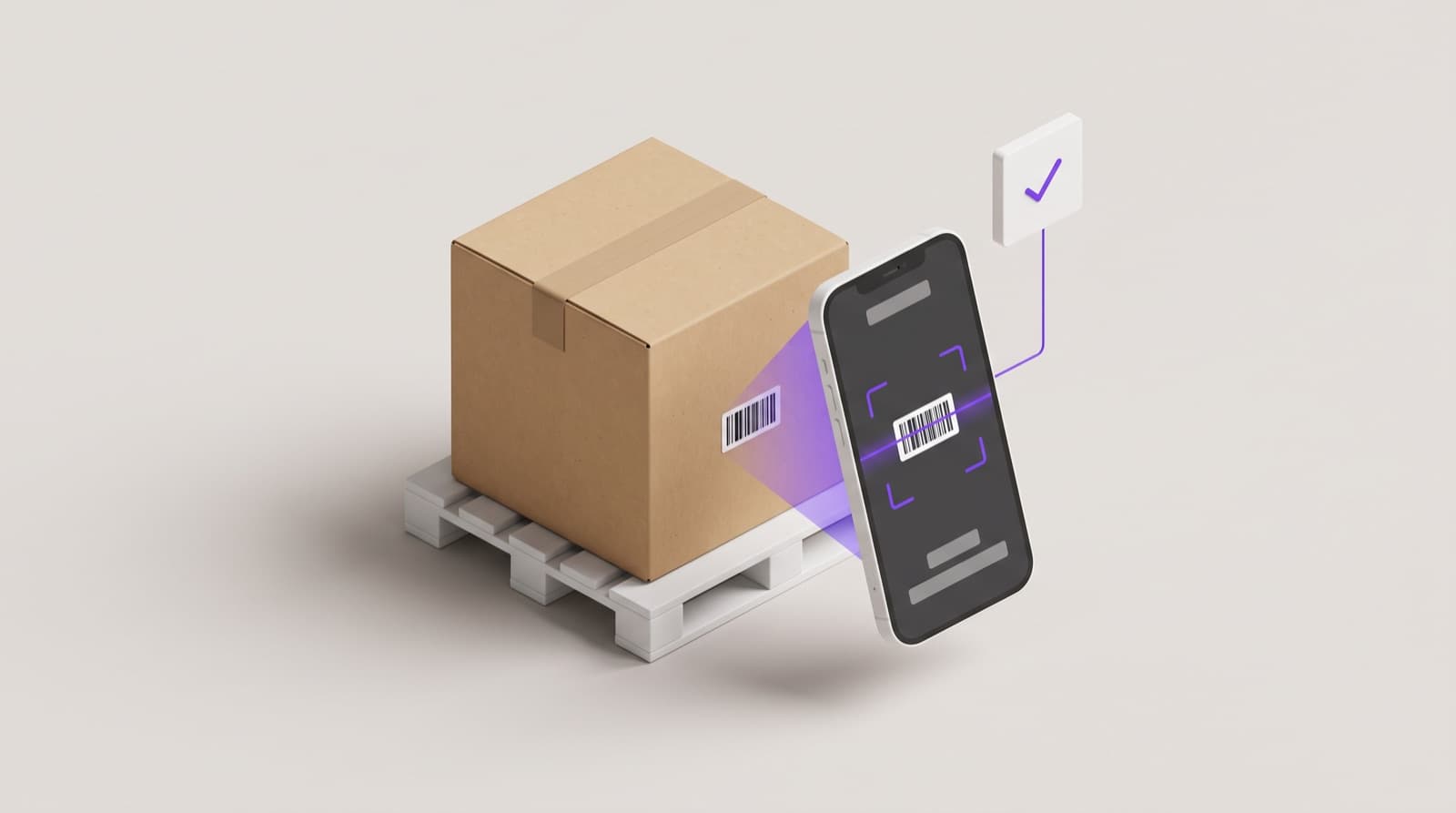
Vision AI and scan-based workflows capture shipment data, labels, quantities, and condition checks in real time. This reduces manual input, improves traceability, and strengthens visibility across food and beverage logistics solutions.
Cold Chain Visibility
Temperature checks, damage reporting, and exception tracking are documented during receiving and handling. These records help protect product quality, support food safety processes, and reduce losses tied to missed inspections.
Scalable Network Coverage
The platform integrates with existing WMS, ERP, and TMS systems and supports both single-site and multi-location operations. This flexibility allows food and beverage solutions to scale without disrupting established processes.
FAQs
How do food and beverage logistics differ for fresh vs shelf-stable products?
Fresh products require strict temperature control, faster transit times, and tighter inspection processes due to short shelf life. Shelf-stable products focus more on volume handling, inventory accuracy, and efficient distribution, with less dependence on refrigeration but higher emphasis on demand forecasting.
What role does data accuracy play in food and beverage logistics?
Accurate data helps prevent shipment errors, supports traceability, and enables faster issue resolution during recalls or audits. Inaccurate receiving or inventory data can lead to compliance risks, lost product, and delayed deliveries across the supply chain.
How can food and beverage companies prepare for recalls?
Preparation starts with clear traceability, consistent documentation, and the ability to identify affected lots quickly. Systems that capture receiving data, condition checks, and timestamps make it easier to isolate issues and respond without disrupting the entire operation.