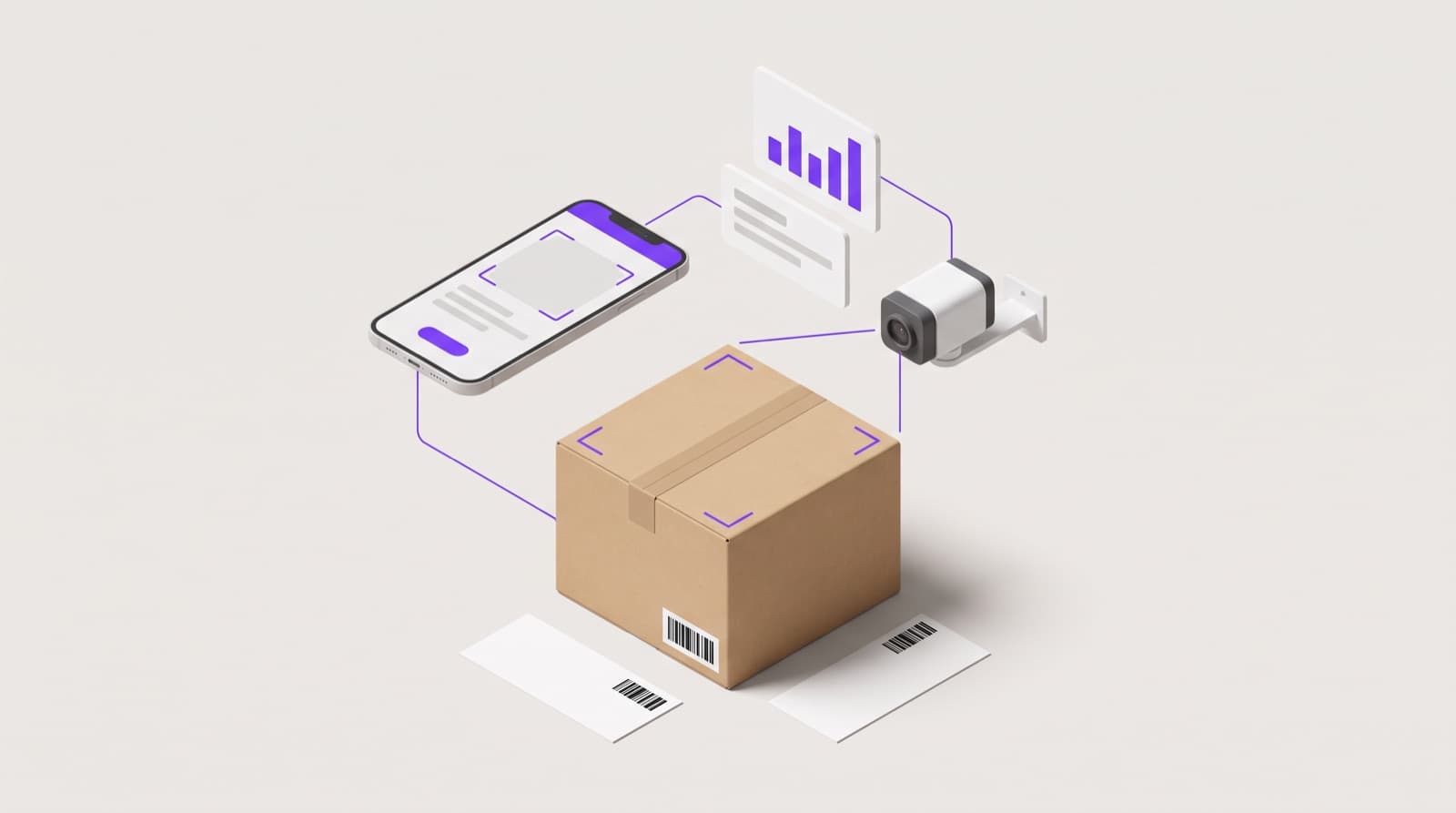
A single recall can cost millions. A widely cited Food Marketing Institute and GMA study puts the direct cost of an average food recall near $10 million. That covers retrieval, disposal, and notice. The full cost often runs three to five times higher once you add lost sales and lawsuits. One thing decides how bad it gets. You have to know which lot went where. That is the job of lot tracking and traceability in manufacturing.
This guide explains what they are and how they differ. It covers the types and levels of traceability. It shows how to set up lot tracking step by step. It covers the technology that captures the data. And it explains what to look for in software.
Key Takeaways
• Lot tracking tells you where a batch is now. Traceability shows its full history. • The two main types are forward and backward traceability. • Traceability is required by law in food, pharma, medical device, aerospace, and automotive. • Good lot tracking turns a recall of 10,000 units into a recall of 100. • Modern systems capture lot data with barcodes, RFID, and real-time scanning.
What is lot tracking and traceability in manufacturing?
Lot tracking and traceability is the ability to identify, record, and retrieve the history and movement of materials and products at the lot or batch level. Lot tracking tells you where a batch is right now. Traceability tells you where it came from, what it became, and where it went next.
The lot number holds it all together. It is a unique code for a group of items made under the same conditions. It is more than a label. It links a product to its supplier records, test results, production history, storage location, and customer shipments.
Lot vs. Batch vs. Serial tracking
These terms overlap. They are not the same. A lot, or batch, is a group of units made together under the same conditions. A serial number marks one single unit. The two often work together. A drug maker tracks the ingredient lot and gives each pack its own serial number.
| Method | What it identifies | Best for |
|---|---|---|
| Lot / batch tracking | A group of items made together | Food, chemicals, cosmetics, bulk production |
| Serial number tracking | One single unit | Electronics, medical devices, high-value goods |
| Combined lot and serial | Both the batch and each unit | Regulated products that need unit-level recall |
Types and levels of traceability
There are two main types of traceability: forward and backward. Forward traceability follows a material downstream. If a supplier flags a bad lot, you can find every product made from it and every customer who got one. Backward traceability works upstream. You start from a customer complaint and trace back to the exact lot, machine, operator, and test result.
Traceability also has a scope. Internal traceability tracks materials inside your own plant. Supply-chain traceability adds one step up and one step back to your suppliers and customers. This is the one-up, one-back model. Multi-tier traceability covers the whole chain, from raw material to the end buyer.
Standards also grade traceability by maturity. The electronics standard IPC-1782 sets a scale from Level 1 to Level 4. Level 1 is basic manual records. Level 4 is full digital genealogy. At Level 4, every unit's materials, process settings, test results, and operators link in real time and share across the supply chain. The higher your level, the faster and cleaner your recalls and audits.
Why traceability in manufacturing matters
Traceability in manufacturing matters because it controls recall size, quality checks, compliance, and trust. Without lot records, one bad material forces you to recall everything that might contain it. With lot records, you recall only what does.
Picture a protein-bar maker. A customer reports a bad batch. With lot records, the team traces finished-goods lot FG-2026-0847 back to whey lot WH-5521 from Supplier A. It came in on March 3. It ran on Line 2 on the morning shift. Then the team traces forward to the eleven other customers who got product from that same whey lot. Containment takes an afternoon. Without those records, the only safe move is to recall three months of production.
The gains show up across the plant:
- Recall containment: Find the exact lots, products, and customers in minutes.
- Faster quality checks: Move from a vague hunt to a named lot, machine, and operator.
- Supplier accountability: Tie a defect to a specific supplier lot with proof.
- Less waste: FIFO and FEFO keep materials from aging out.
- Customer trust: Steady quality and fast answers protect your brand.
Regulatory and compliance requirements
In many industries, traceability is the law. The rules differ by sector. The trend is the same everywhere. Records must be structured, digital, and easy to pull.
| Industry | Regulation | Requirement |
|---|---|---|
| Pharmaceutical | FDA 21 CFR Part 211 | Batch records must identify raw materials by lot |
| Medical device | OFDA 21 CFR Part 820, ISO 13485 | Device history records with material lot traceability |
| Food | FDA FSMA | ROne-up, one-back traceability for food products |
| Aerospace | FAS9100 | Identification and traceability suited to the product |
| Automotive | IATF 16949 | Lot traceability for safety-critical parts |
Regulated makers also face record-retention rules. These often run the shelf life plus a year, or longer for defense work. Electronic records must meet rules like FDA 21 CFR Part 11.
What a lot traceability system should capture
A strong program captures data at every step, not just at receiving and shipping. The hard part isn't creating a lot number. The hard part is linking that number to every event that touches the material. Capture at least this:
- Supplier lot or heat number, mapped to your internal lot number
- Certificate of analysis (COA) and quality documents
- Receiving date and storage location
- Material use at each operation, with machine and operator
- Test, release, and nonconformance status
- Expiration, retest, and shelf-life data
- Shipment history and customer names
How to implement lot tracking (step by step)
- Define your lot structure. Decide what counts as a lot at each level. The supplier's raw-material lot. Your internal production lot. The finished-goods lot that ships to the customer.
- Capture lot data at each stage. Record lot IDs at receiving, at issue, at each operation, and at finished goods. Note which material lots were used.
- Build the traceability matrix. Link every level. Then you can query both ways, from supplier lot to inbound receiving lot to work order to finished-goods lot to customer.
- Integrate with scheduling and ERP. Tie lots to work orders. The system then knows which approved lots are ready for each job. Approved means not expired and not on hold.
- Test with a mock recall. Pick a random receiving lot. Trace it forward to every affected customer. If it takes more than four hours, fix the system. Run this test each quarter.
A simple genealogy diagram helps. Show supplier lot to work order to finished-goods lot to customer. Auditors and operators both read it at a glance.
Lot tracking technology: Barcode, RFID, and real-time capture
Good traceability depends on capturing each event at the source. The capture method decides how fast and reliable your records are. Many plants stall here. They assign lot numbers but still record them on paper or in spreadsheets.
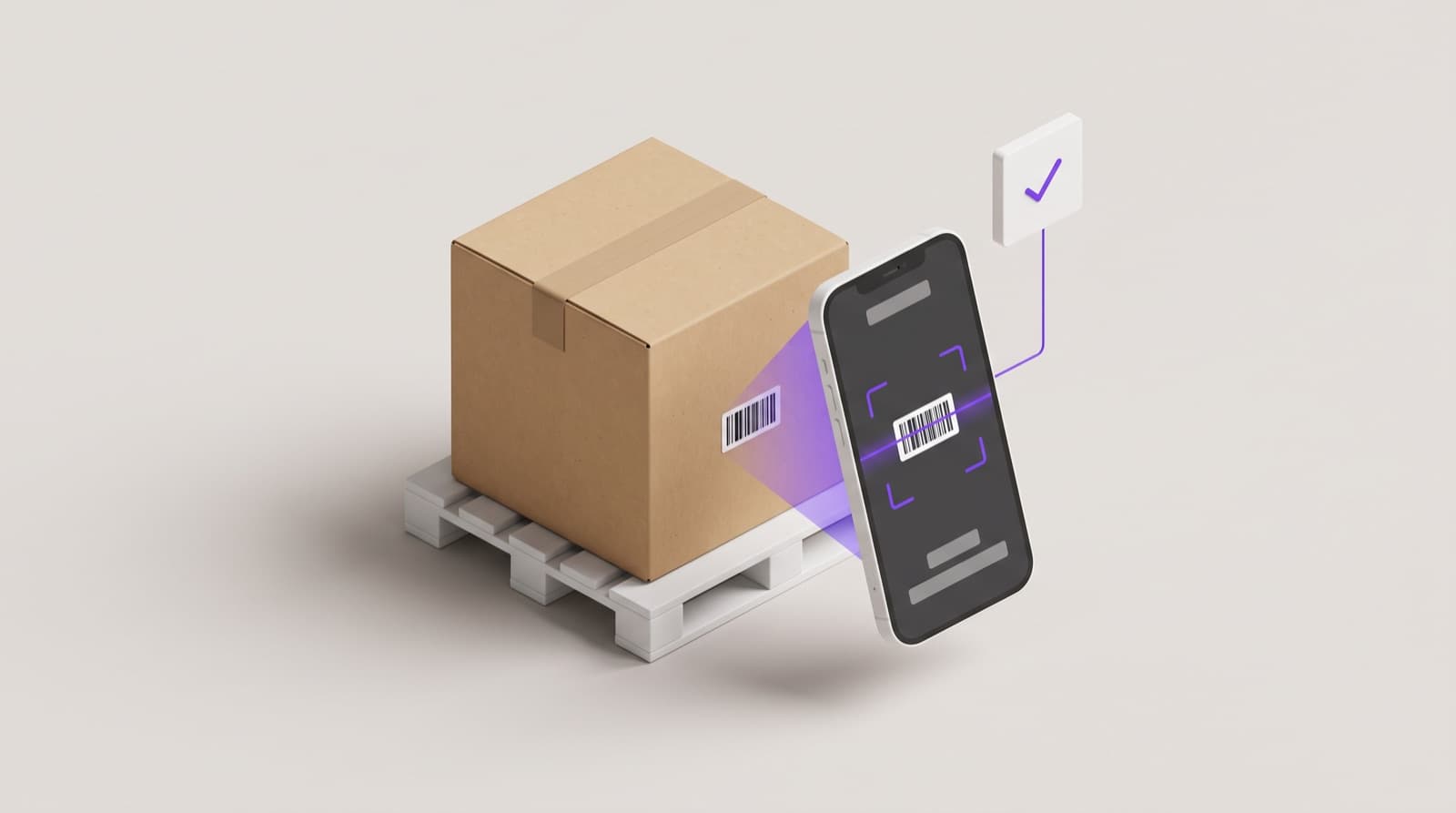
- Barcode scanning is cheap, familiar, and accurate. It needs line of sight. A worker scans at each point.
- RFID needs no line of sight. It reads many tags at once and cuts manual work. Tags cost more. Metal and liquid can block the read.
- Paper is free. It is slow to search and easy to get wrong. It is not audit-ready.
- Integrated real-time capture is the strongest option. It is instant and connected. A query takes seconds. It needs system integration.
The best setups pair barcode or RFID scanning with software that pushes lot data into scheduling, quality, and shipping in real time. That removes manual retyping. It cuts a traceability query from hours to seconds.
Industries that rely on lot traceability
Lot and product traceability matters most where safety, shelf life, or compliance is at stake:
- Food and beverage. Perishable ingredients, storage rules, and FSMA compliance.
- Pharmaceutical. Ingredient purity, batch records, and patient safety.
- Medical device. Device history records tied to material lots.
- Aerospace and defense. Material certificates and long retention windows.
- Electronics. Traceability in electronics manufacturing for component-level recalls.
- Cosmetics. Organic materials with freshness and safety limits.
Choosing lot tracking software
Buyers searching for lot tracking software or manufacturing traceability software learn one thing fast. Storing lot numbers is the easy part. The best manufacturing traceability software fits how your plant runs. Check each option against this list:
- Tracks raw materials, intermediates, and finished goods by lot, and by serial when needed
- Maps supplier lots to internal lots
- Handles lot splits, merges, and nested genealogy
- Links quality documents and test results to each lot
- Supports FIFO and FEFO
- Integrates barcode and RFID scanning and location control
- Runs fast-forward and backward traces
- Fits your ERP, WMS, and MES
If most of your traceability still lives in spreadsheets, you have outgrown manual tracking. That is where dedicated software pays for itself.
Best practices and common mistakes
- Do standardize your lot-number format. Enforce it everywhere. LOT-2026-0847 in receiving and 20260847 in production breaks the chain.
- Do capture lot use at each major operation, not just at receiving and shipping.
- Do train everyone who touches material. Traceability is captured on the floor, not in the quality office.
- Do not mix remnants from many lots without recording a new composite lot.
- Do not assume it works. Prove it with a mock recall each quarter.
Frequently asked questions
What does lot tracking mean?
Lot tracking assigns a unique lot or batch number to a group of products. You then follow that batch through production and the supply chain. You always know where it is and what it holds.
What are the two main types of traceability?
Forward traceability follows a material downstream to finished goods and customers. Backward traceability traces a finished product back to its source materials and processes.
What are the three levels of traceability?
Internal traceability inside your own plant. Supply-chain traceability: one step up and one step back. Full multi-tier traceability across the whole chain.
What is level 4 traceability?
Under the IPC-1782 standard, Level 4 is the top tier. It is full digital genealogy. Every unit's materials, processes, test results, and operators link in real time and are shared across the supply chain.
What is the difference between lot and serial number tracking?
A lot number marks a group of items made together. A serial number marks one single unit. Regulated products often use both.
Build traceability into every scan
Most traceability gaps come from one place: data typed by hand, late, or not at all. PackageX closes that gap with Vision AI scanning that captures lot and batch data the moment material moves. Faster capture. Cleaner records. A lot you can trace end to end in seconds.
- Scan once, capture everything: lot numbers, batch codes, barcodes, and COA or POD documents, with no retyping.
- See every lot in real time: trace forward and backward, from supplier lot to work order to finished goods to customer, in one dashboard.
- Automate the paper trail: receiving, production, and shipping flows record lot data with little manual input.
- Connect your whole stack: tie your ERP, WMS, MES, and carriers together through 30+ purpose-built APIs.