Work in process inventory is the invisible stage between raw materials and finished goods that quietly ties up cash, distorts margins, and slows delivery. Without clear visibility into work-in-process inventory, manufacturers struggle to spot bottlenecks, accurately value the balance sheet, or forecast cash flow. Strong WIP control protects the production process, keeps working capital free, and gives finance reliable numbers at period close.
This guide is part of our broader manufacturing inventory management playbook. It breaks down what WIP inventory is, the three components it contains, the formula to calculate it, step-by-step examples, how to record it in the books, the management practices that keep it lean, and a free WIP calculator you can run with your own numbers.
Key Takeaways
• Work in process inventory is the value of partially finished goods on the production floor, sitting between raw materials and finished goods. • WIP formula: Beginning WIP + Manufacturing Costs - Cost of Goods Manufactured (COGM) = Ending WIP. • WIP is composed of direct materials, direct labor, and manufacturing overhead. • WIP appears on the balance sheet as a current asset and flows into COGM, then COGS on the income statement. • Lower WIP usually means tighter cash flow, faster cycle times, and cleaner financial reporting.
What Is Work in Process Inventory?
Work in process inventory is the value of partially finished goods on a manufacturer's production floor that have started but not yet completed the production process. The work-in-process inventory definition includes direct materials pulled from raw stock, the labor applied to them, and a share of manufacturing overhead, such as utilities and equipment depreciation.
Unlike finished goods, WIP cannot be sold yet because the production process is incomplete. Common examples include a partially assembled circuit board waiting for a chip, a roll of dyed fabric awaiting sewing into garments, or a car body still needing paint and an engine.
WIP is reported on the balance sheet as a current asset and flows directly into the cost of goods manufactured (COGM), which in turn drives cost of goods sold (COGS) on the income statement. Clean WIP records are essential for accurate financial reporting and meaningful margin analysis.
What Is WIP Inventory Composed Of?
Work-in-process inventory comprises three core cost elements that accumulate as raw materials move through production. Each component is captured on the balance sheet as part of WIP until the units are completed and transferred to finished goods.
- Direct materials: The raw materials that are physically transformed into the product, such as steel, fabric, plastic resins, or circuit boards.
- Direct labor: Wages paid to the workers who handle, assemble, machine, or otherwise transform the units in progress.
- Manufacturing overhead: Indirect production costs that support the work but are not tied to a single unit. Examples include factory utilities, equipment depreciation, supervisor salaries, and consumable supplies. Overhead is allocated to each job using a predetermined rate.
Where WIP Sits: Raw Materials, WIP, Finished Goods
The inventory management of raw materials, work in process, and finished goods is a three-stage journey every manufactured unit travels through. Value accrues at each stage as labor and overhead are added to the original material cost.
- Raw materials: Unprocessed inputs ready to enter production. Valued at purchase cost.
- Work in process: Materials that have started production but are not yet complete. Carries materials, labor, and overhead but cannot yet be sold.
- Finished goods: Completed units ready to ship or sell. Carries the full COGM value until sold, when it flows into COGS.
Most manufacturers also track MRO supplies separately from this production flow, giving four total types of manufacturing inventory.
Work in Process vs. Work in Progress
Work in process and work in progress sound identical but describe different things in accounting practice. The distinction matters at period close and in revenue recognition.
- Work in process: Short manufacturing cycles measured in hours, days, or weeks. Partially completed units sit between raw materials and finished goods on the balance sheet.
- Work in progress: Long-cycle projects, most often in construction, engineering, or large contract manufacturing. Revenue is recognized over months or years using percentage-of-completion accounting.
A related distinction: WIP versus finished goods comes down to saleability. WIP cannot be sold yet because production is incomplete. Finished goods are complete, fully costed at COGM, and ready for shipment. Factory-floor conversations use the two terms loosely, but their accounting treatments differ.
Work in Process Inventory Formula
The work in process inventory formula is:
Beginning WIP + Manufacturing Costs - Cost of Goods Manufactured (COGM) = Ending WIP.
This single equation drives every period-end WIP balance, COGM calculation, and inventory-related journal entry.
Each term in simple words:
- Beginning WIP: The ending WIP from the previous period.
- Manufacturing costs: Direct materials used + direct labor + manufacturing overhead applied during the period.
- Cost of goods manufactured (COGM): Total cost of units completed and transferred to finished goods during the period.
- Ending WIP: What remains on the production floor at period end.
Two supporting formulas to know:
- Manufacturing Costs = Direct Materials + Direct Labor + Manufacturing Overhead
- COGM = Beginning WIP + Manufacturing Costs - Ending WIP
The work-in-process inventory calculation formula and the ending work-in-process inventory formula are the same equation. They just isolate different variables.
How to Calculate Work in Process Inventory (Step by Step)
To calculate work-in-process inventory, find your beginning WIP, total your manufacturing costs, calculate COGM, then plug everything into the WIP formula to derive the ending WIP. Most teams run this how-to-find work-in-process inventory exercise at month-end, quarter-end, or year-end as part of the close.
- Find beginning WIP: Carry forward the ending WIP balance from the prior period as your starting point.
- Total manufacturing costs: Add direct materials used, direct labor, and manufacturing overhead applied during the period.
- Calculate COGM: COGM equals beginning WIP plus manufacturing costs minus ending WIP. If you do not yet know ending WIP, pull COGM directly from work order completion records.
- Apply the WIP formula: Plug into Beginning WIP + Manufacturing Costs - COGM = Ending WIP. That figure becomes the new WIP balance on the balance sheet.
Variants like calculating work-in-process inventory by unit cost or calculating ending work-in-process inventory by department follow the same logic, just anchored to different cost drivers.
Work in Process Inventory Example
Here is a work-in-process inventory example using the formula. A small furniture manufacturer starts April with USD 10,000 in WIP. During the month, it incurs USD 40,000 in manufacturing costs and completes units worth USD 45,000 in COGM.
Ending WIP = 10,000 + 40,000 - 45,000 = USD 5,000
That USD 5,000 sits on the balance sheet as a current asset and becomes May's beginning WIP.
A second example using unit cost: A footwear maker has 200 pairs of shoes in progress at the start of May, each costing USD 15 (USD 3,000 beginning WIP). During the month, it incurs USD 12,000 in manufacturing costs and completes USD 11,000 in COGM.
Ending WIP = 3,000 + 12,000 - 11,000 = USD 4,000
That USD 4,000 represents the value of partially finished shoes still on the production floor at month-end.
Free WIP Inventory Calculator
Skip the spreadsheet. Plug in your beginning WIP, total manufacturing costs, and COGM to get your ending WIP balance in seconds. Use it at period close or to test scenarios before committing to a production plan. Try the WIP calculator now.
How Do You Record Work in Process Inventory?
Work in process inventory is recorded as a current asset on the balance sheet, with value flowing in from raw materials and out to finished goods through standard journal entries. Every material move, labor hour, and overhead allocation generates a debit or credit that keeps the books aligned with the production floor.
The basic journal-entry flow:
- Move raw materials into WIP: Debit WIP, credit raw materials inventory.
- Apply direct labor: Debit WIP, credit wages payable.
- Apply manufacturing overhead: Debit WIP, credit manufacturing overhead.
- Complete and transfer to finished goods: Debit finished goods, credit WIP.
A typical period's entries in plain language:
- April 1, raw materials to WIP: Debit WIP USD 40,000; Credit Raw Materials USD 40,000.
- April 1, direct labor applied: Debit WIP USD 15,000; Credit Wages Payable USD 15,000.
- April 30, units completed: Debit Finished Goods USD 45,000; Credit WIP USD 45,000.
Under GAAP and a perpetual inventory system, these entries occur continuously rather than only at period-end. That is what lets finance close the books quickly and lets operations trust the WIP number on any given day.
Why WIP Inventory Management Matters
Strong WIP inventory management directly affects production efficiency, cash flow, financial reporting accuracy, and customer delivery dates. Disciplined work in process inventory control shows up in tighter margins and faster, more predictable throughput.
- Spot bottlenecks: Rising WIP at a single workstation usually signals a process step that is stuck or a staffing gap.
- Improves cash flow: Lower WIP balances release working capital tied up on the production floor.
- Controls costs: Less WIP means less rework, less obsolescence, and lower storage overhead.
- Supports accurate reporting: Clean WIP feeds reliable COGM and COGS numbers for GAAP-compliant statements.
- Improves delivery estimates: Real visibility into WIP gives sales and customer service realistic lead times.
How to Manage & Reduce WIP Inventory
The fastest way to reduce work-in-process inventory is to combine real-time visibility with disciplined production methods such as JIT, lean, and WIP limits. The right mix depends on production complexity, demand stability, and the maturity of the operation.
- Real-time tracking and visibility: Barcode scanning, RFID, and IoT sensors give live insight into what is on the floor.
- Just-in-Time (JIT) manufacturing: Pull materials into production only as downstream stations need them, keeping WIP buffers small.
- Lean and Kanban with WIP limits: Cap the number of units that can sit at each workstation. When the cap is hit, upstream stops until downstream pulls.
- Realistic production scheduling: Align MRP or ERP outputs with actual capacity using ERP integration, not optimistic plans.
- Workforce optimization and supplier collaboration: Cross-train operators so bottlenecks shift rather than stall, and tighten supplier lead times to reduce upstream buffers.
- Automation: Robotic material handling and automated quality checks cut variability, which directly lowers WIP.
The teams that win combine two or three of these methods rather than chase a single silver bullet.
Best Practices
WIP inventory best practices come down to discipline, data, and integration. These habits separate manufacturers that hit their delivery dates from those that miss them.
- Track WIP in real time: Every material movement and labor hour should be captured in the system immediately.
- Standardize processes: Documented work instructions keep cycle times predictable.
- Analyze workflow regularly: Run weekly or monthly bottleneck reviews using WIP data.
- Integrate inventory and ERP systems: Eliminate manual data entry between the floor and finance.
- Refresh records each period: Reconcile system WIP with physical cycle counts during close.
How PackageX Closes the WIP Inventory Loop
Here’s how PackageX can help:
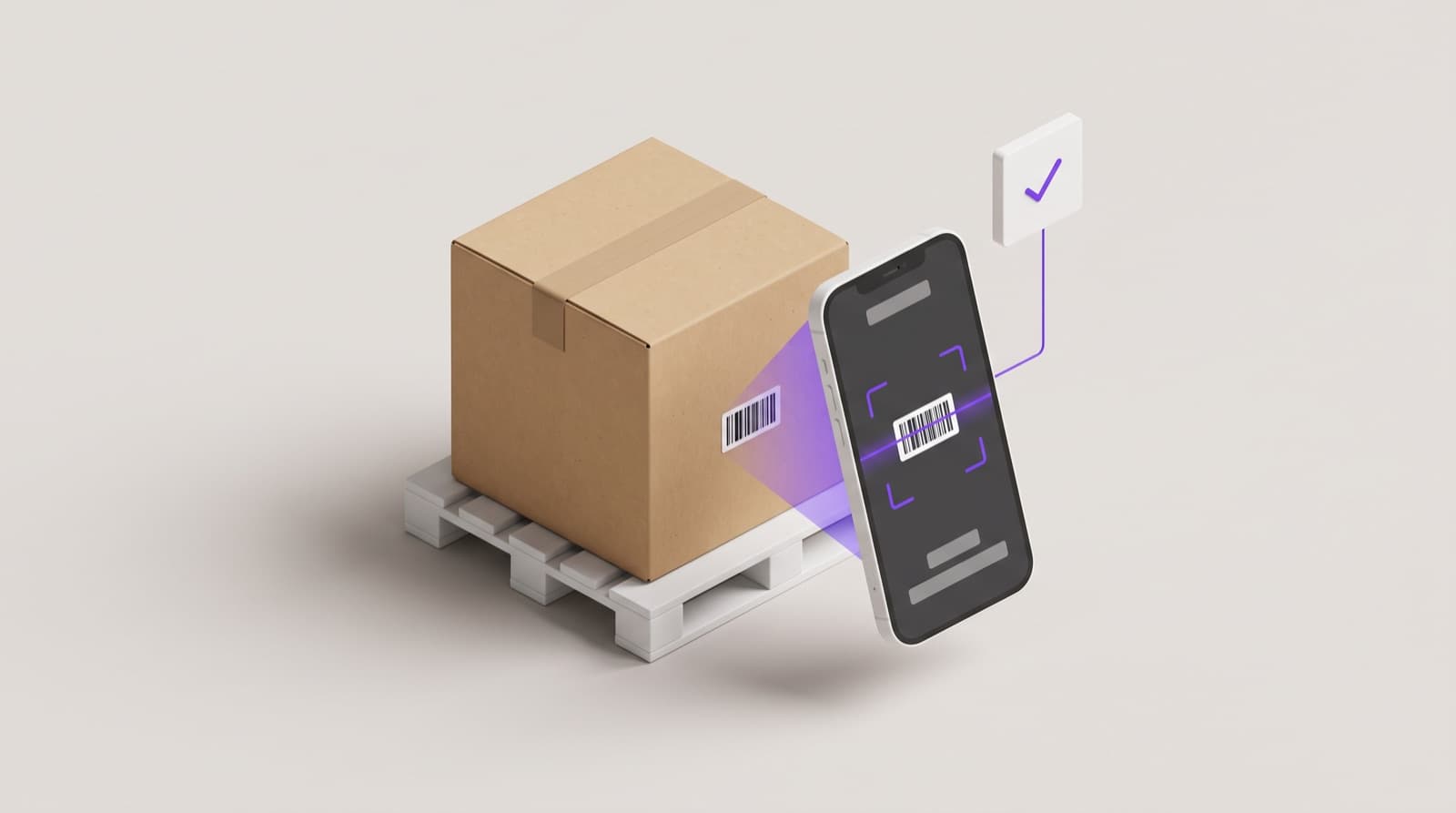
- Vision AI scanning: The PackageX VScan captures part numbers, work order IDs, and labor hours at every station without manual entry.
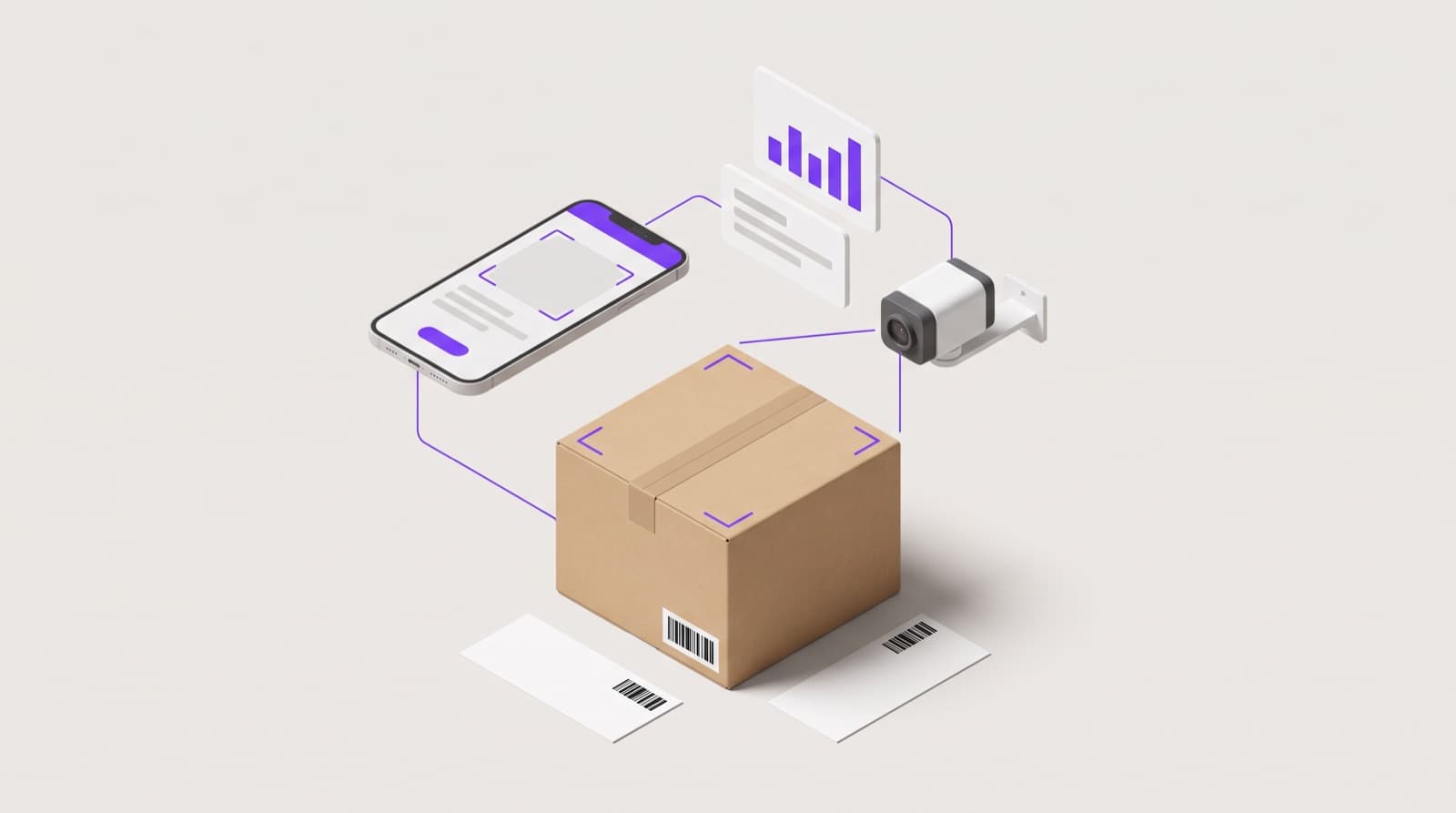
- Real-time WIP visibility: Live dashboards show what is in process where, surfacing bottlenecks before they delay shipments.
- Cycle count and audit support: Built-in tools for rolling cycle counts and audit trails via the inventory audit module.
- ERP and MRP integration: WIP and completion data flow directly into your ERP and warehouse management stack through APIs and webhooks.
Frequently Asked Questions
Is work-in-process inventory a current asset?
Yes. Work in process inventory is classified as a current asset on the balance sheet because it is expected to be completed and converted into finished goods within the operating cycle, usually less than 12 months. It carries the cumulative cost of materials, labor, and overhead applied so far.
What is the difference between WIP and finished goods inventory?
WIP inventory covers units that have started production but are not yet complete and cannot be sold. Finished goods inventory covers fully completed units, valued at total COGM, that are ready to ship. WIP transfers into finished goods through a journal entry once production is done.
Why is reducing WIP inventory important?
Lower WIP frees up working capital, shortens cycle times, and exposes hidden bottlenecks. It also reduces the risk of obsolescence, rework, and storage overhead. Most lean manufacturers treat WIP reduction as a daily discipline rather than a one-off project.