Running an online store sounds simple until orders start piling up. Customers want fast delivery. Shipping costs keep climbing. Inventory is spread across channels, and a single delay can lead to a negative review. As sales grow, these pressure points grow with them.
That is why many brands rely on a third-party fulfillment service to keep operations moving without burning cash or time. An ecommerce order third party fulfillment service helps brands ship faster, control logistics costs, and scale without adding warehouses or staff.
The momentum behind this shift is real. The global third-party logistics market is projected to reach about USD 1.42 trillion by 2026 and grow to roughly USD 2.4 trillion by 2036, expanding at a steady 5.5% CAGR. Ecommerce growth is driving that demand, and expectations are only getting higher.
In this blog, we will explore how third-party fulfillment supports modern logistics, how it works in practice, and how it can benefit you.
Key Takeaways
• A third-party fulfillment service helps businesses scale faster by outsourcing storage, picking, packing, and shipping without adding warehouses or staff. • 3PL fulfillment improves delivery speed, reduces logistics costs, and provides real-time inventory visibility as order volumes grow. • Third-party shipping follows a structured process, from inbound receiving and inventory tracking to order fulfillment and returns management. • Compared to in-house fulfillment and dropshipping, 3PLs offer better scalability, control, and consistency in customer experience. • Fulfillment prep activities like labeling, kitting, bundling, and compliant packaging are critical to order accuracy and smooth operations. • PackageX strengthens third-party fulfillment by capturing real-world warehouse activity and turning it into reliable operational data.
What Is a Third-Party Fulfillment Service?
A third-party fulfillment service helps businesses store, pack, and ship products without handling those tasks themselves. Instead of running your own warehouse, you partner with a 3PL, short for third-party logistics provider, that takes care of order fulfillment once a customer clicks “buy.”
So, what are 3PL services in practical terms? A 3PL fulfillment service receives your inventory, stores it in a fulfillment center, picks and packs orders as they come in, and ships them to your customers. Many providers also manage returns, inventory tracking, and carrier selection. This setup is common among ecommerce brands that want to scale without adding more staff or warehouse space.
It is important to separate fulfillment from logistics, since the terms are often used interchangeably. Fulfillment focuses on the order level. Think about picking items, packing boxes, and shipping individual orders to customers. Logistics is broader. It includes transportation planning, freight movement, and supply chain coordination across multiple locations.
How Does 3rd-Party Shipping Work? (Step by Step)
If you are wondering how 3rd-party shipping works in practice, it helps to think of it as a simple handoff of responsibility. Instead of managing every order yourself, an ecommerce order third party fulfillment service takes over the physical work while you stay in control of sales and customer experience.
Here is how the process usually flows.
Receiving inventory
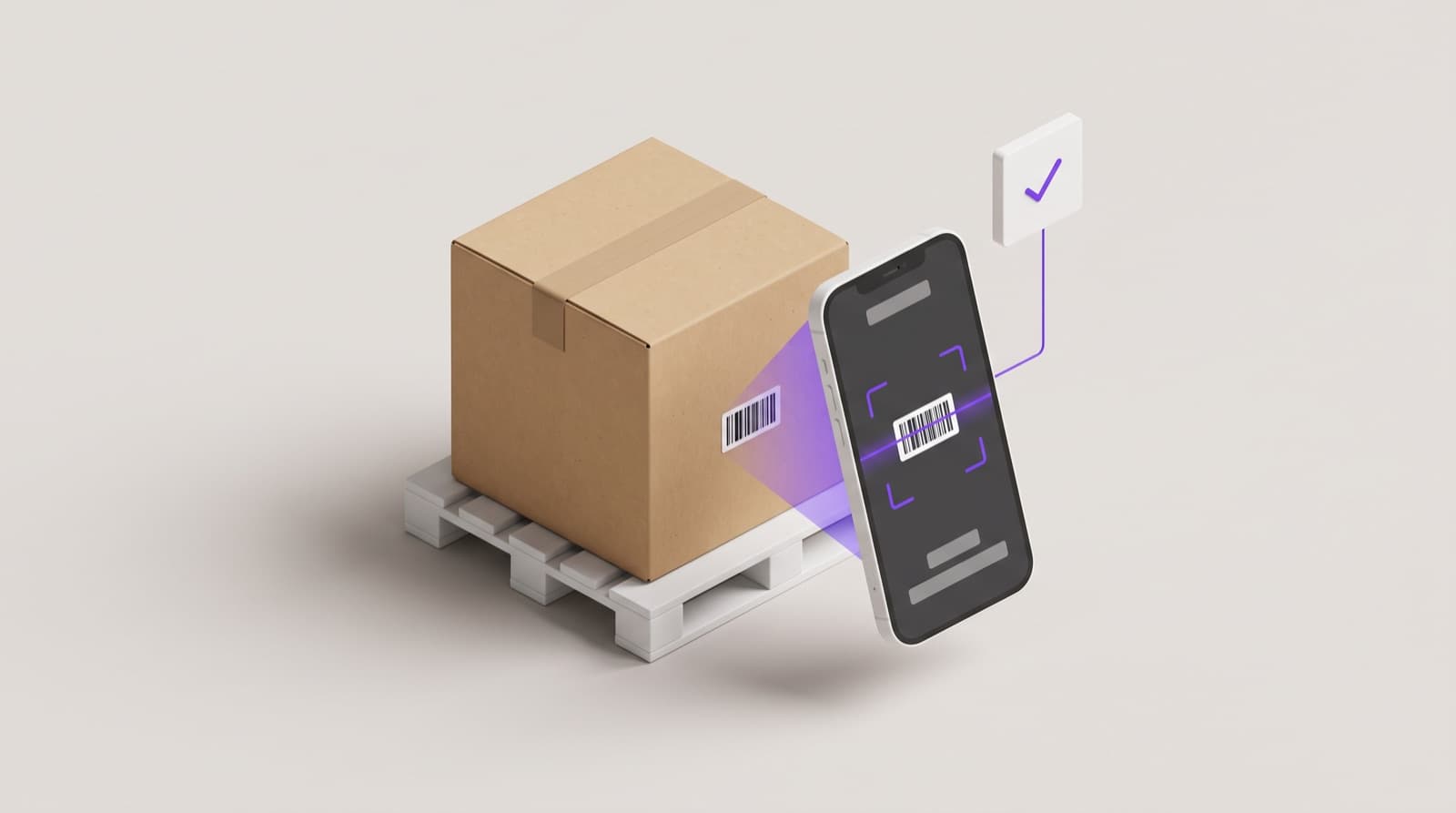
It starts when you send your products to a third-party fulfillment center. When inventory arrives, the 3PL checks each shipment for accuracy and damage. Items are counted, scanned, and logged into the system so stock levels are always up to date. This step prevents errors before orders are sent.
Inventory storage and tracking
Once received, products are stored in organized warehouse locations. Modern 3PL providers use inventory management software to track every unit in real time. You can see what is in stock, what is moving fast, and when it is time to reorder. This visibility helps avoid both stockouts and overstocking.
Picking and packing
When a customer places an order, the fulfillment team gets to work. 3PL warehouse staff pick the correct items and pack them according to your brand’s requirements. This may include custom packaging, inserts, or kitting. Accuracy matters here, since shipping the wrong item often leads to returns and lost trust.
Shipping and carrier selection
After packing, the order is labeled and shipped. The 3PL chooses the best carrier based on cost, speed, and destination. Because fulfillment providers ship in high volumes, they often secure discounted rates from major carriers. The customer receives tracking details, just as if you shipped the order yourself.
Returns management
If an item comes back, the 3PL handles the return. They inspect the product, update inventory, and restock or dispose of it based on your rules. This closes the loop and keeps your operations running smoothly without added workload.
What Is 3PL E-Commerce Fulfillment?
A 3PL e-commerce fulfillment service allows businesses to outsource storage, picking, packing, and shipping while keeping full visibility into their operations. Instead of managing warehouses and labor internally, brands rely on specialized partners to handle order fulfillment efficiently and at scale, a practice that becomes especially important as order volumes grow.
A 3PL e-commerce fulfillment service is designed specifically for online selling, supporting direct-to-consumer orders, marketplace fulfillment, and B2B shipments from a single inventory pool. This omnichannel approach helps businesses avoid fragmented operations and deliver consistent service across all sales channels.
Orders are transmitted automatically to the fulfillment provider, inventory levels update in real time, and shipment tracking flows back to both the business and the customer. Automation reduces manual work and human error, while real-time data improves forecasting, inventory replenishment, and delivery speed.
Third-Party Fulfillment vs Other Fulfillment Models
Choosing the right fulfillment setup depends on how much control, flexibility, and scale your business needs. A 3PL fulfillment service sits somewhere in the middle, offering more support than doing it yourself, but more control than hands-off options.
3PL vs In-House Fulfillment
With in-house fulfillment, you manage everything. Storage, packing, shipping, staffing, and technology all fall on your team. This works well for early-stage businesses shipping a small number of orders. But as volume grows, so do costs and complexity.
A 3PL takes those operational tasks off your plate. Inventory is stored in professional fulfillment centers, orders are picked and packed quickly, and shipping is handled by logistics experts. Many growing e-commerce brands switch to a 3PL after realizing that fulfillment is eating up time better spent on sales, product development, or customer experience.
3PL vs Dropshipping
Dropshipping looks appealing because it requires little upfront investment. You do not hold inventory, and suppliers ship orders directly to customers. The downside is limited control. Shipping delays, stockouts, and inconsistent packaging can damage your brand.
A 3PL model offers better reliability. You own your inventory, choose how orders are packed, and maintain visibility into stock levels. This leads to faster delivery, fewer surprises, and a more consistent customer experience.
Third-Party Logistics Examples (Real-World Use Cases)
Third-party logistics examples become clearer when you see how different business models rely on them in practice.
DTC ecommerce brands scaling nationally
Direct-to-consumer (DTC) brands often begin by fulfilling orders from a single location. As national demand grows, shipping costs rise and delivery times stretch. A 3PL allows these brands to position inventory across multiple fulfillment centers. This typically reduces transit times and improves customer satisfaction without expanding internal operations.
Subscription box companies
Subscription businesses depend on accurate kitting and on-time delivery. Third-party logistics providers handle assembly, packing, and recurring shipments at scale. Even during seasonal surges customers receive their boxes consistently and on schedule.
B2B and DTC hybrid brands
Brands selling to both retailers and consumers need flexible fulfillment. A 3PL can manage bulk B2B shipments and individual ecommerce orders from the same inventory, improving accuracy and inventory control.
High-SKU or seasonal businesses
Businesses with large product catalogs or seasonal demand use 3PLs to manage complexity and avoid costly stockouts during peak periods.
3PL Fulfillment Prep: What Happens Before Orders Ship
Before an order ever leaves a warehouse, a lot happens behind the scenes. This stage is known as 3PL fulfillment prep, and it plays a big role in order accuracy.
Labeling and barcoding
Every product needs to be easy to identify. During fulfillment prep, items are labeled and barcoded so they can be scanned, tracked, and picked without confusion. Clear labeling reduces errors and helps inventory move faster through the fulfillment center.
Kitting and bundling
Some orders are more than a single item. Kitting and bundling involve grouping multiple products into one ready-to-ship unit. Subscription boxes, promotional bundles, and starter kits all rely on this step. When done correctly, it speeds up picking and creates a more consistent customer experience.
Packaging and marketplace compliance
Packaging is not just about protection. Marketplaces like Amazon and Walmart have strict rules around box size, materials, and inserts. 3PL fulfillment prep ensures products meet these requirements before they ship, helping sellers avoid fines, delays, or rejected inventory.
Benefits of Using a 3PL Fulfillment Service
A dependable 3PL fulfillment service helps e-commerce businesses move faster without adding operational stress. Instead of managing warehouses and shipping in-house, brands can rely on experienced partners built for scale.
Faster shipping times
Most third-party providers operate multiple fulfillment centers. This allows inventory to be stored closer to customers, which reduces transit time. Many brands shift from five-day delivery to two-day shipping simply by distributing stock across regions.
Lower logistics costs
Running fulfillment internally comes with fixed expenses like rent, labor, and equipment. An ecommerce order third party fulfillment service converts those costs into flexible, usage-based pricing. On top of that, 3PLs often secure lower carrier rates through volume shipping discounts.
Scalability during peak demand
Order volume can surge during holidays, promotions, or viral moments. A 3PL already has trained staff, systems, and space ready, so you can scale up order fulfillment without scrambling to hire or expand.
Improved customer experience
Accurate picking, faster deliveries, and smoother returns lead to happier customers. Fewer shipping errors also mean fewer support tickets and refunds.
Sharper operational focus
With fulfillment handled, your team can spend more time on product development, marketing, and customer growth instead of packing boxes.
How to Choose the Right Third-Party Fulfillment Partner
Selecting the right partner directly impacts cost, delivery speed, and customer satisfaction. These factors matter most.
Technology and integrations
Your fulfillment partner should connect seamlessly with your ecommerce platform, marketplaces, and order management tools. Real-time inventory visibility helps prevent stockouts and overselling.
Fulfillment network reach
A strong network of fulfillment centers reduces shipping distance and delivery times. This is especially important as customer expectations for fast shipping continue to rise.
Pricing transparency
Before signing, understand every fee involved, including:
- Storage
- Pick and pack
- Shipping
- Returns processing
Clear pricing helps you forecast costs and avoid surprises.
Reliability and accuracy
Ask about order accuracy rates and on-time shipping performance. Even small errors can damage customer trust and brand reputation.
Support and communication
Issues will happen. What matters is how quickly they are resolved. Look for a partner with responsive support and clear communication channels.
How PackageX Supports Modern Third-Party Fulfillment Operations
PackageX helps fulfillment teams capture what physically happens at the dock and on the warehouse floor, then turn that activity into usable data.
Clear Inbound Visibility
In third-party fulfillment, inbound shipments often arrive with incomplete or inaccurate data. PackageX uses Vision AI during receiving to read labels, barcodes, and shipment details as freight is unloaded. This gives 3PLs, shippers, and ecommerce brands a shared view of what arrived and how it was received.
Workflow Orchestration Without Replacing Systems
PackageX works alongside existing WMS and ERP systems. It captures real-world events and routes that information where it needs to go. Exceptions can be flagged, documented, and shared across teams without relying on manual notes or follow-up emails.
Data That Supports Ongoing Improvement
Because receiving activity is captured consistently, teams can review patterns over time. This supports better conversations around staffing, carrier performance, and process gaps, based on observed data rather than assumptions.
FAQs
Can a 3PL handle returns and reverse logistics?
Yes. Many 3PL ecommerce fulfillment services manage returns, inspections, restocking, and exchanges. This helps brands streamline reverse logistics while maintaining customer satisfaction.
How does 3rd-party shipping work?
When an order is placed, a 3PL ecommerce fulfillment service picks the items, packs them according to your specifications, and ships them through trusted carriers. Inventory is tracked in real time, so you always know stock levels and order status.
What is 3PL fulfillment prep?
3PL fulfillment prep includes labeling, kitting, bundling, and packaging inventory before orders are shipped. Proper prep ensures accuracy, faster processing, and a smoother customer experience.