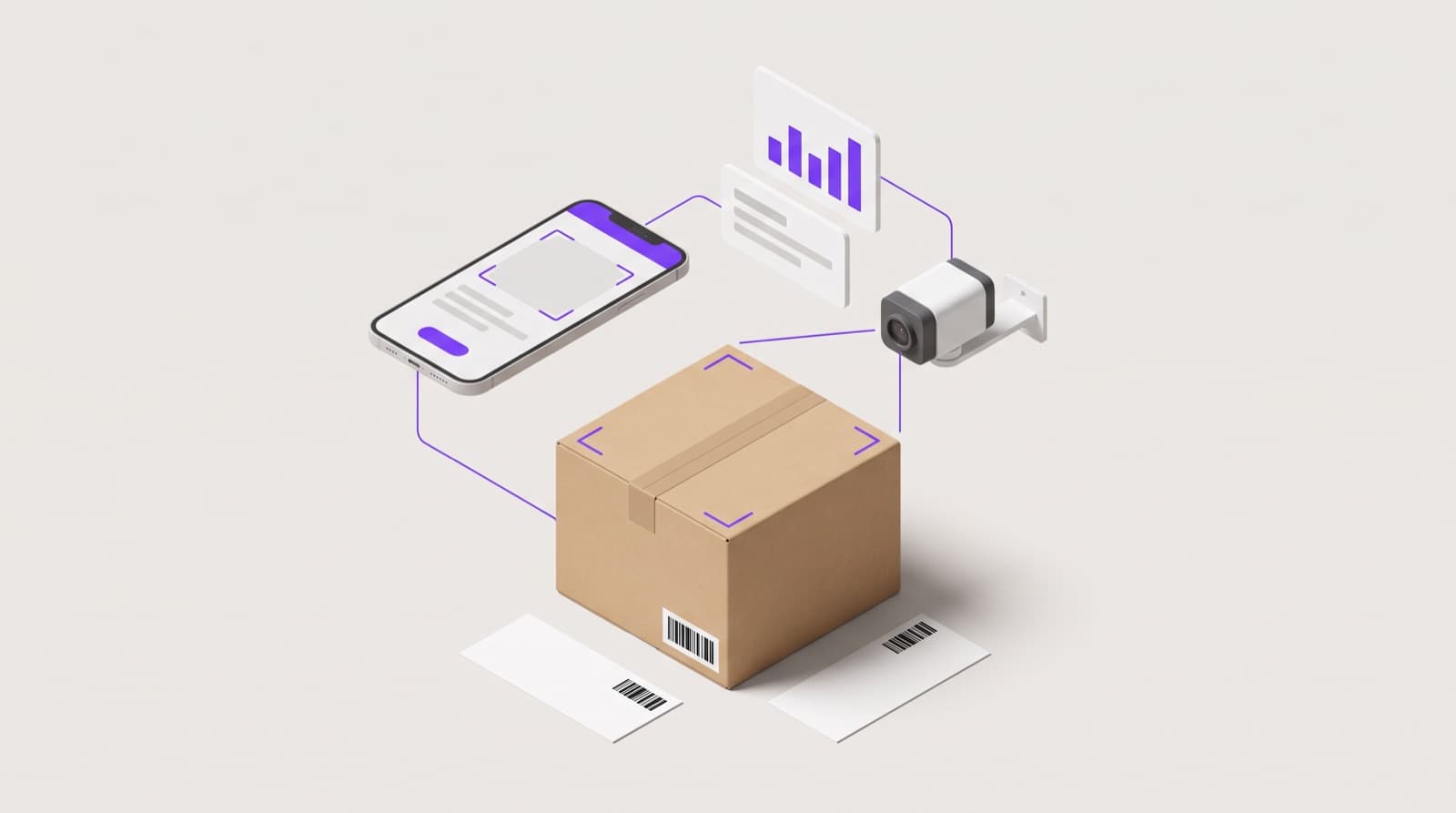
Healthcare operations are more complex than ever. Hospitals and clinics manage thousands of products every day, from surgical gloves to high-cost implants. Ensuring that these supplies reach the right place at the right time is no longer just an operational task, it directly affects patient care and safety.
The global healthcare supply chain management market is growing fast. It is projected to rise from USD 4.52 billion in 2026 to USD 11.35 billion by 2034, a compound annual growth rate of 12.2%. North America remains a key player, but Asia-Pacific is catching up quickly, driven by expanding healthcare infrastructure and digital adoption.
Technology is reshaping healthcare logistics and supply chain management. Cloud-based platforms, real-time tracking, and predictive analytics help hospitals reduce waste, prevent stockouts, and manage costs more effectively.
Investments in supply chain efficiency are no longer optional. A smooth, well-coordinated flow of medical products keeps operations running, protects margins, and ensures patients receive care when and where they need it.
In this blog, we will explore how supply chains support healthcare operations and why they have become essential for improving efficiency, controlling costs, and delivering better patient care.
Key Takeaways
• Healthcare supply chain management plays a critical role in patient care. Hospitals depend on efficient supply chains to ensure that essential medical products are always available when clinicians need them. • End-to-end visibility improves operational efficiency. Real-time tracking of procurement, inventory, and distribution helps healthcare organizations avoid stockouts and ensure supplies move smoothly across departments. • Technology is transforming healthcare supply chains. Tools such as AI forecasting help hospitals predict demand, monitor inventory, and streamline logistics operations. • Data-driven decision-making reduces costs and waste. Healthcare supply chain analytics allows organizations to optimize purchasing, detect slow-moving inventory, and prevent expired or excess stock. • PackageX helps digitize healthcare logistics. Vision AI and mobile scanning capture shipment and inventory data in real time, helping hospitals maintain accurate, efficient supply operations.
What is Healthcare Supply Chain Management?
Healthcare supply chain management is the process of planning, sourcing, storing, and delivering medical products to healthcare providers when needed. It covers the movement of supplies from manufacturers and distributors to hospitals, clinics, and ultimately to the patient’s bedside.
In practice, supply chain management in healthcare connects several key functions. Procurement teams work with suppliers to purchase medicines, medical devices, and equipment. Inventory management systems track stock levels across pharmacies, warehouses, and clinical departments. Logistics teams coordinate transportation, so supplies arrive on time and in the right quantities.
For example, a hospital performing surgeries every day must maintain steady access to surgical kits, implants, and sterilized instruments. If these supplies are delayed or mismanaged, patient care can quickly be affected.
Modern healthcare supply chain management also relies on integrated digital systems. When procurement, finance, and clinical data are connected, healthcare organizations gain better visibility into inventory, spending, and supplier performance, which supports both financial efficiency and patient care outcomes.
Key Components of Healthcare Supply Chain Management
A strong healthcare supply chain relies on several connected processes. Each one plays a role in making sure hospitals have the right products at the right time without driving up costs or creating waste. From sourcing suppliers to analyzing usage data, these components work together to support patient care and operational efficiency.
Procurement and Strategic Sourcing
Procurement is where healthcare supply chain automation begins. Hospitals must choose suppliers carefully because the quality and reliability of supplies directly affect patient safety.
Most organizations evaluate vendors using a simple framework:
- Cost: The total price of supplies, including shipping and storage
- Capability: Whether the supplier meets healthcare quality standards
- Capacity: The ability to deliver large volumes during high demand
- Compliance: Adherence to healthcare regulations and safety requirements
Strategic sourcing goes a step further. Instead of buying products case by case, hospitals build long-term contracts with trusted vendors. This approach helps hospital supply chain management in healthcare reduce costs and maintain consistent supply levels.
Inventory and Warehouse Management
Once supplies arrive, effective healthcare supply chain inventory management becomes critical. Hospitals manage thousands of items, from basic bandages to specialized surgical implants.
Modern systems track inventory in real time using barcodes or RFID technology. These tools help supply teams:
- Monitor stock levels across departments
- Maintain par levels so essential items never run out
- Track expiration dates for medications and sterile supplies
Smart inventory practices reduce waste and prevent shortages. They also support healthcare supply chain analytics data management, which gives managers better insight into how supplies are used across departments.
Logistics and Distribution
Getting supplies to the right location quickly is another key part of logistics and supply chain management in healthcare. Many medical products require careful handling and controlled environments.
For example, vaccines and certain medications rely on cold-chain logistics, in which the temperature must stay within a specific range from the manufacturer to the hospital. A small delay or temperature change can make these products unusable.
Healthcare logistics teams focus on:
- Shipment tracking and delivery monitoring
- Efficient warehouse distribution
- Reliable last-mile delivery to hospitals and clinics
Strong healthcare logistics and supply chain management ensure that products arrive safely and are available when clinicians need them.
Analytics and Data Management
Data is becoming the backbone of modern supply chains. With advanced tools, hospitals can analyze purchasing patterns, track product usage, and predict future demand.
Through healthcare supply chain analytics data management, organizations can:
- Forecast supply needs based on patient volumes
- Identify slow-moving inventory
- Detect purchasing patterns that increase costs
Real-time dashboards also support supply chain risk management in healthcare. If a supplier delay or shortage appears likely, teams can respond early and avoid disruptions that affect patient care.
The Role of Technology in Healthcare SCM
Technology has changed how hospitals manage supplies. In the past, many healthcare facilities relied on disconnected systems. That approach often led to delays, stock shortages, or wasted inventory. Modern healthcare supply chain management software helps address these problems by bringing data and processes into a single system.
Cloud Platforms Improve Visibility
Cloud-based supply chain management software that healthcare systems use today connects procurement, real-time inventory tracking, and keeps all data in one place. This means supply chain teams and clinicians can see the same information at the same time.
For example, if a hospital orders surgical gloves, the system records the purchase, updates inventory levels, and logs the expense instantly. This shared view helps teams avoid duplicate orders and respond quickly when supplies run low.
Smart Technologies Reduce Risk
New technologies also make supply chains faster and more reliable.
- Artificial intelligence (AI) helps forecast demand by analyzing patient volumes and historical usage.
- Internet of Things (IoT) sensors track the location and condition of sensitive items such as vaccines or blood products.
- Blockchain improves traceability by creating secure records of product movement.
- Automation speeds up tasks like purchase orders, invoice matching, and inventory updates.
Benefits of Supply Chain Management in Healthcare
Effective supply chain visibility in healthcare helps hospitals deliver better care while keeping operations efficient. When supplies move smoothly from suppliers to hospitals, clinicians can focus on treating patients instead of searching for missing equipment.
Reduces Waste and Prevents Shortages
Hospitals use thousands of items daily, from surgical tools to medications. Poor inventory control can lead to expired products or critical stockouts. Strong healthcare supply chain inventory management tracks usage and stock levels in real time, helping facilities reorder supplies before they run out while avoiding excess inventory.
Controls Costs and Improves Efficiency
One of the major benefits of supply chain management in healthcare is cost control. Hospitals spend a large share of their budgets on medical supplies. Integrated systems connect procurement, inventory, and finance data, helping organizations monitor spending, reduce duplicate orders, and negotiate better supplier contracts.
Improves Patient Care and Compliance
The importance of supply chain management in healthcare is clear when clinicians have the right tools at the right time. Efficient systems also support regulatory compliance through accurate tracking of products, recalls, and expiration dates. This highlights the real value of supply chain management in healthcare.
Challenges in Healthcare Supply Chain Management
Even with modern tools, healthcare organizations face significant supply chain management in healthcare challenges. Systems are often fragmented, and operational visibility is limited.
Fragmented Systems and Siloed Data
Poor integration across ERP and inventory tools creates disconnected workflows.
- Inventory data sits in separate systems, making it hard to track real-time supply levels.
- Clinicians may record product usage in one system, while purchasing sees orders in another.
- Lack of visibility slows decision-making and increases the risk of errors.
Stockouts and Uncontrolled Spending
Poor visibility often leads to operational problems such as:
- Stockouts of critical medical supplies during procedures
- Expired products sitting unused in storage rooms
- Rogue spending, where departments buy items outside approved supplier contracts
Industry studies suggest hospitals can lose millions each year from expired inventory and off-contract purchasing.
Legacy Infrastructure and Integration Gaps
Outdated systems make it difficult to unify data or adopt automation.
- Many hospitals rely on legacy software that cannot support modern healthcare supply chain analytics.
- Systems that cannot communicate hinder proactive planning and supply chain risk management in healthcare.
- Staff spend more time reacting to shortages or delays instead of preventing them.
Best Practices to Optimize Healthcare Supply Chains
Data Integration and Unified Platforms
One of the most effective ways to improve hospital supply chains is through centralized data. Unified platforms bring together procurement, inventory, and clinical operations into a single view.
For example, a dashboard can show stock levels in real time across multiple departments. This visibility helps supply chain teams respond quickly to shortages or shifts in patient demand. Hospitals using integrated platforms have reported up to 20% reduction in emergency orders because they can anticipate needs before supplies run low.
Supplier Relationship and Diversification
Relying on a single supplier can be risky. Multi-sourcing strategies spread that risk across several vendors. A hospital sourcing surgical gloves from multiple manufacturers is less likely to face stockouts if one factory experiences delays. Collaborative relationships with suppliers also improve reliability. Regular check-ins, performance scorecards, and joint planning help both sides anticipate challenges and respond faster.
Lean and Resilient Processes
Lean approaches reduce waste and streamline operations. Practices like just-in-time inventory and standardized procedures keep costs down while maintaining quality. Hospitals that implement lean supply chain operations can cut excess stock by 15–25%. Resilient processes also matter. Rapid response plans for emergencies, such as sudden surges in ICU demand, ensure that critical supplies are always available.
Cross-Functional Collaboration
Supply chain optimization is not just a logistics problem. Finance, operations, and clinical teams must work together. Aligning priorities prevents duplicated orders and ensures purchasing decisions support both patient care and cost efficiency. For example, when the finance team collaborates with clinical leaders, they can standardize high-use items across departments, saving money while keeping staff equipped.
Healthcare Supply Chain Analytics & Risk Management
Hospitals and health systems are increasingly using data to stay ahead of supply challenges. Key approaches include:
- Predictive Analytics for Demand Forecasting: By analyzing historical usage, seasonal trends, and clinical schedules, teams can forecast what supplies will be needed and when. For example, a hospital can anticipate PPE demand during flu season, reducing last-minute shortages and emergency orders.
- Scenario Modeling for Budget Planning: Supply chain and finance teams simulate potential disruptions such as delayed shipments, price spikes, or patient surges. These models reveal financial and operational impacts, allowing hospitals to adjust budgets, reorder points, and staffing proactively.
- Risk Reduction & Inventory Control: Integrating analytics with inventory management minimizes stockouts, reduces emergency orders, and prevents contract leakage. Hospitals advancing healthcare supply chain analytics data management alongside risk management see better cost control, smoother logistics operations, and improved patient care reliability.
The Future of Healthcare Supply Chain Management
The future of healthcare SCM is being shaped by technology and smarter processes. Hospitals and health systems are turning to tools that anticipate needs rather than react to shortages.
- Vision AI scanning is helping predict supply demand before shortages occur. For example, some hospitals now use predictive analytics to forecast during flu season, reducing emergency orders and wasted inventory.
- Sustainability and resilience are becoming core priorities. Health systems are building networks that can adapt to disruptions, comply with regulations, and minimize environmental impact. Diversifying suppliers and planning for emergencies are now standard practices.
- Cloud-enabled platforms allow hospitals to scale efficiently. They integrate procurement, inventory, and finance into a single system, giving leaders real-time insights and improving operational decision-making across multiple facilities.
These trends show that healthcare logistics and supply chain management is moving toward smarter, more connected, and proactive operations.
Streamline Healthcare Supply Chain Management with PackageX
PackageX helps healthcare organizations bring visibility and control to complex supply operations by turning physical inventory movements into structured, real-time data.
- Smart Receiving for Medical Supplies: Instantly capture package labels, packing slips, and shipment details as supplies arrive at hospital loading docks. Vision AI automates receiving workflows and reduces manual entry errors.
- Mobile Scanning with Vision SDK: Equip staff with smartphone-based scanning to record deliveries, track medical inventory, and document package conditions across pharmacies, labs, and clinical departments.
- Real-Time Operational Visibility: From central receiving to departmental storage, PackageX provides accurate tracking and automated data capture, helping hospitals reduce lost items, improve inventory accuracy, and keep essential supplies available for patient care.
FAQs
Why is supply chain management important in healthcare?
Healthcare supply chain management is vital for patient safety, cost efficiency, and operational reliability. Proper SCM prevents stockouts, ensures the timely delivery of critical supplies, and helps hospitals manage expenses. It directly impacts both care quality and financial performance.
What are the key challenges in healthcare supply chain management?
Healthcare supply chains face challenges like inventory visibility gaps, regulatory compliance, and reliance on multiple vendors. Disruptions can delay critical supplies or increase costs. Addressing these challenges requires data-driven planning, automation, and strong supplier relationships.
How does healthcare supply chain management work?
Healthcare supply chain management oversees the journey of supplies, equipment, and medications from suppliers to patient care areas. It ensures the right items are in the right place at the right time. Efficient management helps reduce costs, prevent shortages, and support smooth hospital operations.