In supply chain management, moving goods effectively makes the difference between profit and loss. While reverse logistics, or returns, often gets attention for its complexity, forward logistics drives any business. This is the essential flow of products from origin to consumption. It is the process that generates revenue.
If your forward logistics are slow, expensive, or unclear, your customer experience suffers right away. In 2026, consumers prioritize delivery reliability over speed. Mastering this flow is a key part of your strategy. The global logistics market is projected to hit USD 13.3 trillion by 2027. This highlights the immense scale and opportunity across logistics operations.
Below, we will explain what forward logistics is, how it differs from reverse flows, and how you can improve every stage, from the factory floor to the customer's front door.
Key Takeaways
• Definition: Forward logistics refers to the movement of goods from the origin to the consumer. Its goal is to deliver value and generate revenue. • Core Flow: This process includes procurement, inbound transport, warehousing, order processing, and last-mile delivery. • Efficiency: Improving this flow increases inventory turnover, protects margins, and enhances brand reputation. • Forward vs. Reverse: Forward logistics is predictable and involves a one-to-many approach, while reverse logistics is reactive and follows a many-to-one pattern. • How PackageX Helps: Vision AI powered solutions by PackageX digitize documentation to eliminate bottlenecks in the forward supply chain.
What Is Forward Logistics?
Forward logistics is the process of planning, implementing, and controlling the flow of goods from the point of origin, like manufacturers or suppliers, to the point of consumption, which is the end customer.
It covers the entire lifecycle of a product from conception to market. This includes sourcing raw materials, manufacturing, warehousing, order fulfillment, and final delivery. The main goal of forward logistics is to deliver the right product to the right place at the right time while keeping costs low.
In a modern forward logistics supply chain, efficiency is crucial. Any delay in this chain, whether it occurs at a port, a distribution center, or in a delivery van, directly impacts cash flow and customer satisfaction.
Forward Logistics Flow in the Supply Chain
The forward logistics flow is a linear progression, but it requires synchronization across multiple stakeholders. A breakdown in one stage ripples through the rest.
Key Stages of Forward Logistics Flow
- Procurement and Sourcing: The journey begins with acquiring raw materials or finished goods. Effective forward logistics depends on accurate demand forecasting to ensure suppliers produce exactly what is needed.
- Inbound Transportation: This involves moving materials from suppliers to your facility. It often includes freight forwarders and complicated customs clearance for international goods.
- Warehousing and Inventory Management: After goods arrive, they must be stored efficiently. Modern warehouse management ensures inventory is accessible and ready for quick picking.
- Order Processing: This is the "heartbeat" of the flow. When an order is placed, items are picked, packed, and labeled. Speed and accuracy are crucial to meeting SLA (Service Level Agreement) deadlines.
- Outbound Shipping & Last-Mile Delivery: This is the final stage. Goods are handed off to carriers for delivery to the customer. This stage often makes up the majority of logistics costs.
Throughout this flow, visibility is non-negotiable. Real-time tracking ensures that if a shipment is delayed at stage 2, the team at stage 4 is notified immediately.
Freight Forward Logistics and Transportation Management
For many businesses, the middle mile of forward logistics involves moving goods across borders or long distances. This is where freight forward logistics is important.
Freight forwarders manage transport. They do not move the cargo themselves; instead, they coordinate the logistics network. They negotiate rates with ocean carriers, book air freight space, and handle the extensive compliance paperwork required for international trade.
- Domestic vs. International : While domestic forward logistics might use a simple truckload (FTL) or less-than-truckload (LTL) network, international flows require multimodal transport (Ship, Rail, Truck).
- Cost Optimization : Effective transportation management involves consolidating shipments to lower costs and choosing the right carrier mix to balance speed and price.
Without strong freight forwarding partners, your forward logistics supply chain can become a bottleneck filled with hidden fees and customs delays.
Forward Logistics Explained: The Business Context
To truly understand forward logistics, it helps to view it through the lens of business objectives.
- Objective: The goal is revenue generation. You are fulfilling a promise to the customer.
- Direction: The flow is divergent. Large bulk shipments from a factory are broken down into smaller units (pallets, cases, individual items) as they move closer to the customer.
- Predictability: Forward logistics is generally predictable. You control the order volume through marketing and sales, and you schedule the shipments.
In contrast, reverse and forward logistics must coexist. While forward logistics drives sales, an efficient process here actually reduces the burden on reverse logistics. If you ship the right item on time without damage (perfect forward execution), the customer has no reason to initiate a return.
Difference Between Forward and Reverse Logistics
While both involve moving goods, forward logistics vs reverse logistics operate with opposing goals and constraints.
| Feature | Forward Logistics | Reverse Logistics |
|---|---|---|
| Flow Direction″ | Origin to Customer (One-to-Many) | Customer to Origin (Many-to-One) |
| Primary Goal | Product Delivery & Revenue | Value Recovery & Asset Disposition |
| Demand | Predictable (Forecasting) | Unpredictable (Reactive) |
| Packaging | Uniform & Pristine | Damaged or Irregular |
| Inventory | Standardized SKUs | Mixed conditions (New, Used, Scrap) |
| Speed Priority | High (Customer waiting) | Medium (Cost control focus) |
Understanding the differences between forward and reverse logistics enables businesses to allocate resources effectively. You cannot run returns management with the same high-speed, linear processes used for outbound fulfillment, it requires a more flexible, inspection-heavy approach.
Forward Logistics Examples
Real-world scenarios highlight how critical this process is.
- E-commerce Fulfillment: A customer orders a pair of shoes. Forward logistics covers the journey from the manufacturer in Vietnam to a 3PL warehouse in Ohio, and finally to the customer's doorstep in New York.
- Retail Replenishment: A grocery chain predicts a spike in pumpkin sales for October. Their forward logistics strategy ensures that pallets of pumpkins move from farms to regional distribution centers weeks in advance, arriving at stores just as the season begins.
- Automotive Manufacturing: A car plant needs 500 steering wheels daily. Forward logistics ensures these parts arrive "Just-in-Time" (JIT) from suppliers, minimizing storage costs at the factory.
In all forward logistics examples, the common thread is planning. Unlike returns, which happen randomly, forward logistics is a choreographed dance.
How Forward Logistics Impacts Business Performance
Your forward logistics supply chain is a direct driver of your bottom line.
- Customer Satisfaction: 76% of shoppers say a positive delivery experience influences their decision to repurchase. If your forward logistics fail (late or damaged delivery), you lose lifetime value.
- Margin Protection: Inefficient routing or poor carrier selection bleeds profit. Optimizing forward flow reduces the "cost to serve" for every unit sold.
- Inventory Turnover: Fast forward logistics means goods spend less time sitting in a warehouse (dead capital) and more time reaching customers (revenue).
- Brand Reputation: In the age of social media, "fast shipping" is a marketing claim. Your logistics operations are the team responsible for backing up that claim.
How PackageX Can Help Optimize Forward Logistics
PackageX helps teams modernize their forward logistics workflows with visibility, accuracy, and automation built into daily operations.
Real-Time Digital Visibility
PackageX integrates with your existing systems and logistics APIs to capture shipment data at the point of action. Every scan updates downstream systems instantly, giving you real-time visibility into packages, shipments, and exceptions, so issues get fixed before they cascade.
Smarter Distributed Inventory Execution
PackageX ensures inventory movements are recorded correctly across forward-stocking locations. This enables better inventory placement decisions, reduces last-mile delivery time, and lowers fulfillment costs without adding process complexity.
Automated Label and Data Capture
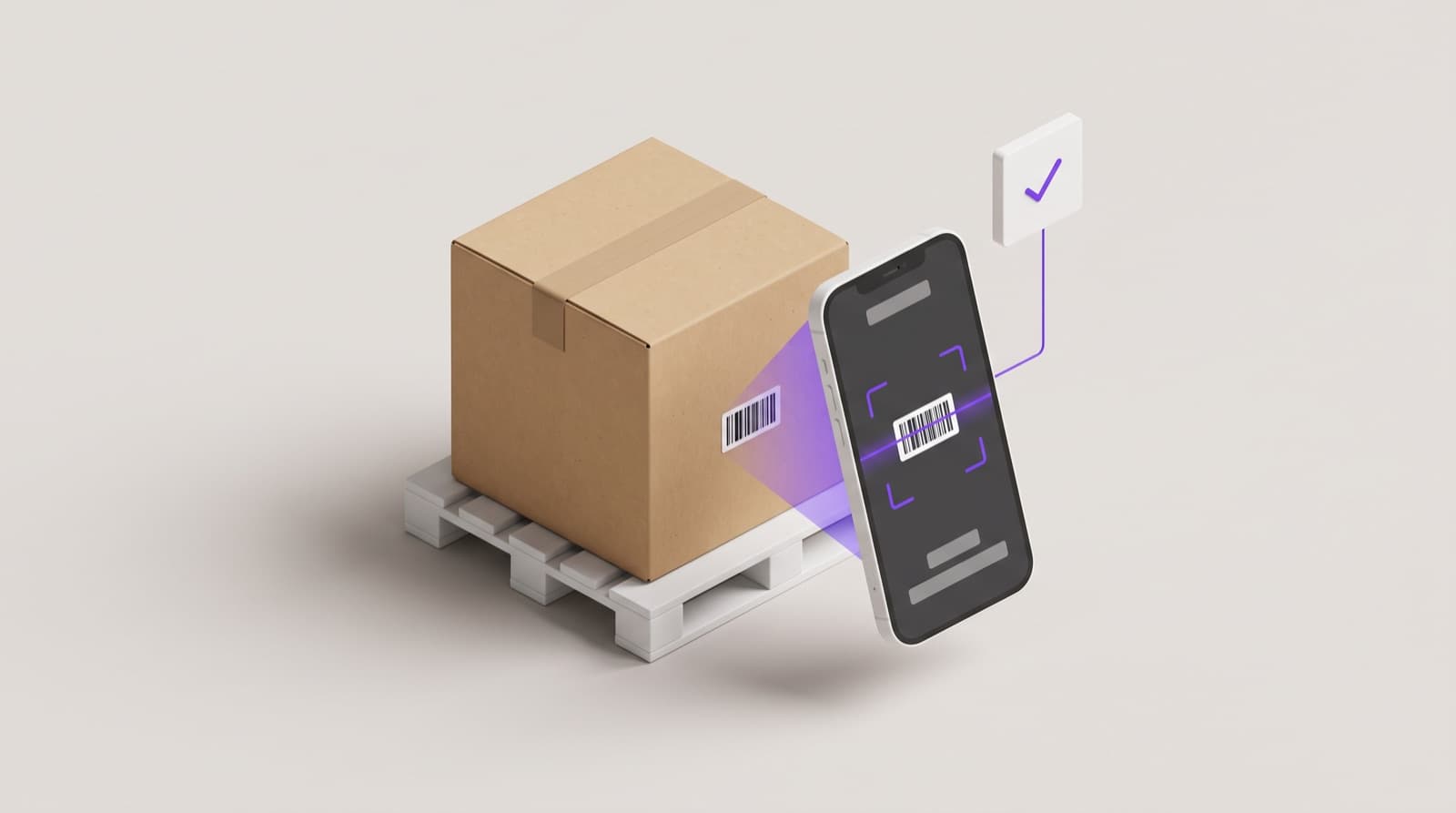
PackageX uses high-accuracy OCR scanning to digitize shipping labels instantly. No manual entry. No delays. Label data flows directly into your systems, accelerating carrier handoffs, reducing errors, and keeping forward logistics moving at speed.
Forward Logistics vs Reverse Logistics: Why Both Matter
While this guide focuses on forward logistics, ignoring the reverse loop is dangerous.
A strong forward process is the best defense against reverse logistics costs. By improving order accuracy (sending the right item) and packaging quality (preventing damage), you drastically reduce return rates.
However, businesses must manage both. Forward and reverse logistics should share data. If a specific product is frequently returned due to damage, that data should feed back into the forward logistics team to adjust packaging or carrier selection. The two systems must "talk" to each other to create a resilient supply chain.
Conclusion: Building a Resilient Forward Logistics Strategy
Forward logistics is the artery of your business. It connects your product to your customer.
In 2026, the winners will be the teams with the strongest flow. By investing in real-time visibility, understanding the nuances of forward logistics, and continuously refining transportation and fulfillment networks, businesses can build a competitive advantage that is hard to copy. Platforms like PackageX make this possible by turning physical logistics events into accurate, actionable data at the point where work happens.
FAQs
What are the main activities in forward logistics?
The main activities include procurement of materials, inbound transportation, warehousing, inventory management, order picking and packing, and outbound shipping to the final customer.
How does forward logistics differ from reverse logistics?
Forward logistics moves goods from the seller to the buyer to generate revenue. Reverse logistics moves goods from the buyer back to the seller for returns, repairs, or recycling.
Why is visibility important in forward logistics?
Visibility allows businesses to track shipments, predict delays, and manage customer expectations. Real-time data helps prevent stockouts and ensures that promised delivery dates are met.
What role does a freight forwarder play?
A freight forwarder acts as an intermediary that arranges the transportation of goods. They handle the logistics of moving cargo (booking space, customs documentation, insurance) without actually moving the goods themselves.