A single hour outside the right temperature can wipe out a pallet of vaccines. The same risk applies to insulin, blood products, biologics, and fresh food. That is why cold chain logistics sits at the center of modern healthcare and global trade.
Temperature-sensitive supply chains are growing faster than any other logistics segment. Pharmaceutical manufacturers, hospitals, food distributors, and public health programs all depend on them to protect product integrity from origin to point of use.
The market reflects how high the stakes are. The global cold chain logistics market is expected to grow from USD 429.1 billion in 2026 to USD 1.37 trillion in 2035, at a 13.8% CAGR. Biologics, vaccines, and perishables are driving most of that growth.
For supply chain leaders in pharma, food, and healthcare, cold chain logistics decides whether products reach patients intact or arrive worthless. This guide explains what cold chain logistics is, how the system works, where it breaks, and how technology is reshaping it.
Key Takeaways
• Cold chain logistics spans three temperature bands: refrigerated (2 to 8°C), frozen (-15 to -25°C), and ultra-cold (-70°C). • Handoffs and last-mile delivery are the weakest links, where most thermal excursions and product losses happen. • FDA, WHO GDP, and regional standards shape every cold chain decision, from packaging to documentation. • IoT sensors, data loggers, and AI analytics shift teams from reactive damage control to proactive prevention. • PackageX adds Vision AI scanning, real-time exception alerts, and WMS integration to catch issues before storage.
What is Cold Chain Logistics? Core Definition & Scope
Cold chain logistics is a temperature-controlled supply chain that moves perishable or temperature-sensitive products from origin to the end user without deviating from the required temperature range. The flow covers production, storage, transport, and final delivery.
Cold supply chain logistics differ from general supply chain logistics in one critical way. Standard supply chains care about speed and cost. Cold chains care about temperature first, then everything else. A delay matters less than a thermal excursion.
Three industries depend on cold chain supply logistics most heavily:
- Pharmaceuticals: Vaccines, biologics, insulin, mRNA therapies, and gene therapies all require strict thermal control.
- Food and beverage: Fresh produce, dairy, meat, seafood, and frozen products all need temperature integrity from field to fork.
- Healthcare: Blood products, organs, diagnostic samples, and clinical trial materials run on the same cold chain backbone as vaccines.
The core concept that ties all three together is end-to-end temperature control. Every handoff between manufacturer, warehouse, carrier, and clinic must keep the product inside its required range. A single failure at any link compromises the entire chain.
Cold Chain and Logistics Management: How the System Works
Cold chain and logistics management run as a coordinated end-to-end workflow. The flow has four core stages:
- Manufacturing: Products leave the plant under controlled temperature, often in validated, insulated packaging.
- Storage: Refrigerated or freezer warehouses hold the product between transit legs, with temperature zones matched to each SKU.
- Transport: Reefer trucks, refrigerated air containers, and temperature-controlled sea reefers move products across the network.
- Last-mile delivery: Insulated cold boxes, mobile fridges, and trained handlers complete the trip to the clinic, store, or patient.
Coordination between stakeholders is what makes cold supply chain logistics work. Manufacturers, 3PLs, carriers, regulators, and end users all share temperature data, planning information, and compliance reports.
Planning and monitoring tools tie the chain together. Modern operations rely on real-time tracking, validated temperature logs, and quality assurance protocols to spot deviations early. Compliance with FDA, WHO, GDP, and other regional standards is non-negotiable.
Cold Chain Logistics Warehouse & Storage Systems
A cold chain logistics warehouse is the backbone between transport legs. Without reliable storage, every other part of the chain breaks down. Cold storage facilities play a central role in pharma supply chains, where validation, redundancy, and zoning all matter.
Three warehouse types cover most cold chain needs:
- Refrigerated warehouses: Hold products at 2-8°C, the standard range for most vaccines and many biologics.
- Frozen warehouses: Operate between minus 15 and minus 25 degrees Celsius for frozen drugs, food, and certain biological materials.
- Ultra-low temperature storage: Reach minus 70 degrees Celsius or colder for mRNA vaccines, advanced biologics, and certain gene therapies.
Infrastructure requirements are demanding. Walls and ceilings need industrial-grade insulation. Backup power systems must kick in instantly during outages. Temperature zoning keeps products with different needs apart in the same facility.
Warehouse failures break the entire cold chain. A power loss, refrigeration unit breakdown, or unmonitored excursion can destroy inventory worth millions and trigger costly recalls.
Cold Chain Logistics Services & Transportation Systems
Cold chain logistics services cover every leg of transport plus the value-added work around it. The right mix depends on product type, distance, and time sensitivity.
Three transport modes carry most cold chain freight:
- Refrigerated trucking: Reefer trucks handle regional and cross-country distribution for pharma, food, and clinical samples.
- Air freight cold chain: Temperature-controlled air containers transport high-value, time-critical products such as vaccines and biologics across continents.
- Sea freight reefers: Refrigerated shipping containers handle bulk cold chain volumes, especially for the food and beverage trade.
Service provider roles in pharma distribution have grown beyond moving freight. Modern 3PLs offer cold storage, temperature monitoring, customs handling, and last-mile delivery as integrated packages.
Integrated logistics partners reduce handoffs, which is where most cold chain failures occur. Fewer transfers between systems means fewer chances for a thermal excursion or a documentation gap.
Risk management during transport is built into every service. Pre-cooled containers, validated packaging, GPS tracking, and onboard temperature loggers all protect the product. Service quality directly determines product integrity at delivery.
Cold Chain Logistics Vaccines & Pharmaceutical Applications
Cold chain logistics for vaccines are the most demanding application in the entire field. The wrong temperature for even a short window can destroy potency, and lost potency cannot be restored.
Vaccines and pharmaceuticals run on three main temperature bands:
- Refrigerated range (2 to 8 degrees Celsius): Covers most standard vaccines, insulin, and many biologics.
- Frozen range (minus 15 to minus 25 degrees Celsius): Used for live attenuated vaccines and certain lyophilized products.
- Ultra-cold range (minus 70 degrees Celsius and below): Required for mRNA vaccines, certain gene therapies, and advanced biologics.
Pharmaceutical examples that depend on cold chain integrity include the COVID-19 mRNA vaccines, insulin used by millions of people with diabetes, biologic cancer therapies, and emerging gene therapies that can cost hundreds of thousands of dollars per dose.
Healthcare systems depend on cold chain reliability for every immunization program, blood bank, and clinical trial. When the chain holds, lives are protected. When it breaks, patients pay the price.
Technology in Cold Chain Logistics (IoT, Tracking & Monitoring)
Modern cold supply chain logistics operations run on connected technology that catches problems before they ruin a shipment. The core stack now includes:
- IoT sensors: Track temperature, humidity, light, and shock in real time across trucks, pallets, and packages.
- GPS tracking: Show exactly where every shipment is and when it will arrive.
- Data loggers: Record continuous temperature data for audit trails and regulatory compliance.
- Alert systems: Fire instant notifications when temperatures drift outside safe ranges.
- Predictive analytics: Flag at-risk shipments before they reach an excursion, using historical data and route conditions.
Healthcare Cold Chain Logistics Market Overview
The healthcare cold chain logistics market is one of the fastest-growing segments in the global supply chain. Biologics and vaccines are pulling the curve sharply upward.
Three forces drive the growth:
- Vaccine distribution programs: Routine immunization, pandemic preparedness, and global health initiatives keep demand high year-round.
- Aging populations: More chronic disease care means more insulin, biologics, and temperature-sensitive therapeutics in distribution.
- Biotech and cell therapy growth: New mRNA, gene, and cell therapies require ultra-cold infrastructure that did not exist a decade ago.
Market expansion creates real investment opportunities. New cold storage capacity, sensor networks, and last-mile innovation are all attracting capital from logistics providers, pharma companies, and infrastructure investors.
Key Challenges in Cold Chain Logistics
Cold chain logistics is high-stakes by nature. Six challenges show up across most operations:
- Weak-link failures: A single bad handoff can compromise an entire shipment. The chain is only as strong as its weakest point.
- Last-mile delivery risks: Once a vaccine leaves cold storage, delays from terrain, traffic, or weather can ruin it.
- Environmental fluctuations: Heat waves, cold snaps, and humidity spikes test even validated packaging.
- High infrastructure costs: Refrigerated warehouses, reefer fleets, and monitoring systems carry heavy capital and operating costs.
- Infrastructure gaps in developing regions: Industry reports and data show that 30% of countries lack adequate refrigeration capacity, putting roughly 2.7 billion people at risk of vaccine access gaps.
Best Practices for Cold Chain & Logistics Management
Strong cold chain and logistics management come down to five practices:
- Invest in infrastructure: Reliable cold storage, validated packaging, and backup power are non-negotiable.
- Deploy real-time monitoring: IoT sensors and data loggers give teams the visibility to act before a shipment fails.
- Use validated packaging: Match insulation, phase-change materials, and dry ice to the route and product.
- Train staff thoroughly: Handling errors at the dock or on the truck causes more excursions than equipment failures.
- Build a compliance system: Document every step, automate inventory audit trails, and stay current with regional regulations.
Where PackageX Fits in the Cold Chain
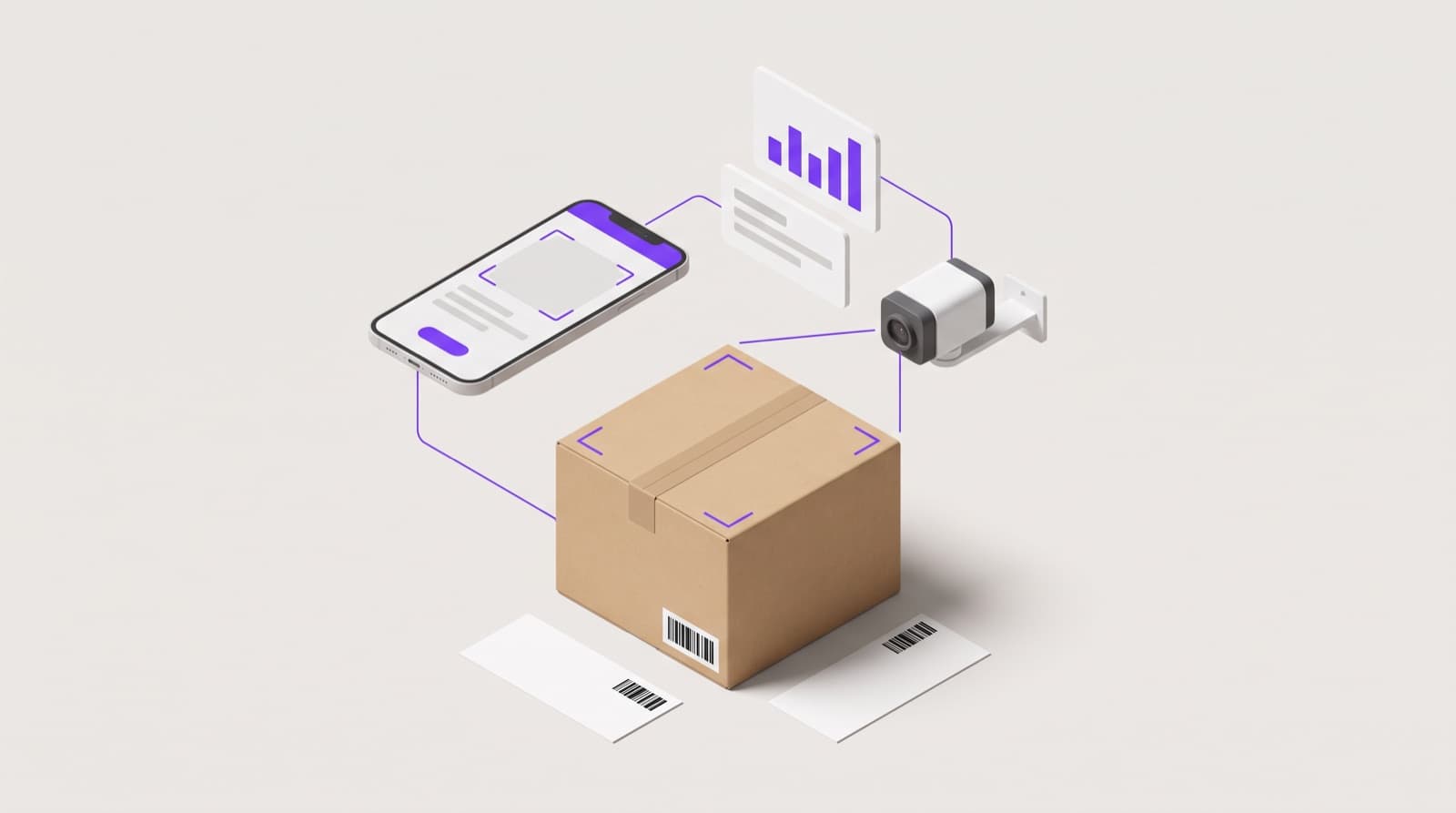
PackageX adds AI-powered data capture to that loop so cold chain teams react in real time:
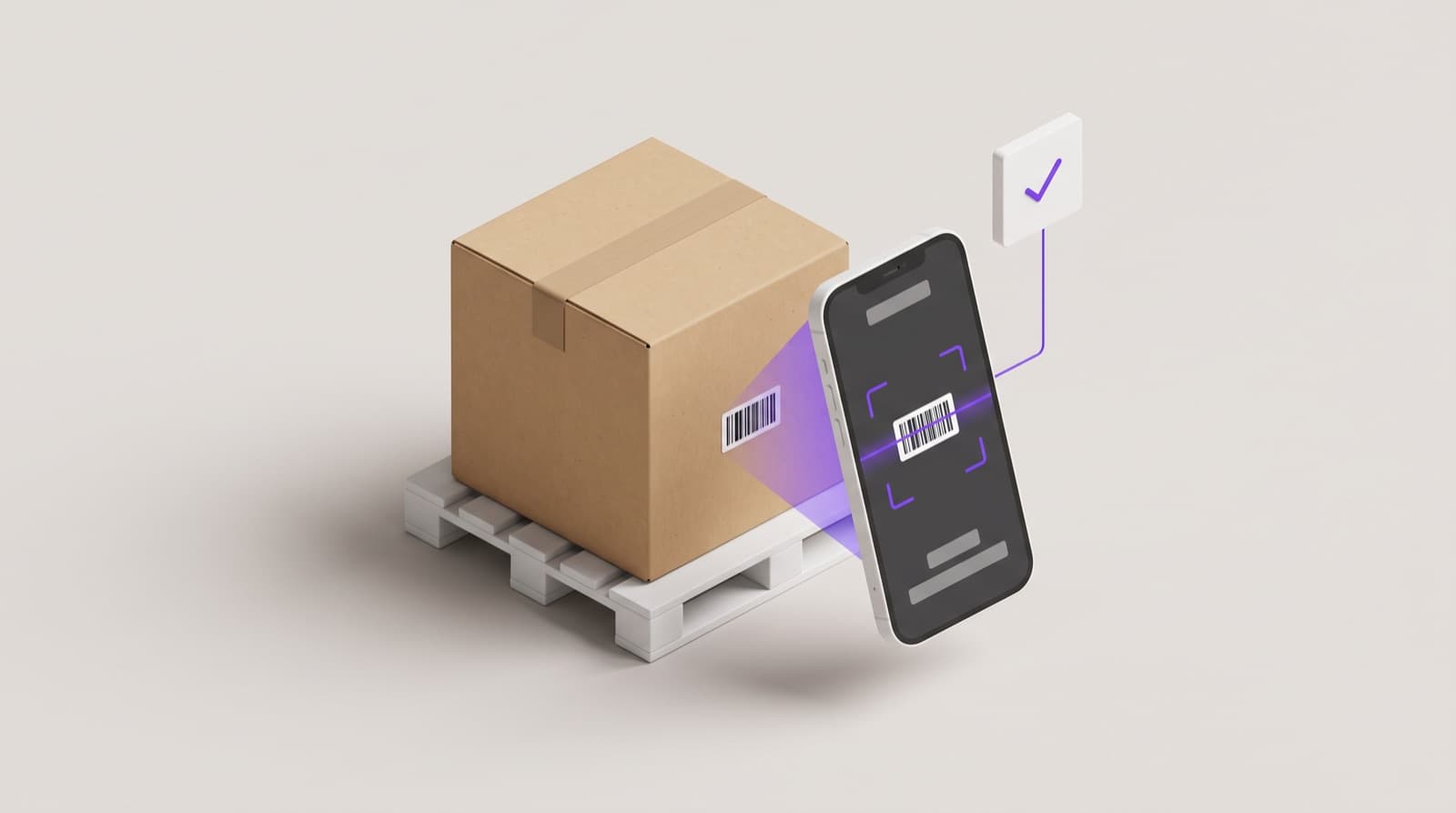
- Vision AI Scanning at receiving: Auto-detect SKUs, lot numbers, and expiration dates the moment a cold shipment hits the dock.
- Damage and exception alerts: Flag shorts, damaged packaging, or compromised shipments before they enter cold storage.
- WMS and ERP integration: Route pallets to the correct temperature zone through your existing systems, with a full audit trail.
- Configurable workflows: Support fully blind or partially blind receiving for high-value pharmaceutical shipments.
PackageX scales with single facilities or global pharma networks, cutting dock-to-stock time and protecting compliance from day one.
Frequently Asked Questions
Who is responsible for cold chain logistics?
Responsibility is shared across manufacturers, 3PLs, carriers, regulators, and end users. Manufacturers validate packaging and initial temperature. Carriers and 3PLs maintain temperature during transit and storage. Healthcare providers handle last-mile storage and administration. Regulators set standards and audit compliance.
What is the difference between a cold chain and a frozen chain?
A cold chain typically refers to refrigerated storage at 2 to 8 degrees Celsius, while a frozen chain operates at minus 15 to minus 25 degrees Celsius. Some products require ultra-cold conditions at minus 70 degrees Celsius or below. The right chain depends on the product's stability profile.
How long can vaccines stay outside refrigeration?
It depends on the vaccine. Most refrigerated vaccines have a limited window measured in hours once removed from cold storage. Some are stable longer at room temperature, while ultra-cold mRNA vaccines have only minutes to hours after thawing. Always follow the manufacturer's storage and handling guidance.
Conclusion: Future of Cold Chain Supply Logistics
Cold chain logistics has moved from a back-office function to a strategic capability. As biotech and personalized medicine grow, the products moving through the chain get more valuable and more fragile each year.
The next decade will reward operators who automate early. AI-driven monitoring, IoT sensors, and predictive analytics will define which networks scale and which ones leak.