Order picking is the single biggest cost line on most warehouse P&Ls. Picking accounts for around 55% of warehouse operating costs, and travel time alone eats half of picking labor. Every minute saved on the pick face adds up across millions of orders.
Ecommerce makes the math harder every year. Order volumes climb, SKU counts expand, and customers expect same-day shipping. Manual picking cannot keep up.
Modern operations blend smarter methods, automation, and AI. Some run batch and zone strategies with mobile carts. Others deploy AMRs, goods-to-person systems, and AI-driven slotting. The right mix depends on order profile, volume, and budget.
The market reflects the capital moving toward this shift. The global warehouse order picking market is forecast to reach USD 17.79 billion by 2030, at a 7.49% CAGR through 2025-2030. This guide covers the methods, technologies, and decision criteria you need to build a high-performance picking operation.
Key Takeaways
• Picking accounts for about 55% of warehouse operating costs, with travel time alone consuming half of picking labor. • Seven core methods, from manual to robotic, fit different volume and SKU profiles in modern warehouses. • Pick-to-light, voice, and vision systems regularly hit 99.9% accuracy and lift pick rates by 30 to 50%. • AI-driven slotting and dynamic re-slotting cut walking time by 15 to 30% over static ABC models. • PackageX adds Vision AI scanning, real-time exception alerts, and WMS integration to keep picking accurate at scale.
What Are Warehouse Picking Solutions?
Warehouse picking solutions are the systems, processes, and technologies that move SKUs from storage to the pack station. Manual carts, mobile scanners, AMRs, and full robotic cells all qualify. The right picking solutions for warehouse operations match order volume, SKU mix, and accuracy targets.
There is a difference between a picking strategy and a picking solution. The strategy is the method, like batch or zone picking. The solution is the technology stack that runs it, including the WMS, scanners, lights, voice systems, and robots.
The Warehouse Management System (WMS) orchestrates picking workflows end-to-end. It generates pick lists, assigns tasks, tracks inventory in real time, and feeds data to the rest of the fulfillment chain. Picking connects storage, packing, and shipping, and the WMS is the brain that keeps all three in sync.
Why Warehouse Picking Efficiency Matters
Picking efficiency moves the needle on every warehouse metric that finance cares about. Five impacts stand out:
- Labor cost: Picking labor can hit 30 to 50% of total distribution center labor. A 20% improvement in pick rate cuts picking labor costs by roughly 17%.
- Order cycle time: Faster picks shorten the gap between order placement and dispatch, which is what customers actually feel.
- Accuracy and customer satisfaction: Best-in-class operations hit 99.9% pick accuracy. Most fall between 97 and 98%, and over 35% of warehouses run with error rates above 1%.
- Inventory visibility: Real-time picking data keeps stock counts honest across plants, warehouses, and ecommerce channels.
- KPI impact: Units per hour, order accuracy, travel distance, and order fulfillment speed all live or die on picking design.
A single pick error can slash an order's profitability by up to 13%. That is why even small gains in accuracy compound fast across high-volume operations.
Types of Warehouse Picking Solutions
Seven picking methods cover most modern warehouse operations. Each one fits a different order profile and warehouse layout:
Manual Picking Systems
Workers pick orders one at a time using paper lists or RFID scanners. The setup is cheap and flexible, but slow and labor-heavy. It fits small operations or warehouses with low order volume and limited SKU complexity.
Batch Picking
Pickers handle multiple orders in one trip by grouping the same SKUs across orders. Travel time drops by 40-60% compared to single-order picking. The method works best for high-volume ecommerce warehouses with similar SKUs across many small orders.
Zone Picking
The warehouse is split into zones, each assigned to a picker. Workers stay in their zone, and partial orders move to a consolidation area for completion. Parallel picking across zones speeds throughput in warehouses with high SKU counts and complex orders.
Wave Picking
Orders are released in timed waves, aligned with carrier pickups or production schedules. Travel time drops by 30 to 45% compared to single order picking. Wave picking is the go-to method for operations that need to coordinate picking, packing, and shipping in one tight rhythm.
Cluster Picking
Pickers handle multiple orders on a single trip using a multi-tote cart, sorting items into each tote at the pick face. The method fits ecommerce warehouses with small parcel orders and frequent SKU overlap across orders.
Goods-to-Person Systems
AMRs, AS/RS units, or conveyor systems bring SKUs to a stationary picker. The picker stays at a workstation while inventory comes to them. Walking time drops to near zero. The method is capital-heavy but transformative for high-volume operations.
Robotic Picking Systems
AI vision-guided robotic arms pick individual items from totes, shelves, or conveyors. The technology is maturing fast, with Locus, Amazon Robotics, and Geek+ deploying at scale. Locus's Array robot, launched in 2026, automates up to 90% of shelf-picking and inventory replenishment tasks.
Pick-to-Light, Voice Picking & Assisted Technologies
Beyond the picking method, the technology guiding the picker drives accuracy and speed. Five tools dominate modern warehouses:
- Pick-to-light: LED displays on shelves show pickers what to grab and how many. Accuracy hits 99.9%, and pick rates climb 30 to 50%.
- Voice-directed picking: Headsets call out instructions, and pickers respond hands-free. The setup keeps workers focused and eyes on the product.
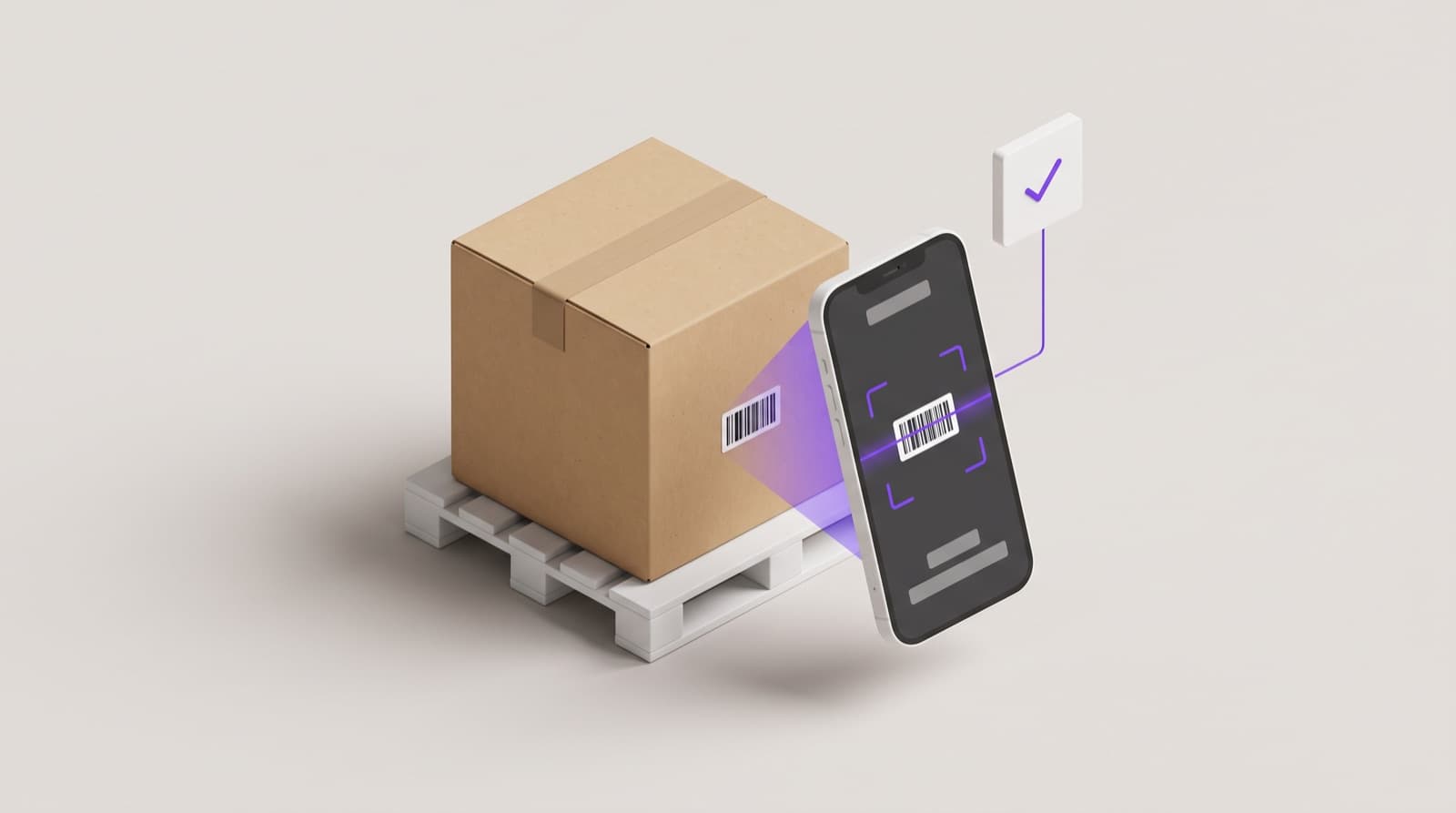
- Barcode, RFID, and vision scanning: Each captures pick data without manual entry. Vision systems read SKUs, labels, and damage in a single scan.
- Wearables and AR-assisted picking: Smart glasses and wristbands surface pick instructions in real time, freeing both hands and cutting cognitive load.
These technologies improve picking accuracy across the board. Warehouse automation technologies, layered with real-time inventory tracking, are now the baseline for operations that ship more than a few thousand orders per day.
Automated Warehouse Picking and Packing Solutions
Automated warehouse picking and packing solutions integrate multiple systems into a single end-to-end fulfillment flow. The full-stack setup usually includes:
- AMRs: Autonomous mobile robots move totes and pallets without fixed infrastructure.
- AS/RS: Automated storage and retrieval systems handle dense, vertical storage with robotic shuttles.
- Conveyor systems: Move totes between picking, packing, and shipping zones with no manual handling.
- Robotic arms: Pick items, place them in shipping cartons, and apply labels under AI vision control.
Packing automation extends the value of picking automation. After items reach the pack station, automated cartonization, dunnage insertion, label printing, and sealing close the loop. The result is an end-to-end fulfillment flow in which humans focus on exceptions rather than routine motions.
AI Warehouse Picking and Slotting Solutions
AI warehouse picking and slotting solutions are the differentiator that separates good operations from great ones. AI works in three areas:
- Predictive demand forecasting: Machine learning models project SKU velocity by day, channel, and season, so picking labor matches actual demand.
- Dynamic slotting optimization: AI agents re-slot fast movers into prime zones based on real-time velocity, not last quarter's ABC report.
- Route optimization: Algorithms calculate the shortest pick path through the warehouse, cutting travel time per order
AI in SKU slotting goes beyond traditional ABC velocity classification. Heatmap-based storage optimization uses live pick data to map the hottest zones. Machine learning then re-slots, batches orders, and plans waves to match. Pickers spend more time picking and less time walking.
The benefits compound fast. Optimized slotting cuts average walking distance by 15 to 30%. Better order batching boosts pick density. Labor cost drops without any change in headcount, and accuracy holds or improves. AI agents trained on a digital twin of the warehouse can test new layouts and slotting strategies without disrupting live operations.
Warehouse Management System (WMS) Integration
The WMS sits at the center of every modern picking operation. Without it, even the best automation falls back on spreadsheets and tribal knowledge.
Core WMS features for picking include:
- Pick list generation: Build optimized lists by zone, batch, wave, or route.
- Real-time inventory visibility: Track stock counts across every bin, rack, and dock in live view.
- Labor optimization: Assign tasks based on worker location, skill, and current workload.
WMS integration with ERP and TMS systems closes the loop. Inventory data flows to finance and forecasting. Order data flows to carriers and last-mile routing. A connected WMS is the foundation that makes every other warehouse picking solution actually work in practice.
Key Benefits of Modern Warehouse Picking Solutions
Modern picking solutions for warehouse operations deliver compounding gains:
- Increased productivity: Pick rates climb 30 to 50% with the right method and tools.
- Improved accuracy: Best-in-class systems hit 99%+ on consistent volume.
- Reduced labor dependency: Automation absorbs the work that hiring no longer can.
- Scalability: Seasonal peaks no longer require seasonal headcount spikes.
- Faster fulfillment: Shorter order cycle time directly improves customer experience.
- Lower operational cost: Smaller labor footprint, less rework, and tighter inventory accuracy.
- Worker safety: Robots handle the heavy and repetitive work, reducing injury risk and ergonomic strain.
How to Choose the Right Picking Solution for Your Warehouse
Picking the right system is a decision that balances order profile, warehouse layout, and budget. Seven factors drive the choice:
- Order volume: Low-volume operations stay manual. High-volume ecommerce needs batch, zone, or full automation.
- SKU complexity and velocity: Many fast movers favor batch and goods-to-person. Long-tail SKUs favor zone with assisted tech.
- Warehouse size and layout: Tall buildings favor AS/RS. Wide floors favor AMRs.
- Budget and ROI: Manual carts cost almost nothing. Full robotic cells run into millions but pay back in three to five years on the right volume.
- Technology compatibility: The system must integrate cleanly with your existing WMS, ERP, and TMS.
- Scalability: Choose a setup that grows with peak season and three-year volume projections.
- Workforce capability: Match training and change-management bandwidth to the complexity of the new system.
Most operations land on a hybrid model. Manual or assisted picking for low-volume zones, batch or wave for mid-volume, and goods-to-person or robotic for high-volume cells. The hybrid approach captures most of the ROI without overcommitting capital.
Implementation Challenges and Best Practices
Even the best picking system fails if the rollout is wrong. Five challenges trip up most projects:
- System integration: New picking tech has to talk to the existing WMS, ERP, and labor management systems.
- Workforce training: Pickers, supervisors, and IT need clear training on every new tool and workflow.
- Transition from manual: Cutting over from paper or spreadsheets to digital picking demands process redesign, not just software install.
- Data migration: Item master, location data, and historical pick data must sync cleanly into the new system.
- Change management: Workers resist change when leaders skip the why. Communicate goals, listen to feedback, and pilot before full rollout.
Pilot the new system in one zone or one shift. Measure pick rate, accuracy, and labor hours. Fix the gaps, then scale across the warehouse. This phased rollout is the standard for every successful warehouse picking solution deployment.
Warehouse Layout, Slotting & Optimization Strategies
Layout and slotting decisions sit upstream of every picking method. Get them wrong, and even the best automation underperforms. Six strategies move the needle:
- ABC analysis: Place A-items (top 20% by velocity) in prime zones near packing. B-items in secondary locations. C-items in remote storage.
- Forward-pick zones: Dedicate a fast-pick area for high-velocity SKUs to keep travel distance short.
- Travel path optimization: Design pick routes that minimize backtracking and dead ends.
- Narrow vs wide aisles: Narrow aisles maximize storage density. Wide aisles speed throughput. Choose based on volume and equipment.
- Re-slotting: Refresh slotting quarterly or run dynamic AI-driven re-slotting weekly to match shifting demand.
- Reduce picker travel time: Every minute saved on walking is a minute added to actual picking, and travel time is half the labor cost.
Future Trends in Warehouse Picking Solutions
The next wave of picking innovation is already in pilot at the largest operators. Five trends to watch:
- AI-driven autonomous warehouses: End-to-end logistics picking, packing, and shipping with minimal human intervention.
- Swarm robotics: Fleets of small AMRs coordinating in real time to handle peak demand.
- Digital twins: Virtual warehouse simulations test new layouts and slotting strategies before any change goes live.
- AR-based picking guidance: Smart glasses overlay pick instructions on the real-world view of the rack.
- Sustainable warehousing: Energy-efficient AS/RS, electric AMRs, and route optimization to cut warehouse emissions.
Common Mistakes in Warehouse Picking Systems
Five mistakes drag down picking performance across operations of every size:
- Ignoring SKU velocity: Treating every SKU the same means fast movers stay buried in deep aisles.
- Poor slotting strategy: Static slotting becomes stale within weeks of any demand shift.
- Over-automation: Buying robots before you have the volume or process discipline to justify them.
- No WMS integration: Standalone picking tech without WMS sync produces clean data nobody can act on.
- Inadequate training: Pickers who do not trust the system find ways to work around it, and accuracy collapses.
Adding PackageX to Your Picking Stack
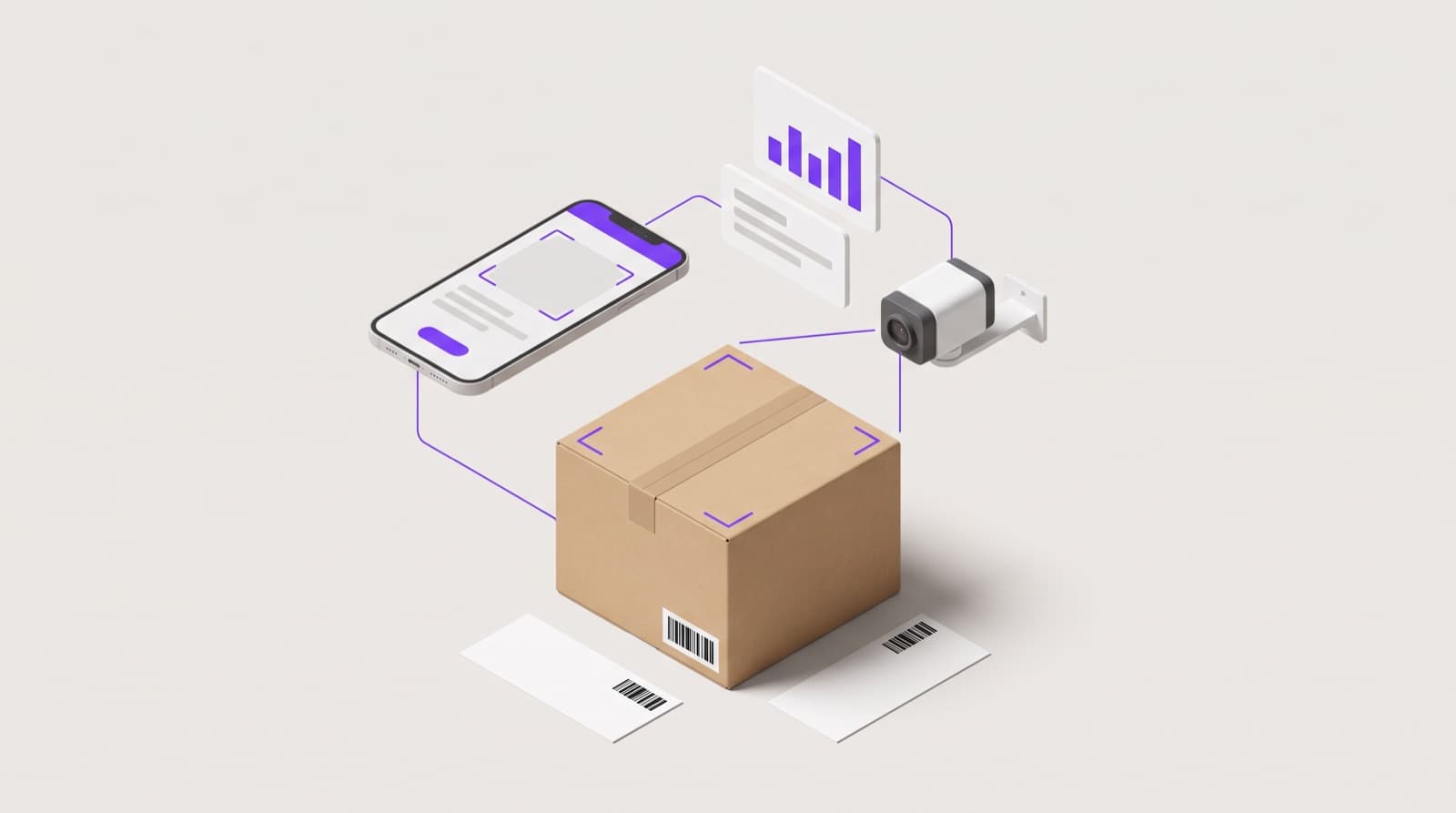
Picking accuracy depends on clean data at every handoff between the rack and the pack station. PackageX adds AI-powered scanning and exception management to that loop:
- Vision AI Scanning: Read SKUs, labels, and pick confirmations in real time without manual barcode entry.
- Real-time exception alerts: Flag wrong picks, damaged items, or missing SKUs the moment they happen.
- WMS and ERP integration: Feed pick data into your existing systems through APIs and webhooks.
- Configurable workflows: Support manual, batch, zone, or hybrid picking from one app.
PackageX scales from single warehouses to global networks, improving pick accuracy and protecting downstream fulfillment quality.
Frequently Asked Questions
What is the most efficient picking method?
The most efficient method depends on the order profile. Batch picking cuts travel time 40 to 60% in high-volume ecommerce warehouses. Goods-to-person systems eliminate walking entirely for very high volumes. Zone picking is ideal for large warehouses with complex SKU layouts. Most operations use a hybrid that mixes two or three methods.
How does automation improve picking accuracy?
Automation improves accuracy by replacing manual identification with sensor-based verification. Pick-to-light, voice systems, barcode scanners, and AI vision tools confirm every pick in real time. Errors get caught at the pick face, not at packing or after shipping. Best-in-class automated systems hit 99.9% accuracy versus 97 to 98% in manual operations.
What is goods-to-person picking?
Goods-to-person picking is a model in which inventory moves to a stationary picker rather than the picker walking to the inventory. AMRs, AS/RS units, or conveyor systems bring totes or shelves to a workstation. The picker takes the items and the system whisks the inventory back. Walking time drops to almost zero.
How does AI improve warehouse slotting?
AI improves slotting by using live demand data to continuously reposition SKUs. Traditional ABC analysis re-slots once a quarter. AI agents adjust slotting weekly or daily based on velocity changes, promotional spikes, and seasonality. The result is shorter travel distances, higher pick density, and lower labor cost without any change in headcount.