Wholesale distribution sits at the center of nearly every product economy. Manufacturers depend on distributors to reach retailers. Retailers depend on distributors to keep shelves stocked. B2B buyers depend on them for predictable pricing, fast fulfillment, and consistent supply.
The pressure on this middle layer has never been higher. Ecommerce is reshaping demand. Supply chain disruptions hit margins. Customers are now expecting same-day deliveries.
Modern wholesale distribution management runs on software and data, not paper and phone calls. ERP systems, WMS, AI forecasting, and B2B ecommerce platforms now decide which distributors grow and which lose ground.
The numbers show how massive the sector has become. The global wholesale market is set to grow from USD 60.08 trillion in 2025 to USD 63.7 trillion in 2026 at a 6% CAGR. Distributors that adopt the right technology will capture a larger share of that growth.
Key Takeaways
• Wholesale distribution moves goods from manufacturers to retailers at scale, sitting at the heart of every B2B supply chain. • The five main models are merchant wholesalers, exclusive distributors, brokers and agents, manufacturer-distributors, and dropshipping. • Inventory complexity, ecommerce competition, and supply chain disruption are the top operational challenges in 2026. • ERP software unifies inventory, accounting, procurement, and warehouse data into one source of truth for distribution teams. • PackageX adds Vision AI scanning, real-time exception alerts, and WMS integration to keep wholesale operations accurate at every dock.
What Is Wholesale Distribution?
Wholesale distribution is the business of buying goods in bulk from manufacturers and reselling them to retailers, institutions, or other businesses. The wholesaler sits between the maker and the seller, taking ownership of inventory, breaking bulk into smaller units, and pushing product into market channels.
The difference between wholesale and retail comes down to who the customer is. Retail sells to end consumers in single units. Wholesale refers to selling to businesses, usually in bulk, at lower per-unit prices. The B2B nature of wholesale operations changes everything from order size to payment terms to delivery cadence.
Four roles rely on the wholesale supply chain:
• Manufacturers: Produce the goods and sell large volumes to wholesale distributors.
• Wholesale distributors: Buy in bulk, warehouse the inventory, and resell to retailers or other businesses.
• Retailers: Buy from distributors and resell to end consumers through stores or ecommerce.
• End consumers: The final buyer who uses the product.
Bulk purchasing is what makes the model work. Distributors get volume discounts. Retailers get smaller order quantities without going directly to overseas manufacturers. The inventory flow stays efficient across the entire supply chain.
How Does Wholesale Distribution Work?
Wholesale distribution management runs as four connected workflows. Each one depends on the others, and modern operations use a wholesale distribution system to keep them aligned.
Sourcing and Procurement
It starts with supplier selection. Distributors evaluate manufacturers on price, quality, lead time, and reliability. Procurement planning sets order schedules, volumes, and contract terms. Pricing negotiations happen on a recurring basis. Strong vendor relationships protect supply during shortages and unlock discounts during stable periods. Software for wholesale distribution streamlines this whole process in one platform.
Inventory Management
Warehouse operations take over once goods arrive. Stock tracking captures every unit by SKU, lot, and location. Demand forecasting drives reorder points. Inventory turnover gets monitored as a core KPI. A distributor with poor inventory data ends up overstocked on slow movers and short on the SKUs retailers actually want.
Order Fulfillment and Logistics
Order processing turns retailer orders into shipments. Picking and packing teams pull SKUs from racks, build cartons, and stage loads for shipping. Shipping coordination matches orders to carriers, routes, and delivery windows. Delivery management closes the loop with on-time, in-full performance, the wholesale industry's gold-standard KPI.
Customer Relationship Management
Retailer relationships are the lifeblood of wholesale. B2B customer service handles order issues, returns, credit terms, and questions. Repeat orders are the goal, since acquisition cost in B2B is far higher than in retail. Modern CRM and communication systems track every touchpoint so account managers know what to say and when.
Types of Wholesale Distribution Models
Five wholesale and distribution models cover most of the market. Each one differs in inventory management and scalability.
Merchant Wholesalers
Merchant wholesalers buy inventory directly from manufacturers and resell it to retailers. They take title to the goods, store them, and assume the risk. The model offers strong margins and full control over inventory and pricing.
Exclusive Distributors
Exclusive distributors hold regional rights to sell a manufacturer's products. The partnership protects the distributor from local competition and gives the manufacturer focused market coverage. Common in industries like industrial equipment, beauty, and electronics.
Brokers and Agents
Brokers and agents connect manufacturers and retailers without holding inventory. They earn commissions instead of margins. The model is asset-light and scalable but offers less control and lower per-unit profitability.
Manufacturer-Distributor Model
Some manufacturers run their own distribution operations. They sell directly to retailers, often through a hybrid setup that combines in-house logistics with third-party partners. The model gives full control but adds operational complexity.
Dropshipping Distribution
Dropshipping distributors ship orders directly from the manufacturer to the end retailer or consumer. No inventory sits in the distributor's warehouse. The model fits ecommerce-heavy operations and lowers capital requirements, but margins are thinner.
The right model depends on capital, market access, control needs, and risk tolerance. Many wholesale distribution management teams run more than one model in parallel.
Importance of Wholesale Distribution in the Supply Chain
Wholesale distribution manages supply chain operations efficiently. Without it, manufacturers would have to sell to every retailer one at a time, and retailers would have to manage hundreds of supplier relationships. The middle layer absorbs that complexity.
The benefits flow to three stakeholders:
• Manufacturers: Expanded market reach without building their own retail network. Simplified logistics by selling in bulk to a smaller set of trusted distributors.
• Retailers: Easier procurement with one or two distributors instead of dozens of direct supplier relationships. Consistent inventory access across product categories.
• Consumers: Lower prices from economies of scale. Wider product availability because retailers can stock a broader catalog.
Cost reduction is the structural advantage. Distributors aggregate orders, negotiate volume pricing, and run dedicated warehouses. The wholesale distribution system passes those savings down the chain while keeping product available exactly where it is needed.
Key Challenges in Wholesale Distribution
Wholesale distribution management has gotten harder in the past five years. Six challenges show up across most operations.
Inventory Management Complexity
High SKU counts, multiple suppliers, and unpredictable demand create constant inventory pressure. Overstocking ties up cash. Stock shortages lose orders. Forecasting accuracy is the difference between a profitable quarter and a write-off.
Rising Customer Expectations
B2B buyers now expect fast delivery, real-time tracking, and omnichannel support are the baseline. Distributors still running paper-based orders or two-week shipping windows are losing accounts.
Supply Chain Disruptions
Global sourcing risks, transportation delays, and supplier instability hit distributors first. The average B2B distributor loses up to 5.2% of profit annually to misaligned pricing alone. Add disruptions, and the margin pressure intensifies.
Pricing and Margin Pressure
Online marketplaces compress margins by exposing real pricing across the market. Increased competition from direct-to-consumer brands and large platforms like Amazon and Alibaba squeezes traditional wholesalers from both sides.
Technology Integration Issues
Disconnected systems, manual processes, and data inaccuracies still plague the industry. Many distributors run ERP, WMS, CRM, and ecommerce on separate tools that do not talk to each other. The result is duplicated data, slow decisions, and missed orders.
Ecommerce Competition
B2B ecommerce is now the default. Digital sales are projected to reach 40% of wholesale revenue by 2026. Distributors without a strong online presence are losing market share to digital-first competitors.
Role of Technology in Modern Wholesale Distribution
Digital transformation is the single biggest growth lever in wholesale today. AI utilization in wholesale distribution is projected to grow at a 20% CAGR through 2028. Four technology categories drive most of the impact.
Warehouse Management Systems (WMS)
A WMS gives real-time inventory visibility across every bin, dock, and warehouse. It directs receiving, picking, packing, and shipping. Modern WMS platforms integrate with scanners, robots, and AI tools to optimize every operation.
Transportation Management Systems (TMS)
A TMS handles route planning, carrier selection, freight rates, and shipment tracking. It reduces fuel cost, shortens transit time, and gives shippers a single view of every load on the road.
CRM and Customer Data
CRM platforms track every customer interaction. Sales reps see open orders, payment history, and pricing tiers in one view. Customer engagement gets sharper, and account managers spot churn risk early.
Ecommerce Integration
Online ordering portals and omnichannel management connect distributors to their retail customers in real time. Buyers self-serve on simple orders. Reps focus on complex deals. Order accuracy goes up while costs come down.
The cumulative impact shows up across operational efficiency, faster order fulfillment, improved forecasting, and reduced costs. The right wholesale distribution software stack pays back within two to three quarters in most mid-market deployments.
What Is ERP Wholesale Distribution Software?
ERP wholesale distribution software is the central nervous system of a modern distributor. ERP for wholesale distribution unifies finance, inventory, procurement, warehouse, and order management on a single platform. The result is real-time operational visibility and far less manual work.
Core Features of ERP for Wholesale Distribution
A good ERP wholesale distribution platform covers seven core capabilities:
• Inventory management: Real-time stock counts, multi-location visibility, and reorder automation.
• Accounting and finance: GL, AP, AR, cash management, and multi-currency support.
• Procurement: Purchase orders, supplier contracts, and pricing automation.
• Warehouse management: Receiving, put-away, picking, packing, and shipping workflows.
• Order management: Quote-to-cash, B2B portals, and customer-specific pricing.
• Analytics and reporting: Dashboards, KPI tracking, and AI-driven forecasting.
• CRM and customer data: Account history, sales pipeline, and customer engagement tools.
Benefits of ERP Wholesale Distribution Systems
ERP delivers five compounding gains:
• Reduced manual work: Automated workflows replace spreadsheets and email chains.
• Better forecasting: Live data and AI models replace gut-feel inventory planning.
• Improved decision-making: Real-time dashboards give leaders the right view at the right time.
• Scalability: The platform grows with peak season, new product lines, and new geographies.
• Enhanced productivity: Every team spends less time hunting data and more time acting on it.
How ERP Improves Wholesale Distribution Management
ERP synchronizes data across every function. Inventory updates flow to finance. Customer orders flow to the warehouse. Shipping confirmations flow to AR. Automation removes the manual handoffs that used to create errors. Operational control gets tighter at every level.
Features to Look for in Wholesale Distribution Software
Choosing the right software for wholesale distribution comes down to a clear feature checklist. Eight essential capabilities cover most use cases:
• Inventory tracking: Real-time, multi-location stock visibility.
• Order management: End-to-end quote, order, and invoice processing.
• Warehouse management: Picking, packing, and shipping workflows.
• CRM integration: Customer data tied to orders, pricing, and history.
• Analytics dashboards: Visual KPI tracking for leaders and frontline managers.
• Mobile accessibility: Field sales, warehouse, and management apps for on-the-go work.
• Ecommerce integration: B2B portals and marketplace connectors.
• Automated invoicing: Recurring billing, customer pricing, and AR automation.
Advanced features for growing distributors include AI forecasting, barcode and RFID tracking, demand planning, and multi-location inventory. When buying, weigh scalability, cloud vs on-premise hosting, integration capabilities, and ease of use. A wholesale & distribution management software platform that ticks these boxes will last through the next growth cycle.
Best Practices for Effective Wholesale Distribution Management
The best wholesale distribution management teams follow six habits:
• Supplier relationship management: Strong vendor scorecards, regular reviews, and shared forecasts.
• Accurate inventory forecasting: Use AI and historical data to set reorder points and safety stock.
• Automation adoption: Replace manual workflows in receiving, picking, and invoicing first.
• Data-driven decisions: Track KPIs weekly. Trust the dashboards over gut feel.
• Warehouse optimization: Slotting, layout, and put-away routines that cut travel time.
• Customer retention: B2B acquisition is expensive. Keep existing accounts loyal with service and pricing discipline.
Track three operational efficiency metrics every week: order accuracy, on-time delivery, and inventory turnover. Continuous process improvement around these KPIs is what separates top-quartile distributors from the rest.
Future Trends in Wholesale Distribution
The next decade will redefine the wholesale and distribution playbook. Six trends to watch:
• AI-driven forecasting: Machine learning models will replace static demand plans.
• Predictive analytics: Distributors will spot demand shifts and supply risks before they hit margins.
• Automation and robotics: Warehouse robots, AMRs, and AI-guided picking will scale across mid-market operations.
• B2B ecommerce growth: Self-serve portals will handle the majority of routine orders by 2030.
• Cloud ERP: On-premise systems will continue retiring in favor of unified cloud platforms.
• Sustainability: Carbon tracking, packaging efficiency, and electric transport will become procurement criteria, not nice-to-haves.
How PackageX Supports Wholesale Distributors
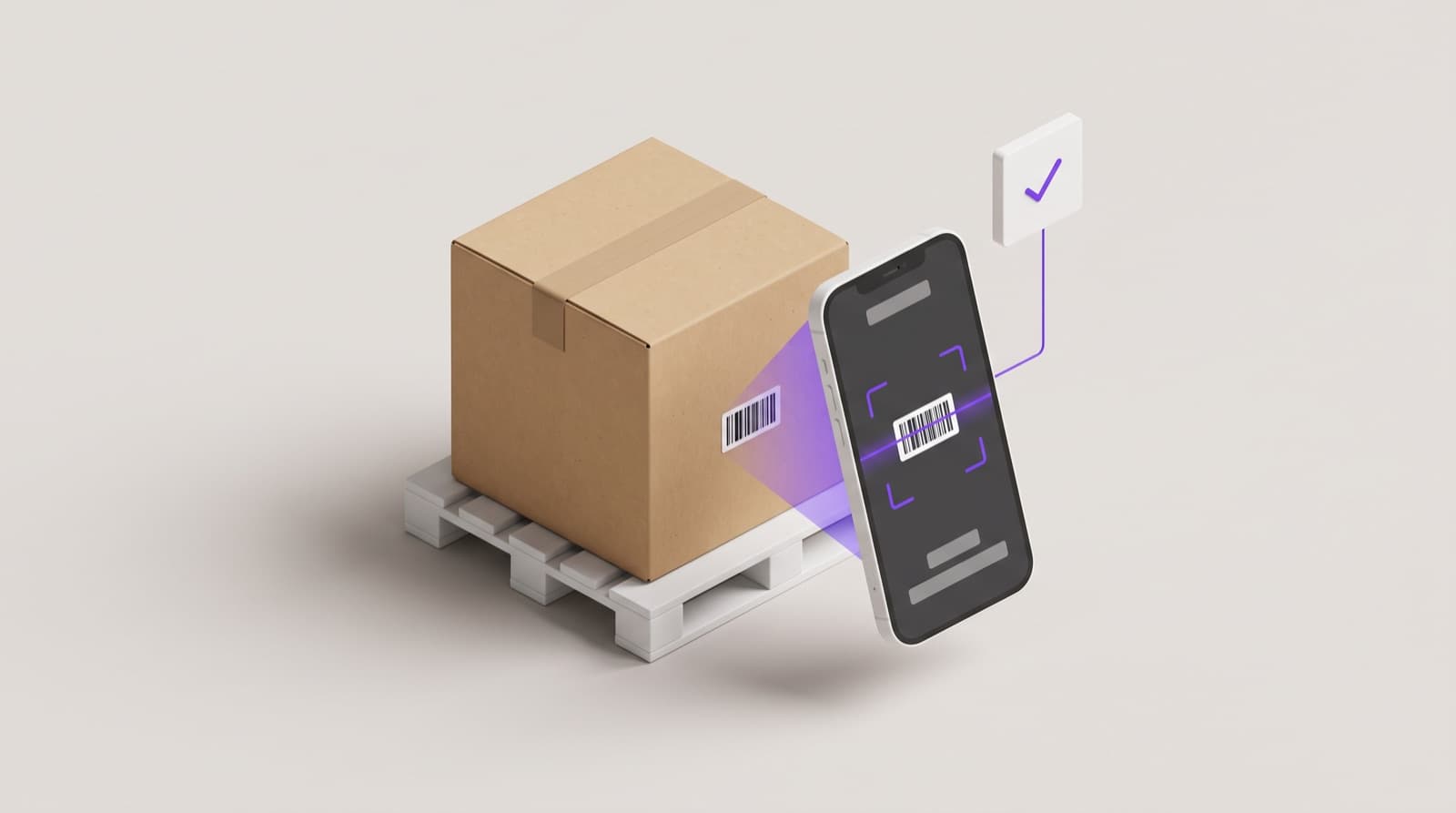
Wholesale distribution wins on data quality at the dock. PackageX adds AI-powered scanning and exception management to receiving, put-away, and outbound flows:
• Vision AI Scanning: Read SKUs, labels, and pallet documents at intake without manual barcode entry.
• Real-time exception alerts: Flag shorts, damages, and miscounts the moment they happen.
• WMS and ERP integration: Receiving and shipping data flows into your existing systems through APIs.
• Configurable workflows: Support manual, batch, blind, or hybrid receiving and picking from one app.
Frequently Asked Questions
What is the difference between wholesale and distribution?
Wholesale refers to the act of buying and selling goods in bulk to other businesses, typically at a discount. Distribution is the broader process of moving goods from the manufacturer to the end seller, which includes warehousing, logistics, and customer service. A wholesaler is one type of distributor.
How profitable is a wholesale distribution business?
Margins vary widely by industry. Grocery and consumer goods often run 2 to 5% net margins, while industrial and specialty distributors can hit 10 to 20%. The biggest profit levers are inventory turnover, pricing discipline, and operational efficiency through technology.
Do wholesalers need a license?
Most jurisdictions require a wholesale or resale license, often called a seller's permit. Specific industries like alcohol, tobacco, pharmaceuticals, and firearms require additional licensing. Always check state, provincial, and federal requirements before launching a wholesale distribution business.
Conclusion
Wholesale distribution is the backbone of every product economy. Manufacturers, retailers, and consumers all depend on this middle layer to move goods efficiently and reliably.
The next decade will reward distributors who modernize their tech stack. ERP for wholesale distribution, AI forecasting, and WMS-driven warehouses now define which operators grow and which fall behind.
For wholesale leaders, the path forward is clear: invest in unified software, automate wherever possible, and stay close to your customers. The distributors that adapt will own the next wave of growth.