Every shipment is a small promise. The supplier promises a quantity and quality, and the buyer promises payment once those promises are kept. Without proof that the goods actually arrived in the right condition, both sides operate on trust, and trust is the most expensive thing in procurement.
That proof is the goods receipt note. Skip it, and businesses end up paying for goods they never received and chasing stock numbers that no longer match the shelves. The global accounts payable automation market is set to grow from USD 4.39 billion in 2025 to USD 13.66 billion by 2032 at a 17.5% CAGR, and the goods receipt note (GRN) sits at the heart of every accurate, audit-ready AP workflow.
This guide covers the meaning, format, and components of a goods receipt note (GRN), a real-world example, the GRN process, and the software that turns receiving into a clean control point.
Key Takeaways
• A goods receipt note (GRN) is an internal buyer-side document that confirms physical receipt and condition of goods against a purchase order. • A standard goods receipt note format includes supplier details, PO number, item description, quantity received, condition of goods, and receiver signature. • The goods receipt note grn is the second leg of three-way matching (PO vs GRN vs invoice), which prevents overpayment and invoice fraud. • Digital GRN templates cut manual errors, speed up reconciliation, and create a searchable audit trail across warehouses. • PackageX closes the GRN loop with Vision AI scanning that captures, validates, and syncs goods receipt note data at the dock.
What Is a Goods Receipt Note (GRN)?
A goods receipt note is an internal document generated by the buyer’s receiving or warehouse team when goods arrive from a supplier. It records what was delivered, in what quantity, and in what condition.
The meaning of a goods receipt note is straightforward: it is a control document that verifies that the items match the original purchase order before payment is released. A goods receipt note document is always created by the buyer, usually by the warehouse supervisor or receiving clerk, never by the supplier. In any well-run procurement function, the goods receipt note grn is the link between the warehouse floor and the finance team.
Why GRN Management Matters
Here is why disciplined GRN management is non-negotiable for any business that handles inbound goods:
- Prevents overpayment: The GRN is the second leg of three-way matching, so finance only pays for goods that were actually received and accepted.
- Improves inventory accuracy: Every accepted line on a goods receipt note (GRN) triggers a stock update, keeping system records aligned with the shelf.
- Speeds dispute resolution: A timestamped goods receipt note document with photos becomes the primary evidence in any short-shipment or damage claim.
- Strengthens audit compliance: Auditors rely on GRNs to verify that recorded inventory and expenses correspond to actual goods.
- Protects supplier relationships: Clear, consistent goods receipt note data reduces back-and-forth and keeps payment cycles predictable.
Goods Receipt Note (GRN) Definition in Simple Terms
In plain language, the GRN (goods receipt note) is a record that says, “We got these items, here is how many came in, and here is what condition they were in.” It is the moment the warehouse team opens the boxes, counts the items, checks for damage, and records what actually arrived rather than what the supplier said was sent.
What a Goods Receipt Note Consists Of
Knowing what a goods receipt note consists of explains why it carries so much weight in audits and reconciliations. A standard goods receipt note document includes the following fields:
- Date and time of delivery: Records when the shipment was received, useful for tracking supplier lead times.
- Supplier details: Vendor name, address, and contact information that support traceability of the goods receipt note warehouse record.
- Purchase order number: Links the receipt to the original purchase order so three-way matching can happen later.
- Item description: Each product received, including SKUs, model numbers, and specifications.
- Quantity received: Actual count of items, compared against the PO and delivery note.
- Condition of goods: Notes on whether items arrived intact, damaged, expired, or with packaging issues.
- Receiver name and signature: Identifies the warehouse personnel who verified and accepted the delivery.
Advanced GRNs also include batch numbers, serial numbers, expiry dates, and storage locations.
Goods Receipt Note Format Explained
A consistent goods receipt note format separates a clean procurement process from a messy one. Most companies adopt a standard goods receipt note grn format so every receiving event is documented the same way across shifts and warehouses.
Standard Structure of a Goods Receipt Note
A typical goods receipt note form has three parts, each with a specific job:
- Header: Carries the GRN number, date, supplier name, and PO reference for quick lookup and matching.
- Body: Lists items, ordered quantity, received quantity, accepted quantity, rejected quantity, and remarks for each line.
- Footer: Holds the signatures of the receiver, inspector, and approver to lock in accountability.
Manual vs Digital GRN Formats
The same goods receipt note format can be used on paper or in a system. The structure stays the same, but speed and reliability change a lot:
- Manual (paper) format: Pre-printed pads filled in by hand at the dock, then keyed into the ERP later.
- Spreadsheet format: Shared Excel templates with formulas for accepted, rejected, and pending quantities.
- Digital ERP format: Live goods receipt note grn format inside the ERP with PO data auto-populated.
- Mobile/scanner format: App-based GRN capture with barcode scanning, photo attachments, and instant inventory updates.
Why Standardization Matters
A standard goods receipt note template across warehouses delivers measurable benefits: faster audits because the goods receipt note form layout is predictable, cleaner three-way matching because field names line up with PO and invoice data, easier training for new receiving staff, and better reporting on supplier accuracy and damage rates.
Goods Receipt Note Example
Here is a realistic goods receipt note example. An IT distributor orders 100 laptops to be delivered to the central warehouse within seven business days. When the truck arrives, the warehouse team finds 98 laptops in perfect condition, 2 with cracked screens, and 1 box that has been opened and resealed.
The receiving clerk fills out the goods receipt note sample as follows: 100 units ordered, 100 delivered, 98 accepted, 2 rejected due to damage, and 1 flagged for further inspection. Photos are attached, the supplier’s delivery note number is recorded, and the GRN is signed.
A copy goes to procurement for a replacement claim, and another goes to finance. The goods receipt note form is now the single source of truth, and finance will only approve payment for 98 units until the damaged items are resolved.
The Goods Receipt Note Process
The goods receipt note (GRN) process takes a delivery from the dock door into the inventory system and onto the finance team’s match queue. Six steps drive a clean workflow:
- Shipment arrives: The supplier’s truck reaches the warehouse, and the receiving team is notified.
- Physical inspection: Boxes are unloaded and examined for visible damage before being opened.
- Quantity and quality check: Each item is counted and verified against the PO and delivery note. Quality checks confirm specifications, expiry, and condition.
- GRN creation: The receiving team records accepted, rejected, and pending quantities along with remarks and signatures.
- Inventory update: Accepted items are added to the inventory system and assigned storage locations.
- Shared with finance for matching: A copy of the GRN is sent to accounts payable, where it is matched with the PO and supplier invoice before payment is released.
Goods Receipt Note vs Purchase Order vs Delivery Note
All three documents relate to the same transaction, but each goods receipt note document plays a distinct role.
| Document | Purpose | Created By |
|---|---|---|
| Purchase Order (PO) | Formal request to the supplier to deliver specific goods at agreed prices and terms. | Buyer (procurement team) |
| Delivery Note | Shipment document listing what the supplier dispatched, sent with the goods. | Supplier |
| Goods Receipt Note | Buyer-side confirmation of receipt and condition, recording actual quantity and damage. | Buyer (warehouse team) |
The PO shows intent to buy, the delivery note shows intent to deliver, and the goods receipt note confirms what was actually received. Without all three, three-way matching cannot happen.
Goods Receipt Note in Warehouse Operations
The goods receipt note warehouse process is one of the most repeated and most consequential daily workflows. The receiving department is the gatekeeper, and the goods receipt note (GRN) is its main tool. Once the GRN is finalized, the inventory system is updated, items are assigned bin locations and put away, keeping every product accounted for from the dock onward.
Common GRN Management Mistakes to Avoid
Five pitfalls undermine GRN accuracy across operations of every size:
- Manual data entry errors: Wrong quantities, mistyped SKUs, and missed damage notes break downstream matching.
- Delayed documentation: GRNs filled out hours after delivery lose accuracy as inspection trails go cold.
- Inconsistent formats: A poorly designed goods receipt note grn format leaves room for ambiguity and makes audits painful.
- Siloed paper records: Paper-only GRNs cannot feed finance, procurement, or ERP systems on time.
- No condition documentation: GRNs that skip photos or damage notes leave the business with no evidence in supplier disputes.
Goods Receipt Note Template / Sample Format
A reliable goods receipt note template follows the same three-part structure across industries: a header, an itemized body, and a footer for signatures. Modern businesses are moving from paper forms to digital ERP-based goods receipt note formats that automatically populate PO data, attach photos, and update inventory in real time. A standard goods receipt note sample keeps records consistent across warehouses and reduces errors during audits.
How PackageX Closes the GRN Loop
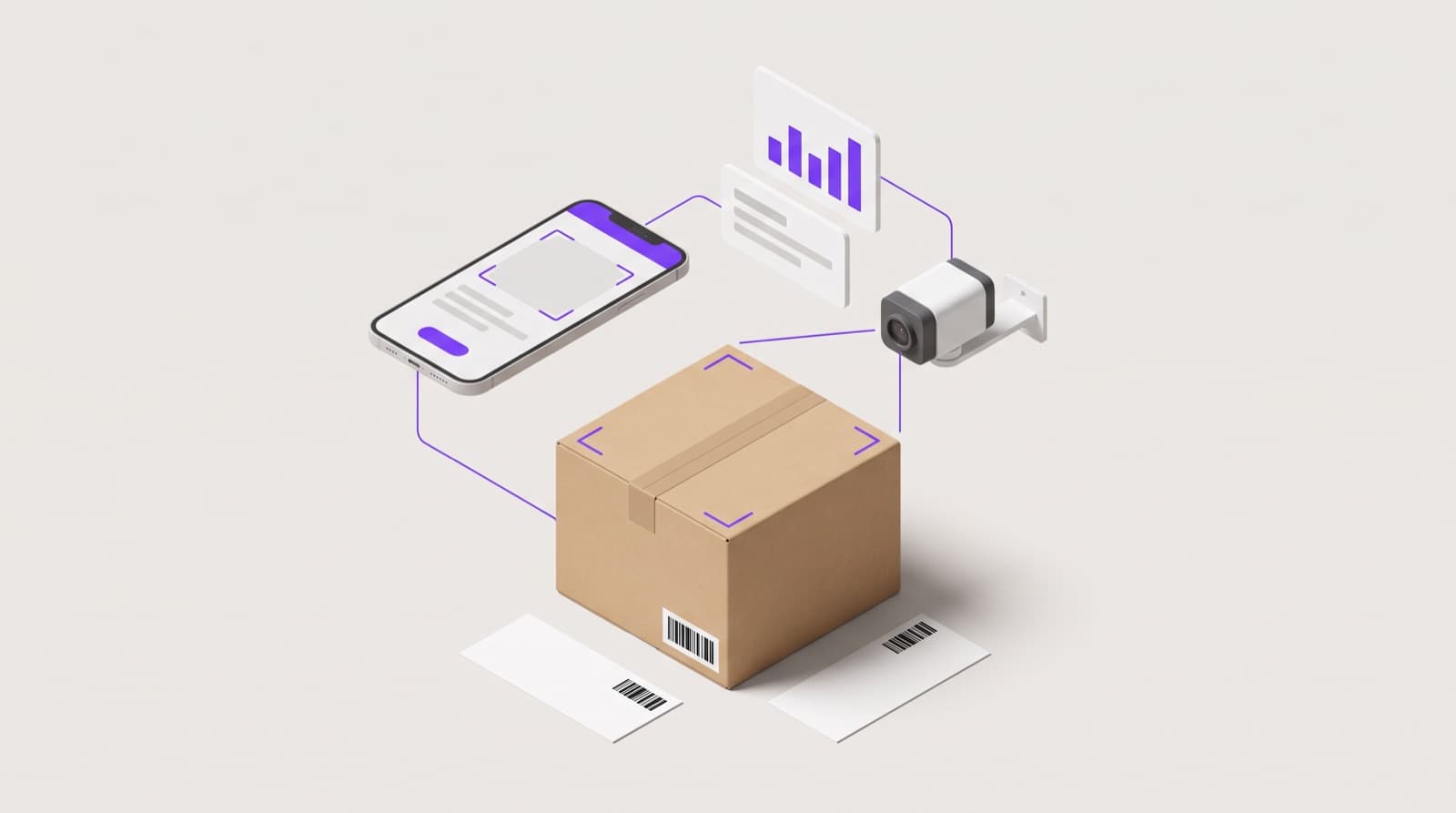
PackageX adds AI-powered scanning and exception management at receiving, ensuring the goods receipt note matches what actually arrived:
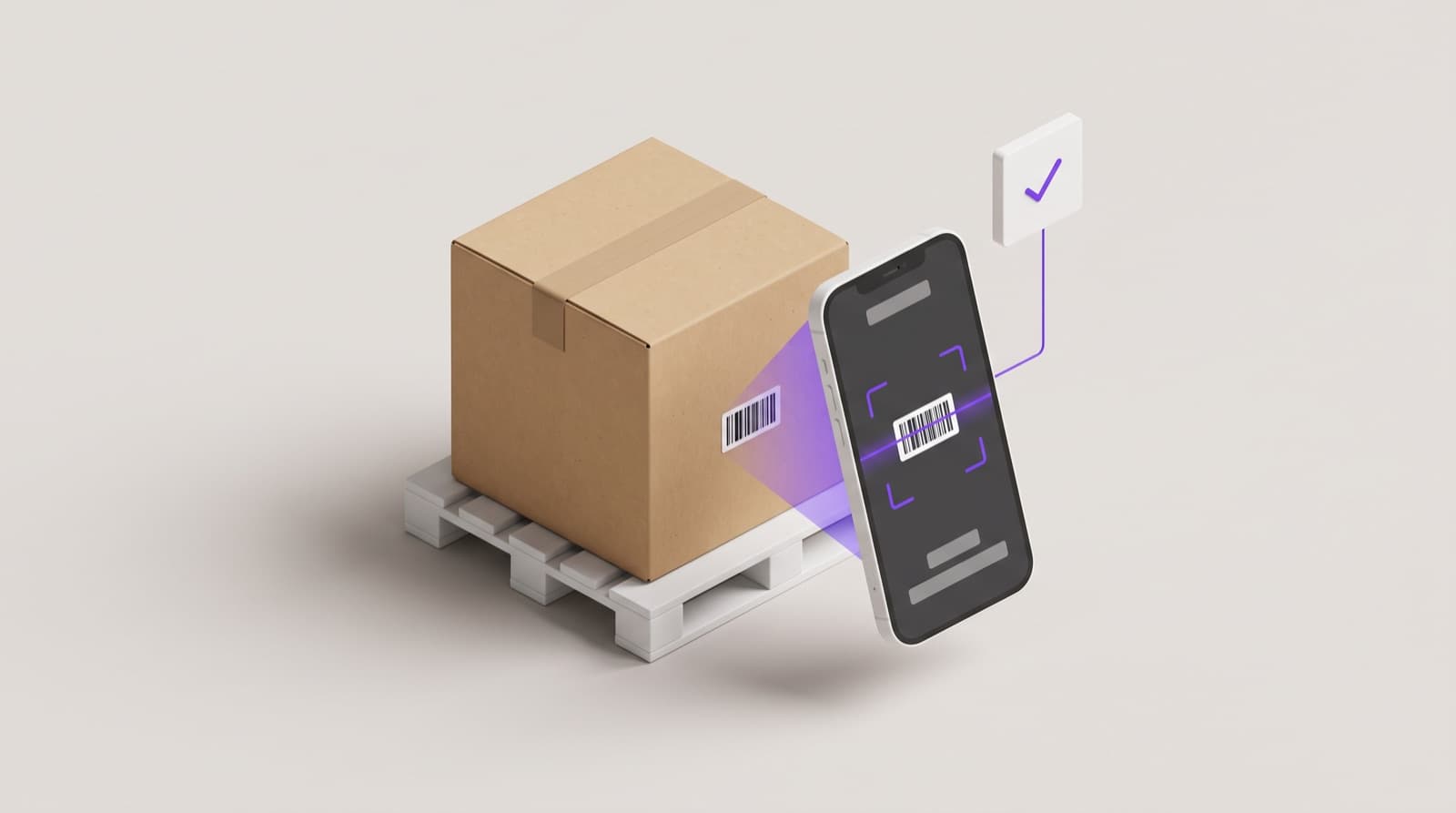
- Vision AI Scanning: Capture supplier details, PO numbers, item descriptions, and quantities at intake without manual barcode entry.
- PO-to-GRN matching: The platform auto-matches incoming shipments to the right purchase order and flags any mismatch before the GRN is approved.
- Damage detection and exception alerts: AI flags damaged packaging and attaches photos directly to the goods receipt note document for supplier claims.
- ERP and WMS integration: Approved GRN data flows into ERP, WMS, and accounts payable through APIs and webhooks, ready for three-way matching.
Frequently Asked Questions
What is the difference between a GRN and an invoice?
A GRN is created by the buyer’s warehouse to confirm receipt and condition of goods. An invoice is created by the supplier to request payment. Finance matches both against the PO before releasing payment.
Is a goods receipt note a legal document?
A GRN is not a contract, but it is treated as primary evidence in commercial disputes over short shipments, damages, or returns. Most companies retain GRNs for audit and tax purposes for several years.
Who creates the goods receipt note?
The receiver creates the GRN, usually the warehouse supervisor, storekeeper, or receiving clerk. The supplier never creates the GRN, because that would defeat the purpose of independent verification.
Can a GRN be issued without a purchase order?
Yes. For emergency purchases, sample deliveries, or free replacements, a GRN can be raised without a PO and flagged for procurement and finance to reconcile separately.