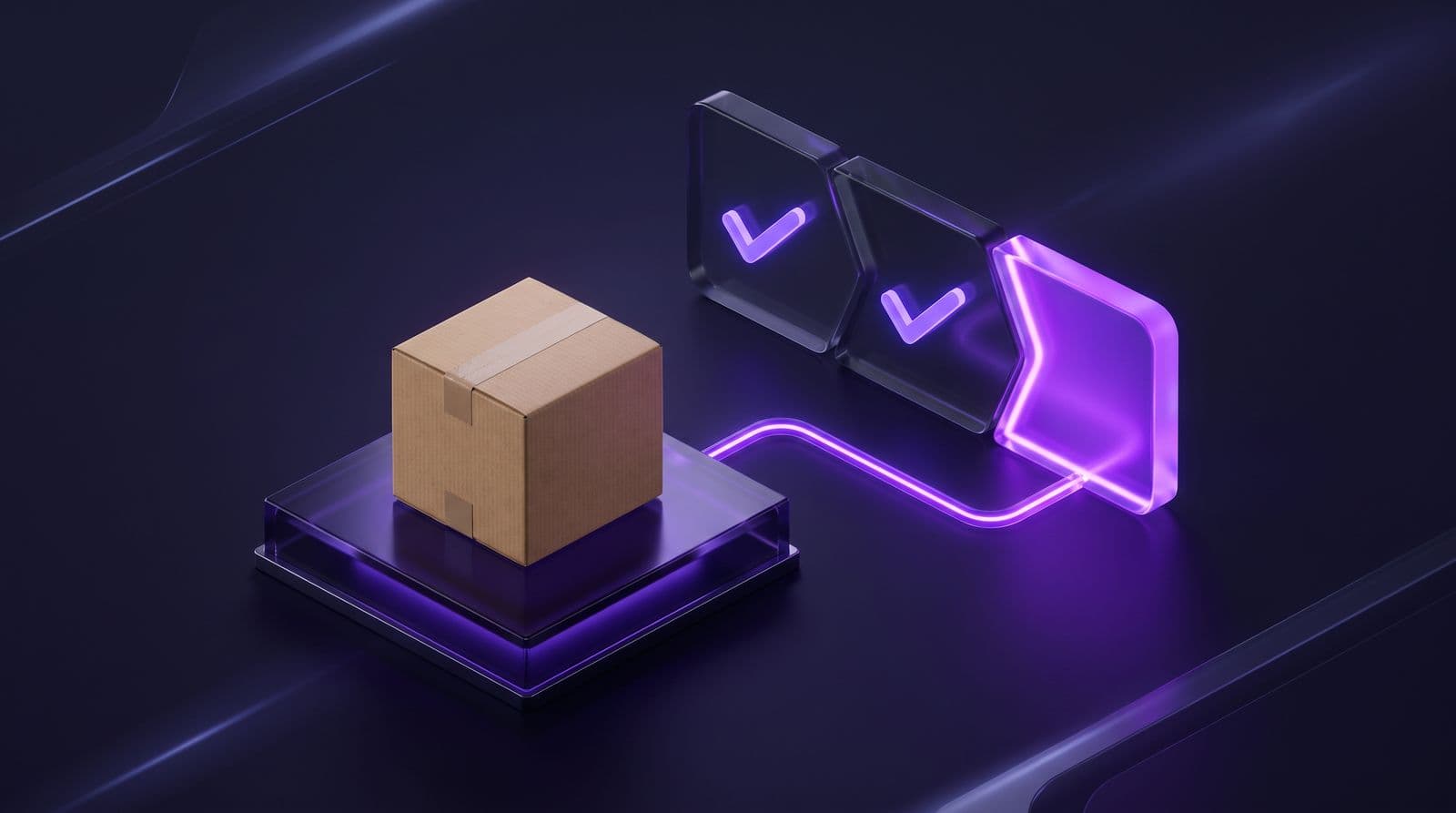
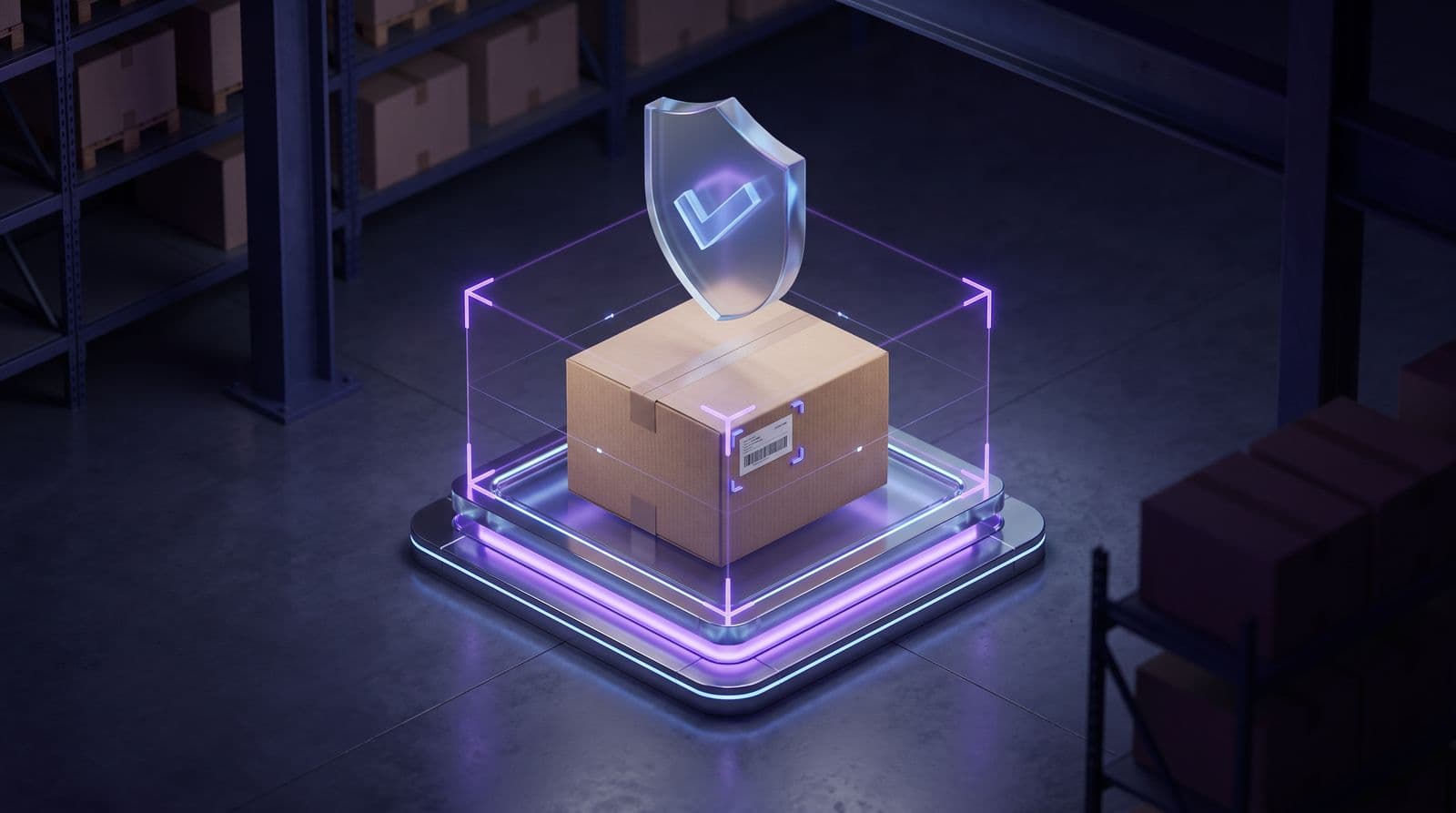
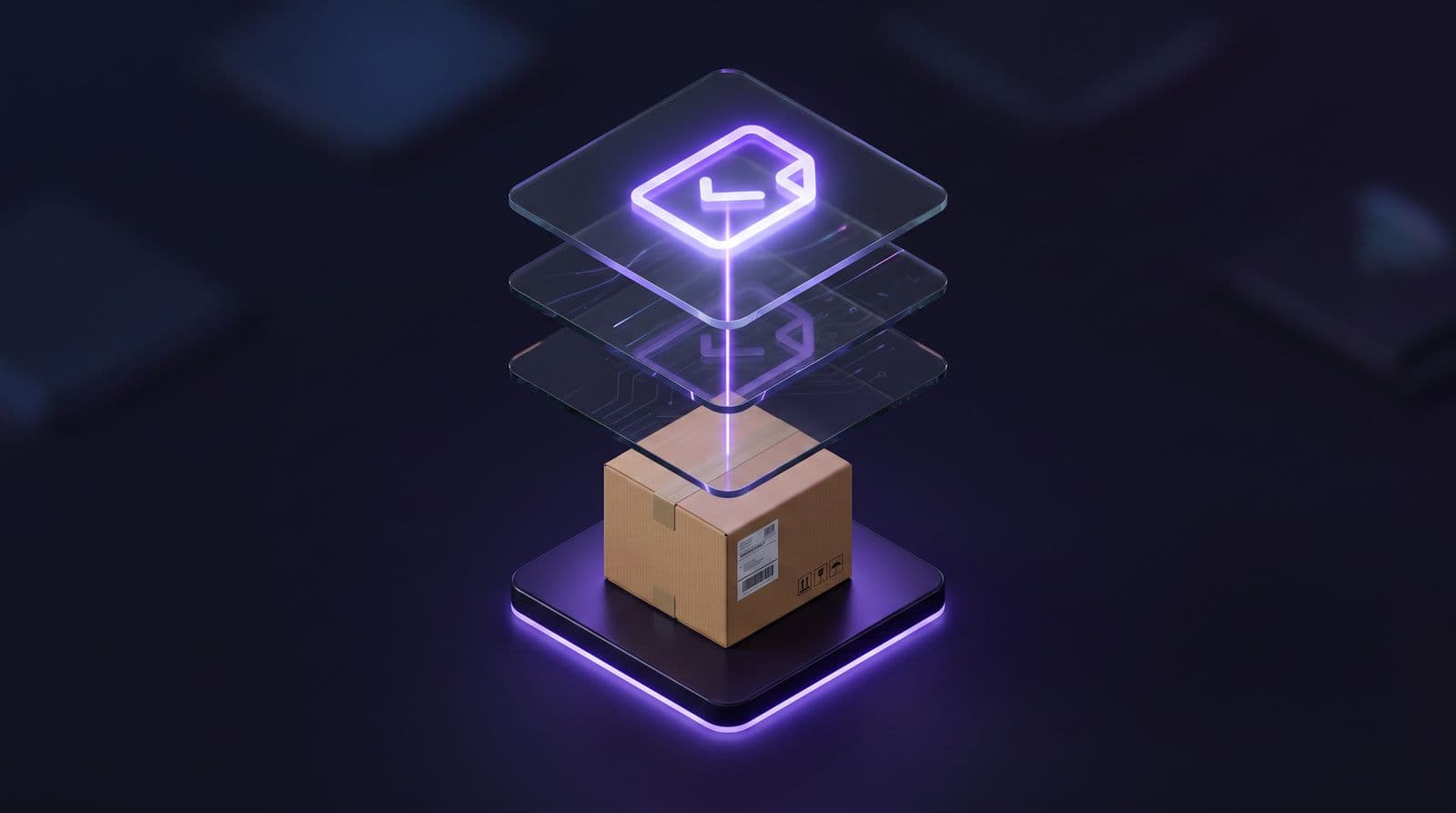
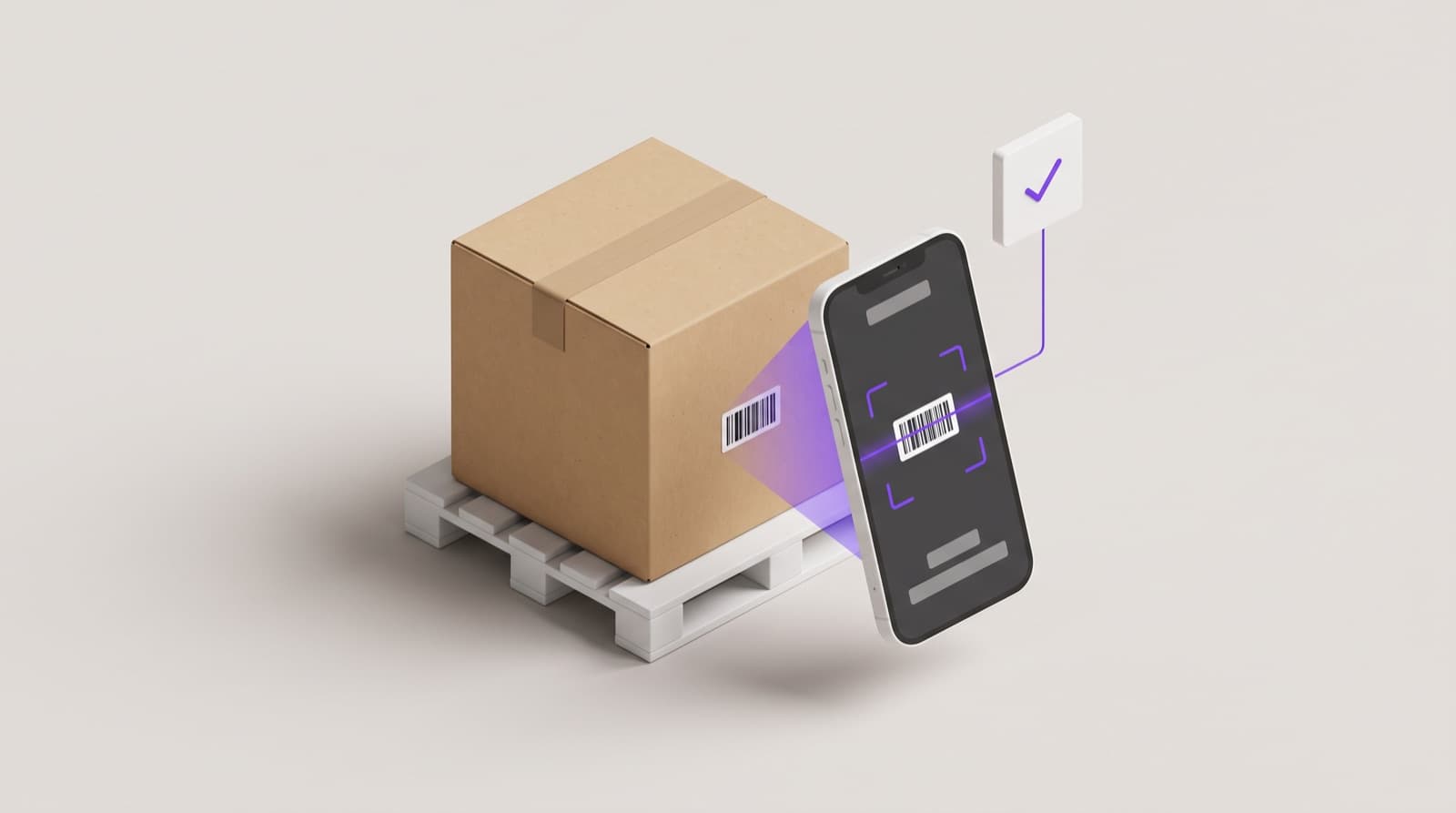
The warehouse receiving process is the first stop for every product entering your facility. It covers unloading trucks, inspecting goods, and putting stock away. Get it right, and your inventory stays accurate, your dock-to-stock time drops, and fulfillment errors fall fast. Get it wrong, and the mistakes ripple through every order you ship.
The numbers back this up. The global warehouse management system market was valued at around $2.9 billion and is projected to grow to $10.2 billion at a 17% CAGR through 2030. Inbound logistics is where most of that spending lands first. Modern WMS providers report that companies with strong receiving practices cut put-away time by 30% or more.
This guide breaks down what the process looks like today, the most common pitfalls, and five proven strategies to help you improve the warehouse receiving process from the dock door to the storage rack.
Whether you run a regional 3PL, an e-commerce fulfillment center, or a manufacturing inbound dock, the playbook is the same. Sharper receiving means sharper everything else.
Key Takeaways
• The warehouse receiving process sets the tone, so dock accuracy protects every order you ship out. • Standardized SOPs, ASN matching, and a clear checklist cut errors and make every shift predictable. • A WMS with barcode and RFID scanning can instantly cut receiving errors by up to 80%. • Smart dock layout, immediate quality control, and cross-docking move freight from truck to shelf fast. • PackageX combines mobile scanning, OCR, and unified tracking so your receiving stays accurate and scalable.
What is the Warehouse Receiving Process?
The receiving process in a warehouse is the set of steps a team follows when goods arrive from a supplier or vendor. It starts the moment a truck pulls up to the dock and ends when the products are placed in their assigned storage location.
In simple terms, the process of receiving goods in a warehouse covers four jobs. Teams unload the shipment, inspect it for damage, count and verify each SKU, then move the stock to its put-away spot. Every step protects inventory accuracy and keeps downstream operations on track.
A clean receiving process in a warehouse is the foundation of reliable order fulfillment. Skip a step, and the errors stack up later.
Warehouse Receiving Process Steps (End-to-End Breakdown)
The warehouse goods receiving process follows a predictable flow. Most teams use these five core stages.
1. Pre-Receiving and Documentation
Good receiving starts before the truck arrives. Your team should already have the purchase order (PO), advanced shipping notice (ASN), and warehouse receipt order (WRO) on file. This paperwork tells you what to expect, when, and from whom.
Vendor compliance matters here. Suppliers who follow your labeling, packing, and timing rules cut your receiving time in half. Push back on partners who skip your standards.
2. Receiving and Unloading Inventory
When the truck docks, your team takes over. Make sure the dock is clear, lifts are charged, and pallet jacks are ready. Workers unload the freight, scan it against the ASN, and stage it for inspection.
The right equipment, from forklifts to conveyors, can speed this stage by 25% or more.
3. Inventory Counting and Verification
Next, count every SKU. Scan barcodes or RFID tags and match the totals to the PO. Flag short shipments, overages, and wrong items right away. This is where most receiving errors get caught or missed.
4. Warehouse Receiving Inspection Process
Now check the quality. Look for crushed boxes, broken seals, expired dates, and any visible defects. Pull damaged units into a quarantine zone so they never enter sellable stock. A solid warehouse receiving inspection process protects both your customers and your returns rate.
5. Storage and Put-Away
Finally, move the goods to their assigned slot. Fast-moving SKUs should sit close to packing stations. Bulk stock can be stored deeper in the racks. Update your WMS the moment items are placed so that the inventory record stays up to date.
Warehouse Receiving Process Checklist for Accuracy and Consistency
Standardization is what turns a busy dock into a smooth operation. Without a clear receiving process for warehouse teams to follow, every shift handles things differently. Errors creep in fast.
Use this warehouse receiving process checklist to keep every shipment on track:
- Verify ASN and PO: Confirm the ASN or PO matches what you ordered before unloading begins.
- Scan barcodes or RFID tags: Capture every SKU electronically via RFID to skip manual entry.
- Inspect goods for damage: Check pallets, cases, and individual units.
- Count inventory: Verify quantities against the PO line by line.
- Assign storage location. Send each SKU to its correct slot using slotting rules.
- Update the WMS: Log everything in real time to keep stock counts accurate.
A simple checklist like this trims errors, speeds up processing, and gives new hires a clear playbook on day one.
5 Key Strategies to Improve the Warehouse Receiving Process
Now to the core question: how to improve the warehouse receiving process. These five strategies deliver the biggest impact for most operations.
1. Implement WMS and Barcode/RFID Technology
A modern warehouse management system is the single best upgrade you can make. It updates inventory in real time, matches incoming shipments to ASNs, and flags discrepancies before they become problems.
Barcode and RFID scanning replace manual data entry. That alone can cut receiving errors by up to 80%. Workers scan once, and the system handles the rest. No more typos, no more lost paperwork, no more guessing where stock went.
If a full WMS feels like a lot to handle, start with cloud-based receiving software. Many platforms now offer mobile-first apps that turn any smartphone into a scanning station. The barrier to entry has never been lower.
2. Standardize Procedures and Enforce Vendor Compliance
Develop clear standard operating procedures (SOPs) for every step of the receiving process. Spell out who unloads, who inspects, who puts away, and who signs off. Train every new hire on the same playbook.
Then push standards upstream to your vendors. Require ASNs ahead of every shipment. Mandate label formats, carton sizes, and pallet configurations. Charge back suppliers who fail to comply. Strong vendor compliance programs can shave hours off your receiving cycle.
3. Optimize Receiving Dock Layout and Workflow
A messy dock costs you time and money. Schedule inbound trucks in tight time windows so freight does not pile up. Create dedicated zones for staging, inspection, and quarantine. Keep aisles clear so forklifts can move without backtracking.
Smart layout decisions reduce travel time and let your team handle more shipments per shift. Even small changes, like moving the QC station closer to the dock, can boost throughput.
4. Implement Immediate Quality Control
Catch problems at the dock, not at the picking aisle. Inspect every shipment as it comes in. Pull damaged or non-compliant goods into a clearly marked quarantine area before they come into contact with your sellable stock.
This single habit prevents downstream errors. It stops bad units from being picked, packed, and shipped to customers. It also gives your team hard data to push back on suppliers when claims arise.
5. Use Cross-Docking for High-Velocity Inventory
For products that move fast, skip storage entirely. Cross-docking transfers inbound freight straight to outbound trucks, with little or no time on the rack.
Retailers like Walmart built their logistics edge on this practice. It cuts handling costs, frees up storage space, and shortens delivery times. Use it for promotional items, perishables, and any SKU management with predictable demand.
Cross-docking works best when your inbound and outbound timing is tight. Pair it with strong ASN data and reliable carriers, and you can move pallets through the building in under an hour.
Warehouse Receiving Process Best Practices for Maximum Efficiency
Once the basics run smoothly, layer in advanced techniques. The best operations apply warehouse receiving process best practices that continue to improve year over year.
- Smart SKU slotting: Place fast movers near the dock and packing zone. Keep slow movers in less-prime real estate.
- Put-away logic: Choose between fixed locations for steady SKUs and random slotting for variable stock. Many WMS platforms automate this.
- Automation: Autonomous mobile robots (AMRs) and automated storage and retrieval systems (AS/RS) handle repetitive moves. They run nonstop and cut labor costs.
- KPI tracking: Watch dock-to-stock time, receiving accuracy, and units received per labor hour. What you measure, you improve.
Use these tactics to elevate your receiving process in warehouse operations from good to elite.
Common Challenges in the Receiving Process in a Warehouse
Even strong teams hit bumps. The most common issues in the receiving process in warehouse settings include:
- Lack of standardization across shifts and teams.
- Manual errors from paper-based counting and data entry.
- Poor documentation, including missing or late ASNs.
- Inefficient dock layout that creates traffic jams.
Spot these warning signs early, then fix them with the strategies above. Each challenge has a clear, low-cost solution.
Seasonal volume spikes also catch many teams off guard. Build a flex staffing plan and pre-train cross-functional workers before peak season hits.
Benefits of Optimizing the Warehouse Receiving Process
A tuned warehouse receiving process pays back fast. The benefits stack up across the entire supply chain:
- Improved inventory accuracy: Counts match what is on the shelf, every time.
- Faster order fulfillment: Stock is available for pickup as soon as it arrives.
- Reduced operational costs: Less labor, less rework, fewer chargebacks.
- Better customer satisfaction: Right product, right time, no surprises.
A strong warehouse goods receiving process is one of the highest-ROI investments any operations leader can make.
Conclusion
A reliable warehouse receiving process is built on three things: structured procedures, the right technology, and a culture of continuous improvement. Apply the five strategies in this guide, and you will see fewer errors, faster turnaround, and lower costs. Start small, measure progress, and keep refining. That is how to improve warehouse receiving process performance for the long haul.
How PackageX Helps Solve These Supply Chain Challenges
Here is how PackageX maps to the key challenges covered in this blog:
- Real-Time Inventory Visibility: Instead of relying on periodic stock counts, PackageX uses mobile scanning and OCR to capture inventory the moment goods are received, stored, or shipped. Teams get live updates that prevent stockouts and improve planning.
- End-to-End Shipment Tracking: PackageX unifies carrier tracking in a single view. Logistics teams monitor inbound and outbound freight in real time, with chain-of-custody records that include locations, pickups, delivery photos, and condition reports.
- Compliance and Traceability: Every scan, user action, and stock movement is logged for audit. Digital proof of delivery with timestamps, photos, and signatures keeps compliance simple.
- Seamless Integration: PackageX plugs into existing WMS, ERP, and logistics platforms, so adoption is fast and current workflows stay intact.
Frequently Asked Questions
What is blind receiving in a warehouse?
Blind receiving is a method in which the receiving team counts and records incoming stock without seeing the purchase order or the expected quantities. The system compares their count to the PO afterward. This approach forces accuracy because workers cannot rely on the paperwork to fill in gaps. Many operations use blind receiving for high-value items or when audit accuracy is the top priority.
How long should the warehouse receiving process take?
There is no universal benchmark, but most operations aim for a dock-to-stock time of under 24 hours for standard freight. Fast-moving DTC and e-commerce warehouses often hit two to four hours per shipment. The exact target depends on your shipment volume, SKU complexity, and storage layout. Track your dock-to-stock KPI weekly, then set goals based on your own baseline.
What is the difference between inbound logistics and warehouse receiving?
Inbound logistics is the broader process of getting goods from a supplier to your facility. It covers sourcing, transportation, customs, and delivery scheduling. Warehouse receiving is the final stage of inbound logistics, focused only on what happens after the truck arrives at your dock. Think of receiving as one critical stop inside the larger inbound logistics journey.