Returns are no longer a side task that warehouses handle at the end of the day. They are now a core part of daily operations. As e-commerce continues to grow, so does the volume of products returned. Customers expect fast refunds, easy returns, and clear updates. At the same time, warehouses are under pressure to control costs and protect margins.
This is why the warehouse return process matters more than ever. A slow or messy return process in a warehouse can block valuable space, tie up labor, and delay resale. In high-volume operations, even small delays quickly add up.
The numbers support this shift. The global market for Returns Management Software is expected to reach US$2.8 billion by 2030, growing at a CAGR of 8.6%. That growth reflects how seriously businesses now take returns and reverse logistics.
Understanding how the return process works inside the warehouse is the first step. Before systems, automation, or tools come into play, the foundation is a clear, well-planned warehouse return process that keeps inventory moving and customers satisfied.
Key Takeaways
• The warehouse return process is no longer a secondary task; it is a core operational function driven by rising e-commerce return volumes and customer expectations for fast refunds. • A well-structured return process in a warehouse prevents space congestion, reduces labor waste, and speeds up return-to-stock timelines, protecting product value. • Successful warehouse returns management depends on clearly defined steps: return initiation, receiving, inspection, sorting, and final disposition. • Dedicated return zones and palletized handling help high-volume warehouses control flow and avoid mixing returned goods with inbound inventory. • The biggest return warehouse challenges come from unclear inspection rules, misplaced stock, labor shortages, and post-peak return surges. • 3PL return warehouses require flexible workflows to handle multiple clients, SLA-driven timelines, and client-specific disposition rules within shared facilities. • Technology such as WMS platforms, barcode scanning, and automated routing is essential to maintaining visibility and reducing manual errors in warehouse return operations. • Platforms like PackageX enable warehouses to centralize return management, automate workflows, integrate with existing WMS systems, and scale returns efficiently across single-brand and 3PL environments.
What is Warehouse Returns Management?
Warehouse return management is the system a business uses to handle products returned by customers. Simply put, it answers one key question: what is the warehouse return process, and how does it work inside the facility after a return is approved?
The return to warehouse process begins the moment a returned item arrives at the dock. From there, warehouse teams receive the package, scan it into the system, and inspect its condition. Some items go straight back into active stock. Others may need repackaging, repair, or removal from sale.
A return warehouse is a working zone that must move items quickly and correctly. In high-volume operations, even a small delay can create backlogs that block aisles, tie up staff, and slow outbound orders.
For example, in e-commerce, return rates often reach 20 to 30%. Without a clear warehouse return process, returned goods pile up and lose value every day they sit untouched. Strong return management keeps inventory visible and products moving back into sellable channels as fast as possible.
The Return Process in a Warehouse: Step-by-Step Breakdown
The return process in a warehouse follows a clear flow. When each step is defined and followed, returns move faster. Below is how a well-run warehouse return process usually works in real operations.
1. Return Initiation and Documentation
The return to the warehouse process often starts before the product arrives back on site. Customers submit a return request, and the system creates a return reference, often linked to the original order.
Clear documentation matters here. Missing return reasons or incorrect SKUs slow everything down later. In high-volume warehouses, even small data errors can delay hundreds of units. This is why many return warehouses require pre-approved returns or return labels with barcodes.
2. Receiving and Check-In
Once the item reaches the return warehouse, it goes through receiving. Staff scan the item, match it to the return record, and confirm quantities.
In busy facilities, returns are not handled at standard inbound docks. They are routed to dedicated return zones to prevent returned goods from being mixed with new inventory. For palletized returns, warehouse return pallets are logged and staged separately to prevent floor congestion.
3. Inspection and Quality Assessment
Inspection is where time is often lost. Each item is checked for damage, usage, missing parts, or expiry issues.
Some products move quickly through visual checks. Others, like electronics or apparel, require deeper inspection. A delayed inspection means returned stock sits idle and cannot be resold. According to industry data, returned items that are restocked within 48 hours recover significantly more value than those processed later.
4. Sorting and Disposition Decisions
After inspection, the warehouse return process moves to sorting. Each item is assigned a clear outcome:
- Restock for resale
- Send for repair or refurbishment
- Route to secondary sales channels
- Dispose, recycle, or return to vendor
Clear rules at this stage keep the return process in warehouse operations predictable. Without them, returned inventory piles up and eats into valuable storage space.
When these steps work together, returns stop being a disruption and become a controlled workflow.
Handling Returned Inventory Inside the Warehouse
Once items come back through the door, the real work begins. Returned inventory management can either keep operations moving or bring them to a halt.
Single-Item Returns vs Bulk Returns
Single-item returns are common in e-commerce. A customer sends back one product, which arrives in a parcel and is scanned, inspected, and routed individually. This sounds simple, but at scale it adds up. During peak seasons, warehouses can receive thousands of these small returns daily, each needing manual checks.
Bulk returns are different. These often come from retail stores, failed deliveries, or B2B customers. Items arrive together and are usually grouped on warehouse return pallets. This speeds up receiving but requires clear sorting rules to avoid mixing sellable and non-sellable stock.
Palletized Returns in High-Volume Operations
In high-volume environments, palletized returns help control flow. Returned items are consolidated onto pallets and moved to dedicated return zones. This makes the warehouse return process more predictable and easier to track inside the WMS.
Temporary Storage and Space Pressure
Returned inventory rarely goes straight back to active stock. It sits in temporary holding areas waiting for inspection or disposition. Without defined return locations, this creates space congestion. A crowded return warehouse slows picking, blocks aisles, and increases handling errors.
This is why physical handling matters just as much as system workflows. A clean return process in the warehouse depends on space, flow, and clear rules on the floor.
Common Challenges That Slow Down the Return Warehouse
Returns rarely slow a warehouse because of volume alone. The real problem is how the warehouse return process is set up and followed on the floor.
Inspection Delays
Returned items often sit in queues waiting for checks. When inspection rules are unclear or handled manually, products pile up fast. In busy return warehouse operations, even a one-day delay can block resale and take up valuable space near receiving zones.
Misplaced Returned Stock
Without proper AI scanning and location assignment, returned goods are easy to lose. Items placed in temporary areas without system updates create inventory mismatches. This is common in a manual return process in warehouse environments where visibility is limited.
Labor Shortages
Returns require time, attention, and trained staff. When teams are short-handed, outbound orders usually come first. As a result, returns stay untouched, increasing handling time and lowering recovery value.
Peak Season Return Surges
Post-holiday and sale periods can double return volumes overnight. Pallets of returned items clog docks and aisles when workflows are not clearly defined. Without a structured warehouse return process, these surges disrupt daily operations and slow the entire facility.
How the Warehouse Return Process Changes in a 3PL Environment
In a typical warehouse, returns usually follow one set of rules. In a 3PL return warehouse, that simplicity disappears. One facility may handle returns for many brands at the same time, each with different products, timelines, and expectations.
Multiple Clients
A third-party warehouse cannot treat all returns the same way. One client may allow instant restocking after inspection. Another may require photos, serial number checks, or approval before the item moves forward. The return process in a warehouse must adapt the moment a product is scanned, or delays and mistakes follow.
SLA-Driven Return Timelines
Returns in a 3PL environment are tied to service level agreements. These SLAs define how quickly items must be received, inspected, and updated in the system. For example, many e-commerce brands expect refunds within 48 hours of an item reaching the return warehouse. Missing that window can damage trust and trigger penalties.
Client-Specific Disposition Workflows
This is where people ask, What is a 3PL return warehouse? It refers to return operations designed to handle client-specific rules at scale. Each brand decides whether to adjust inventory replenishment levels, liquidate excess stock, or send goods back to suppliers. The warehouse return process must accurately enforce these decisions within a shared space.
Technology That Supports the Return Process in Warehouse Operations
Technology plays a quiet but critical role in keeping the return process in a warehouse from turning into chaos. When returns increase, manual tracking simply cannot keep up. This is where systems step in to keep things moving.
Warehouse Management Systems
A WMS acts as the backbone of the warehouse return process. Every returned item is logged the moment it arrives. The system records why it came back, where it should go next, and whether it can be restocked. This reduces guesswork and keeps inventory data clean. In high-volume operations, this alone can cut return handling errors by more than 30%.
Automation that reduces manual handling
Automation removes unnecessary touches. Instead of moving items multiple times, system rules direct products straight to inspection, restocking, repair, or disposal zones. In a busy return warehouse, fewer touches mean faster processing and less labor strain, especially during peak return seasons.
Scanning and rules that speed up decisions
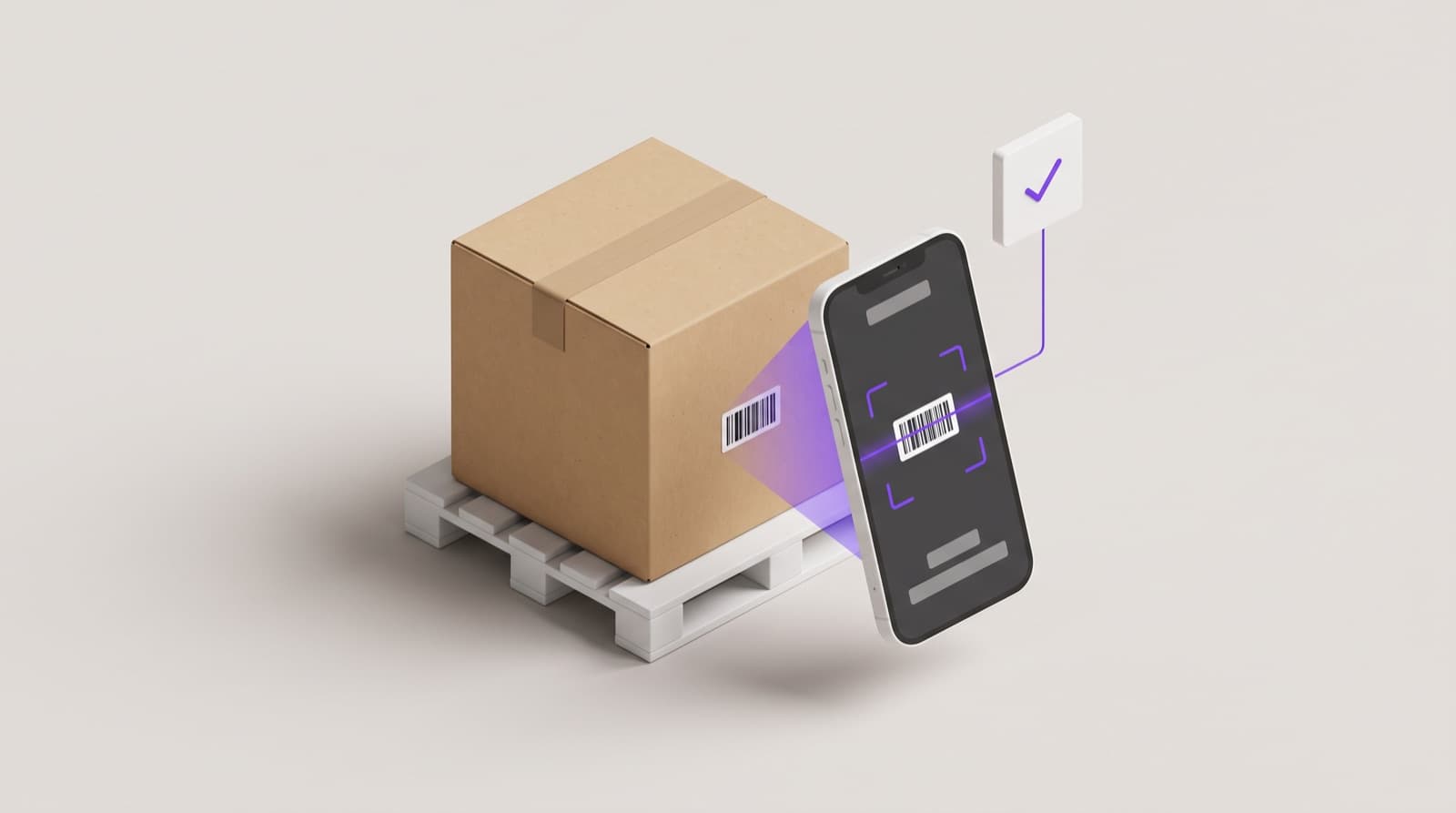
Barcode scanning keeps the return process in warehouse operations fast and accurate. A quick scan pulls up order details, return reasons, and condition rules. Based on that data, the system decides the next step instantly. This prevents returned goods from sitting idle and taking up valuable space.
Best Practices to Improve Your Warehouse Return Process
A smooth warehouse return process starts with clear organization and thoughtful planning. Small changes can save time, reduce errors, and improve overall efficiency.
1. Create Dedicated Return Zones
Having a specific area for returned items keeps the warehouse organized. It reduces clutter and ensures returned products don’t block other operations. For example, e-commerce warehouses often set aside a section near the receiving docks for returns, making it easier for staff to process items quickly.
2. Establish Clear Inspection Criteria
Not all returned products are the same. Careful inspection helps determine whether items can be restocked, repaired, or recycled. Clear guidelines prevent mistakes and speed up the return to warehouse process.
3. Apply Fast Disposition Rules
Deciding quickly what to do with returned goods reduces congestion. Whether it’s restocking, sending items for refurbishment, or recycling, clear rules make sure products move through the warehouse efficiently.
4. Standardize Pallet Handling
For bulk returns, consistent pallet organization improves space usage and handling speed. Labeled pallets and proper stacking reduce damage and make inventory easier to track.
5. Improve Visibility Across Teams
Sharing real-time updates between teams ensures everyone knows the status of returns. Communication tools, WMS dashboards, or simple checklists can help teams coordinate, avoid duplication, and reduce delays.
Why Warehouses Choose PackageX to Streamline Returns Management?
Modern warehouses trust PackageX to simplify complex return workflows and keep inventory moving efficiently. The platform connects every step of the return process, from receiving and inspection to restocking, with automation, visibility, and speed.
- Centralized Return Control: Manage all returns from a single dashboard with real-time visibility into every item’s status, condition, and next step.
- Automated Workflows: Eliminate manual bottlenecks with barcode scanning, rule-based routing, and instant disposition updates, cutting handling time in half.
- Smart WMS Integration: Seamlessly connect PackageX with your existing Warehouse Management System to synchronize return data and avoid inventory mismatches.
- Faster Restock & Recovery: Accelerate return-to-stock timelines and recover more product value by automating inspection and restocking triggers.
- Scalable for 3PL Operations: Handle multi-client return rules, SLAs, and workflows from one unified system designed for flexibility and growth.
FAQs
What is the purpose of a warehouse return process?
The warehouse return process ensures returned products are received, inspected, and restocked quickly. It helps maintain inventory accuracy, reduces space congestion, and improves customer satisfaction through faster refunds and resale.
How do warehouses handle returned goods efficiently?
Efficient warehouses use defined workflows, barcode scanning, and WMS automation to move returned goods smoothly from receiving to inspection and restocking. This minimizes manual effort, shortens processing time, and prevents inventory backlogs.
What challenges do warehouses face in managing returns?
Common issues include inspection delays, misplaced stock, and space congestion during peak seasons. Overcoming these challenges requires clear processes, dedicated return zones, and technology that provides real-time visibility.