Shopping is no longer a single-stop experience. Customers browse on their phones, compare prices on marketplaces, check reviews on social media, and still visit physical stores before making a decision. This shift has changed retail for good.
Multi channel retailing has become the new normal. Businesses now sell through stores, websites, apps, and third-party platforms at the same time. Customers expect that flexibility. They want to choose how and where they buy.
The numbers show how serious this shift is. The global multi channel retail market is estimated to be valued at approximately USD 2.07 billion in 2026. Growth at this level highlights the importance of multi channel retailing in modern commerce.
Competition is also tougher than ever. If your brand is only visible in one place, you risk losing buyers to competitors who are easier to access. In this guide, we will break down the benefits, challenges, and smart strategies behind multi-channel retailing so you can stay ahead.
Key Takeaways
• Retailers use physical stores, ecommerce websites, marketplaces, and social media to reach customers where they prefer to shop. • Shoppers move between devices and platforms before purchasing. Businesses that appear across multiple channels capture more buying opportunities. • Without real-time stock visibility, retailers risk overselling, stockouts, and fulfillment errors that damage customer trust. • Disconnected systems create confusion and limit personalization. Strong technology integration improves efficiency and decision-making. • Diversifying sales channels protects revenue and opens access to new customer segments beyond local markets. • PackageX helps retailers synchronize inventory, reduce fulfillment errors, and gain real-time operational visibility across every sales channel.
What is Multi Channel Retailing?
Multi channel retailing is a strategy where a business sells its products through more than one sales channel, such as physical stores, ecommerce websites, online marketplaces, mobile apps, or social media platforms. Each channel operates independently, but all represent the same brand and product offering.
So, what is multi channel retailing in practice? It simply means giving customers options. A shopper might browse products on your website, compare prices on a marketplace, and then buy in-store. Another customer may complete the entire purchase through a mobile app.
The multi channel retailing meaning is straightforward. You meet customers where they prefer to shop. Each channel works on its own, with its own promotions, pricing, or systems. They may not always share data in real time, but together they expand your reach and increase sales opportunities.
Types of Multi Channel Retailing
Businesses can combine sales channels in different ways. The right mix depends on your customers, products, and growth plans. Below are some of the most common types of multi channel retail logistics, along with practical examples.
1. Brick-and-Mortar
This is the most familiar model. A retailer sells through physical stores and an online shop.
For example, a clothing brand may run stores in major cities while also selling through its website. Customers often browse online, check reviews, then visit the store to try items before buying. Others do the opposite. They try in-store and reorder online later.
This blend increases reach and convenience.
2. Marketplace Selling
Some brands sell on third-party platforms alongside their own website.
Common multi channel retailing examples include brands listing products on Amazon while maintaining their own ecommerce store. Marketplaces bring traffic and visibility, especially for smaller sellers.
3. Social Commerce
Platforms like Instagram and Facebook now allow in-app purchases. A beauty brand can promote products through short videos and let users buy instantly. Social channels shorten the path from discovery to checkout.
4. Mobile Apps
Retail apps improve loyalty and repeat purchases. Grocery chains often use apps for digital coupons and click-and-collect orders.
5. B2B Portal Channels
Manufacturers may sell through a dedicated online portal for wholesale buyers, while also supporting phone orders or sales reps. This model supports bulk ordering and account-based pricing.
Multi Channel Retailing vs Omni Channel: Key Differences
Understanding multi channel retailing vs omni channel strategy helps you choose the right model for your business.
In simple terms, multi channel retailing means selling through several separate channels. Think physical stores, an online shop, a marketplace listing, and social media sales. Each channel works on its own.
Omnichannel fulfillment connects those channels. The goal is one smooth, unified customer journey across every touchpoint.
Here is a clear comparison of omni channel vs multi channel retailing:
| Criteria | Multi Channel Retailing | Omnichannel Retailing |
|---|---|---|
| Integration Level | Channels operate independently | Channels are fully integrated |
| Customer Experience | Different experiences on each platform | Consistent and connected experience across all touchpoints |
| Data Synchronization | Limited syncing or manual updates between systems | Real-time shared data across all systems |
| Inventory Management | Stock levels may vary by channel | Centralized inventory visibility across all channels |
For example, a retailer selling in-store and online without shared inventory is using a multi channel approach. If customers can buy online and pick up in store with real-time stock updates, that is omnichannel.
Choose multi channel retailing if you want faster expansion with lower upfront complexity. Choose omnichannel if customer experience and long-term integration are top priorities.
Importance of Multi Channel Retailing in Modern Commerce
The importance of multi channel retailing has never been clearer. Today’s customers qbrowse on their phones, compare prices on marketplaces, and visit stores when it suits them. If your business shows up in only one channel, you miss part of that journey.
1. Customer Convenience Drives Sales
Shoppers expect options. Some prefer buying online for speed. Others want to see or try a product in person. Multi channel retailing gives them that flexibility.
Think about a customer who discovers a product on Instagram, reads reviews on a marketplace, and then completes the purchase on your website. Each touchpoint builds trust. Without multiple channels, that sale might not happen.
2. Greater Visibility
Selling across stores, ecommerce logistics sites, and marketplaces expands your audience. You are not limited to foot traffic or a single platform’s algorithm. This increases brand exposure and strengthens competitive position.
3. Revenue Diversification
Relying on one channel is risky. If store traffic drops or online ads become expensive, revenue suffers. A diversified retail strategy spreads that risk. When one channel slows, another can carry the load.
Benefits and Advantages of Multi Channel Retailing
Here are the key benefits of multi channel retailing that matter most.
1. Increased Revenue Potential
One of the biggest advantages of multi channel retailing is higher sales potential.
Customers rarely buy the first time they see a product. They research online, compare prices, read reviews, and sometimes visit a store before making a decision. If you only sell through one channel, you risk losing them along the way.
For B2C brands, that could mean someone discovering a product on social media and completing the purchase on your website. For B2B companies, buyers may research online and place bulk orders through a sales portal.
2. Expanded Market Reach
Selling across physical stores, ecommerce platforms, and marketplaces helps you reach customers beyond your local area.
A small retailer can now sell nationwide through an online store. A manufacturer can serve international buyers through digital catalogs. Multi channel retail management removes geographic limits and opens access to new customer segments.
3. Improved Customer Insights
Multiple sales channels generate more data. You can see which products sell best online, which perform better in-store, and how customers move through the buying journey.
These insights help refine pricing, promotions, and inventory planning.
4. Greater Brand Visibility
When your brand appears on search engines, marketplaces, and social platforms, it stays top of mind. Visibility builds trust, especially for new customers who need reassurance before making a purchase.
5. Competitive Advantage
Businesses that adopt multi channel retailing stay flexible. They can shift focus when demand changes, respond faster to trends, and serve customers the way they prefer.
Challenges of Multi Channel Retailing
Running a multi channel retailing strategy sounds exciting. More channels mean more customers. But it also brings real operational pressure. Many businesses discover the challenges of multi channel retailing only after they expand.
Here are the most common ones.
1. Inventory Management Complexity
Inventory is where things often break down.
When you sell through a physical store, an online shop, and a marketplace, stock levels must update in real time. If they do not, you risk overselling.
Imagine a retailer with 10 units left in stock. A customer buys the last item in store. At the same time, someone else orders it online. Without synced inventory systems, both orders go through. Now you have an unhappy customer and a refund to process.
2. Pricing Inconsistencies
Different channels often mean different pricing strategies.
Online discounts, in-store promotions, and marketplace fees can create confusion. Customers compare prices instantly. If they see the same product cheaper on another channel, it hurts credibility.
This can also create channel conflict. Retail partners may push back if your direct-to-consumer pricing undercuts them.
3. Order Fulfillment Issues
Shipping from multiple warehouse locations adds complexity.
Late deliveries, split shipments, and return management become harder to track. A delayed order can erase the benefits of offering multiple buying options.
4. Data Fragmentation
Customer data often sits in separate systems.
Without integration, you cannot see the full customer journey. That limits personalization and demand forecasting.
5. Increased Operational Costs
Each channel adds setup costs, staff, software, and logistics expenses.
Multi channel retailing can drive growth. But without strong systems and planning, the costs and inefficiencies can outweigh the gains.
Strategy: How to Build a Successful Multi Channel Retailing Model
Building a strong multi channel retailing strategy takes planning. It is about being in the right places, with the right systems behind you.
Here’s how to do it right.
Start With Customer Research
Before adding new sales channels, understand how your customers shop.
Do they browse on mobile but buy in store? Do they compare prices on marketplaces before purchasing from your website?
Use customer data, surveys, and purchase history to spot patterns. For example, many retailers noticed a spike in mobile browsing but lower mobile conversions. That insight led them to improve checkout design. Small changes made a big impact on revenue.
Choose the Right Channels
Not every channel fits every business.
A fashion brand might benefit from social commerce. A B2B supplier may need an online portal with bulk ordering. Focus on platforms where your audience already spends time.
Adding too many channels too fast can stretch your team and budget.
Centralize Inventory Systems
Inventory mismanagement hurts your overall operations.
If a product shows in stock online but is unavailable in store, customers get frustrated. A centralized inventory management system keeps stock levels updated in real time. It reduces overselling and improves order fulfillment.
Align Pricing Strategy
Customers compare prices across platforms. If they see large gaps, it creates confusion.
Keep pricing consistent across channels, even if promotions differ. Clear pricing builds confidence and supports a healthy retail strategy.
Invest in Technology Integration
Multi-channel retailing works best when systems talk to each other.
Your ecommerce platform, point-of-sale system, and warehouse management software should automatically share data. Integrated tools improve customer experience, speed up fulfillment, and give you better insight into performance across every channel.
The Future of Multi Channel Retailing
The future of multi channel retailing is shaping up to be faster, smarter, and more connected. Businesses that understand the importance of multi channel retailing will stay ahead by meeting customers wherever they shop.
- AI and Personalization: Retailers are using AI to create personalized shopping experiences. Recommendation engines suggest products based on past purchases and browsing behavior. For example, a fashion brand can show outfit combinations to online shoppers in real time, boosting engagement and sales.
- Mobile-First Commerce: More than half of global online traffic comes from mobile devices. Optimizing channels for mobile ensures customers can browse and buy anytime, anywhere.
- Social Commerce Growth: Platforms like Instagram and TikTok are driving billions in sales. Brands that integrate social channels into their multi channel retailing strategy reach younger audiences effectively.
- Sustainability and Smart Inventory: Shoppers expect eco-friendly practices and transparency. Real-time inventory systems help retailers avoid stockouts and waste, making operations more efficient and sustainable.
Simplify Multi-Channel Retailing with PackageX
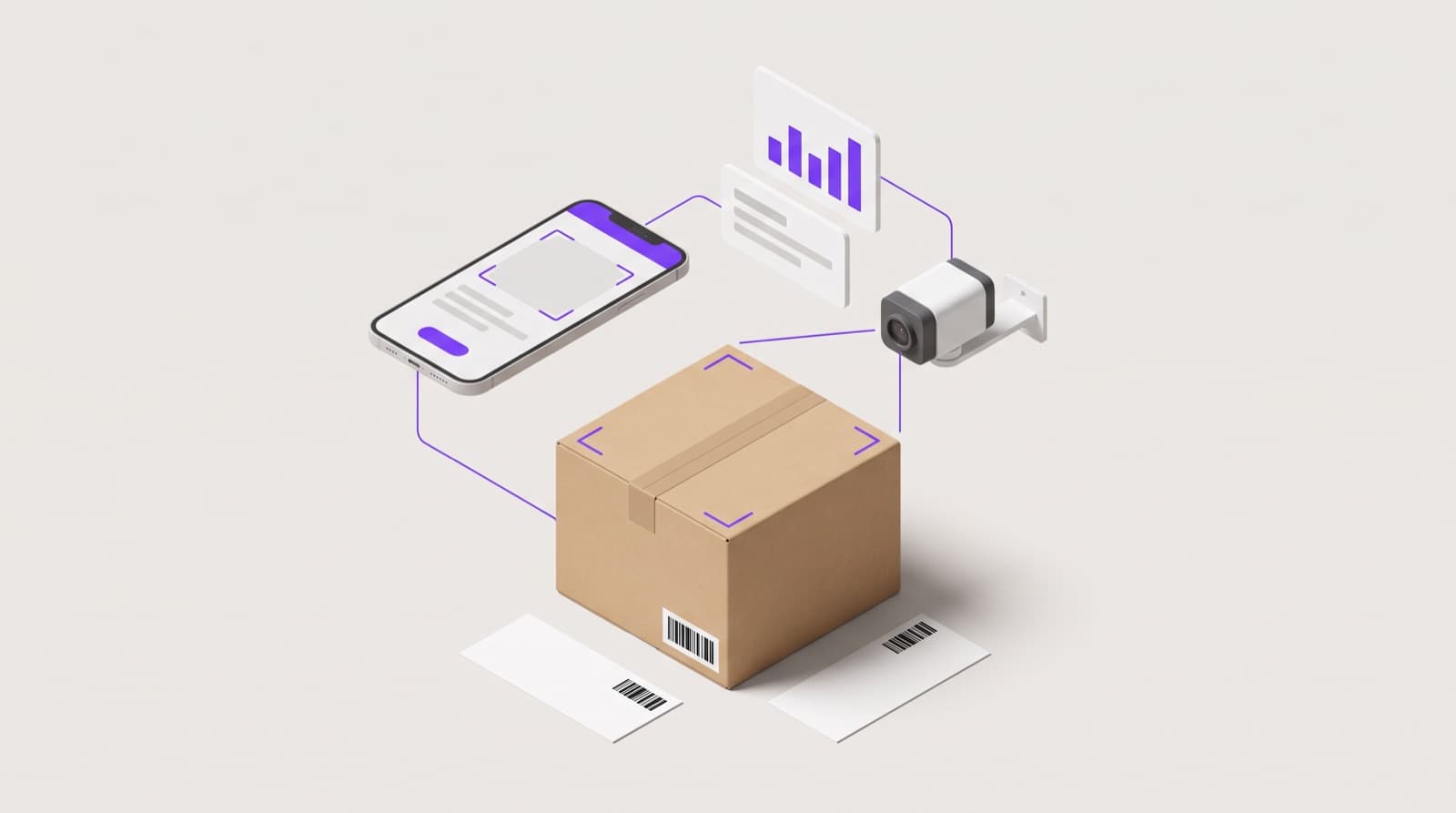
Managing multi-channel retailing becomes difficult when inventory, orders, and store operations run on separate systems. PackageX connects the physical and digital sides of retail, so every channel works with real-time data.
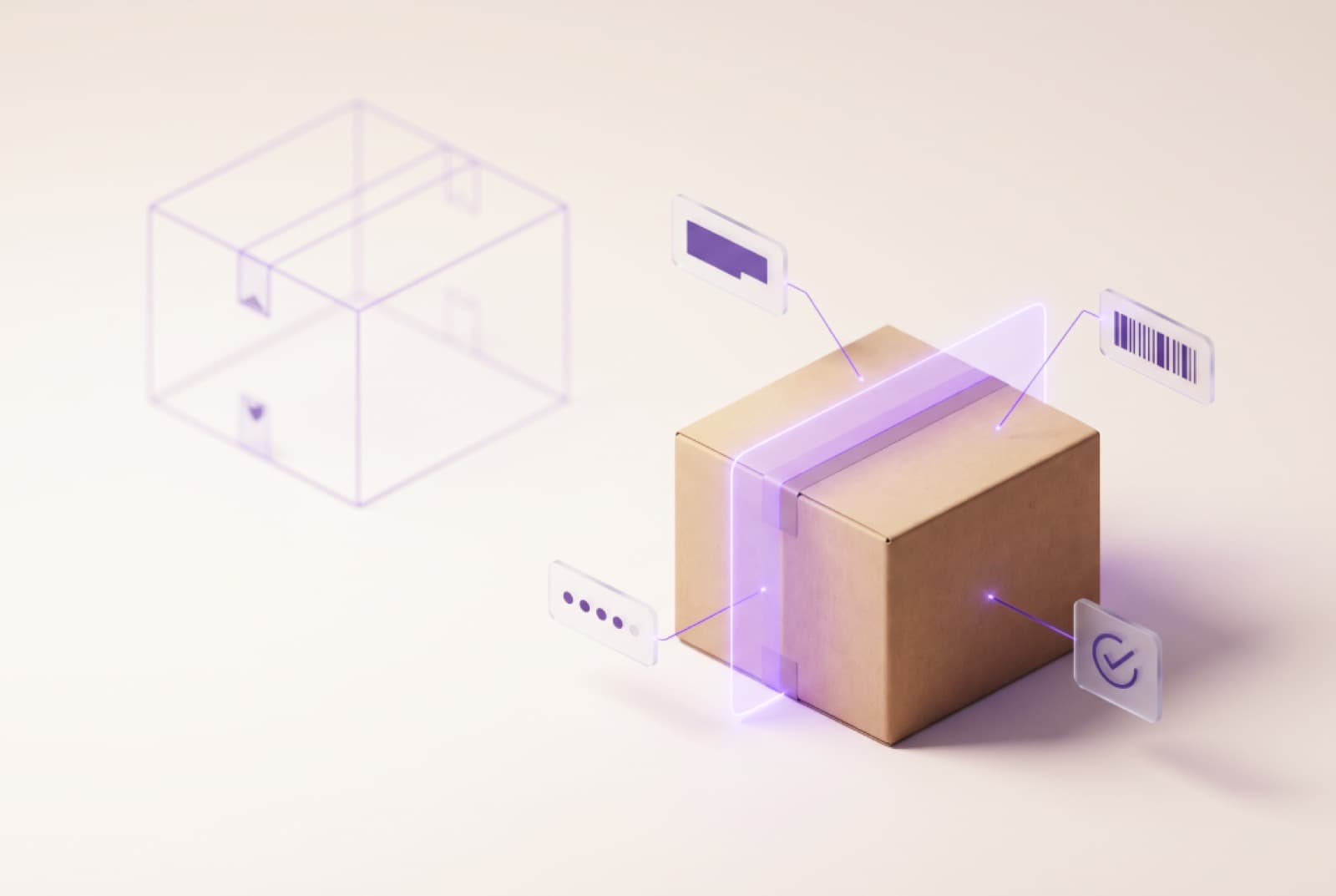
- Real-Time Inventory Accuracy: Vision AI captures product movement at receiving, shelving, and fulfillment. Stock updates automatically across stores, ecommerce sites, and marketplaces to prevent overselling and stockouts.
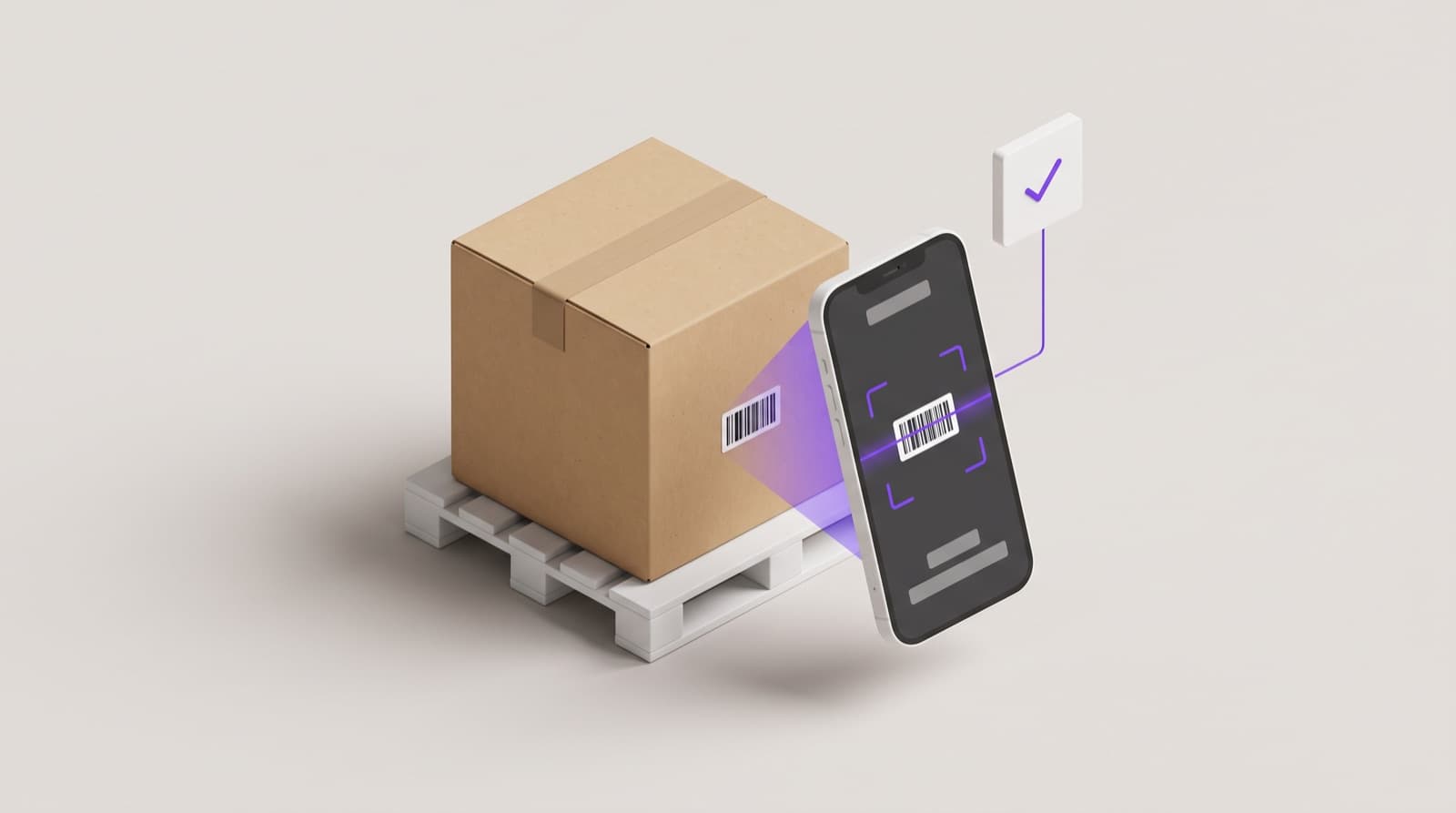
- Error-Free Fulfillment: Smart barcode scanning verifies items before shipment or pickup. This reduces returns, improves delivery speed, and protects customer trust.
- Multi-Channel Growth: From the backroom to the checkout counter, PackageX gives retailers a clear operational view that supports smarter multi-channel growth.
FAQs
What does multi-channel mean in retail?
In retail, multi-channel means selling products through more than one sales platform at the same time. These platforms can include brick-and-mortar stores, online shops, mobile apps, social media, or marketplaces. Each channel functions separately but contributes to overall sales growth.
What is an example of multichannel?
An example of multichannel is a grocery chain that allows customers to shop in-store, place orders through a website for home delivery, and use a mobile app for digital coupons and click-and-collect pickup.
Can small businesses adopt multi channel retailing effectively?
Yes. Small businesses can start with two strong channels, such as a physical store and an ecommerce site or a marketplace. The key is to use centralized tools for inventory and order management to avoid operational strain as sales grow.