Most businesses think their inventory problems start on the warehouse floor. They actually start at the buying decision. Order too much and cash gets locked in stock that will not sell. Order too little, and you stock out mid-promotion, sending customers to a competitor. Inventory purchasing is where that balance is won or lost, and it touches forecasting, suppliers, cash flow, and accounting all at once.
It is also getting more attention as the tools around it mature. The inventory management market is expected to reach USD 2.95 billion in 2026 and grow to USD 4.14 billion by 2031, at a 6.99% CAGR, indicating that more businesses are investing in software to make purchasing and inventory decisions using data rather than gut feel.
This guide breaks down what inventory purchasing means, how it differs from procurement, the step-by-step process, the main purchasing methods, how inventory is handled in a business acquisition, the tradeoffs and metrics that matter, and the software and technology that keep it accurate.
Key Takeaways
• Inventory purchasing, also called inventory acquisition, is the end-to-end process of deciding what to buy, how much, when, and from whom, then receiving and recording it. • It is narrower than procurement: purchasing inventory focuses only on getting sellable goods into your pipeline at the right time and at the right cost. • The core process runs from demand forecasting and vendor coordination to purchase orders, receiving and verification, and accounting entry. • In a business acquisition, transferred stock is valued at net realizable value, and obsolescence and financing become major deal points. • PackageX uses Vision AI to close the gap between what was ordered and what actually arrived.
What is Inventory Purchasing?
Inventory purchasing is the process of sourcing, valuing, and buying the goods or materials a business needs to sell or produce, then receiving and recording them as stock. The inventory acquisition meaning is essentially the same: it is the end-to-end chain that answers three questions every time, namely what to buy, how much is needed, and when to place the order.
When done well, inventory acquisition keeps stock levels aligned with demand while minimizing holding costs and protecting cash flow. It is the front end of the whole inventory lifecycle. Every downstream count, pick, and sale depends on the right products being bought in the right quantities and arriving on time.
The term shows up in two distinct contexts. The first is daily operations, where purchasing inventory involves routine replenishment based on forecasts and reorder points. The second is a business sale, in which the acquisition of inventory involves valuing and transferring an existing company's stock as part of the deal. This guide covers both.
Inventory Purchasing vs Procurement
Purchasing inventory and procurement are often used interchangeably, but they are not the same scope. Procurement is the broad function: vendor selection, contract negotiation, spend management, and buying everything the business needs, from software subscriptions to office supplies. Inventory management and purchasing reduce this to a single outcome: getting sellable products into your fulfillment pipeline at the right time and at the right cost.
In practice, purchasing inventory rarely sits in one department. Operations tracks how fast each SKU moves and how many days of stock are on hand. Finance manages cash flow constraints and supplier payment terms. Supply chain coordinates with vendors and freight partners. When those functions operate in silos, inventory purchasing breaks down, and the warehouse bears the cost of congestion or stockouts.
Step-by-Step Inventory Purchasing Process
A disciplined inventory purchasing process ties each stage to a verifiable event, so nothing relies on memory or a stray spreadsheet.
- Demand forecasting: Analyze historical sales data, seasonality, and market trends to predict how much of each SKU you will sell and when. This sets reorder points based on sales velocity, supplier lead time, and a safety stock buffer.
- Vendor coordination: Identify reliable suppliers, negotiate pricing and terms, compare minimum order quantities, and execute the purchase order (PO). Diversifying suppliers reduces the impact of any single disruption.
- Receiving and verification: Match the incoming shipment against the PO and the delivery receipt to catch quantity and pricing discrepancies before they become accounting errors. This is the purchase order receiving step, where most purchasing accuracy is made or lost.
- Accounting entry: Capitalize the goods as inventory on the balance sheet and record accounts payable in accordance with vendor terms, such as net 30. Accurate three-way matching of POs, receipts, and invoices keeps the books clean.
Each step ends in a check. Skipping the receiving verification is the most common reason purchasing data drifts away from what is physically on the shelf.
Inventory Purchasing Methods
There is no single right way to buy stock. The best inventory management purchasing approach depends on demand stability, cash position, and supplier terms. A few methods dominate.
Reorder point and economic order quantity
- A reorder point triggers a new order when stock falls below a set threshold, calculated from daily sales velocity, lead time, and safety stock.
- Economic order quantity (EOQ) calculates the order size that minimizes the combined cost of ordering and holding inventory, balancing bulk discounts against carrying costs.
Just-in-time purchasing
- Stock is bought to arrive just as it is needed, keeping inventory lean and freeing up cash.
- It depends on highly reliable suppliers and tight lead times, because there is little buffer if a shipment slips.
Bulk and forward buying
- Larger orders lower the per-unit cost and protect against price increases, which suits stable, high-velocity SKUs.
- The tradeoff is more capital tied up in stock and more warehouse space consumed.
Inventory valuation methods
- For accounting, purchased inventory is costed using FIFO, LIFO, or weighted average, which affects the cost of goods sold (COGS) and reported margins.
- The method you choose affects how purchasing decisions are reported in the financial statements, so finance and operations need to align on it.
Inventory Acquisition in a Business Purchase
Inventory purchasing also refers to buying an entire business or franchise. Here, the existing stock being transferred is a major valuation point and can make or break the deal.
- Quality and obsolescence: Due diligence is required to confirm that the acquired stock is not dead, damaged, or obsolete, because a balance sheet full of unsellable goods is worth far less than it appears.
- Fair value calculation: Under standard accounting principles, acquired inventory is typically valued at its net realizable value (NRV), which is the expected selling price less disposal costs and a reasonable profit margin.
- Financing the stock: If paying for inventory at closing creates a cash crunch, alternatives such as consignment or locked-cage arrangements can be negotiated, allowing the buyer to pay for stock as it is sold or used.
This context matters because the operational discipline that makes day-to-day purchasing accurate, namely verified receiving and clean records, is exactly what makes inventory easy to value and trust during an acquisition.
Key Tradeoffs in Purchasing Inventory
Every purchasing inventory decision is a balancing act, and the right answer shifts as the business grows.
- Cost vs speed: Faster freight prevents stockouts but eats into margin; standard freight is cheaper but slower.
- Order size vs cash flow: Large orders reduce per-unit cost but lock up capital; small orders preserve cash but increase reorder frequency.
- Single vs diversified suppliers: One trusted supplier simplifies operations; multiple suppliers reduce the risk of a single point of failure.
- Safety stock vs. lean inventory: A higher buffer reduces stockouts but increases carrying costs; a lean buffer frees cash but requires short, reliable lead times.
Metrics That Keep Inventory Purchasing on Track
The right KPIs connect buying decisions to both order fulfillment and financial health, flagging small misses before they become expensive.
- Days on hand: How long current stock lasts at the current sales rate, which signals how urgently to reorder.
- SKU velocity: How fast each product sells, which informs reorder frequency and quantity.
- Inventory turnover rate: How many times stock is sold and replaced, revealing whether you are over- or under-buying.
- Stockout rate: How often SKUs run out of stock, measuring purchasing timing accuracy.
- Supplier fill rate: The percentage of ordered units delivered on time and in full, which flags unreliable vendors early.
- Carrying cost as a percentage of inventory value: How much capital is tied up in holding stock.
Best Practices for Purchasing Inventory Management
- Forecast before you buy: Base every order on demand data and reorder points, not on habit or a supplier's sales pitch.
- Build receiving time into reorder triggers: Account for the days between dock delivery and when stock becomes available, so a "received" shipment is actually sellable when you expect it to be.
- Verify every receipt against the PO: Catch short-ships, overages, and pricing errors at the dock, not at month-end close.
- Standardize the PO workflow: Forecast review, approval, placement, supplier confirmation, shipment tracking, and exception handling to keep purchasing repeatable.
- Connect purchasing and inventory in one system: When you buy data and stock data together, you stop ordering blindly.
- Review supplier performance regularly: Track fill rate and lead-time reliability so that weak vendors surface before they cause a stockout.
The Role of Purchasing Inventory Software
Manual purchasing inventory management runs on spreadsheets, email threads, and best guesses, and it breaks down the moment SKU counts climb. Purchasing inventory software replaces that with real-time visibility into stock levels, sales velocity, and supplier performance.
Good purchase order inventory management systems automate reorder triggers, generate and track POs, manage supplier records, and reconcile receipts against orders. The result is fewer stockouts, less dead stock, and data-driven purchasing decisions. The weak link, though, is usually not the software's planning logic. It is the handoff where physical goods arrive and must be matched by hand against the system record.
How PackageX Strengthens Inventory Purchasing
PackageX does not source suppliers or place purchase orders. What it does is own the stage where purchasing succeeds or quietly fails: the moment goods arrive and have to be verified against what was actually bought. PackageX uses Vision AI to close that gap.
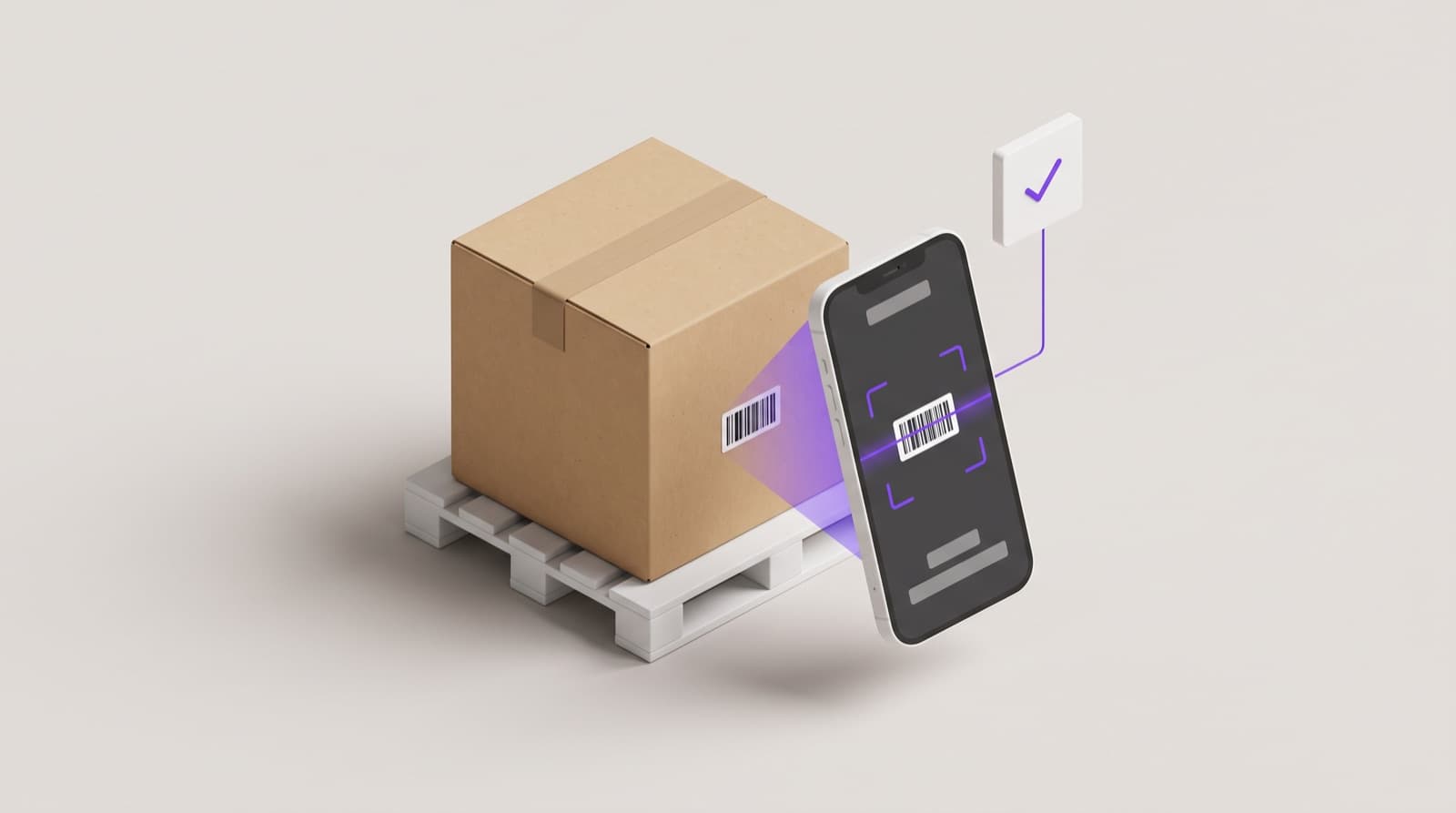
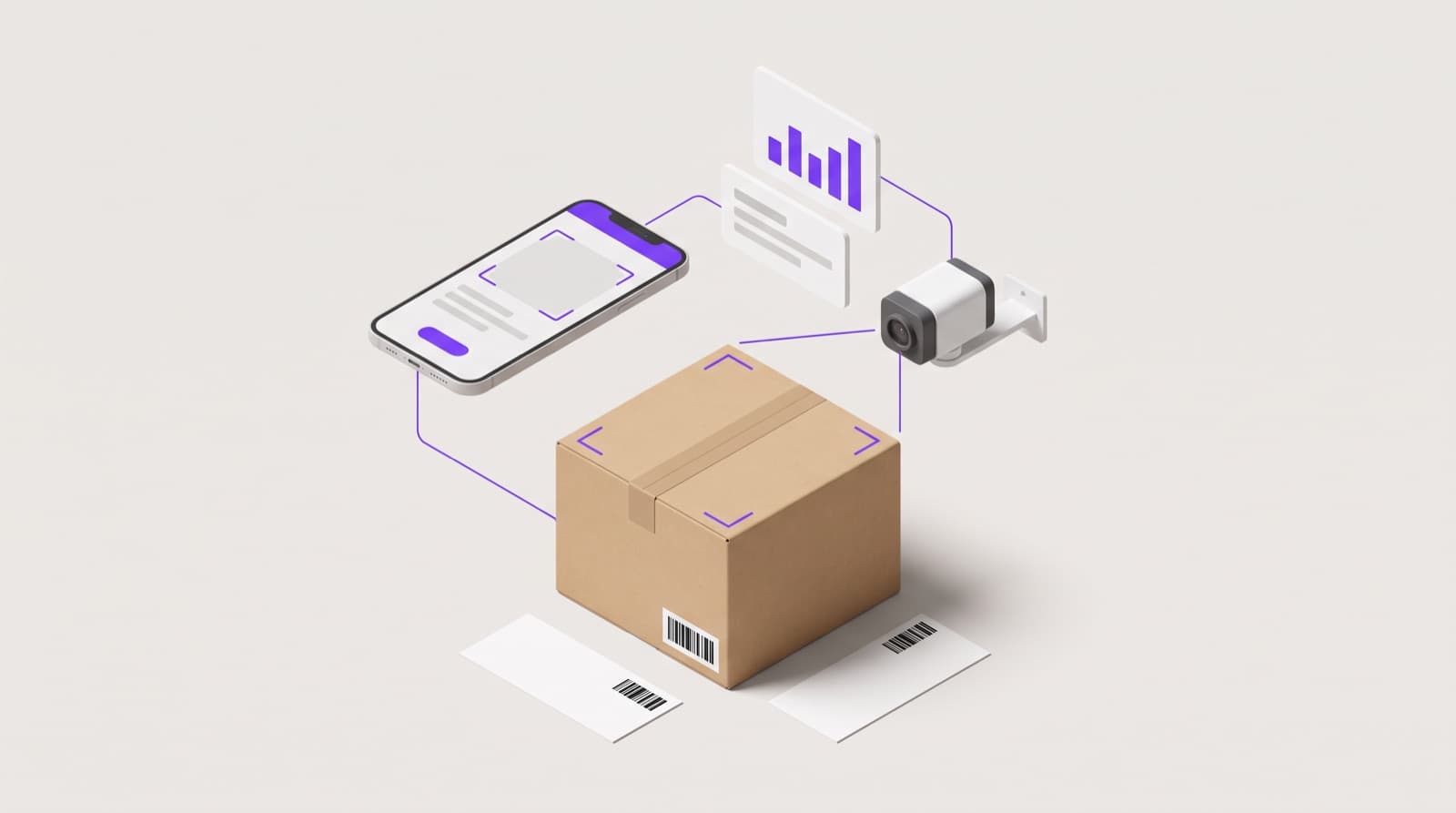
- Turns any device into a scanner. PackageX turns any smartphone, tablet, or fixed camera into an AI scanner that reads text, single and multiple barcodes, and QR codes, so receiving teams can capture inbound data without dedicated hardware.
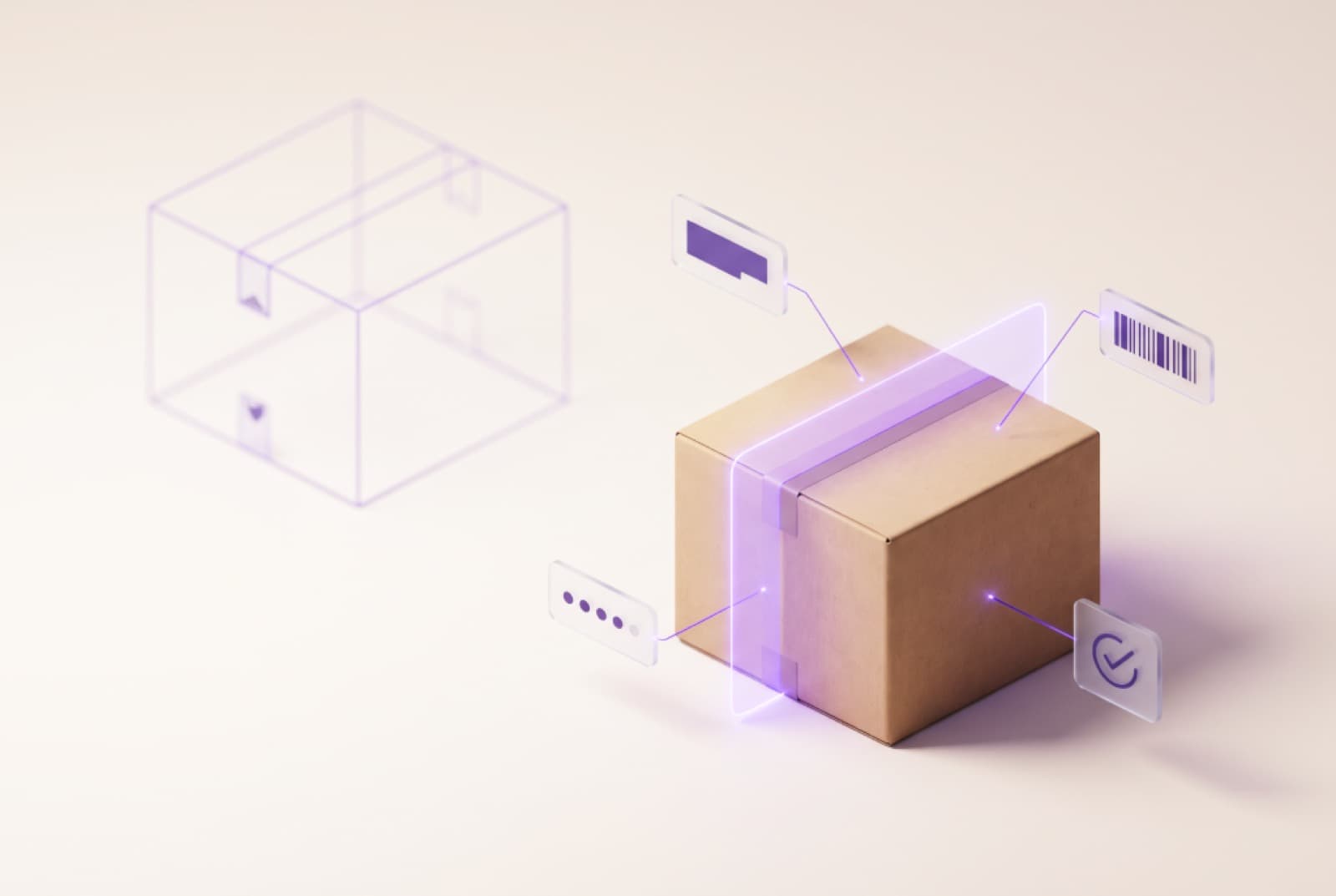
- Matches receipts to purchase orders: At the dock, PackageX captures shipment and label data and supports matching against the PO and advance shipping notice, so quantity and item discrepancies are caught before they hit the books.
- Detects damage on arrival: The AI scanner can flag damage upon receipt, so issues with purchased stock are documented at the point of entry rather than discovered later.
- Syncs verified data to your systems: Through its API and SDK suite, PackageX pushes clean, verified receiving data into your WMS or ERP, keeping purchasing records aligned with what physically arrived.
Frequently Asked Questions
What is the difference between inventory purchasing and procurement?
Procurement is the broad function of acquiring everything a business needs, including services, equipment, and supplies, as well as selecting vendors and negotiating contracts. Inventory purchasing is narrower and focuses solely on acquiring sellable goods or materials for your inventory pipeline at the right time, in the right quantities, and at the right cost. In short, all inventory purchasing is procurement, but not all procurement is inventory purchasing.
How do you calculate inventory purchases?
You can derive inventory purchases from the cost of goods sold and inventory balances using this formula:
Purchases = COGS + ending inventory − beginning inventory.
For example, if COGS is USD 80,000, ending inventory is USD 25,000, and beginning inventory is USD 20,000, then purchases for the period were USD 85,000. This ties your buying activity directly to what you sold and what is left on the shelf.
What is purchasing inventory software, and why use it?
Purchasing inventory software is a tool that manages the buying side of inventory, including demand-based reorder triggers, purchase order creation and tracking, supplier management, and receipt reconciliation. Businesses use it to replace manual spreadsheets, reduce stockouts and dead stock, and make purchasing and inventory decisions from real-time data rather than guesswork, which becomes essential as SKU counts and order volumes grow.