We recently sat down with Jeannie Carpenter, Founder and Head Coach at Your Logistics Coach, to talk about a challenge she's been helping clients solve for over two decades. And it's one that sits at the core of what we do at PackageX.
Carpenter has more than 20 years of experience providing complete end-to-end visibility for her customers. She's seen it all. But there's one problem that still gets to her more than any other: tracking a package from China to the US, only to lose it somewhere between the dock door and the ERP system.
"I would joke with the inventory team leader that my team and processes were able to keep track of products from all the way across the globe and then lost them within our 4 walls," Carpenter told us. "All joking aside, this is a real problem faced in the industry and it happens due to multiple reasons."
The Blind Spot at the Dock Door
Many of Carpenter's clients are now focused on what she calls the "final feet" of a product's journey. That's the handoff from dock door to operational system.
"We've all seen how supply chains have become faster, global, and more complex over the years," she explained. "We've also all heard the catch phrases of end-to-end visibility through the final mile, but we are now looking at the final feet of the shipment."
Here's what happens. Carriers deliver to the dock. Pallets are offloaded. And at that moment, most systems lose visibility. The product arrives. But what happens next isn't always clear. The receiving team has a process and sometimes that might be scanning a barcode, manual logging, or maybe even just logging it into a spreadsheet.
These detailed processes work well. Until they don't. Multiple supplier barcodes. Mixed formats. Overlapping labels. "Sometimes the supplier flat-out says they won't follow the process," Carpenter noted.
The package made it to your facility. But the hand-off into your operational system (put-away, confirmation, storage) has a blind spot.
Why Traditional Technologies Fall Short
Carpenter highlighted a core issue we hear from customers all the time. Most receiving and inventory systems still rely on single barcode scans, manual entry, or isolated systems that don't talk to each other.
"As end consumers, we are already accustomed to getting a delivery notification and a picture right to our phone within seconds of the final delivery," she said. "Our business processes and technologies are still trying to catch up to our final feet consumer expectations of visibility. Speed of delivery has always been integral to the overarching success of a business."
She pointed to several reasons why legacy barcode scanners and hardware can't keep up with modern logistics:
- Labels now carry multiple barcodes. Carrier codes, internal POs, RMA numbers, routing info. A scanner that isn't adaptive can pick the wrong one.
- Smudged, bent, or tape-covered labels cause scanning failures. That means manual workarounds.
- Data captured at the dock often doesn't flow into the WMS, ERP, or inventory system in real time.
- Traditional handheld scanners cost thousands to lease and maintain. And they still run on outdated operating systems with limited camera quality.
The Intelligence Gap: When One Label Has Five Barcodes
Carpenter's observations match what we see every day. A single package can show up with a label that looks like a barcode buffet. USPS, FedEx, SurePost, DHL. Plus codes for PO numbers, RMA, and invoice IDs.
Now hand that label to someone during peak hours. They're moving fast. Hundreds of packages to get through. Sure, the tracking code is obvious. It's the biggest one there.
But when you're under pressure, with hardware that reads whatever it sees first, mistakes happen. Scan the wrong code, and that package gets logged to the wrong system. Flagged for manual review. Or lost in internal tracking.
It's not a training problem. It's a speed problem. Traditional barcode scanners can't keep up with the pace of modern logistics.
How PackageX Closes the Gap
This is the problem PackageX was built to solve. We provide visibility to this blind spot by combining intelligent scanning with system integration.
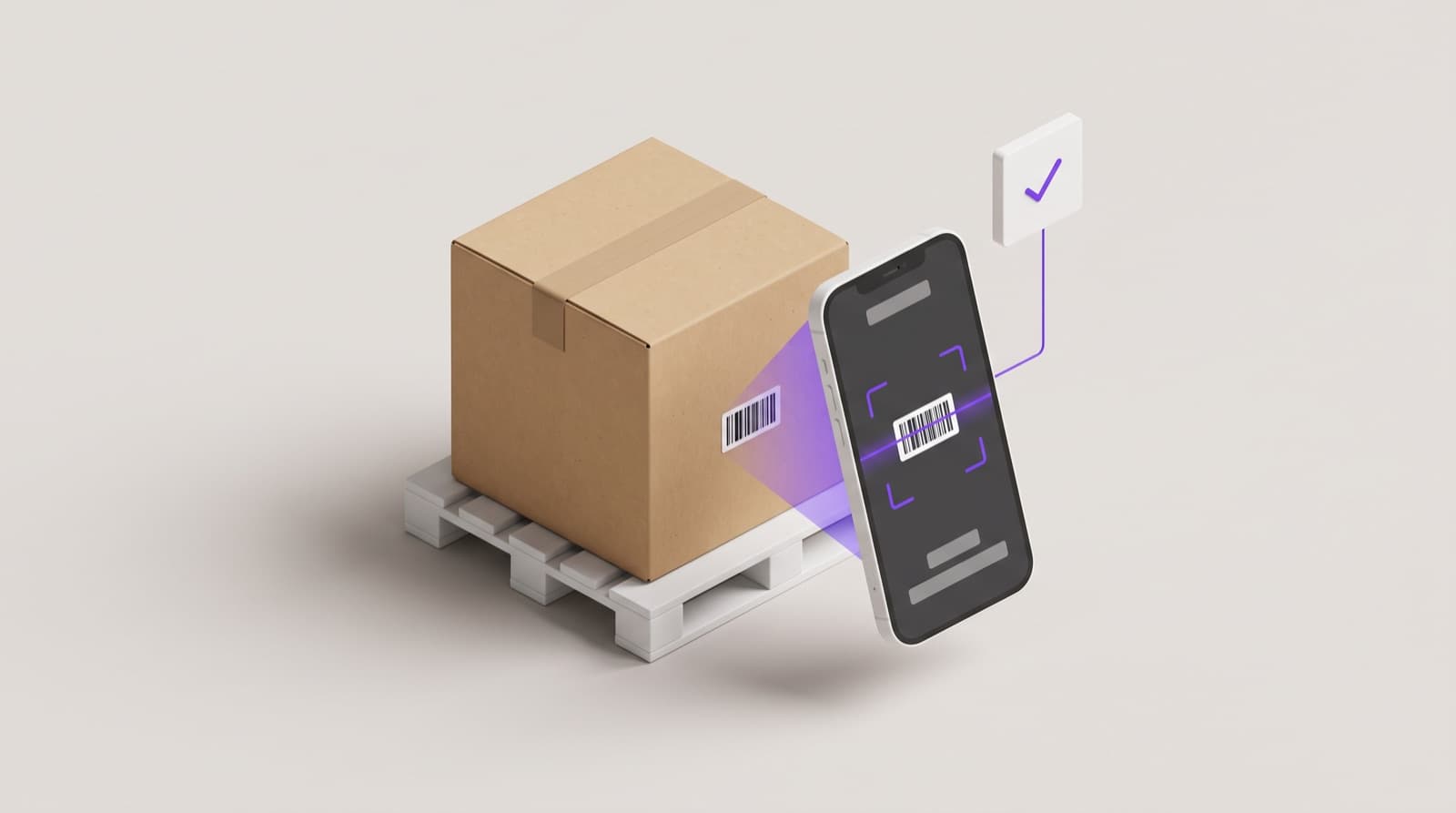
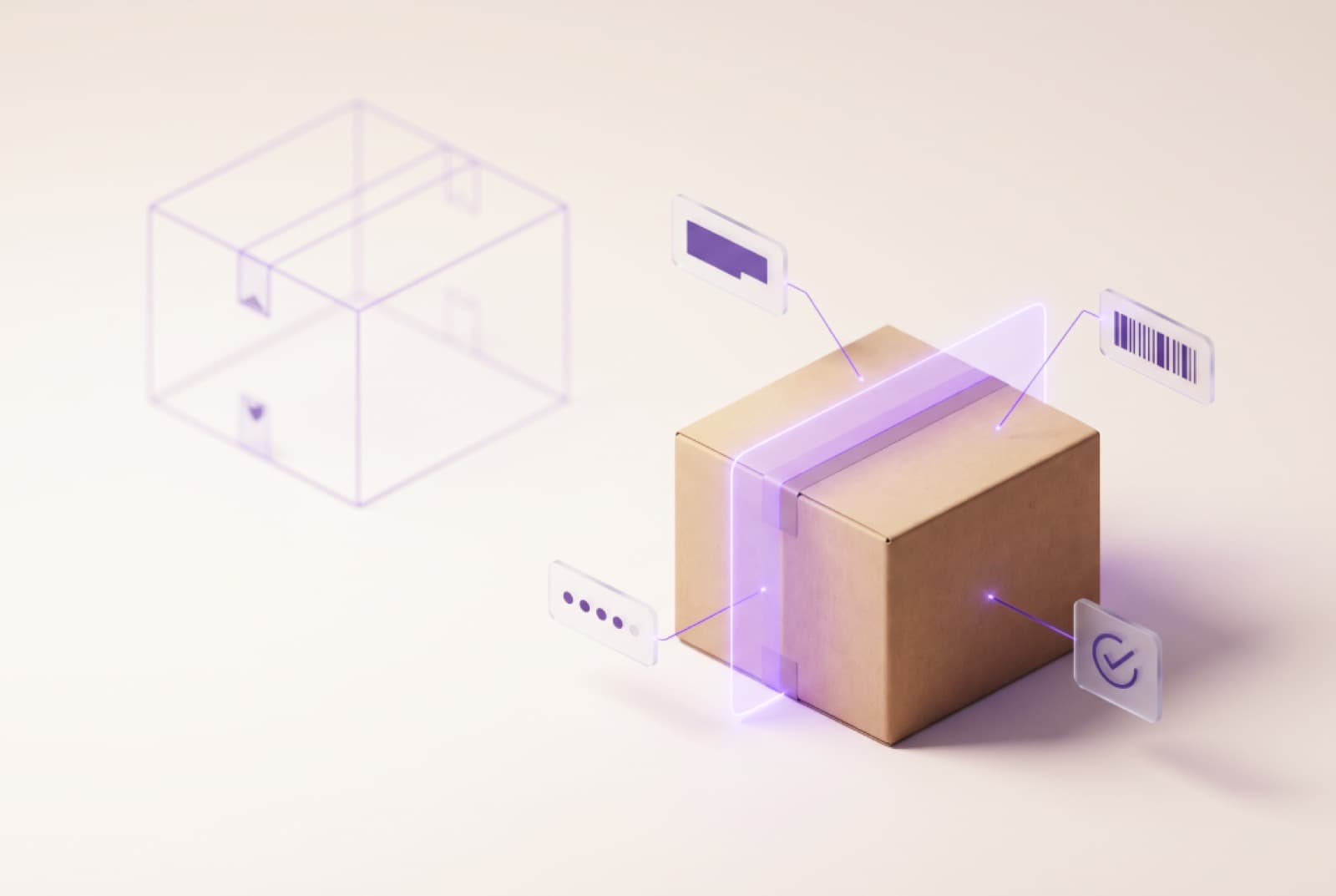
Traditional scanners grab the first barcode they see. PackageX uses computer vision and machine learning to understand context. When there are five barcodes on a label, our system picks the right one based on your workflows and rules. No training. No guessing. No errors.
What does that look like in practice?
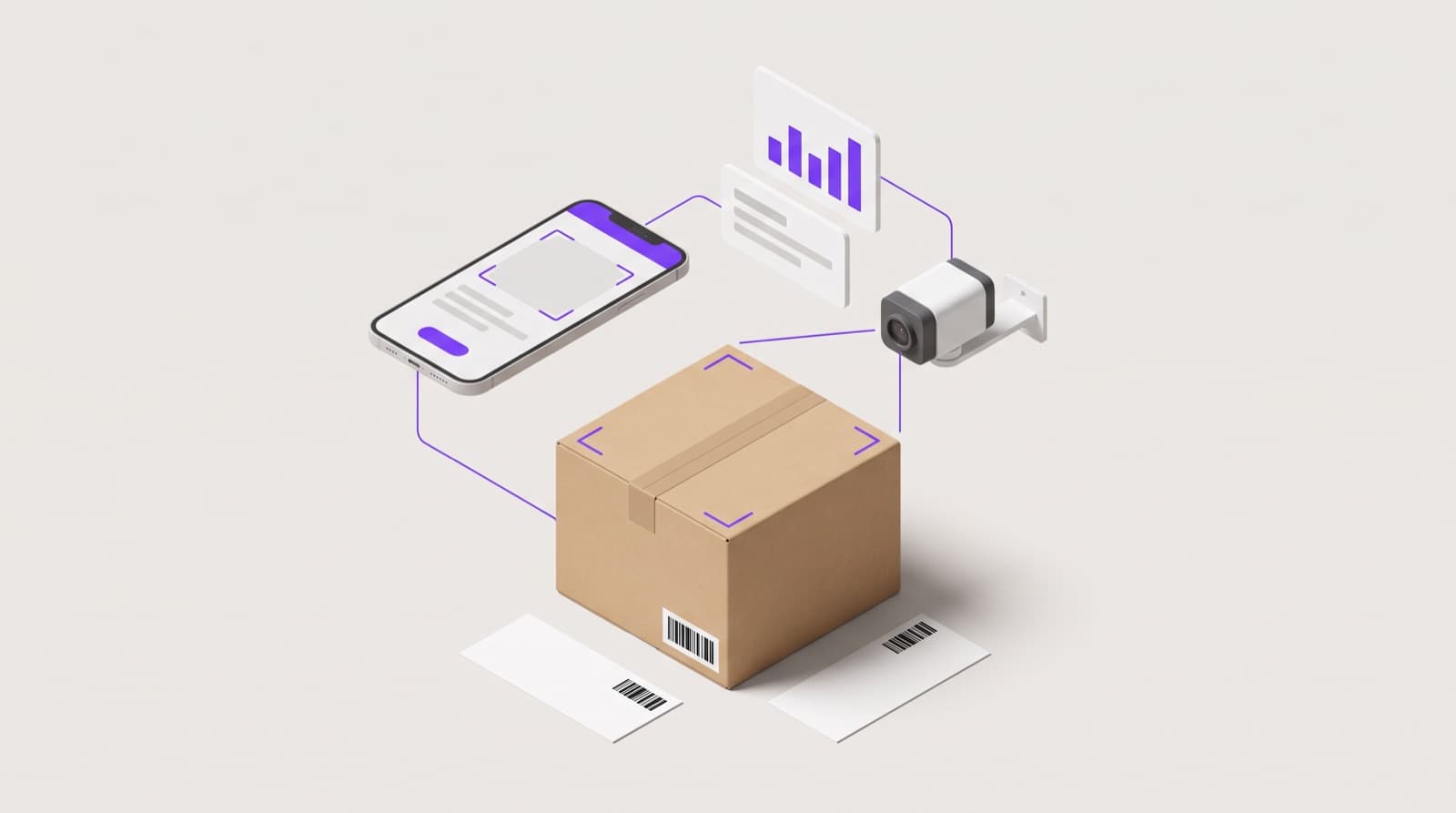
Our system reads multiple barcodes at once and applies your business logic to select the correct one. Advanced OCR and image processing can pull data from labels that would defeat a traditional scanner. Data flows directly into your WMS, ERP, or inventory management system. No manual entry. No spreadsheets. No delays.
And batch scanning changes everything. Pan across an entire shelf and capture it all at once. That 40-minute shelf audit? Now it's 3-5 minutes. With higher accuracy.
All of this runs on smartphones your team already has. No expensive dedicated hardware. No IT overhead. Automatic updates.
Beyond Simple Scanning
Carpenter made a point that stuck with us. The expectation has changed. Consumers get real-time delivery photos on their phones within seconds. Businesses deserve the same level of visibility.
Traditional barcode scanners offer a purely transactional experience. Point, scan, beep, done. But modern logistics demands more.
With PackageX, you're not just scanning. You're getting instant visual feedback. As packages are scanned on a shelf, AR overlays can show which building they're going to. Whether it's a desk drop or locker delivery. The most efficient route sequence. Drivers can plan ahead instead of figuring it out on the fly. Routes get faster. Time-on-site drops. Wasted steps get eliminated.
Companies like Microsoft are already doing this. Tracking package movement internally, streamlining handoffs, reducing delivery time between buildings.
The Industry Is Already Moving
This isn't a future trend. It's happening now. Major logistics carriers are implementing smart tracking systems that go beyond simple barcode scanning. Corporate facilities are going mobile-first for inventory management. And technology leaders? They're ditching dedicated hardware for software-driven solutions.
GS1, the global standards organization for barcodes, has already announced a sunset of traditional 1D barcodes by 2035. They're pushing to standardize 2D QR codes across all industries. These new codes carry more data, support traceability, and unlock richer interactions. Scanning workflows are getting more complex, not simpler. And the tools we use need to catch up.
The Bottom Line
Carpenter's insight reinforces what we've built PackageX to address. The final feet of visibility is where supply chains break down. And it's where technology can make the biggest impact.
Every step in your logistics process should involve verification through scanning. But that scanning needs to be smart. It needs to be efficient. And it can't keep making errors. If you're still relying on traditional barcode scanners and manual processes, you're paying for it. In time. In labor. In accuracy. Your team is probably scanning hundreds of items per day. Give them tools built for 2025, not 1994.
Want to close your final-feet visibility gap? Let's talk about how PackageX can help.