In the medical field, a missing supply is not just considered an inconvenience, it can be life-threatening. However, healthcare inventory management is still one of the most disjointed and inefficient parts of hospital operations. As we approach 2026, the pressure on the healthcare supply chain inventory management is increasing. Global disruptions, rising costs, and tougher regulations are pushing providers to move away from manual spreadsheets and embrace digital solutions.
Recent data shows that the global healthcare supply chain management market is expected to reach $3.95 billion in 2025, fueled by a critical need for visibility. When nurses waste precious time searching for equipment instead of caring for patients, and millions of dollars in expired supplies are discarded each year, the current system is unsustainable.
We will explore what modern inventory management looks like in healthcare, the systems that support it, and the best practices you need to adopt to ensure safety and efficiency in 2026.
Key Takeaways
• Definition: Healthcare inventory management involves tracking and controlling medical supplies, pharmaceuticals, and equipment to ensure availability while minimizing waste. • Critical Impact: Effective systems prevent stockouts of life-saving devices and reduce financial losses from expired medication. • The Shift to Cloud: Modern healthcare inventory management systems are moving to the cloud to provide real-time visibility across multiple hospital departments and satellite clinics. • Best Practices: Using FEFO (First-Expired-First-Out) logic and automated UDI (Unique Device Identification) scanning are essential for compliance and safety. • PackageX Role: PackageX uses Vision AI to instantly digitize inventory data, capturing lot numbers, expiration dates, and serial numbers in a single scan, modernizing hospital supply chains.
What Is Inventory Management in Healthcare?
Inventory management in healthcare is the organized process of tracking medical supplies from purchase to patient use. Unlike retail, where running out of stock may mean losing a sale, a stockout in healthcare can delay a surgery. This area includes a wide range of items, from inexpensive supplies such as gloves and syringes to valuable equipment such as MRI machines and implantable devices.
A strong inventory management system in healthcare goes beyond simply counting items. It ensures traceability and answers important questions like;
Which patient got this specific lot of pacemaker? When does this batch of insulin expire? Where is the nearest infusion pump located right now?
By providing real-time visibility of inventory, these systems connect logistics and patient care. They make sure that clinicians have exactly what they need, when they need it, without the financial strain of keeping too much stock.
Why Healthcare Organizations Need Modern Inventory Management Systems
The complexity of modern medicine requires a healthcare inventory management system as advanced as the treatments it offers. Relying on manual counts or old software puts organizations at serious risk.
1. Patient Safety and Outcomes
The main goal is to protect the patient. Inventory management software for healthcare helps identify and remove recalled products from circulation quickly, before they reach a patient. It also ensures essential items are available for emergency procedures.
2. Cost Control and Waste Reduction
Hospitals operate on tight budgets. Overstocking uses up funds and causes waste when items expire. On the other hand, stockouts lead to costly emergency shipments. Automated systems optimize inventory levels, preventing the millions wasted annually due to inventory mismanagement.
3. Regulatory Compliance
With strict rules about tracking pharmaceuticals and medical devices, including the FDA's UDI rule, healthcare inventory management software automates the documentation needed for audits. This helps organizations stay compliant without overloading staff with paperwork.
Common Inventory Management Issues in Healthcare Supply Chains
Despite the availability of technology, many organizations struggle with fundamental inventory management issues in healthcare supply chains.
- Clinical Hoarding: When clinical staff lack confidence in the supply chain, they hoard supplies "just in case." This leads to "shadow inventory" that is invisible to the central system, causing unnecessary reordering and eventual expiration.
- Lack of Real-Time Data: Many hospitals still rely on periodic counts. This latency means the system data rarely matches physical reality. You might think you have 50 units, but if 20 were used this morning and not logged, you are flying blind.
- Expiration Management: Manual tracking makes it nearly impossible to effectively manage expiration dates across thousands of SKUs. Research shows that hospitals lose an average of $90,000 to over $1 million annually in expired product write-offs, depending on their size.
- Siloed Systems: Often, the pharmacy system doesn't talk to the surgical supply system, and neither talks to the central finance ERP. This fragmentation prevents a holistic view of inventory management and healthcare spend.
Types of Healthcare Inventory Management Systems
Selecting the right healthcare inventory management system depends on the size of the facility and the type of supplies being tracked.
1. Periodic Inventory Management
This traditional method involves counting stock at specific intervals, either weekly or monthly. While it is low-cost, it makes organizations vulnerable to stockouts between counts and does not provide real-time data.
2. Perpetual Inventory Management
A perpetual inventory system updates records in real-time with each scan, purchase, or usage event. This is the best method for managing healthcare asset inventory. It allows for immediate visibility and automatic reordering.
3. Just-in-Time (JIT)
Common in high-volume consumables, this method uses visual signals, such as an empty bin, to trigger a replenishment order. While it works well for low-cost items, the post-pandemic period has highlighted the risks of keeping too few critical supplies.
4. Centralized vs. Decentralized Platforms
Centralized platforms manage inventory for the whole hospital network. They help reduce purchasing costs. Decentralized systems let individual departments, such as the Cath Lab, handle their specific, high-value specialty items.
The Role of Cloud-Based Healthcare Inventory Management
The industry is quickly moving toward cloud-based healthcare inventory management. Traditional, on-premise software cannot keep up with the fast pace of today's supply chains.
- Scalability : Cloud platforms enable health systems to add new clinics or surgical centers to the network immediately, without the complex hardware setup required by on-premises systems.
- Accessibility : Data is available from anywhere. A supply chain director can check inventory levels at a remote urgent care clinic using their mobile device.
- Integration : Cloud healthcare inventory management software connects easily with other modern tools through APIs. This enables smooth data exchange between Electronic Health Records (EHRs) and suppliers, creating a connected ecosystem.
By leveraging the cloud, organizations break down data silos, ensuring real-time visibility across procurement, clinical, and financial teams.
Healthcare Inventory Management Best Practices
To achieve operational excellence, technology must be paired with discipline. Adopting these healthcare inventory management best practices is essential for reducing risk and cost.
- Adopt FEFO (First-Expired-First-Out): Unlike standard retail FIFO (First-In-First-Out), healthcare must prioritize expiration dates. Ensure your system directs staff to pull the product that expires soonest, not just the one that arrived first.
- Standardize Standardization: Reduce SKU proliferation by standardizing the products used across the hospital. This simplifies ordering and reduces training requirements for clinical staff.
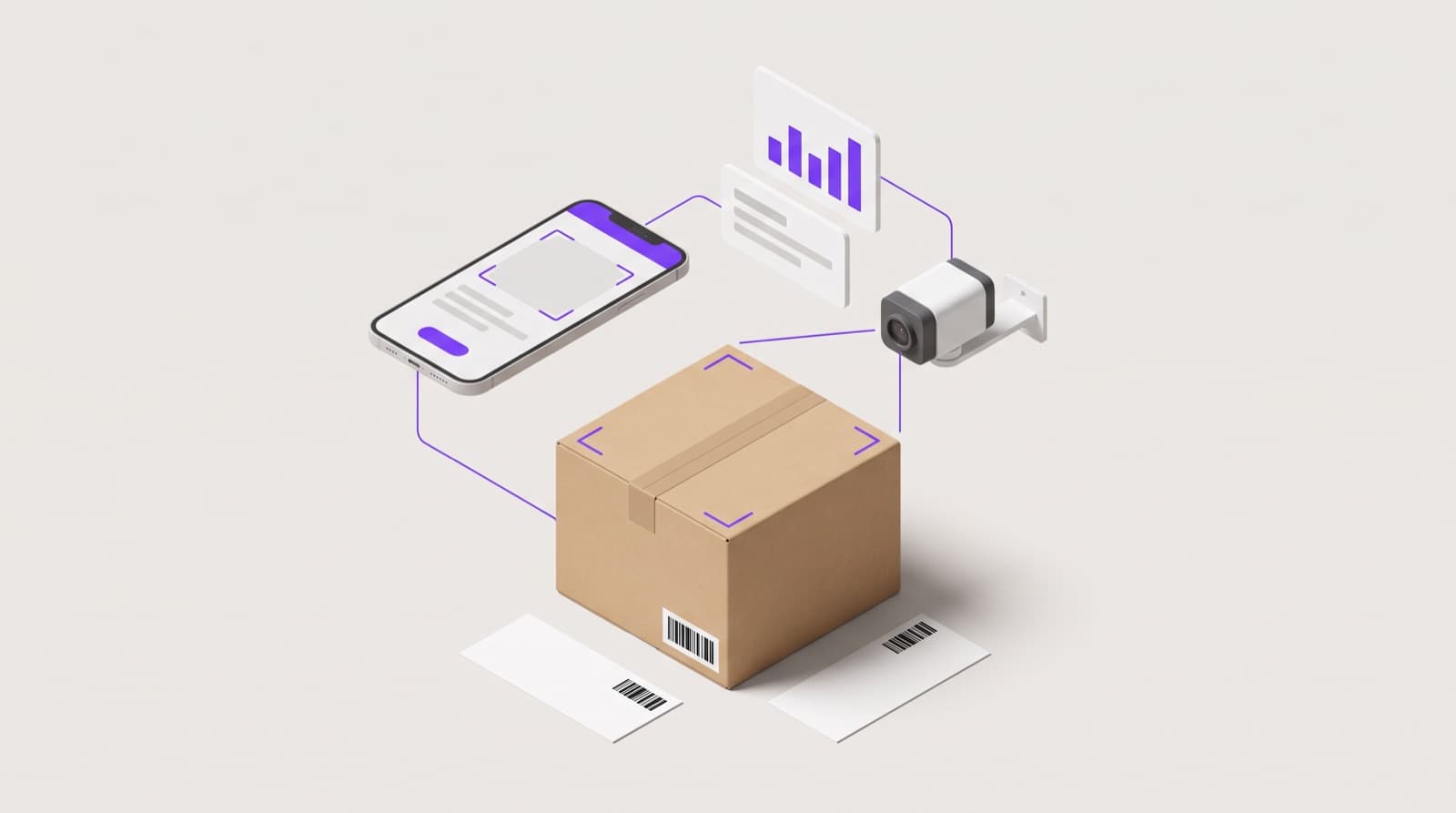
- Automate Data Capture: Remove the pen and paper. Use automation and barcoding to capture usage data at the point of care. This improves charge capture accuracy and reduces the burden on nurses.
- Conduct Regular Cycle Counts: Even with automated systems, physical verification is necessary. Implementing regular inventory audits ensures digital records match physical stock.
- Collaborate with Suppliers: Share demand data with your key vendors. Collaborative planning helps them anticipate your needs, reducing lead times and the risk of backorders.
Integrating ERP for Healthcare Inventory Management
An inventory control system operating in isolation is of limited value. ERP for healthcare inventory management is the bridge that turns clinical activity into financial intelligence.
Integrating inventory data with the Enterprise Resource Planning (ERP) system ensures that when a supply is used, the financial ledger is updated, and the patient bill is generated accurately. This alignment between inventory and procurement prevents revenue leakage, where items are used on patients but never billed.
Furthermore, ERP integration allows for better demand planning. By analyzing historical usage data housed in the ERP, procurement teams can forecast seasonal surges (like flu season) and adjust purchasing strategies accordingly.
How PackageX Supports Smarter Healthcare Inventory Management
PackageX transforms how healthcare organizations interact with physical inventory. We don't just track boxes; we digitize the data on them to create intelligent healthcare inventory management services.
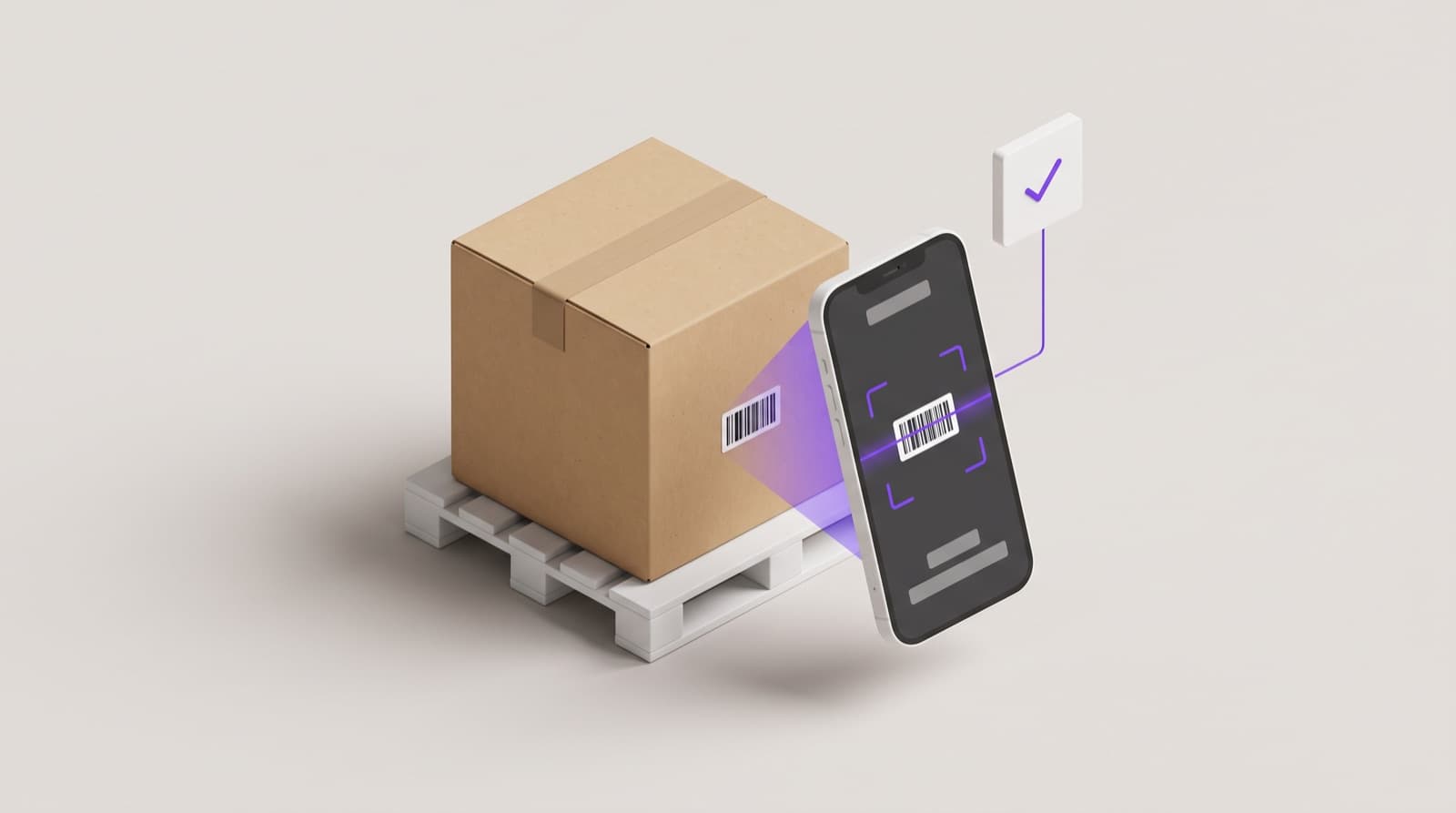
- Vision AI for Compliance: Our Vision SDK goes beyond simple barcodes. It can read text, identifying lot numbers, serial numbers, and expiration dates in a single scan. This is critical for tracking high-value implants and ensuring UDI compliance without manual data entry.
- Inbound Visibility: We modernize the receiving dock, giving hospitals real-time visibility into what has arrived and where it is staged. This prevents the "lost in the basement" phenomenon, where urgent supplies sit undistributed.
- Mobile-First Workflows: Our software runs on standard mobile devices, empowering clinical staff to manage inventory at the point of care without needing bulky, expensive hardware.
The Future of Inventory Management in Healthcare
The future of healthcare inventory management is predictive and autonomous. By 2026, we expect to see a surge in AI-driven decision-making.
Predictive Analytics will move from "reporting what happened" to "predicting what will happen." Algorithms will analyze patient admission trends and surgical schedules to order supplies before a human realizes they are needed.
Automation will extend beyond software to physical robotics, with autonomous mobile robots (AMRs) handling the transport of supplies from central stores to nursing units. This frees up clinical staff to focus entirely on patient care, building a more resilient healthcare supply chain that can withstand future disruptions.
Conclusion: Building a More Resilient Healthcare Supply Chain
Efficient inventory management in healthcare is a strategic pillar of patient care.
In an era of rising costs and complexity, the ability to visualize, track, and manage healthcare supply chain inventory in real time is a competitive advantage. By moving away from manual legacy systems and embracing cloud-based, AI-enhanced solutions, organizations can secure their financial health while delivering the highest standard of patient care.
FAQs
What is the difference between perpetual and periodic inventory in healthcare?
Periodic inventory involves manual counting at specific intervals (e.g., monthly), while perpetual inventory systems track real-time data, updating stock levels instantly with every transaction to provide constant visibility.
How does inventory management affect patient safety?
Effective inventory management ensures critical life-saving supplies are available when needed and prevents the use of expired or recalled products, directly impacting patient outcomes.
What is the role of UDI in healthcare inventory?
Unique Device Identification (UDI) is a regulatory system that assigns a unique code to medical devices, allowing them to be tracked through the supply chain to improve patient safety and post-market surveillance.
Why is cloud-based inventory software better for hospitals?
Cloud-based systems offer real-time data access from any location, easier scalability across hospital networks, and seamless integration with other systems like EHR and ERP, unlike rigid on-premise software.