Managing orders across multiple sales channels has become essential for businesses. Today’s customers shop everywhere. They browse online marketplaces, scroll through social media, check apps, and visit physical stores. Meeting them where they are requires more than simply listing products on multiple platforms. It requires a system that keeps all orders, inventory, and customer data connected.
Without a unified approach, businesses risk overselling, stockouts, delayed shipments, and frustrated customers. Imagine selling a product online only to find your in-store inventory isn’t updated. Mistakes like this can hurt trust and revenue. This is where multichannel order management comes in.
The demand for these systems is growing quickly. The global multichannel order management market size is projected to rise from USD 4.52 billion in 2026 to USD 11.34 billion by 2034, growing at a 12.2% CAGR. Investing in the right system is now essential for staying competitive.
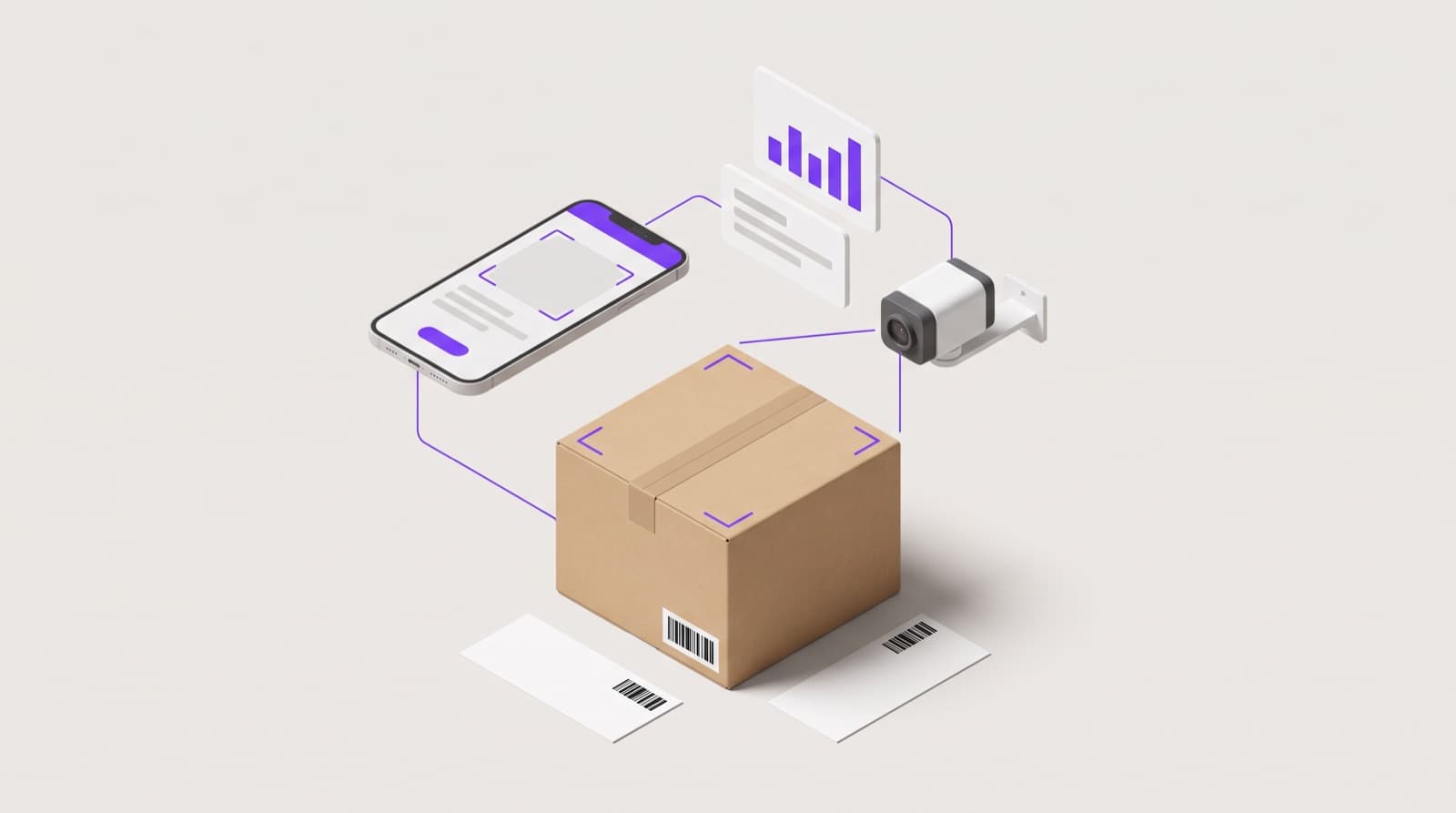
Using a multichannel order management system or software simplifies this process. These platforms bring inventory, order processing, and reporting into one dashboard.
In this blog, we’ll explore what multichannel order management is, its core features, and how it can help businesses streamline operations and grow efficiently.
Key Takeaways
• Multichannel order management centralizes inventory, orders, and customer data across all sales channels into one unified system. • The global market is projected to grow from USD 4.52 billion in 2026 to USD 11.34 billion by 2034, making early adoption essential. • Real-time inventory syncing prevents overselling and stockouts, helping businesses achieve up to 95%+ fulfillment accuracy. • Automation of order routing, picking, packing, and shipping reduces operational costs and significantly speeds up fulfillment. • PackageX combines centralized tracking, automated processing, real-time syncing, and demand forecasting to help retailers stay accurate at scale.
What is Multichannel Order Management?
Multichannel order management is the process of handling orders, inventory, and customer data across several sales channels from a central system. Imagine a retailer selling in-store, on their website, and on marketplaces like Amazon.
Without a unified system, tracking stock, fulfilling orders, and keeping data accurate can quickly become chaotic. A multichannel order management system solves this by connecting all channels in one platform, giving businesses a real-time view of stock and order fulfillment.
Key components of a multichannel order management platform include inventory tracking, order processing, and reporting. Inventory tracking ensures you always know what’s available and where. Order processing manages everything from picking and packing to shipping. Reporting provides insights into sales performance, fulfillment speed, and customer behavior.
It’s important to understand the difference between multichannel and omnichannel strategies. Multichannel focuses on selling across multiple independent channels, whereas omnichannel links all channels to provide a seamless customer experience.
Retailers adopt a multichannel order management system to reduce errors, improve efficiency, and scale operations. For example, a small retailer using a platform that updates stock across online and offline stores can prevent overselling during busy sales events, saving time and maintaining customer trust.
Core Features of Multichannel Order Management Software
Here are the key features that make these platforms essential for modern retail and ecommerce.
- Real-Time Inventory Tracking: One of the biggest challenges for businesses selling across multiple channels is knowing exactly what’s in stock. A multichannel order management platform updates inventory in real time. If an item sells on your website, it automatically updates in your physical store or on marketplaces.
- Centralized Order Processing: Instead of juggling separate dashboards for each channel, these systems consolidate orders in one place. Whether a customer orders from your app, website, or store, the system organizes the order, prioritizes fulfillment, and ensures it gets to the right place on time.
- Automated Workflows and Reporting: Repetitive tasks like order routing, label printing, and inventory updates can be automated. The system can also generate reports showing sales trends, returns patterns, or warehouse efficiency. This makes decision-making faster and more data-driven.
- Seamless Integrations: Top multichannel order management software connects with ecommerce platforms, POS systems, CRMs, and accounting tools. This integration keeps your data consistent across all areas, so your team isn’t manually reconciling numbers or chasing missing information.
- Scalability for Growth: As your business grows, your multichannel order management system grows with it. You can add new channels, warehouses, or marketplaces without disrupting operations. Flexible platforms adapt to your workflow, making expansion smoother and less stressful.
How Multichannel Order Management Improves Accuracy
Running orders across different platforms can get messy fast. A missed update here or a delayed sync there can lead to overselling, stockouts, or late deliveries. This is where a multichannel order management system makes a real difference.
- Centralized Inventory Visibility: With all your inventory data in one place, you always know what’s in stock. If a product sells on one channel, the system updates it across all channels instantly. This reduces the risk of overselling and keeps your stock levels accurate across platforms.
- Automated Order Processing: Manual order handling often leads to mistakes. Good multichannel order management software automates tasks such as order entry, picking, packing, and shipping. This not only saves time but also improves consistency. Orders move faster, and customers get what they expect.
- Real-time Syncing Across Channels: Real-time updates are key to avoiding errors. When your system instantly syncs inventory and orders, you avoid situations where customers buy items that are no longer available. This keeps operations smooth and reliable.
- Measurable Improvements: Businesses using multichannel order management systems often report up to 99.9% fulfillment accuracy. Compare that to manual processes, where error rates can range from 3% to 5%. That gap can have a big impact on customer trust and repeat sales.
Benefits of Implementing a Multichannel Order Management System
The following are some of the benefits of a multichannel order management system for retail businesses.
- Faster Order Processing: When orders from multiple channels flow into a single system, your team spends less time manually updating stock or checking order status. Mistakes are reduced, and fulfillment speeds up. Multichannel retail management systems process reports up to 50% faster than manual workflows.
- Reduced Operational Costs: Automation cuts down on repetitive tasks, from inventory updates to order routing. Fewer errors mean less wasted time and lower overhead. This efficiency helps businesses stay profitable, even as order volume grows.
- Enhanced Customer Experience: Real-time inventory updates ensure customers get what they ordered. Out-of-stock situations and overselling are minimized, making shopping smoother and more reliable. Satisfied customers are more likely to return and leave positive reviews.
- Better Analytics and Insights: A centralized platform provides clear visibility into sales trends, inventory turnover, and channel performance. Retailers can forecast demand, plan promotions, and make data-driven decisions that increase efficiency and revenue.
- Scalability Across Channels: Expanding into new marketplaces, social commerce, or physical locations is easier with a multichannel order management system retail solution. New channels can be added without overloading staff or disrupting operations.
Multichannel Order Management Market Trends
The multichannel order management market is growing fast. As more businesses sell across multiple platforms, the need for systems that track inventory, orders, and fulfillment in real time is increasing. Analysts estimate that the global multichannel order management market size will reach several billion dollars by 2028, driven by adoption across retail, B2C, B2B, and D2C.
Adoption Across Sectors
Retailers are leading the way, using multichannel systems to sell online, in stores, and through marketplaces. B2B companies are also adopting these systems to efficiently manage bulk orders, complex pricing, and approvals. D2C brands benefit by keeping real-time inventory management synchronized across webstores, social channels, and subscriptions.
Key Trends Shaping the Market
- AI and automation: Businesses are using AI to forecast demand, optimize stock placement, and reduce errors in picking and shipping.
- Sustainability: Companies are focusing on eco-friendly carriers, consolidated shipping, and carbon-aware logistics.
- Integration: Systems connect inventory, sales, and customer data across channels to provide a unified view of operations.
As businesses expand online and customer expectations rise, adoption of multichannel order management systems will only accelerate. Companies that implement these platforms now are positioning themselves to improve efficiency, reduce costs, and stay ahead in a competitive market.
Strategies for Effective Multichannel Order Management
Managing orders across multiple channels can feel overwhelming without a clear plan. A strong multichannel order management system can simplify this, but businesses also need practical strategies to get the most from it.
1- Automate Where You Can
Automation is key to reducing errors and saving time. Use your platform to automatically route orders, update inventory, and trigger shipping notifications. For example, an online retailer selling across various platforms and on its own website can avoid overselling by syncing stock levels in real time.
2- Centralize and Standardize Inventory
Keeping inventory in one place helps maintain accuracy. Standardize product names, SKUs, and pricing across all channels. This makes it easier to forecast demand and prevent stockouts. Many businesses see a noticeable drop in order errors after consolidating their inventory into a single multichannel order management platform.
3- Optimize Returns and Reverse Logistics
Returns can be a headache, especially when orders come from multiple channels. Establish a clear, consistent process for handling returns, whether items are sent back to the warehouse or a store. A streamlined system improves customer satisfaction and reduces operational costs.
4- Track Performance Across Channels
Use your system’s reporting tools to monitor sales, order fulfillment, and stock movement. Understanding trends helps you make smarter decisions about promotions, restocking, and staffing.
Following these strategies ensures your multichannel order management and scales as your business grows.
Future of the Multichannel Order Management Market
The multichannel order management market is moving fast. Businesses are shifting from reactive to proactive management, and new technologies are driving this change. Key trends include:
- Predictive Inventory Management: Modern multichannel order management systems use AI to forecast demand. Retailers can predict which products will sell, when, and where. For example, a shoe brand might use past sales and seasonal trends to stock the right sizes at the right stores. This reduces stockouts and overstock.
- Automation and Smart Warehouses: Multichannel order management platforms now automate order routing, shipping, and returns. Robotics and IoT tracking streamline warehouse operations, speed up fulfillment, and reduce errors.
- Sustainability Focus: Platforms increasingly support eco-friendly carriers, carbon-optimized delivery routes, and circular packaging. Retailers can meet customer expectations for fast, responsible delivery while reducing environmental impact.
- Proactive Fulfillment: Real-time insights enable businesses to adjust inventory and orders before issues arise. This improves accuracy, efficiency, and customer satisfaction.
The future of multichannel order management platforms is about combining AI, automation, and sustainability to drive efficiency, visibility, and a competitive edge.
How PackageX Improves Order Accuracy for Multichannel Retailers
Managing orders across multiple sales channels can be tricky. PackageX helps businesses stay accurate, efficient, and customer-focused:
- Centralized Inventory Tracking: PackageX updates inventory in real time across online marketplaces, apps, and physical stores. Stock changes instantly, preventing overselling and stockouts.
- Automated Order Processing: From order entry to picking, packing, and shipping, PackageX automates repetitive tasks. This reduces manual errors and speeds up fulfillment.
- Real-Time Sync Across Channels: Orders and inventory are synced instantly across all channels. Retailers avoid delays, mistakes, and mismatched stock information.
- Built-In Analytics and Forecasting: PackageX uses smart data insights to predict demand, helping businesses proactively adjust stock and prevent shortages or overstocking.
FAQs
Why is multichannel order management important?
A multichannel order management platform ensures inventory, orders, and customer data stay connected in real time. This reduces errors, prevents stockouts, and allows businesses to fulfill orders faster, improving customer satisfaction and trust.
How does a multichannel order management system help with returns?
Returns can be tricky when orders come from different channels. A robust system tracks returns centrally, automates processing, and updates inventory immediately. This streamlines exchanges or refunds, reduces mistakes, and provides customers with a smoother experience.
What makes a good multichannel order management system?
A strong platform offers real-time inventory updates, centralizes order processing, and integrates with sales, POS, and accounting systems. Automation tools, reporting dashboards, and flexible workflows help businesses scale, minimize errors, and make data-driven decisions across all channels.