In the high-pressure world of modern Industry, the assembly line never really sleeps. The success of a production run relies more on the unseen flow of parts and data than on the machines themselves.
We are entering a time when the manufacturing logistics market is expected to reach $178.89 billion by 2026, growing at a steady annual rate of 10.3%. This growth comes from a simple truth: manufacturers are realizing that production efficiency depends on how fast logistics operate. If your raw materials arrive late or your finished goods sit idle on a dock, your advanced robotics become a wasted investment.
Connecting procurement, internal inventory management, and final distribution is now the main way to protect profit margins. In this guide, we will look at how moving from reactive to proactive logistics helps you reduce lead times, improve customer satisfaction, and create a strong supply chain.
Key Takeaways
• Strategic Core: Manufacturing logistics makes sure that materials move smoothly from finding a supplier to making the product and then to the customer. • Production Focus: This area of logistics is different from general logistics because it focuses on the flow of work-in-progress (WIP) and restocking at the line side. • Market Scale: The industry is becoming more and more automated with AI. Investments in smart factories are expected to raise the market value to $261.45 billion by 2030. • Efficiency Gains: Automating logistics can cut down on the time it takes to fill orders and make workers more productive. • PackageX Advantage: PackageX makes the last step of manufacturing easier by automating paperwork. It also lets you see in real time every part that comes into the building.
What is Manufacturing Logistics?
Manufacturing logistics is the planning, coordination, and execution of how raw materials, components, and finished goods move through a manufacturing operation. From supplier receipt to production and final dispatch. Its primary goal is to ensure that the right materials are available at the right production stage, in the right quantity, and at the exact time they are needed to keep manufacturing running without disruption.
Unlike general logistics, which mainly focuses on transporting finished goods between locations, manufacturing logistics operates at the core of the factory itself. It manages how materials are received, stored, staged, and moved between work cells, production lines, and assembly stations, while also preparing finished products for outbound shipment.
In a supply chain manufacturing and logistics model, activities are divided into internal and external flows. Together, these flows ensure continuous production by delivering the right materials to the right station at precisely the right moment.
Key Components of Logistics in Manufacturing
Managing a manufacturing environment requires breaking down the supply chain into three distinct, yet synchronized, phases.
1. Inbound Logistics
This is the "supply" side of the house. Inbound logistics focuses on getting raw materials and components from your vendor network into your receiving area. It involves procurement strategy, vendor compliance, and the actual transportation of freight into your production facility. Accurate inbound receiving here is vital; if data is entered incorrectly at the dock, it creates a "phantom inventory" problem that can shut down a production line days later.
2. Production Logistics
This is where manufacturing logistics becomes unique. Production logistics focuses on the internal movement of goods. It manages material handling inside the production zone, overseeing "Work-in-Progress" (WIP) items. The goal is to ensure that production scheduling is never interrupted because a technician is waiting for a part. This often involves automated storage near production lines to keep high-velocity components within reach.
3. Outbound Logistics
Outbound logistics takes over once the product leaves the factory. This includes storing finished goods and sending them to customers or third-party distribution centers (DCs). At this point, the focus changes to last-mile issues and picking the right carrier to make sure the customer gets their order on time and in perfect condition.
Inventory Management & Production Control
Inventory management is the most important part of logistics for manufacturing. You have to keep expensive "buffer" stocks on hand to avoid running out of things if you don't know exactly what you have.
In 2026, good inventory control needs a tiered approach:
- Raw Materials: Keeping track of the parts that go into the process.
- Work-in-Progress (WIP): Keeping an eye on things that are currently being put together to find problems.
- Finished Goods: Keeping track of the stock that is ready to be sold.
Demand forecasting is what keeps you from running out of stock or having too much of it. You can cut down on lead times and improve cash flow by using data to figure out what you will need. Right now, a lot of manufacturers have trouble with low inventory accuracy. When they use manual systems, it can be as low as 65%. Using automated inventory systems to manage logistics in the manufacturing industry lets you get real-time updates on your stock, making sure that your system of record matches what is actually on your shelves.
Manufacturing Logistics vs General Logistics
While they share some DNA, the core focus of manufacturing and logistics is significantly more granular than general transport logistics.
General logistics is primarily concerned with the "external" movement of finished goods from point A to point B. The priority is often transportation cost and routing efficiency. In contrast, supply chain manufacturing and logistics is obsessed with the "internal" flow. It is built around lean manufacturing principles, where the objective is to eliminate waste and non-value-added movements within the production cycle.
Just-in-Time (JIT) delivery is a classic example of this difference. In general logistics, a delivery that arrives four hours early might be seen as a win. In manufacturing logistics, that same early delivery might create a storage bottleneck on a crowded loading dock, disrupting the flow of other urgent parts. Precision timing is the hallmark of the manufacturing specialist.
Manufacturing Logistics Models & Strategies
The right logistics strategy for you will depend on how many products you make and how complicated they are.
- Make-to-Stock (Push System): Logistics are planned based on long-term demand forecasts. This is great for products that are made in large quantities and are the same every time, and where a "finished goods" buffer is needed to meet customer expectations.
- Make-to-Order (Pull System) : Logistics only start when a customer places an order. This model lowers the cost of holding inventory, but it needs an inbound network that is very flexible and quick to respond.
- Just-in-Time (JIT): This strategy is all about making sure that materials get to the factory exactly when they are needed. It needs almost perfect logistics and manufacturing coordination, as well as very dependable relationships with suppliers.
These models directly impact how you set up your warehouse. A JIT model might favor cross-docking areas over long-term racking, while a push system requires high-density storage solutions to manage seasonal inventory surges.
Role of Third-Party & Contract Logistics in Manufacturing
Many businesses hire manufacturing logistics companies to handle the complexity as their operations grow.
To focus on what they do best, making things, manufacturers often hire outside companies to handle their logistics. A third-party logistics (3PL) or contract logistics manufacturing partner can handle things like warehousing, international shipping, and even paperwork for compliance. The main benefit is that it's easy to scale up; you can get access to cutting-edge technology and a global carrier network without having to spend a lot of money up front to build it yourself.
If your logistics need very specialized handling or if you have enough business to cover the costs of a private fleet, you should think about an in-house model. However, most mid-sized manufacturers find that working with specialized manufacturing logistics services gives them a more flexible cost structure and makes them less vulnerable to market disruptions.
Value-Added & Sustainable Manufacturing Logistics
Logistics in 2026 is more than just moving boxes; it's also making things better and helping the environment.
Value-added logistics services manufacturing includes things like kitting, special packaging, and labeling that are done in the warehouse. Putting parts together before they get to the assembly line makes it easier for your production staff to "pick" them. This keeps them focused on assembly instead of looking for parts.
Sustainable manufacturing logistics has gone from being a popular term to a rule that everyone has to follow at the same time. The ecofriendliness and other rules are making manufacturers keep track of their carbon emissions and lower them.
This means finding the best ways to move goods to cut down on empty miles, using packaging that can be recycled, and setting up programs to get things back after they are no longer needed. Green logistics is no longer just about the environment; it's also about following the rules and protecting your brand.
Benefits of Effective Manufacturing Logistics
When you improve your manufacturing logistics, it's easy to see the effects on the balance sheet.
- Shorter lead times : Your products get to market faster because they are delivered and moved around the company more quickly.
- Cost Efficiency : You can save money on labor and storage costs by making storage more efficient and getting rid of manual data entry.
- Better scheduling of production : It's easier to plan production when you know when materials will arrive in real time. This means that machines don't have to be turned off as often.
- Better Customer Satisfaction : Reliable order fulfillment and accurate tracking build trust and loyalty with your end users.
- Operational Visibility : When you digitize your manufacturing logistics, you can see your business from a "control tower" view. This lets you fix problems before they cost you money.
Choosing the Right Manufacturing Logistics Partner
If you decide to hire someone else to do the work, you should focus on technology when you look at manufacturing logistics companies.
A modern partner needs to have a strong technology stack that includes an API-first Logistics API to link up with your internal systems. You should make sure they have experience in the field, whether that means working with delicate electronics or big car parts. Geographic coverage is also very important. Your partner should have facilities in the right places, close to your main markets, to cut down on last-mile transit times.
Lastly, ask them how they plan to automate the logistics services for manufacturing. A partner who uses Vision AI and robotics will be able to grow more than one who relies on manual processes.
Optimize Manufacturing Logistics with PackageX
PackageX takes the friction out of the manufacturing supply chain by turning chaotic physical flows into streamlined digital data.
- Smart Inbound Receiving: Stop the paperwork pile-up. Use our AI solutions for warehouse receiving to instantly scan and digitize Bills of Lading and manifest data.
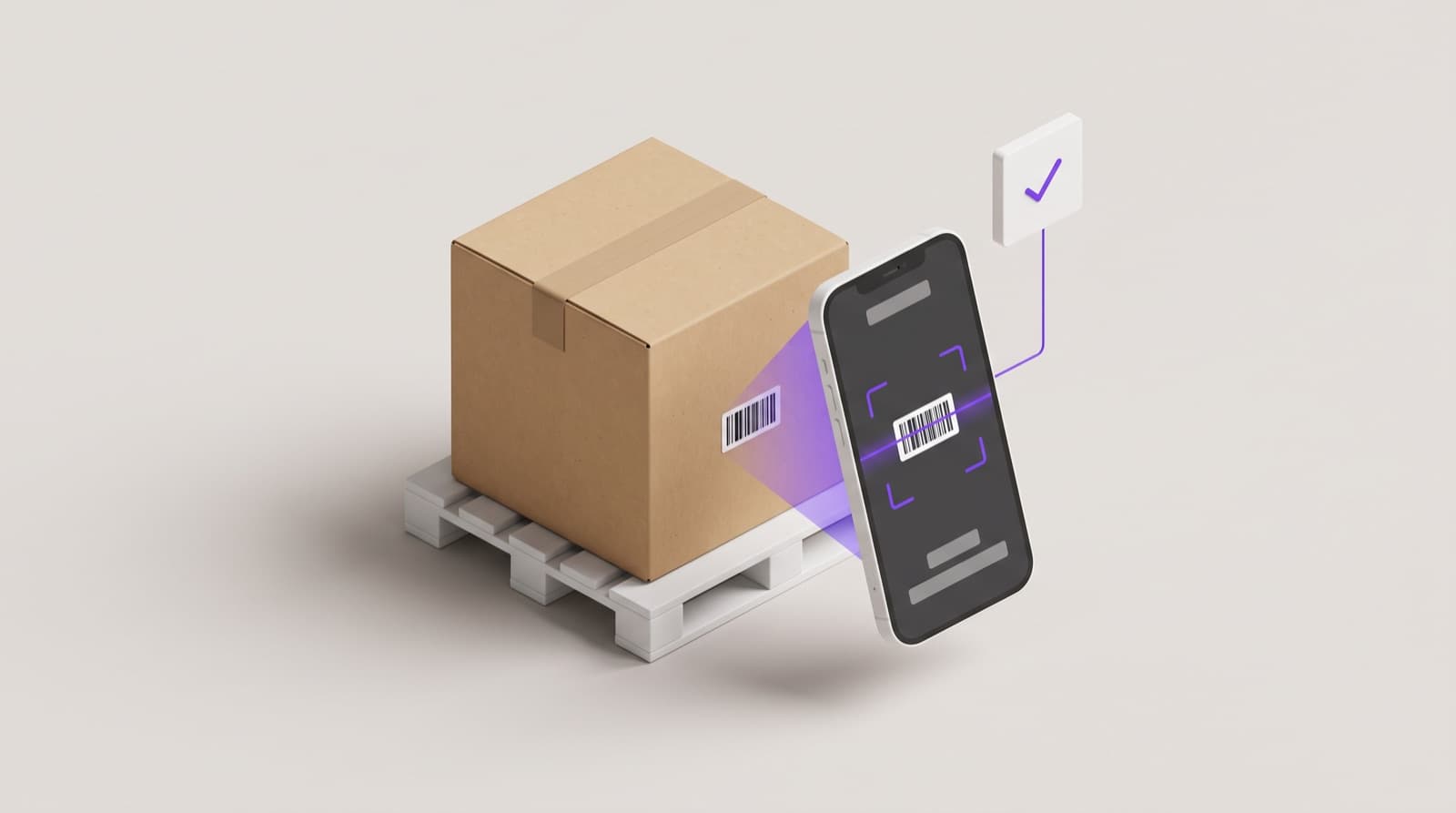
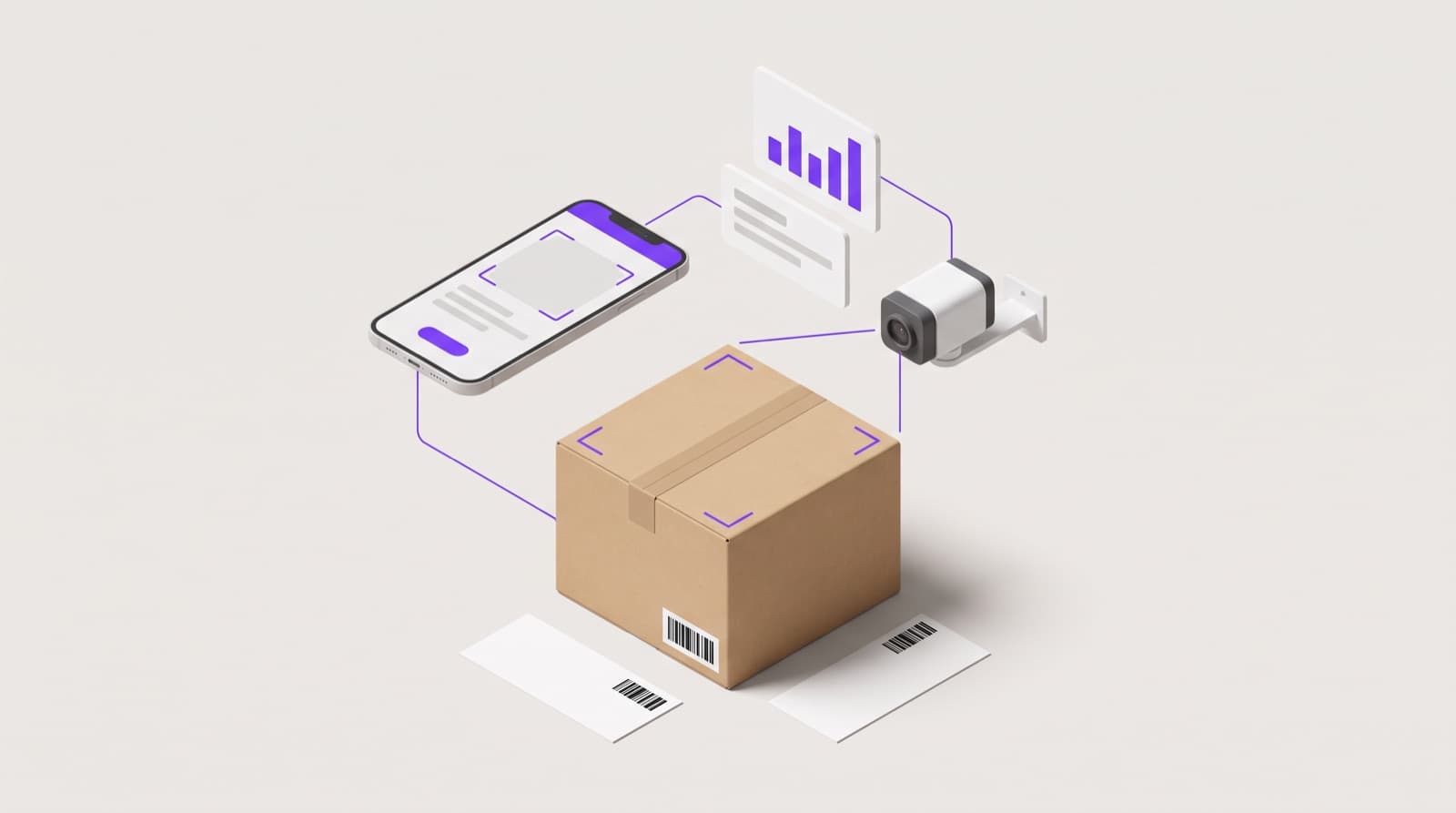
- Vision SDK Integration: Empower your workforce with enterprise-grade scanning. Our Vision SDK turns any smartphone into a precision tool for inventory counts and damage detection.
- Unified Visibility: From the receiving dock to internal storage, PackageX provides the real-time data you need to keep your production lines moving without interruption.
Conclusion: Optimizing Manufacturing Logistics for Competitive Advantage
The engine room of modern industry is manufacturing logistics. It is no longer just a back-office job; it is now a strategic tool for growth. In a world where trade policies change quickly and products don't last as long, being able to manage your supply chain flow with precision gives you a huge edge over your competitors.
You can turn your logistics from a cost center into a strong, high-performing asset by bringing together people, processes, and technology. People who run their logistics operations with the same care and creativity as their production lines will have a bright future.
FAQs
What is the difference between manufacturing logistics and supply chain management?
Supply chain management is the high-level strategy covering everything from product design to raw material sourcing. Manufacturing logistics is the tactical execution of that strategy, focusing on the movement and storage of those materials during the production process.
Can small manufacturers benefit from logistics automation?
Yes. Modern cloud-based platforms and mobile Vision AI tools have removed the need for expensive, fixed hardware, making automation accessible for manufacturers of all sizes.
How does JIT impact manufacturing logistics?
Just-in-Time (JIT) requires extreme logistical precision. It reduces storage costs but increases the risk of production stops if the logistics flow is disrupted even slightly.
What are the key KPIs for manufacturing logistics?
Critical metrics include inventory accuracy rate, dock-to-stock cycle time, order fulfillment lead time, and the damaged goods rate.