The yard is the visibility gap between transportation and the warehouse, the last mile before the last mile. A trailer can leave the highway on time and still rack up hundreds of dollars in detention because no one knows which slot it parked in or which dock is free. As ecommerce volumes climb and detention fees bite harder, the gate-to-dock zone has become one of the most expensive blind spots in logistics.
That pressure is driving fast investment. The global yard management system market was valued at USD 4.5 billion in 2023 and is anticipated to register a CAGR of over 11%, as distribution centers, 3PLs, manufacturers, and retailers race to digitize the yard.
In this guide, we will break down what a yard management system does, how it works from gate to dock, the features and ROI to expect, and how to choose the right software.
Key Takeaways
• A yard management system (YMS) orchestrates gate check-in, yard placement, dock scheduling, spotter moves, and trailer inventory in one live workflow. • The global YMS market was valued at USD 4.5 billion in 2023 and is growing at over 11% CAGR, driven by ecommerce volume and detention costs. • Core yard management system features include gate automation, dock scheduling, real-time trailer tracking, spotter dispatch, carrier portals, and KPI dashboards. • Typical ROI: 35 to 45 percent lower detention fees, 20 to 30 percent higher dock utilization, and 6 to 18 month payback. • A YMS sits between the TMS (over-the-road) and the WMS (inside the four walls), completing the visibility loop from highway to dock door. • PackageX closes the gate-to-dock loop with Vision AI scanning that captures gate, yard, and dock data without extra hardware.
What Is a Yard Management System?
A yard management system is a software platform that integrates the gate, the yard, and the dock into a single workflow with shared data. A YMS (Yard Management System) specifically manages:
- Gate check-in and check-out: Driver verification, appointment matching, and digital arrival and departure records.
- Yard slot assignments: A live yard map showing every trailer and where it is parked.
- Dock door scheduling: Live door availability and appointment booking for carriers and dispatchers.
- Spotter (yard jockey) moves: Mobile-dispatched yard moves with real-time status updates.
- Inventory in parked trailers: Visibility into what is sitting in each trailer before it ever hits a dock.
What is yard management system replacing? The manual layer that most yards still run on:
- Clipboards and paper gate logs.
- Spreadsheets and shared inboxes.
- Radio calls and tribal knowledge about which trailer is where.
In one plain sentence: a yard management system is the software that tells you which trailer is in your yard, what is inside it, where it is parked, and when it can move to a dock.
How a YMS Works: The Gate-to-Dock Flow
A yard management system follows a clear gate-to-dock sequence. Each step that used to depend on a radio call or a paper log now runs on shared data, with every event time-stamped and visible to gate, yard, dock, and dispatch in real time:
- Appointment booking: Carriers reserve dock windows through a self-service portal, and the YMS validates capacity against dock availability.
- Gate check-in: Drivers arrive and are verified against the appointment. Manual gate check-in often takes 10 to 15 minutes; a YMS-driven gate check completes in under 2 minutes.
- Yard placement: The system assigns a slot, prints a parking pass, and updates the live yard map.
- Dock door assignment: The dock yard management system matches each trailer to the right door based on load type, priority, and dock availability.
- Live monitoring and dwell alerts: Sensors, GPS, or RFID feed real-time location and dwell time, and alerts fire when a trailer is at risk of detention.
- Gate check-out: Drivers leave with a digital seal record, BOL confirmation, and timestamped departure log.
- Data and reporting: Every move feeds dashboards on dock utilization, dwell time, and carrier performance.
The result is a yard that operates on time-stamped events instead of best guesses. Dispatchers stop hunting for trailers, gate guards stop fielding the same questions on the radio, and finance gets clean data for detention disputes and carrier scorecards.
Yard Management System Features (Key Capabilities)
Modern yard management system features turn the yard into a controllable, data-rich part of the network. Strong platforms combine gate automation, dock orchestration, and real-time tracking into one workflow rather than three disconnected tools.
The core capabilities sit on top of one live yard map:
- Gate management and automation: Self-service kiosks, license plate recognition, and digital driver check-in cut gate wait times and capture clean arrival data.
- Dock scheduling: A dock yard management system module lets dispatchers, carriers, and dock leads see live door availability, book appointments, and rebook around delays without phone tag.
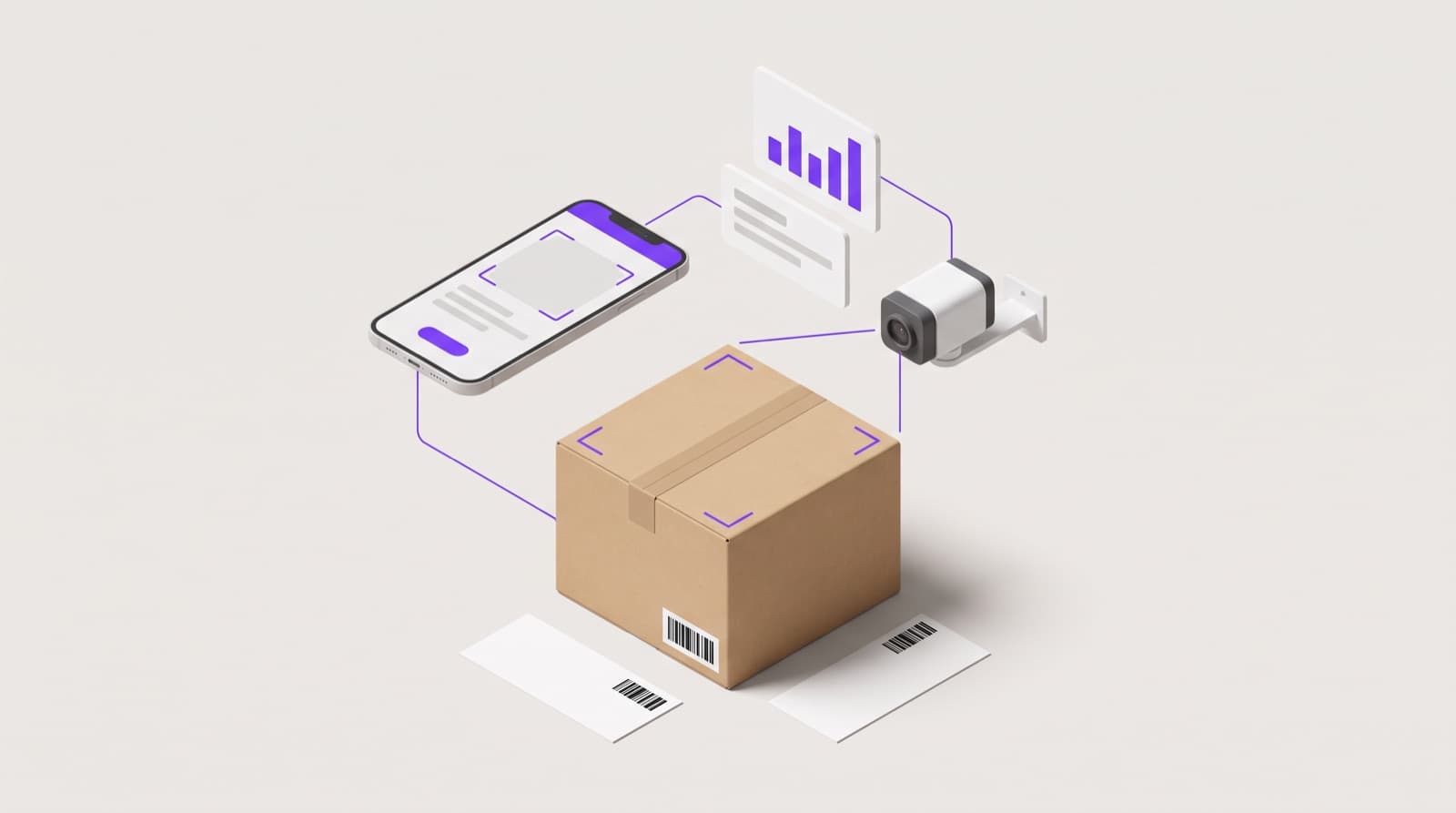
- Real-time trailer and asset tracking: RFID tags, GPS units, IoT sensors, and computer vision cameras keep every trailer, chassis, and container on the live yard map.
- Yard move and spotter management: Spotters get dispatched moves on a mobile device, complete them with a tap, and feed status back to the YMS in real time.
- Carrier self-service appointment portal: Carriers book, reschedule, and confirm dock windows themselves, freeing your team from inbox triage.
- Intelligent alerts and notifications: Configurable rules warn on dwell time, missed appointments, hot loads, and detention risk before fees stack up.
- KPI dashboards and analytics: Live and historical views on dock utilization, average dwell, gate throughput, and carrier scorecards.
- WMS, TMS, and ERP integration: Native connectors and APIs sync orders, ASNs, and inventory status with the rest of the stack, building on ERP integration best
- Mobile-first and cold-chain compliance monitoring: Mobile-first interfaces for gate, yard, and dock staff, with temperature, seal, and door-open logging for regulated freight.
Together, these yard management system features replace the patchwork of spreadsheets with a single auditable system of record. The yard moves from a black box into a controllable part of the network operating plan.
Yard Management System Benefits & ROI
The yard management system benefits stack up across cost, throughput, and customer experience, and most show up in the first 90 days of go-live:
- Reduced detention and demurrage fees: Active dwell monitoring and tighter dock scheduling typically cut detention spend by 35 to 45% in the first year.
- Labor productivity: Automated gate, yard, and dock workflows often replace the equivalent of 4 to 5 full-time roles (gate clerks, expediters, dispatchers).
- Higher dock utilization: Dock utilization commonly rises 20 to 30% once dock scheduling is tied to real yard status.
- Faster gate throughput: Gate check-in drops from 10 to 15 minutes to under 2 minutes, while average trailer-find time falls from around 50 minutes to roughly 2 minutes.
- Better security and compliance: Digital seal logs, driver verification, and audit trails reduce theft and simplify inventory auditing.
- Stronger carrier and customer relationships: Carriers like the self-service booking and predictable turn times. Customers like the accurate ETAs and on-time delivery rates.
A mid-size distribution center commonly sees USD 150,000 to USD 500,000 in annual savings from a yard management system, with payback in 6 to 18 months. As real-time inventory visibility extends into the yard, the ROI compounds because trailer-held stock becomes usable inventory rather than a hidden buffer. Sites that pair a YMS with disciplined cycle counting and dock-to-stock workflows often see a second wave of savings as receiving accuracy climbs and stock variance drops.
YMS vs. WMS vs. TMS: Where It Fits
A yard management system sits between the TMS (over-the-road) and the WMS (inside the four walls). The TMS plans how freight moves between locations and tracks it in transit. The YMS yard management system runs the in-between zone where trailers wait, get staged, and queue for doors. The WMS picks up inside the building, handling receiving, putaway, picking, and shipping. Without a YMS, that handoff zone runs on radio chatter and tribal knowledge.
Each system owns a clear slice:
- TMS: Route planning, carrier selection, freight billing, and over-the-road tracking.
- YMS: Gate, yard, dock, spotter moves, dwell, and detention.
- WMS: Inbound receiving, storage, pick and pack, and outbound shipping inside the warehouse.
When all three are connected, labor gets pre-positioned to the right dock before the trailer arrives, the WMS knows exactly what is on each parked trailer, and detention disputes are resolved with timestamped YMS data instead of guesswork. Operators that already run a mature warehouse management stack see the fastest payback from a YMS because the integration points are already in place.
Dock Yard Management System Market & Trends
Demand drivers behind the curve include:
- Ecommerce volume: More inbound trailers and smaller, more frequent shipments stretch yard capacity and dock schedules at the same time.
- Detention and demurrage costs: Carriers are charging earlier and harder for trailer dwell, with some lanes billing in 15-minute increments after a 1-hour free window.
- Driver shortages: Long gate waits push drivers toward shippers with faster turn times, making yard speed a hiring and retention lever for carriers.
Next-generation dock yard management system trends shaping 2026 buying decisions include AI-driven dock optimization, digital-twin yard maps, predictive dwell and detention analytics, computer-vision gate automation, and the early rollout of autonomous yard trucks.
Vendors that combine vision AI scanning with yard orchestration are pulling ahead because they close the loop from gate to dock without extra hardware. Expect predictive analytics to become table stakes in the next 18 months, with yard platforms forecasting dwell risk and dock conflicts hours before they happen.
Yard Management System Software: How to Choose
Choosing yard management system software is a procurement decision, not just an IT one. Use this buyer's checklist when shortlisting:
- Operational scope match: Confirm the platform fits your footprint, whether that is a single DC or a multi-site network. Multi-site visibility should be native, not bolted on.
- Integration depth: Look for native connectors to your WMS, TMS, and ERP, plus a documented REST API for custom workflows.
- Hardware model: Decide between RFID, computer vision, GPS, or BYOD mobile. Vision-based gates remove tag costs but need camera placement; RFID is mature but adds tag overhead.
- Ease of use for gate and yard staff: Front-line workers should onboard in hours, not weeks. Mobile-first UX wins.
- Configurability vs customization: Favor configuration over custom code so your team can change workflows without engineering tickets.
- Scalability and multi-site support: Confirm the platform supports role-based access, tenant separation, and consolidated reporting across sites.
- Vendor track record and TCO: Ask for references in your industry, and model total cost of ownership including hardware, support, and integration over 3 years.
The right yard management system software pays for itself fast. The wrong one becomes another silo that never quite talks to the WMS or TMS, so the buyer's checklist above matters as much as the feature list.
How PackageX Closes the Gate-to-Dock Loop
A yard management system is only as good as the data captured at the gate, in the yard, and at the dock. PackageX closes that loop with AI-powered scanning and exception management across every step from arrival to departure. The same Vision AI engine that powers PackageX receiving and dispatch and transfers feeds the yard, dock, and warehouse one shared operating picture:
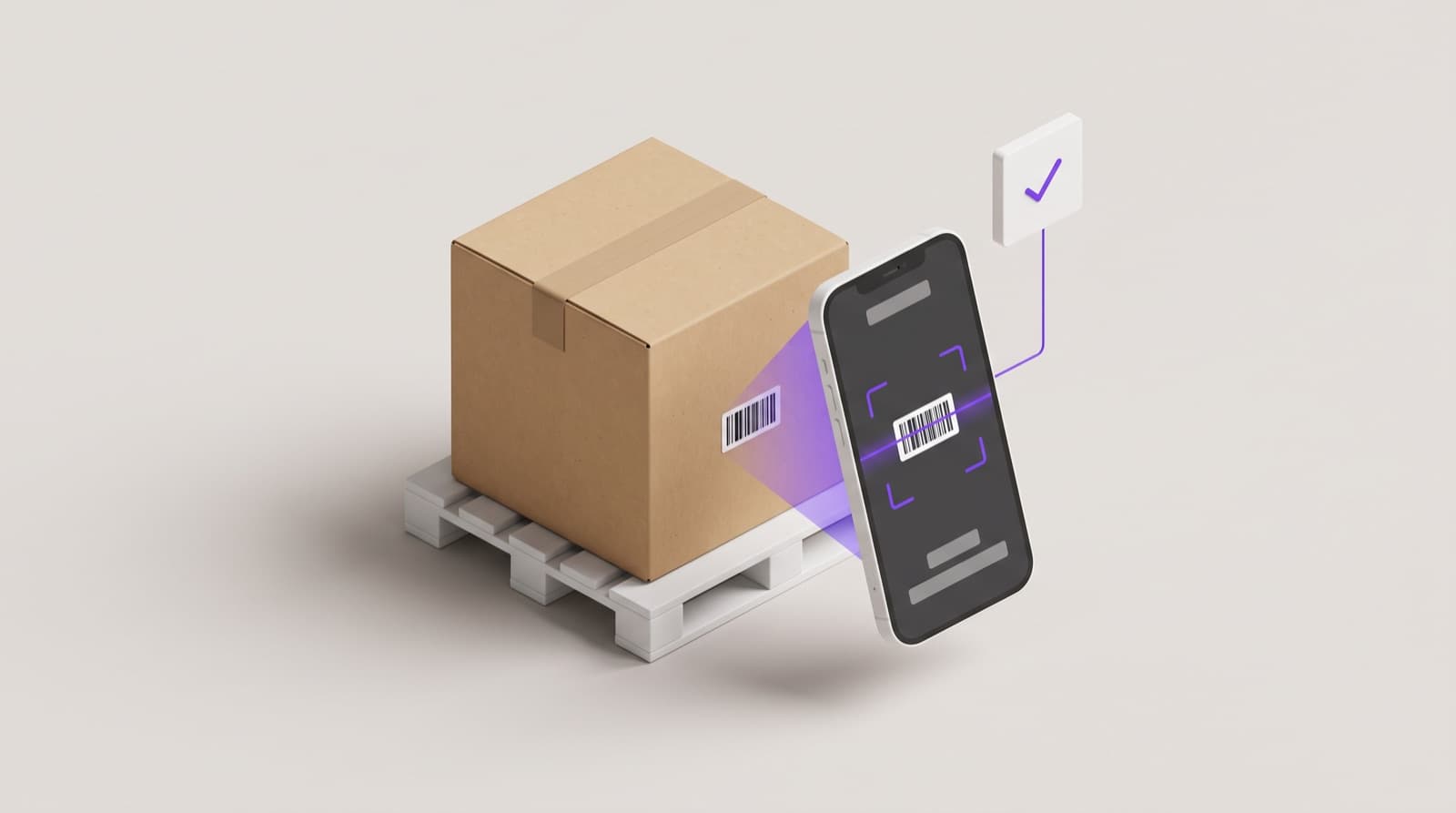
- Vision AI gate scanning: Capture license plates, trailer numbers, driver IDs, and BOL data at the gate without per-trailer RFID tags or manual entry.
- Live yard and dock orchestration: Assign yard slots and dock doors in real time, with dwell timers and detention alerts running in the background.
- Spotter and carrier mobile workflows: Spotters complete moves on a mobile device and carriers self-serve appointment booking, removing radio chatter and phone tag.
- Damage and exception capture: AI flags damaged trailers, missing seals, and short shipments at the gate so issues hit the GRN and claims process immediately.
- WMS, TMS, and ERP integration: Gate-to-dock events flow into your warehouse management stack and ERP through APIs and webhooks, ready for three-way matching and detention disputes.
Frequently Asked Questions
What is a yard management system?
A yard management system is software that tracks and coordinates trailers, drivers, and dock doors between the gate and the warehouse, replacing manual gate logs and radio calls with a live, shared view of the yard.
What size facility needs a YMS?
Any site that handles more than 25 inbound and outbound trailers per day will see benefits from a yard management system within months. Smaller facilities benefit most from gate automation and dock scheduling, while larger distribution centers gain the most from spotter management, dwell optimization, and multi-site yard visibility across the network.
Does a YMS require RFID hardware?
No. Modern yard management system software supports RFID, GPS, computer vision, or mobile check-in. Vision-based gates and BYOD mobile capture often deliver the same accuracy without the per-trailer tag cost, which keeps total cost of ownership lower across large yards.
How does a YMS reduce detention fees?
A YMS reduces detention fees by surfacing dwell time in real time, alerting dispatchers before the free-time clock expires, and giving accounts payable timestamped evidence to dispute incorrect carrier charges. Most operators see a sharp drop in detention spend within the first quarter of go-live.