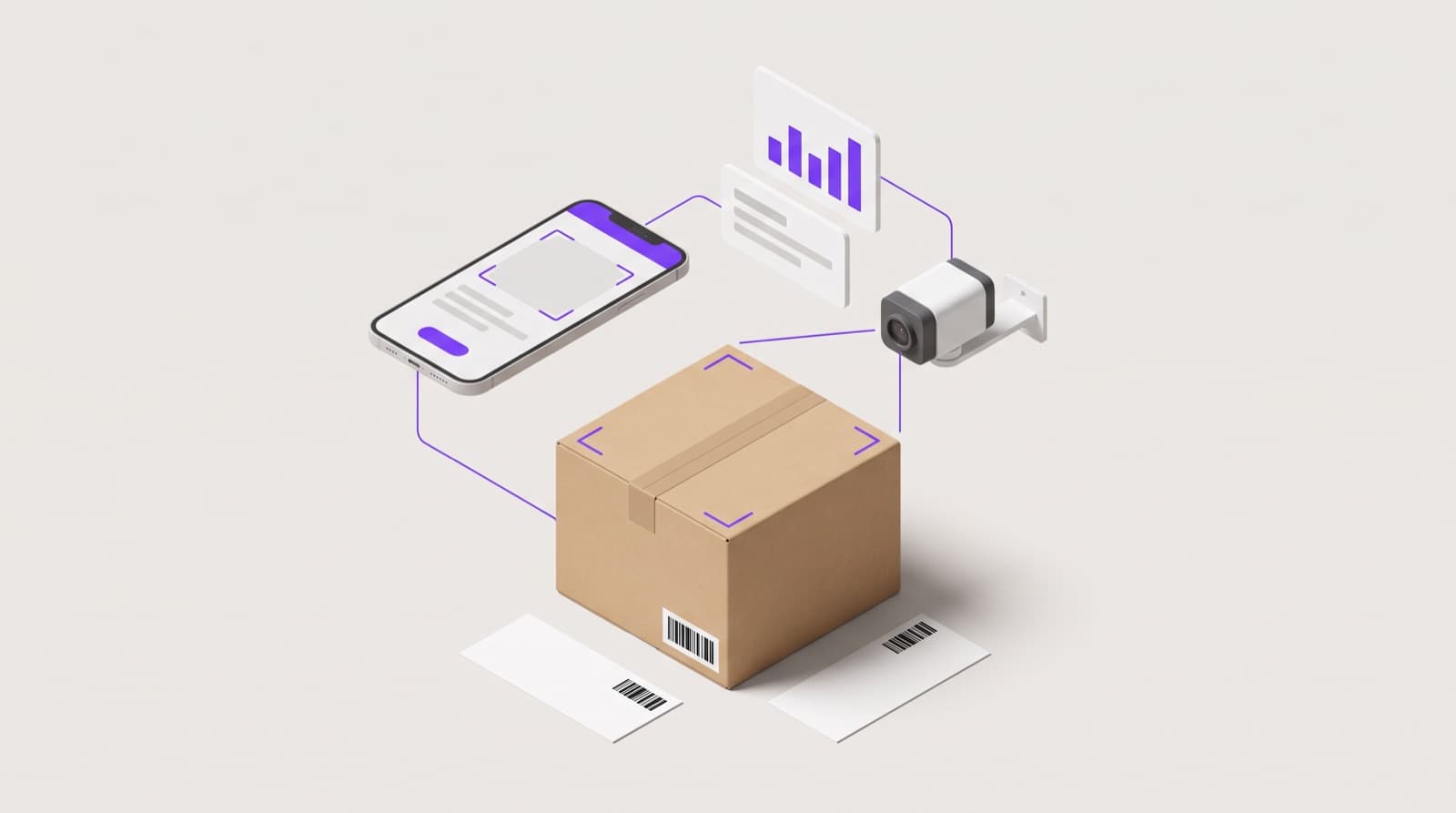
Supply chains move faster every year. Customers want quicker shipping, lower prices, and zero mistakes. Most brands cannot meet those demands alone. That is where 3PL warehousing services step in.
A 3PL provider stores your inventory, packs your orders, and ships them to customers. You focus on growth. They handle the boxes, trucks, and software.
The third-party logistics market is projected to reach USD 1.42 trillion in 2026 and is expected to grow to USD 2.43 trillion by 2036, at a CAGR of 5.5%. That kind of growth is not random. Ecommerce continues to expand, and brands need flexible logistics to keep up.
3PL warehousing and distribution services give you scale without the overhead. No leases. No forklifts. No payroll for warehouse staff. You pay for what you use.
This guide breaks down how 3PL warehousing services work, what they cost, and how to pick the right partner.
Key Takeaways
• 3PL warehousing services bundle storage, fulfillment, shipping, and returns into one outsourced solution. • The market hits USD 1,420 billion in 2026 and is projected to reach USD 2,425 billion by 2036 at a 5.5% CAGR. • Outsourcing logistics reduces overhead, accelerates delivery, and unlocks advanced WMS tech without upfront cost. • Pricing is usage-based, so costs scale with order volume rather than under fixed leases. • PackageX adds real-time inventory visibility, shipment tracking, and seamless integration with WMS and ERP systems.
What Are 3PL Warehousing Services?
3PL stands for third-party logistics. A 3PL is a company that handles your supply chain operations so you do not have to.
3PL warehousing services cover storage, fulfillment, and transportation under one roof. The provider owns or leases the warehouse, hires the staff, and runs the technology. Your products move through their system from arrival to the doorstep.
Here are the core functions a 3PL handles:
- Receiving inventory: Goods arrive at the warehouse. Staff unload, inspect, and log them.
- Storage: Products are stored on shelves, pallets, or in bins based on size and demand.
- Order fulfillment: When an order comes in, workers pick, pack, and label it.
- Shipping and returns: The provider hands packages to carriers and processes any returns.
Think of a 3PL as your outsourced logistics team. You send them inventory and orders. They do the rest. This model saves money, scales fast, and removes a huge operational burden from your plate.
Key Components of 3PL Warehousing and Distribution Services
3PL warehousing and distribution services are built on five core functions. Each one matters. A weak link slows the whole chain.
Receiving and Inventory Management
Every 3PL starts here. Trucks pull up. Staff unload pallets, count units, and check for damage. Each SKU gets logged into a warehouse management system.
Real-time tracking through a WMS keeps inventory accurate. You see stock levels from anywhere. No spreadsheets. No surprises.
Storage Solutions
Storage is more than empty space. Good 3PLs use pallet racks, bin shelves, and floor stacking based on product type. Fast movers stay near packing stations. Slow movers go deeper.
Smart layouts cut picking time and labor costs. Climate-controlled zones handle perishables and sensitive goods.
Order Fulfillment (Pick and Pack)
This is where speed matters most. Workers pick items from shelves, pack them into boxes, and add labels. Scanning tools confirm every step.
Accuracy is critical in order fulfillment. A wrong item costs you money and a customer. Top 3PLs hit 99.9% pick accuracy or better.
Shipping and Distribution
3PLs work with major carriers like UPS and USPS, as well as regional carriers. They negotiate rates you cannot get alone. Route optimization tools pick the cheapest, fastest path.
Last-mile delivery integration ensures the final stretch goes smoothly. That is the part customers actually see.
Returns Management (Reverse Logistics)
Returns are a fact of ecommerce. A good 3PL inspects returned items, restocks usable inventory, and disposes of damaged goods. Clean data flows back to you so refunds and exchanges happen fast.
How 3PL Providers Warehousing and Last-Mile Services Work Together
End-to-end logistics is a chain. If one link breaks, the whole order suffers.
3PL providers warehousing and last-mile services link every step. Your product flows from the warehouse to fulfillment to shipping to the customer's door. Each handoff is tracked.
Last-mile delivery is the final and most expensive part. It can account for over 50% of total shipping costs. It also shapes how customers feel about your brand. A late or damaged delivery erases all the work that came before.
Distributed warehouses solve this problem. Instead of a single giant facility, 3PLs operate smaller centers near major cities. Orders ship from the closest warehouse. Customers get 2-day or even same-day delivery.
Tech ties it all together. Modern 3PLs sync with carriers, ecommerce platforms, and tracking apps. You get one dashboard for inbound freight, stock levels, outbound orders, and final delivery.
Benefits of Using 3PL Warehousing Services
3PL warehousing services solve real business problems. Here are the biggest wins.
Scalability and Flexibility
Demand spikes during the holidays. New product lines launch. You enter new markets. A 3PL absorbs all of it without forcing you to lease more space or hire more workers.
You scale up in days, not months. You scale down just as fast.
Reduced Operational Costs
Owning a warehouse is expensive. Rent, utilities, equipment, insurance, and labor add up fast. A 3PL spreads those costs across many clients.
You pay only for the storage and services you use. No fixed overhead.
Improved Efficiency
3PLs run logistics for a living. They have refined processes, trained teams, and automation tools you cannot easily build in-house. That means faster pick times, fewer errors, and tighter inventory control.
Access to Technology and Expertise
Most 3PLs use advanced WMS platforms, analytics dashboards, and robotic picking systems. You get those tools without buying or building them.
You also tap into deep logistics expertise, from carrier negotiations to compliance.
Faster Shipping and Better Customer Experience
Distributed inventory plus optimized last-mile delivery equals fast shipping. Customers get their orders sooner. They leave better reviews. They come back.
3PL warehousing and distribution services turn logistics from a cost center into a growth lever.
Difference Between a 3PL and Warehousing Services
People often confuse these two terms. The truth is, traditional warehousing is one slice of what 3PL warehousing services cover.
The difference between a 3PL and warehousing services comes down to scope. A traditional warehouse only stores your goods. A 3PL stores, packs, ships, and handles returns under one roof.
Here is a quick comparison:
| Feature | Traditional Warehousing | 3PL Warehousing |
|---|---|---|
| Storage | Yes | Yes |
| Fulfillment | No | Yes |
| Shipping | Limited | Full |
| Technology | Basic | Advanced |
| Scalability | Low | High |
Standalone warehousing works if you only need a place to keep extra inventory. You still handle picking, packing, and shipping yourself.
3PL warehousing services bundle storage with the full logistics chain. You hand off the entire process. For ecommerce brands and growing businesses, that broader model is the real win.
Types of 3PL Warehousing Models
Not every 3PL fits every business. The right model depends on your volume, product type, and growth plans.
- Dedicated warehousing: A facility set aside for one client. Best for high-volume brands that need full control over space and operations.
- Multi-client or shared warehousing: Multiple businesses share the same warehouse. Costs stay low because resources are split. Ideal for small to mid-sized brands.
- Ecommerce fulfillment centers: Built for online orders. They focus on fast pick and pack, parcel shipping, and direct-to-consumer delivery.
- Omnichannel warehousing: Supports both retail and ecommerce from one location. Great for brands that sell on multiple channels and need unified inventory.
Pick the model that matches your order profile. Many brands start shared and graduate to dedicated as they grow.
When Should You Use 3PL Warehousing Services?
Most brands wait too long to outsource logistics. Here are the clearest signs you should bring in a 3PL.
- You are running out of storage space: Inventory is overflowing into hallways or extra rentals.
- Your order volume is climbing fast: You cannot pack and ship orders quickly enough on your own.
- Shipping costs are eating into margins: You lack the volume to negotiate strong carrier rates.
- You are expanding into new markets: You need warehouses closer to customers in different regions.
If two or more of these apply, it is time to evaluate a 3PL. Outsourcing logistics frees you to focus on product, marketing, and customers. That is where business growth actually happens.
Cost of 3PL Warehousing and Distribution Services
3PL pricing is built around usage. You pay for what you store and ship.
Common pricing components include:
- Storage fees: Charged per pallet, bin, or cubic foot, usually monthly.
- Pick and pack fees: A flat fee per order, plus extra per item picked.
- Shipping costs: Carrier rates, often discounted through the 3PL's volume deals.
- Returns handling: A per-unit fee to inspect and restock returned goods.
Most 3PL warehousing and distribution services use variable pricing. You scale costs up or down with order volume. That is much friendlier to cash flow than a fixed lease.
Watch for hidden fees. Setup charges, account management, technology fees, and minimum monthly spend can all add up. Ask for a full fee schedule before you sign.
How to Choose the Right 3PL Provider
Picking the wrong 3PL can sink a brand. Picking the right one can fuel years of growth. Use these criteria to choose well.
- Location and network: Does the 3PL have warehouses near your customers? Distributed networks cut shipping time and cost.
- Technology: Look for a modern WMS that integrates with your ecommerce platform, ERP, and shipping tools. Real-time visibility is a must.
- Industry experience: A 3PL that knows your category will move faster. Apparel, food, electronics, and B2B all have unique needs.
- Scalability: Can they handle your peak season volume? Can they grow with you over the next three to five years?
- Pricing transparency: Clear, itemized pricing with no surprise fees.
Always ask about service level agreements. Pick rates, ship times, inventory accuracy, and order cutoffs should be in writing. Performance metrics keep both sides accountable.
Final Thoughts on 3PL Warehousing Services
Logistics used to be a back-office task. Today, it is a competitive edge.
3PL lets you scale without building warehouses or hiring teams. You ship faster, spend less, and stay flexible.
Before you choose a provider, map your needs. Know your volume, growth plans, and customer expectations. Then find a 3PL that matches. The right partner pays for itself many times over.
How PackageX Helps Solve These 3PL Challenges
Here is how PackageX maps to the key challenges covered in this blog:
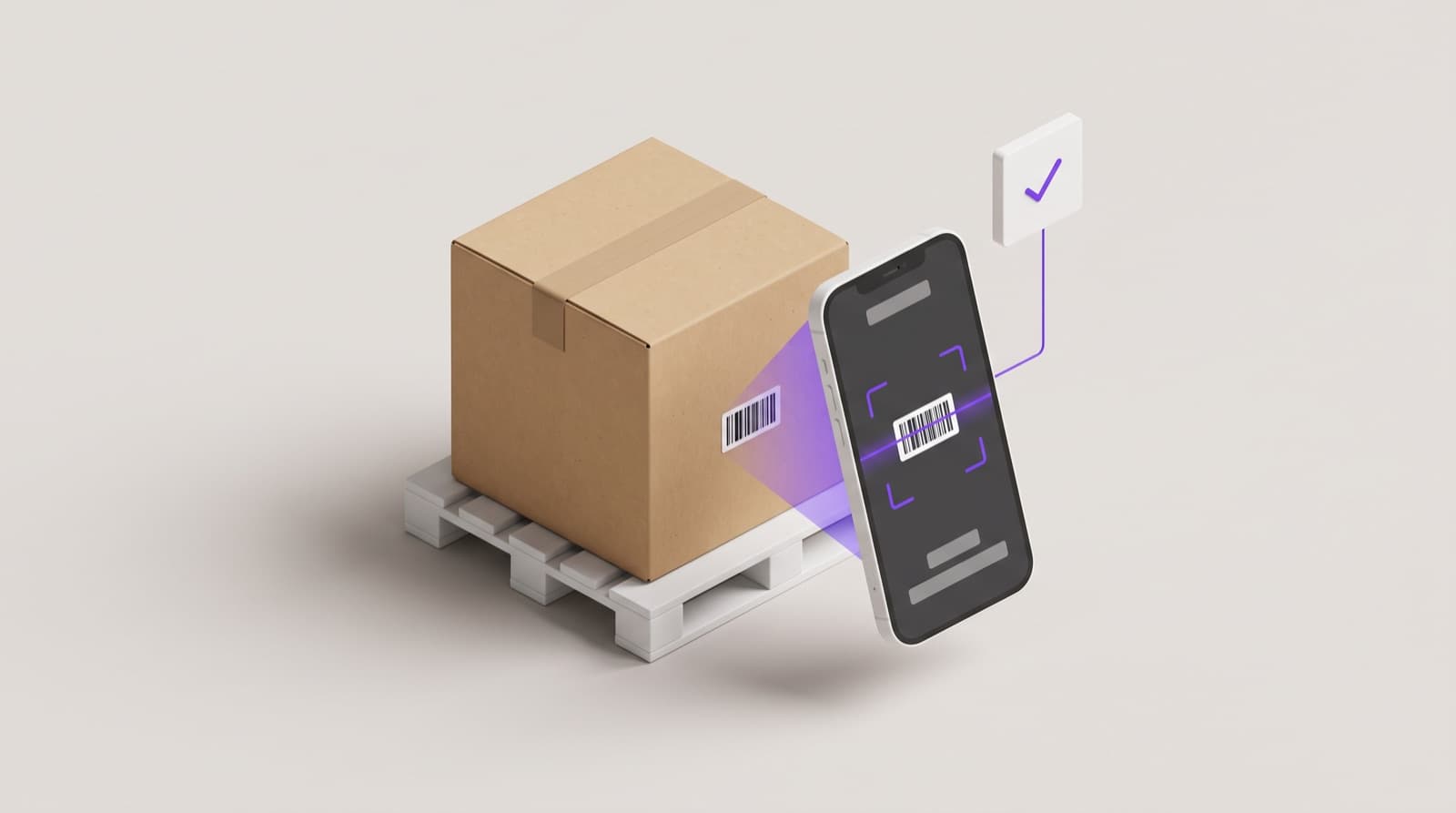
- Real-Time Inventory Visibility: Instead of relying on periodic stock counts, PackageX uses mobile scanning and OCR to capture inventory the moment goods are received, stored, or shipped. Teams get live updates that prevent stockouts and improve planning.
- End-to-End Shipment Tracking: PackageX unifies carrier tracking in a single view. Logistics teams monitor inbound and outbound freight in real time, with chain-of-custody records that include locations, pickups, delivery photos, and condition reports.
- Compliance and Traceability: Every scan, user action, and stock movement is logged for audit. Digital proof of delivery with timestamps, photos, and signatures keeps compliance simple.
- Seamless Integration: PackageX plugs into existing WMS, ERP, and logistics platforms, so adoption is fast and current workflows stay intact.
Whether you run your own warehouse or partner with a 3PL, PackageX gives you the visibility and control modern logistics demands.
Frequently Asked Questions
What is the difference between a 3PL and a 4PL?
A 3PL handles specific logistics functions like warehousing, fulfillment, and shipping. A 4PL goes a step further and manages your entire supply chain, including the 3PLs themselves. Think of a 3PL as the operator and a 4PL as the strategist.
How long does it take to onboard with a 3PL?
Onboarding usually takes two to six weeks. Simple ecommerce setups go live faster. Complex operations with custom packaging or ERP integrations take longer. Always ask for a written timeline before you sign.
What are the risks of using a 3PL warehousing service?
The main risks are loss of direct control, data security gaps, and dependency on a single provider. If the 3PL has downtime or service issues, your customers feel it. To reduce risk, pick a 3PL with strong SLAs, real-time visibility tools, and a proven track record.