Manufacturers spend years cutting production costs, squeezing plants, and renegotiating supplier contracts. Meanwhile, money quietly bleeds out of the receiving dock every shift while trucks idle, crews wait, and pallets pile up.
The numbers explain why this matters. The global inbound logistics market is projected to grow from USD 1,858.17 billion in 2026 to USD 3,422.81 billion by 2034, at a 7.93% CAGR. As volumes climb, dock inefficiencies cost more every year. Yet most leaders cannot say what their dock losses actually total.
This guide discovers where leaks occur, what they cost, and how to fix them using proven inbound logistics best practices.
Key Takeaways
• Inbound logistics moves raw materials from suppliers to manufacturers and often accounts for 40-60% of total logistics costs. • Most dock losses come from five sources: poor scheduling, manual processes, weak visibility, supplier non-compliance, and excessive handling. • Demurrage and detention fees can add 15 to 25% to shipping costs and have risen 35% at major US ports since 2020. • Best practices include digital dock scheduling, ASNs, real-time tracking, optimized put-away, and just-in-time inventory. • Modern tools like TMS, WMS, AI forecasting, and Vision AI scanning turn the receiving dock from a cost center into a profit lever.
What Is Inbound Logistics?
Inbound logistics is the part of the supply chain that moves raw materials, parts, and components from suppliers into a manufacturer's facility, ending with receiving, inspection, and storage. From there, the goods are ready for production.
Put another way, inbound in logistics covers procurement, transportation, customs clearance, receiving, and warehousing, and each step feeds the next.
In value chain terms, inbound logistics is the first activity in the chain. Raw materials enter the plant, the plant transforms them, and outbound logistics ships the finished product. Because of this position, inbound logistics supply chain decisions shape every downstream step.
A simple manufacturing example brings this to life. A car plant orders engines, tires, glass, wiring, and dashboards from dozens of suppliers, and trucks deliver parts on a daily schedule. Receivers count and inspect each load, forklifts move pallets to the assembly area, and production starts only when every part is in place.
The receiving dock sits at the chokepoint of this entire flow. A delay at the dock pushes back inspection, put-away, and the next shift's production, which is why receiving dock performance is a leading indicator of plant health.
Inbound vs Outbound Logistics: What's the Difference?
Inbound and outbound logistics flows look similar on a flowchart but operate in opposite directions. Inbound brings materials from suppliers into the plant, while outbound moves finished products from the plant to customers.
The inbound vs. outbound logistics distinction matters because inbound problems affect production, while outbound problems affect customer satisfaction. Both cost money, but different fixes apply to each. Here is a side-by-side view:
| Factor | Inbound Logistics | Outbound Logistics |
|---|---|---|
| Direction | Supplier to manufacturer | Manufacturer to customer |
| Purpose | Secure supply for production | Fulfill customer demand |
| Stakeholders | Suppliers, carriers, receivers | Customers, carriers, last-mile drivers |
| Cost drivers | Demurrage, detention, dock labor | Shipping, packaging, returns |
| KPIs | Dock-to-stock time, receiving accuracy | OTIF, fill rate, delivery time |
Inbound issues directly affect production, so if the receiving dock misses a shipment, the assembly line waits. Outbound delays slow customer deliveries instead. Both matter, but only inbound has the power to shut down the factory floor, which is why manufacturers should treat inbound logistics management as a strategic priority.
Why Manufacturers Lose Money at the Receiving Dock
Most manufacturers can name their top three production costs. Few can name their top three dock losses. Yet examples of inbound logistics waste show up across the receiving floor every day. Five issues drive most of the bleed.
Inefficient Dock Scheduling and Congestion
Trucks arrive without appointments. Drivers wait hours to unload. Detention fees pile up, often 100 to 300 dollars per container per day. Receiving labor stands idle, then scrambles when three trucks show up at once. Plants without dock scheduling software see this pattern weekly.
Manual Receiving Processes
Paper logs and spreadsheets still run too many receiving operations. Workers hand-write counts, key them into a spreadsheet, then re-enter the data into the WMS later. Errors compound at each step. Inspections take longer than they should. Inbound logistics management built on manual data is slow and expensive.
Poor Inventory Visibility
Without real-time tracking, planners cannot see what is on the dock, in inspection, or in put-away. The result is overstocking on some SKUs, missing parts for others, and production delays when the line needs a component nobody can find. Lack of visibility is the silent killer of inbound logistics supply chain performance.
Supplier Non-Compliance
Inbound shipments arrive with the wrong labels, mismatched quantities, or non-standard packaging. Each non-compliant load costs time. Receivers slow down. QA flags inspections. Some loads get rejected entirely. Strong supplier scorecards and clear ASN requirements solve most of this.
Excessive Material Handling
Goods move two, three, or four times before reaching their final storage location. Each touch costs labor. Each move risks damage. Plants without a directed put-away process and clear staging zones rack up handling costs that quietly drag on margins.
These five issues sit at the heart of why receiving docks leak money. Fixing them is mostly a process and technology question, not a budget one.
The Hidden Costs of Poor Inbound Logistics
The receiving dock leak shows up across the P&L in ways most finance teams miss:
- Inventory carrying costs: Stock that arrives early or in the wrong quantity ties up cash and warehouse space.
- Demurrage and detention fees: These charges can add 15 to 25% to shipping costs and have risen 35% at major US ports since 2020.
- Idle labor: Receivers and forklift drivers waiting on late shipments still earn wages.
- Production downtime: A missing part can stop an entire line. A line stoppage at a large plant can cost tens of thousands of dollars an hour.
- Damaged goods: Rough handling and rushed unloading lead to write-offs.
- Quality control failures: Pressure to clear the dock fast leads to skipped inspections, which lead to defects further down the chain.
For many manufacturers, inbound logistics can account for 40 to 60% of total logistics costs. The right combination of process and tech can recover 5 to 10 points of that spend with a single optimization cycle.
Inbound Logistics Best Practices Manufacturers Should Follow
Fixing the dock comes down to a handful of inbound logistics best practices that compound over time. The five below have the greatest impact.
Digitize Dock Scheduling
Replace email and phone calls with an automated appointment system. Carriers self-book slots. Receivers know what is coming hours or days ahead. Congestion drops. Detention fees fall. According to resources, transportation management solutions can reduce demurrage and detention fees by 25 to 50%.
Improve Supplier Collaboration
Set shipment compliance standards and enforce them with vendor scorecards. Require advance ship notices (ASNs) on every load. Use shared portals for documents and status updates. Better communication workflows cut surprises at the dock.
Use Real-Time Tracking and Visibility Tools
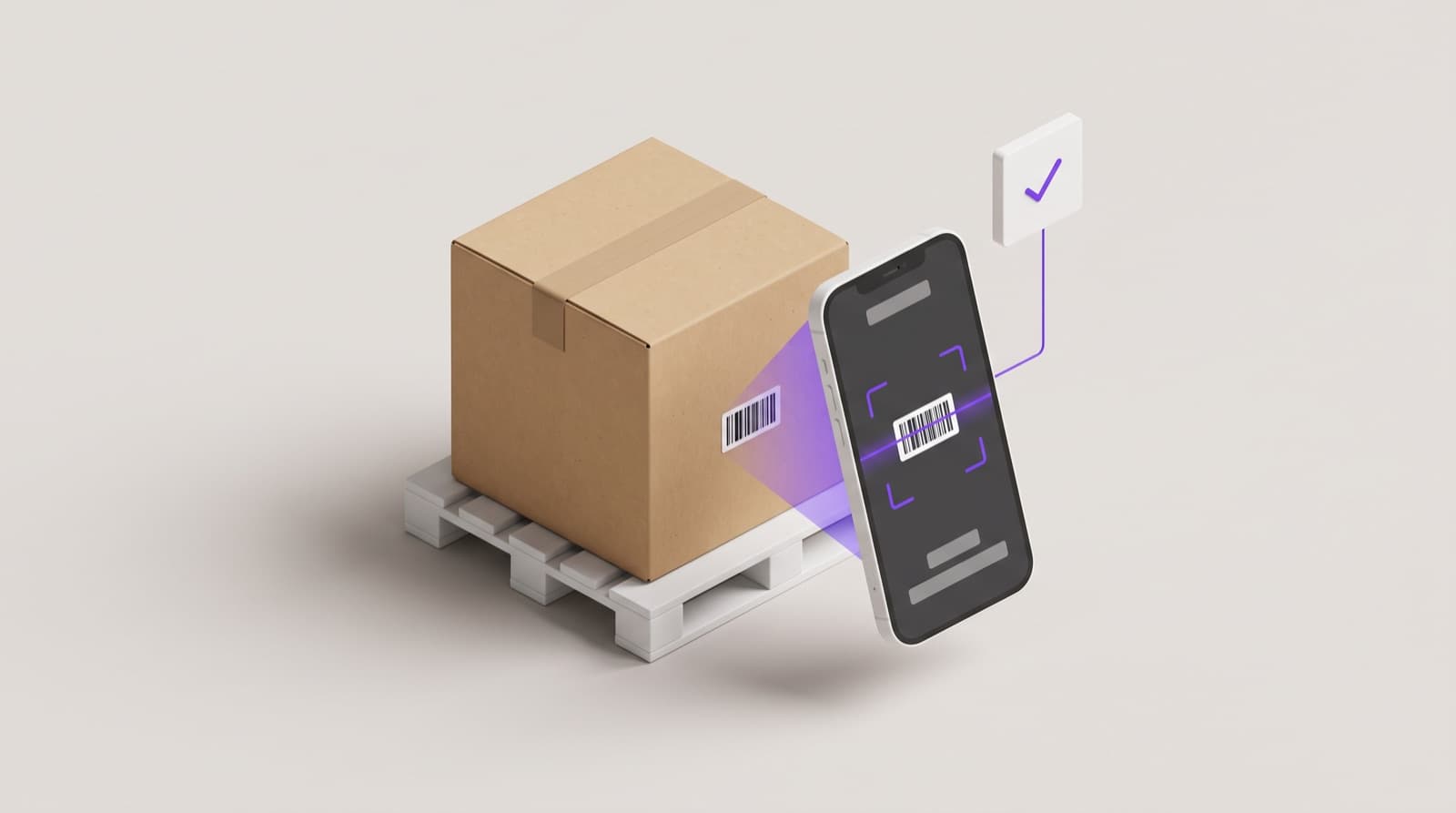
Add RFID tags, barcode scanning, and Vision AI scanning at intake. Connect inbound carriers through a transportation management system. Live dashboards show exactly where each shipment is and when it will arrive. Visibility is the single biggest unlock for inbound logistics solutions.
Optimize Receiving and Put-Away Processes
Standardize unloading. Build directed put-away into the WMS so workers go straight to the right rack. Coordinate the receiving and warehouse teams on a single plan. Faster unloading and clean put-away cut dock-to-stock time by hours, not minutes.
Implement Just-In-Time Inventory Strategies
Move toward smaller, more frequent inbound shipments tied to production demand. JIT reduces overstocking, improves cash flow, and lowers carrying costs. Pair JIT with safety stock on critical parts to balance lean with resilience.
These five practices fix most of the dock leaks named in the previous section. Each one is achievable with current tools and process discipline.
Inbound Logistics Gap in Real World: A Multi-Unit Retail Example
The same five leaks drain receiving operations outside manufacturing. A fresh pet food retailer with dozens of stores, several of them working kitchens that receive raw materials and produce fresh batches daily, ran store receiving entirely on paper. The failures mirrored a factory dock:
- No PO at the door: Purchase orders sometimes hadn't been entered into the ERP when the truck arrived, forcing blind receipts and manual cleanup.
- Manual data entry: Counts were noted on packing slips and keyed into the ERP by head office, sometimes days later and sometimes with an extra zero.
- Untracked partials: Drivers shorted items and promised to return on the next route, an agreement recorded nowhere. Finance spent two and a half days every close chasing partials, credits, and invoices that may not have been owed.
- Delayed sellable inventory: Kitchen-made goods could not sell online until manually logged into the ERP, for product that sells out daily.
The fix followed the inbound logistics best practices covered above: scanning at intake, exception capture at the door, and a clean handoff to the system of record. Associates scan items against POs synced from the ERP on the iPhones they already carry. Overs, shorts, and damages are flagged with photos and a driver-returning marker. Receipts post back automatically, inventory flows to the point of sale in real time, and kitchen batches scan straight into sellable stock.Whether the dock belongs to a plant or a store, inbound logistics ends the same way: with an accurate receipt in the system of record.
Modern Inbound Logistics Solutions That Reduce Costs
Modern inbound logistics solutions combine software, sensors, and AI to take the guesswork out of receiving:
- Transportation Management Systems (TMS): Manage carrier selection, freight rates, and dock scheduling in one platform.
- Warehouse Management Systems (WMS): WMS track inventory in real time and direct receiving, put-away, and storage workflows.
- ERP integration: Connect inbound data to procurement, production planning, and finance for a single source of truth.
- AI demand forecasting: Predict inbound volumes by SKU and supplier so receiving teams can plan labor and dock capacity.
- RFID and barcode systems: Capture intake data automatically without manual entry.
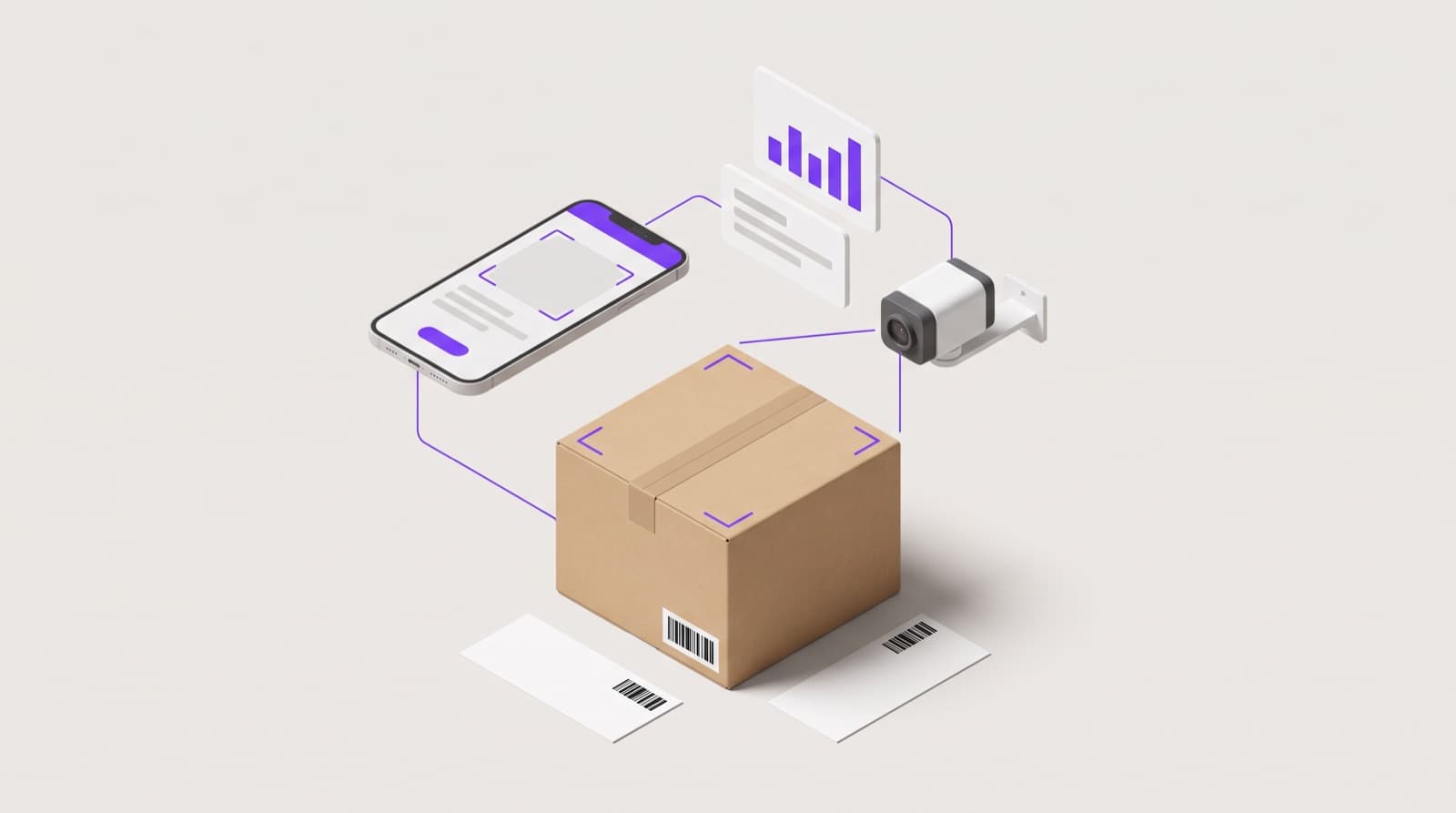
- Vision AI scanning: Read labels, SKUs, and pallet documents at the dock without manual barcode scans.
- Dock scheduling software: Eliminate carrier wait times and detention fees.
Digitalization lifts every metric: visibility, labor efficiency, supplier coordination, and inventory accuracy. Best-in-class inbound logistics management runs on this stack. Manufacturers that adopt it cut dock-to-stock time, lower carrying costs, and gain a real edge over slower competitors.
Inbound Logistics Benefits for Manufacturers
Inbound logistics benefits for manufacturers go well beyond cost savings. Done right, modern inbound creates compounding wins:
- Lower logistics costs: Less detention, less idle labor, less rework.
- Faster production cycles: Materials arrive when the line needs them, not before or after.
- Better supplier relationships: Clear standards, shared data, and fair scorecards build trust.
- Reduced stockouts: Real-time visibility prevents the surprises that halt production.
- Improved operational efficiency: Standardized processes and digital tools cut waste at every step.
- Better customer satisfaction: Reliable production means reliable delivery, which keeps customers loyal.
The cumulative impact shows up on the P&L within one or two quarters of a serious inbound overhaul. Manufacturers who treat inbound as a strategic asset, not just a cost line, see the biggest gains.
How PackageX Modernizes Inbound Receiving
Here is what teams gain with PackageX:
- Vision AI Scanning at receiving: Auto-detect SKUs and label data on intake without manual barcode entry.
- Real-time exception alerts: Flag shorts, damages, and miscounts as they happen.
- WMS and ERP integration: Receiving data flows into your stack through APIs and webhooks.
- Configurable workflows: Run standard, blind, or partially blind receiving from the same app.
PackageX scales with one dock or a global network. Teams cut dock-to-stock time, raise receiving accuracy, and free up labor for higher-value work.
Frequently Asked Questions
What is the difference between inbound logistics and procurement?
Procurement is the buying process: selecting suppliers, negotiating contracts, and placing orders. Inbound logistics is what happens after the order is placed: transportation, customs, receiving, and warehousing. Procurement decides what to buy. Inbound logistics get it to the plant.
Who is responsible for inbound logistics in a company?
Inbound logistics usually sits under the supply chain or operations function. A logistics manager or inbound coordinator is responsible for dock scheduling, carrier relationships, and receiving. Procurement, warehouse, and production teams all interact with the inbound flow. Larger manufacturers may have a dedicated inbound logistics manager.
What KPIs measure inbound logistics performance?
Four KPIs matter most. Dock-to-stock time tracks how long it takes for received goods to reach storage. Receiving accuracy measures correct counts and SKUs on the first match. Dock wait time captures carrier idle time. The supplier on-time delivery rate indicates how well vendors meet their commitments.
Conclusion: Turning the Receiving Dock Into a Profit Center
Receiving dock inefficiencies are not a fact of life; they are a choice. The five sources of loss covered here are all fixable with the right mix of process, supplier discipline, and technology, and the biggest levers are visibility and automation.
Inbound logistics solutions that combine TMS, WMS, AI, and Vision AI scanning give manufacturers the data and speed they need to compete. Audit your current inbound workflows, invest where the ROI is clear, and modernize your dock operations. With the right setup, the receiving floor can be your next profit center, not your next cost center.