Food logistics is not just about moving products from one place to another. In the food industry, every delay, temperature shift, or handling error can affect quality, safety, and customer trust. A single missed delivery or spoiled shipment can lead to lost revenue and damaged brand reputation.
That is why choosing the right food logistics company is a critical business decision. It directly impacts how smoothly your supply chain runs and how reliably your products reach customers.
The stakes are only getting higher. The food logistics industry is projected to grow to 251.5 USD billion by 2035, driven by rising demand for fresh, frozen, and ready-to-eat products. As this growth continues, businesses need logistics partners that can handle complexity without slowing operations.
In this guide, you will learn how to evaluate food and logistics providers and choose a partner that supports both efficiency and long-term growth.
Key Takeaways
• Food logistics requires strict control over timing, handling, and temperature. • Choosing the right partner directly impacts product quality and customer trust. • Technology like real-time tracking and AI improves efficiency and visibility. • Scalability and compliance are critical for long-term growth in food supply chains. • Platforms like PackageX enhance food logistics with real-time visibility, automation, and smarter warehouse operations.
What Is Food Logistics?
Food logistics is the process of moving food products from where they are produced to where they are consumed. It covers storage, handling, and transportation while keeping products safe, fresh, and compliant with regulations. In simple terms, it is the system that ensures food reaches the right place, at the right time, in the right condition.
Unlike general logistics management, food logistics comes with stricter requirements. Regular goods can sit in a warehouse for weeks without issue. Food cannot. Fresh produce, dairy, and frozen items all have limited shelf life and often require temperature control. This means the logistics and transportation of food must be closely monitored at every step.
The difference becomes clear when something goes wrong. A delay in standard shipping might cost time. In the food and beverage logistics space, it can lead to spoilage, compliance issues, or even health risks. For example, a few hours of temperature fluctuation in a cold chain can ruin an entire shipment.
Types of Food Logistics Services & Providers
Not all logistics partners work the same way. Some manage the entire operation, while others coordinate only parts of it. Understanding the difference helps you choose the right fit for your supply chain.
Logistics Companies vs Freight Forwarders
A food logistics company usually handles the entire process. This includes storage, transport, and delivery. You get more control, better visibility, and faster issue resolution.
Freight forwarders, on the other hand, act as coordinators. They arrange shipments across carriers but don’t always manage execution. This works well for complex international routes, but it can limit real-time control.
Core Food Logistics Services
Most food logistics companies offer a mix of services that keep products moving safely and on time:
- Transportation: Covers everything from local delivery to long-haul shipping. Strong food transportation logistics ensure goods arrive fresh and within required temperature ranges.
- Warehousing: Storage facilities with proper handling, inventory tracking, and hygiene standards. This is critical for maintaining product quality.
- Distribution: Efficient food distribution logistics help move products from warehouses to retailers or distributors without delays.
- Last-mile delivery: Last-mile delivery is the final step where timing matters most. Late or mishandled deliveries can directly impact customer satisfaction.
Choosing the right mix of food logistics services depends on your product type, scale, and delivery expectations.
Key Food Logistics Models You Should Know
Understanding how different logistics models work can help you avoid costly mistakes and delays.
3PL in Food Logistics
A third-party logistics (3PL) provider handles storage, transport, and distribution on your behalf. For many businesses, this means less operational stress and more room to scale.
For example, a growing food brand may struggle to manage warehouse space and deliveries during peak seasons. A 3PL steps in with ready infrastructure, trained staff, and systems to keep everything moving.
Cold Chain Logistics
Temperature control is non-negotiable in food logistics. Food cold chain logistics ensure products stay within safe temperature ranges from pickup to delivery.
Whether it’s fresh food logistics, like fruits and dairy, or frozen food logistics, like meat and seafood, even a small temperature change can lead to spoilage. In real-world terms, a delay of just a few hours without proper cooling can result in entire shipments being rejected.
Core Factors for Choosing the Right Food Logistics Company
Here are the factors that matter most when making the right decision.
Food Safety & Compliance Standards
Food safety is non-negotiable in the logistics of the food industry. Your partner should follow strict standards like HACCP and FSMA. This reduces the risk of contamination, recalls, and legal issues.
For example, a missed compliance step in food supply chain management and logistics can lead to entire shipments being rejected. A reliable partner builds processes that prevent these risks before they happen.
Cold Chain Infrastructure & Temperature Control
Temperature control is critical, especially for perishable goods. Whether you handle frozen or fresh food logistics, even small temperature shifts can spoil products.
Strong food cold chain logistics include:
- Refrigerated vehicles
- Temperature-controlled warehouses
- Continuous monitoring systems
A good provider tracks conditions in real time to ensure product quality from start to finish.
Automation & Real-Time Tracking
Modern logistics runs on data. Tools like food delivery logistics software help track shipments, predict delays, and improve planning.
Real-time tracking allows teams to act fast when something goes wrong. At the same time, it is important to balance automation. Poor implementation can create automation risks in food logistics.
Network Reach & Flexibility
Your logistics partner should grow with you. Strong food supply chain logistics depends on network reach and the ability to scale.
For example, during seasonal demand spikes, can they handle higher volumes without delays? A solid food distribution logistics network ensures consistent delivery, even under pressure.
Cost Transparency & Value
Price matters, but clarity matters more. Many businesses face hidden charges in food logistics services like storage fees or last-minute handling costs.
The right food logistics service offers clear pricing and focuses on long-term value. Saving a few dollars upfront means little if delays or errors cost you more later.
Common Challenges in Food Logistics (And How to Overcome Them)
Here are the most common challenges businesses face and how to handle them:
1. Spoilage and Delivery Delays
In food and beverage logistics, timing is everything. A delayed truck or a broken refrigeration unit can ruin an entire shipment. Fresh and frozen goods have very little margin for error.
How to overcome it: Use real-time tracking and temperature monitoring. Many companies now rely on route optimization tools to avoid traffic and reduce delays. A strong cold chain setup also helps protect product quality.
2. Compliance and Safety Risks
The logistics and transportation of food must meet strict safety standards. Missing a regulation can lead to rejected shipments or legal trouble.
How to overcome it: Work with partners who understand food safety rules and maintain proper documentation. Regular audits and staff training also reduce risk.
3. Demand Fluctuations
Seasonal spikes, promotions, or sudden changes in demand can disrupt planning. This is common in food logistics, especially for perishable items.
How to overcome it: Build flexible capacity. Scalable warehousing and transport solutions help you adjust quickly without overloading your system.
4. Lack of Traceability
Without clear tracking, it’s hard to locate products or manage recalls. This creates serious issues in food and logistics operations.
How to overcome it: Use digital systems that track inventory, batches, and shipments in real time. Be cautious with automation risks in food logistics. The right tools improve visibility, but a poor setup can create new blind spots.
The Role of Technology in Modern Food Delivery Logistics
Here’s how modern technology is shaping modern operations:
Smarter Routing with AI
- A modern food delivery logistics company no longer relies on fixed routes
- AI tools adjust delivery paths in real time based on traffic, weather, and order volume
- This helps reduce delays and improve on-time delivery rates
- Example: In high-density cities, optimized routing can cut delivery times by up to 20%
Real-Time Tracking and Visibility
- Customers can track orders live, from dispatch to doorstep
- Operations teams get instant updates on delays or disruptions
- This reduces customer complaints and improves response time
- Even small delays matter, especially for fresh or hot food
Integrated Logistics Software
- Food delivery logistics software connects orders, drivers, and inventory in one system
- It removes manual coordination and reduces errors
- Dispatchers can assign orders faster and manage peak demand more efficiently
Scaling with Market Growth
- The food delivery logistics market is expanding rapidly with rising demand
- Businesses using technology can scale without losing control over service quality
- Data insights also help improve planning, forecasting, and performance over time
How to Choose the Best Food Logistics Partner for Your Business (Step-by-Step)
Choosing the right partner is about protecting your margins, your product quality, and your customer experience. Here is a simple way to approach it:
- Define your needs first Start with clarity. Are you handling fresh, frozen, or packaged goods? Do you need storage, last-mile delivery, or full food supply chain management and logistics support? A small food brand shipping locally will need very different food logistics services than a manufacturer supplying multiple regions.
- Evaluate multiple providers Do not settle on the first option. Compare at least 3–4 food logistics companies. Look at their experience in your category, their delivery timelines, and how they handle disruptions. Case studies and client reviews can reveal more than sales pitches.
- Check compliance and safety standards Food safety is non-negotiable. Make sure the food logistics company follows regulations like HACCP and maintains proper documentation. This reduces the risk of spoilage, recalls, or legal issues.
- Test scalability and flexibility Your demand will change. Seasonal spikes, new markets, or product launches can strain a weak partner. Choose a provider that can scale without delays or service drops.
- Review their technology stack Modern food logistics services rely on real-time tracking and data. Ask how they monitor shipments, manage inventory, and report issues. Good visibility helps you act before small problems become costly mistakes.
How PackageX Strengthens Food Logistics Operations
Here’s how PackageX supports modern food logistics companies:
Accurate Receiving for Perishables
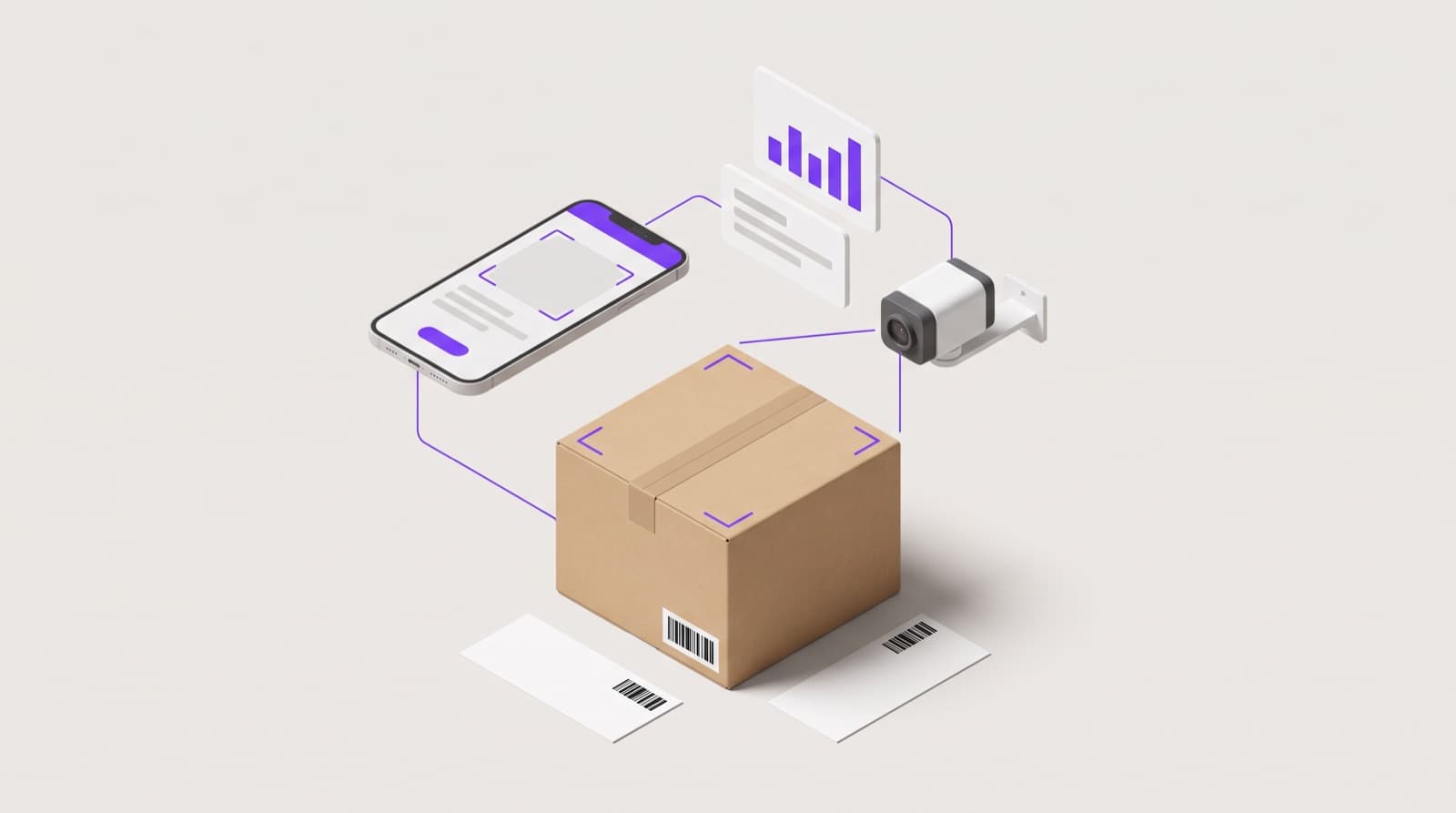
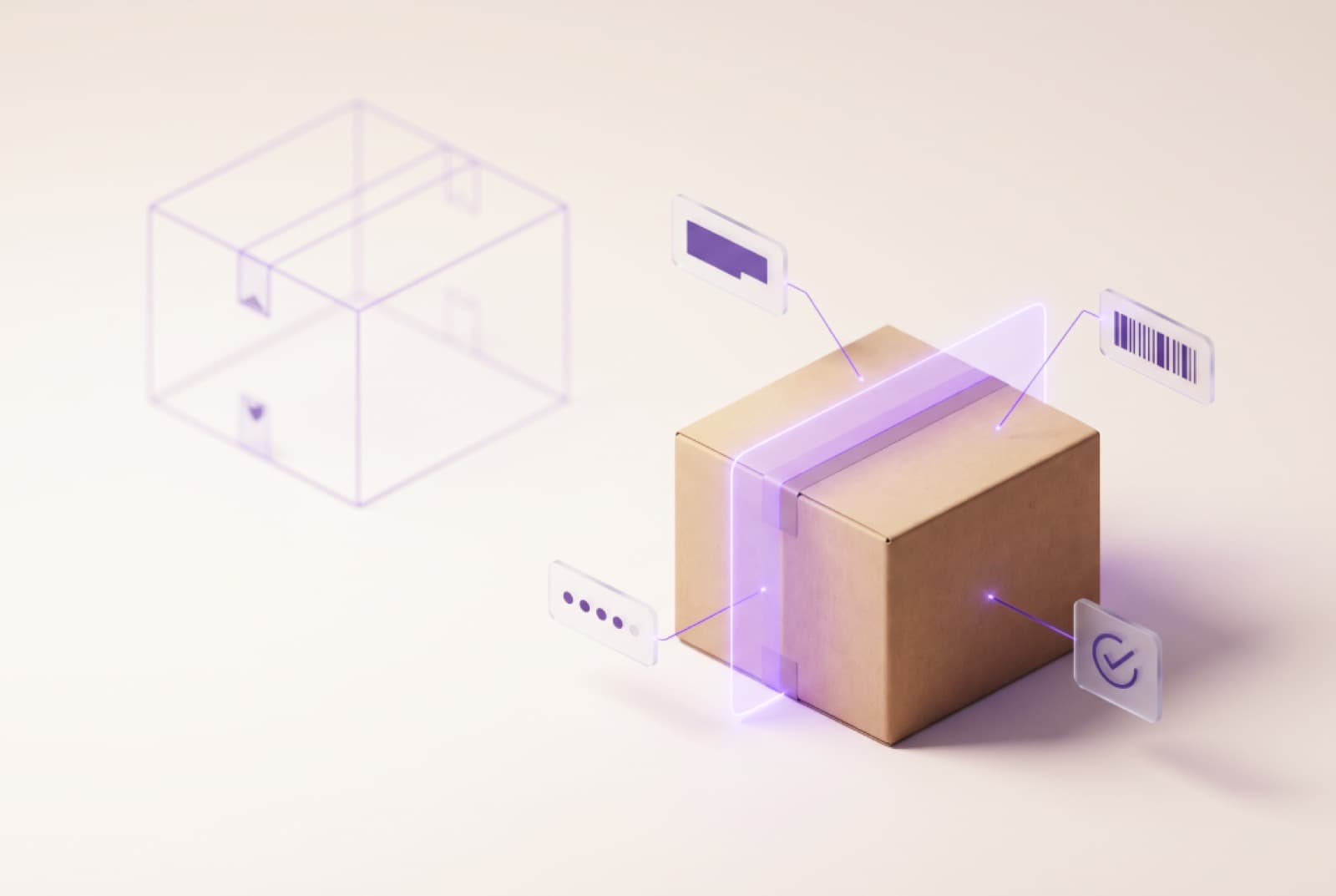
PackageX uses Vision AI to capture shipment data instantly, reducing manual errors during intake. This helps prevent spoilage and keeps food logistics services running smoothly.
Real-Time Inventory Visibility
Track inventory across warehouses and transit in real time. This improves food supply chain management and logistics by reducing stock mismatches and delays.
Mobile-First Warehouse Operations
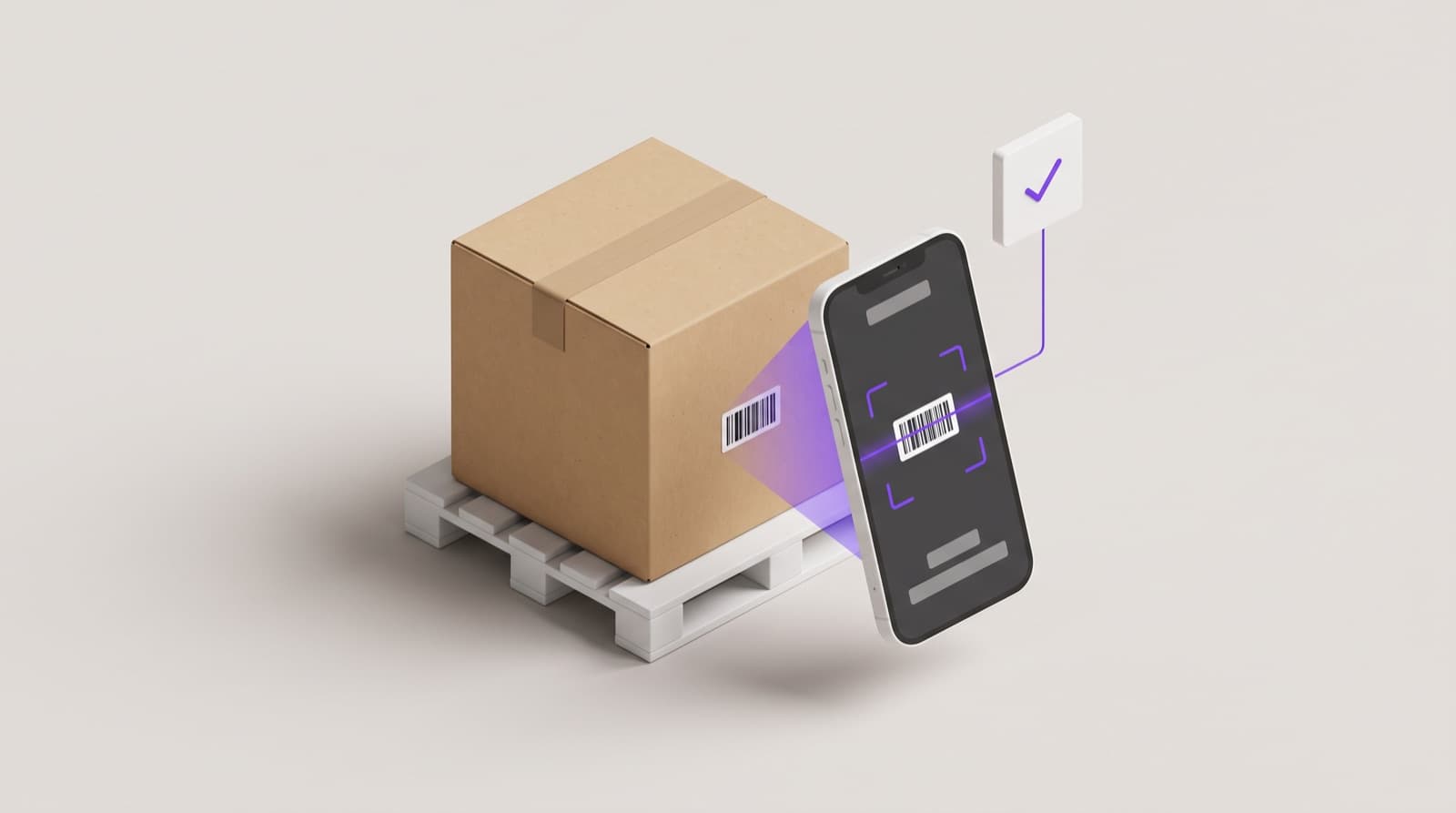
Teams can scan and update shipments using mobile devices. This speeds up handling in fast-paced environments, such as fresh and frozen food logistics.
Built-In Exception Detection
Identify damaged goods, missing items, or labeling issues early. Quick action helps food logistics companies reduce waste and maintain product quality.
FAQs
What role does automation play in food logistics?
Automation reduces manual work and improves accuracy. It helps manage inventory, routing, and order processing efficiently. However, it must be implemented carefully to avoid errors.
What makes food logistics different from general logistics?
Food logistics involves stricter requirements for handling, safety, and temperature control. Unlike regular goods, food produc ts have a limited shelf life and require continuous monitoring. Even small delays or errors can lead to spoilage or compliance issues.
Why is cold chain logistics important?
Cold chain logistics maintains temperature control for perishable goods. Even small temperature changes can lead to spoilage or rejection. It protects product quality and ensures food safety.