A misplaced delivery or a delayed package can disrupt operations and erode trust. In large buildings, efficient logistics are crucial. Building logistics encompasses the management of mailrooms, package rooms, and internal deliveries, ensuring that items move swiftly and accurately within a facility.
In 2025, the U.S. barcode scanner market is expected to be valued at over $2 billion, reflecting the increasing adoption of barcode scanning technologies in logistics and supply chain operations.
Implementing barcode scanning systems can significantly enhance logistics efficiency. Barcode scanning automates the tracking process, reducing human error and providing real-time visibility into package movements. According to a global research, businesses utilizing barcode scanning systems experience up to a 50% reduction in order fulfillment errors.
PackageX offers a mobile-first, AI-powered barcode scanning platform that integrates seamlessly into existing operations. By digitizing package handling, PackageX enhances accountability and streamlines workflows, transforming building logistics into a more efficient and reliable system.
What is Barcode Scanning in Logistics?
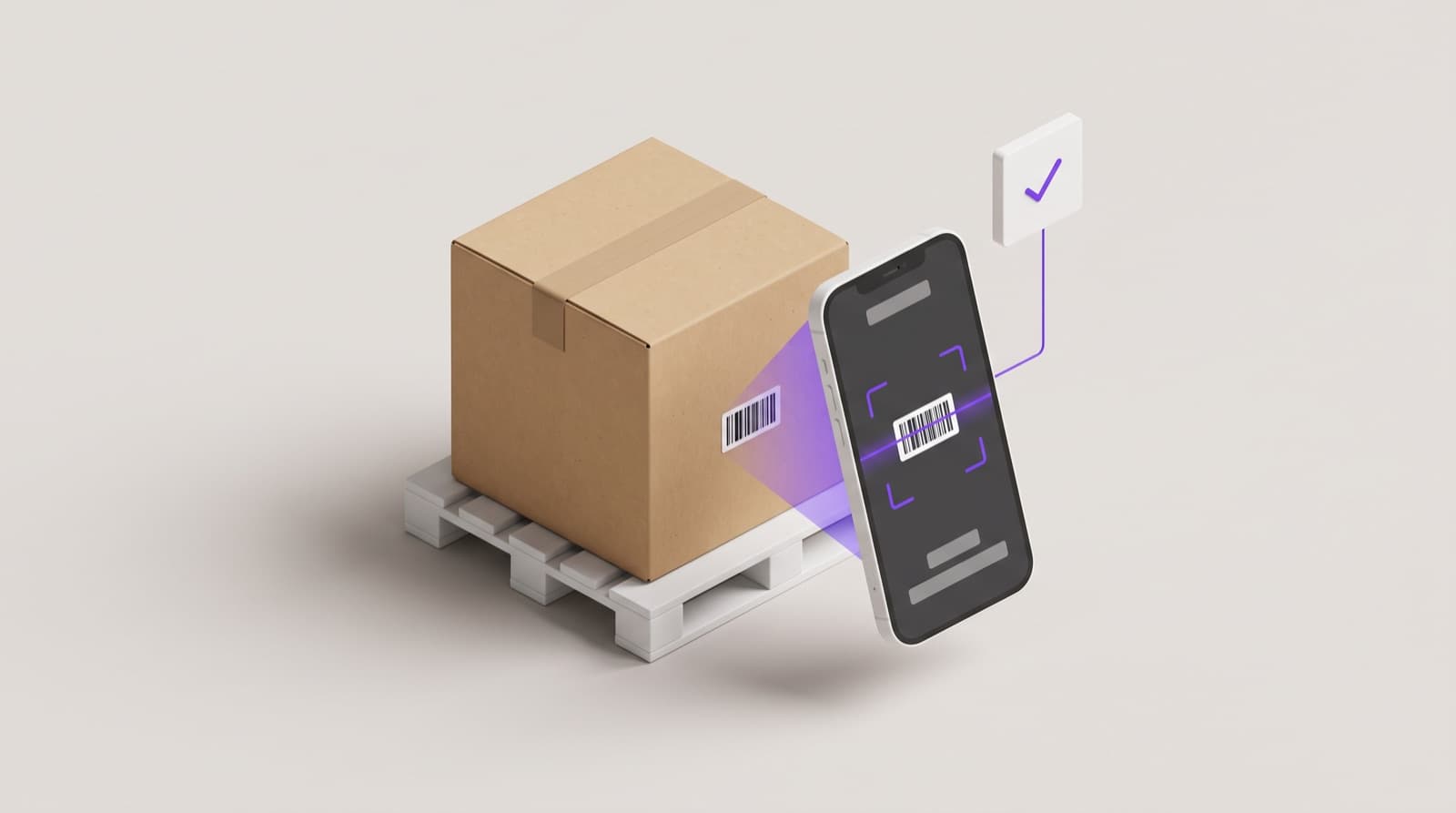
Barcode scanning plays a vital role in modern supply chains, acting as the foundation for efficient inventory management and accurate tracking. At its core, barcode scanning involves using a scanner to read printed barcodes on items.
The data is then transmitted to a connected system, which updates records in real time. This process allows businesses to:
- Track inventory
- Manage shipments
- Streamline logistics operations
A barcode tracking system enables companies to monitor products as they move through various stages of the supply chain, reducing errors and improving accountability. With the integration of software, the system automatically updates inventory levels, so businesses can easily access up-to-date information.
In building logistics, barcode scanning has become essential. A recent survey found that 80% of warehouses in the US use barcode technology for inventory management, which is expected to grow significantly by 2030.
As facilities increasingly handle high volumes of packages, barcodes provide a faster and more accurate method for tracking and managing these deliveries.
Key Challenges in Building Logistics Without Barcodes:
Without barcode scanning, building logistics can quickly become inefficient. Manual package logging often results in errors, making tracking difficult and increasing the risk of lost packages. In fact, studies show that up to 15% of packages in large facilities are misplaced due to poor tracking systems.
Lack of real-time inventory tracking means facilities teams are often unaware of package statuses, impacting response times and customer satisfaction. This can harm tenant relationships and disrupt service-level agreements (SLAs).
Before advanced digital solutions, buildings struggled with these inefficiencies, resulting in slower operations, lost inventory, and frustrated tenants.
But today, barcode scanning systems streamline these processes, allowing for real-time updates and greater visibility, which improves operational efficiency.
How Barcode Scanning Improves Logistics Efficiency?
Barcode scanning has quickly become a vital tool for improving logistics efficiency in warehouses and facilities. Here’s how it works:
- Real-time tracking : Barcodes enable businesses to track packages at any point in the logistics process, offering immediate access to data and eliminating guesswork. 88% of warehouse operators reported improved operational efficiency after implementing barcode systems.
- Faster check-in/check-out : Packages move quickly through the system, reducing bottlenecks and speeding up the overall workflow. This minimizes time spent on manual tracking and reduces human error.
- Instant data capture and searchable logs : Barcodes allow for immediate data entry, creating searchable logs that improve access to package information and boost transparency in operations.
- Mobile barcode scanners : Staff can scan packages anywhere on the premises, making real-time updates and enhancing flexibility and efficiency in facility management.
- Improved accountability and visibility : Barcodes provide clear timestamps, ensuring packages are handled with care and logged accurately, which ultimately increases tenant satisfaction.
How PackageX Enhances Barcode Scanning?
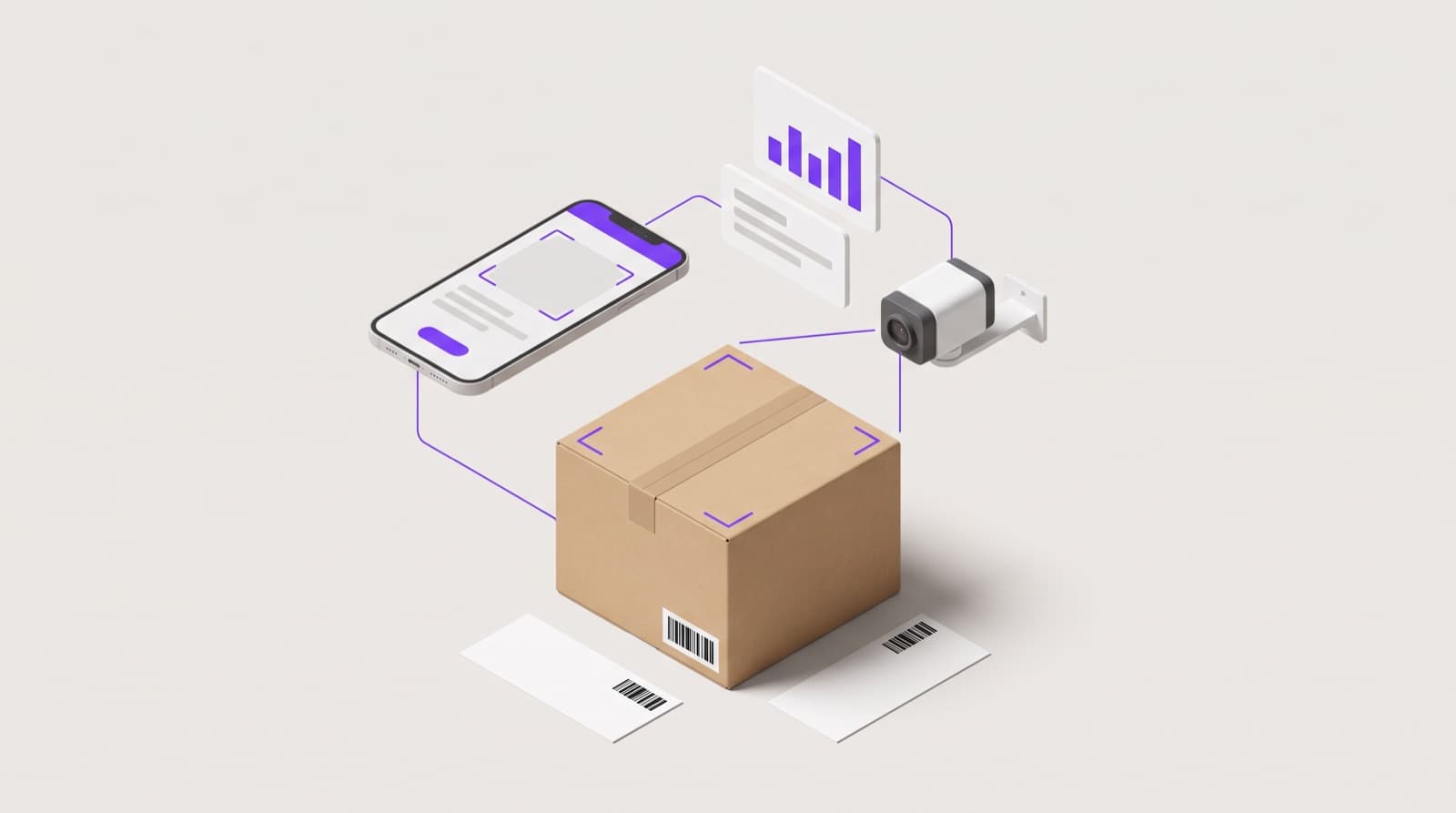
PackageX offers a mobile-first, AI Vision SDK that simplifies logistics without requiring dedicated hardware. Key features include:
- No hardware dependency : Works on any device, cutting down costs for businesses.
- Real-time scan logs : Provides instant tracking data, ensuring accuracy and accountability.
- Photo proof & chain of custody : Secure documentation for every package, enhancing transparency.
Barcode scanning is integrated across multiple PackageX solutions, including mailroom operations, inventory, and asset Management, to provide a seamless, end-to-end logistics platform.
With PackageX, facilities can achieve better efficiency and tracking, reducing errors and speeding up package handling.
PackageX Barcode Scanning Use Cases:
Here’s how PackageX has applied its smart solutions to improve performance across multiple sectors:
1. Inter-Office Delivery - WeWork
WeWork implemented PackageX's barcode scanning technology to automate package processing, reducing processing time by 85%. This automation likely extended to inter-office deliveries, ensuring efficient tracking and management of packages moving between different departments and locations.
2- Inventory Management - University of Dallas
The University of Dallas achieved 100% automation in package processing with PackageX, which includes inventory management. This comprehensive automation likely encompassed tracking and managing inventory items across various departments and facilities.
3. Package Processing at GETEC Park - CBRE
CBRE implemented PackageX's barcode scanning technology at GETEC Park, a large multi-tenant industrial park. This solution replaced manual package tracking, eliminating lost packages and improving tenant satisfaction. As a result, CBRE achieved a 20% increase in operational efficiency and received zero tenant complaints about package handling.
Future-Proofing with Smart Barcode Scanning:
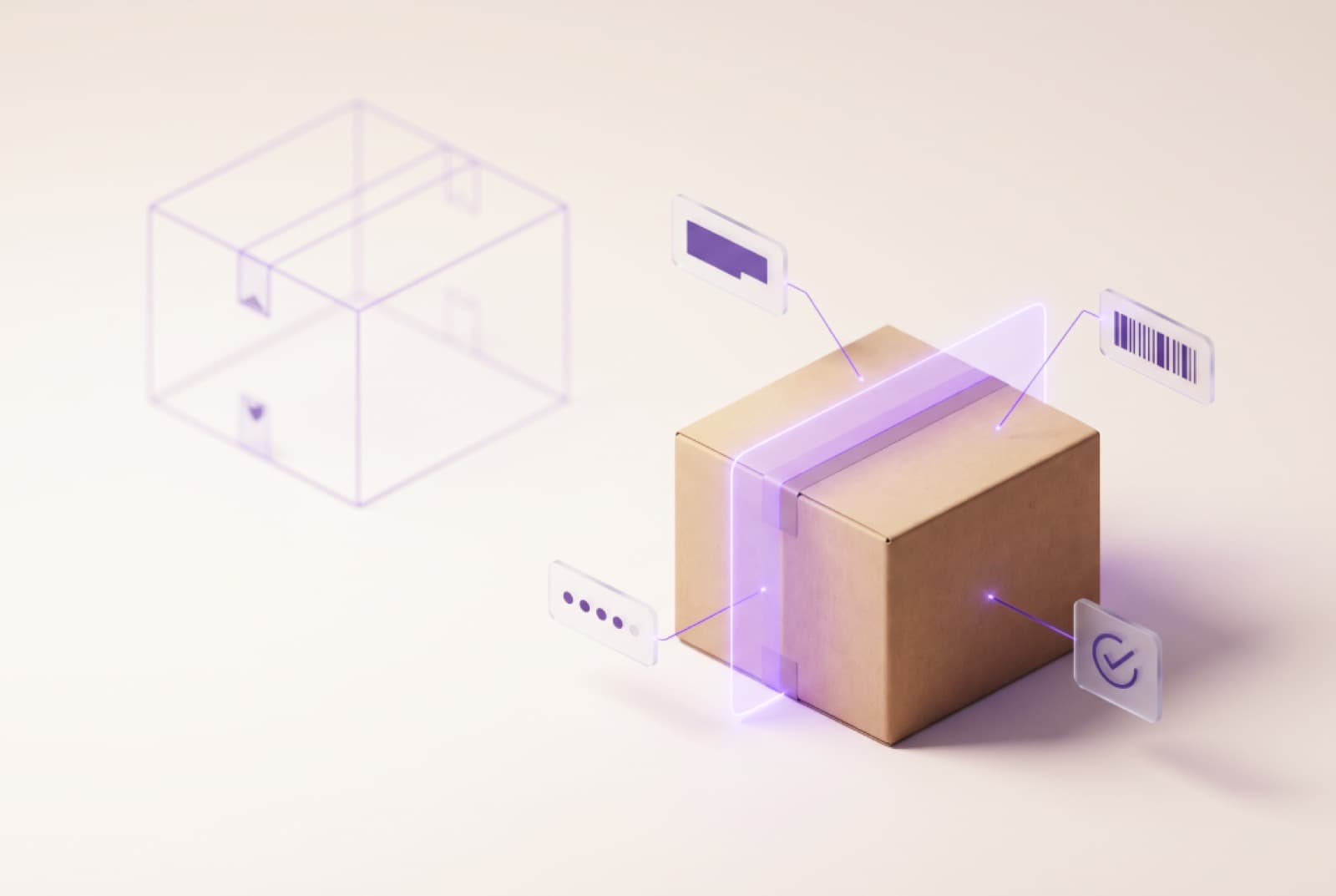
Smart barcode scanning is transforming logistics with the integration of AI, Optical Character Recognition (OCR), and barcode technology. This combination allows real-time tracking and provides valuable data insights, helping businesses optimize their operations.
AI-driven systems enhance decision-making by identifying patterns and predicting potential issues before they arise, improving overall efficiency.
With barcode systems and data intelligence working together, companies can better track and manage their inventory, reduce errors, and improve package handling. For multi-location facilities, scalability is essential, and cloud-based systems like PackageX offer the flexibility needed to manage operations seamlessly across sites. Inbound package tracking and cloud integration ensure consistency and visibility, no matter the size or number of locations.
As logistics continues to evolve, the adaptability of smart barcode systems ensures that businesses stay ahead of future challenges, enhancing efficiency and responsiveness.
How PackageX Improves Logistics Efficiency with Barcode Scanning?
Barcode scanning plays a critical role in improving logistics efficiency for building operations. It speeds up package handling, reduces errors, and provides real-time tracking for better visibility.
With barcode scanning solutions by PackageX, facilities can streamline their logistics workflows, minimize manual errors, and enhance accountability.
This technology not only ensures faster package check-ins and check-outs but also provides accurate data capture that can be accessed instantly.
PackageX is your ideal option to embrace this technology by enhancing both operational speed and accuracy.