A supplier ships a clean-looking order to a big-box retailer. Every SKU is correct, the paperwork is tidy, and then a chargeback lands anyway, because the shipment arrived a day past its window or one case short. That is the exact failure OTIF is built to catch, and it is why the metric has teeth.
It also sits at the center of a fast-growing category. The global supply chain management market is projected to grow from USD 32.9 billion in 2026 to USD 72.82 billion by 2034, exhibiting a CAGR of 10.40%. As that spend accelerates, service-level metrics like OTIF are how retailers hold it accountable.
This guide covers what OTIF is, how to calculate it, why it matters as a supply chain KPI, and where misses actually originate.
What is OTIF? OTIF Meaning and Definition
OTIF stands for On Time In Full, and it measures the percentage of orders delivered both by the agreed date and complete, with exactly the items and quantities the customer ordered. That is the whole OTIF meaning in one line: did the right stuff arrive, all of it, when it was promised?
OTIF (on time in full) is used by supply chain teams, and it is a service-level metric. It assesses delivery reliability from the receiver's perspective, not from the moment the goods leave your dock. The key is the joint condition. There is no trade-off between the two halves: an order that is on time but short fails, and an order that is complete but late fails just the same. Only orders that clear both bars count.
The OTIF meaning in supply chain management contexts goes a step further. Because OTIF in supply chain relationships is measured by the buyer, it functions as a supplier reliability signal, especially in B2B and retail. A strong on-time in-full OTIF definition tells supply chain partners that a retailer you can be counted on to keep shelves stocked, and a weak OTIF means supply chain buyers read it as risk. That is why OTIF, in supply chain terms, is really a question of trust, not just logistics.
DIFOT and OTIF
If you have seen the term DIFOT (Delivered In Full, On Time), it is the same idea. OTIF and DIFOT are interchangeable, with OTIF more common in B2B retail and DIFOT more common in direct-to-consumer ecommerce. Two related metrics, OTD and fill rate, sound similar but measure only one dimension each. The full comparison is below.
OTIF vs OTD vs fill rate
These three metrics get mixed up constantly, but they answer different questions. OTIF is the strictest and most representative of the actual customer experience, because it is the only one that combines both timing and completeness.
How to Calculate OTIF
An OTIF score has two components: The on-time rate (did it arrive within the window) and the in-full rate (did every unit arrive). To calculate OTIF, you combine them and count only the orders that satisfied both.
Here is the OTIF metric formula:
OTIF (%) = (Orders Delivered On Time and In Full ÷ Total Orders Delivered) × 100
A worked example. Say your warehouse ships 500 orders in a month. 480 arrive on time, and 470 arrive complete, but only 460 hit both conditions at once.
Your OTIF is (460 ÷ 500) × 100 = 92%.
Notice the score keys off the 460 that cleared both bars, not the higher single-condition numbers, which is why OTIF is always tighter than either component alone.
The part that trips teams up is definitions. Before you trust the number, decide what "on time" means (a single date, a delivery window, or the dock-scan timestamp) and what "in full" means (how you treat partial shipments, substitutions, and damaged units).
If those rules are fuzzy or applied inconsistently, your OTIF drifts from reality, no matter how clean the math is.
Why OTIF Matters as a Supply Chain KPI
The OTIF metric earns its status as a core KPI for a few substantial reasons, not a laundry list.
- Customer trust and retention: OTIF measures the promise you actually kept. Consistently high scores build the reliability that keeps buyers ordering; repeated misses erode it fast.
- Chargeback and penalty exposure: For retail logistics, kpi OTIF is money. Walmart charges suppliers 3% of the cost of goods sold on non-compliant cases, with compliance thresholds commonly cited around 98%. Other retailers run their own versions. A single short or late line can trigger a fine, even when the rest of the order is perfect.
- Inventory and forecasting signal: A falling OTIF often exposes stockouts, poor availability data, or weak forecasting before those problems show up elsewhere.
- Competitive and shelf-space advantage: Suppliers with strong OTIF scores win better in-stocks, more reliable allocations, and greater buyer trust, which compounds into more business.
Where OTIF Misses Actually Start: Inside Your Four Walls
Here is the reframe most OTIF content misses. Nearly every article treats OTIF as a transportation and visibility problem, something that happens out on the road. But the in-full half of OTIF is fundamentally a fulfillment-accuracy problem, and it originates on the warehouse floor before a single truck is loaded.
Walk it back to the root causes competitors skip:
- Receiving discrepancies: If what you logged as received does not match what actually arrived, your inventory is wrong from the first minute. That gap surfaces later as a phantom stockout and an in-full miss.
- Inaccurate inventory counts: Bad cycle counts feed false availability into your systems, so you promise units you cannot actually ship. The order looks fillable on-screen but fails at the dock.
- Putaway errors: Stock stored in the wrong location is functionally invisible. It exists, but pickers cannot find it, so orders go out short. Solid putaway discipline is quietly an OTIF lever.
- Mispicks and short picks: Grabbing the wrong item or the wrong quantity at the pick face is the most direct in-full failure there is, and it happens long before shipping.
Every one of these starts as a data or accuracy error inside your building and ends as a chargeback in your accounts receivable. Fix the four walls, and you fix most of your OTIF.
How to Diagnose a Dropping OTIF Score
When OTIF slips, do not blindly throw tools at it. Split the miss into its root component first, because the fix is completely different depending on which half broke.
- Late but complete?
That is an on-time failure, so look at transportation, carrier performance, and appointment scheduling. - On time but short?
That is an in-full failure, which points inward to warehouse accuracy, inventory, warehouse putaway, and picking. - Both late and short?
That usually signals an upstream problem in demand planning or inventory availability, not execution.
This one habit, diagnosing before fixing, saves teams from the classic mistake of buying a shiny visibility platform to solve what is actually a picking problem.
How to Improve OTIF
Weight your effort toward the controllable, warehouse-side levers first, then round out the demand-side basics to stay strong on both sides.
- Tighten inventory accuracy: Keep system counts aligned with what is physically on the shelf so that availability data can be trusted. Real-time, verified counts prevent the false promises that cause full misses.
- Enforce receiving discipline: Verify inbound goods against the purchase order at the dock so errors never enter your inventory in the first place.
- Add pick verification: Confirm item and quantity at the pick face, ideally with a scan, so the wrong product never makes it into the carton.
- Fix putaway logic: Store stock where it is findable and slotted by velocity so pickers are not hunting for units that are technically in stock.
- Sharpen demand forecasting: Better forecasts prevent stockouts, a leading cause of incomplete orders.
- Coordinate with vendors and carriers: Hold suppliers to SLAs, maintain backups for critical SKUs, and route shipments to carriers based on actual on-time performance data.
- Track OTIF in real time: Monitor the score continuously with alerts, not as a month-end cleanup task, so you catch drift while you can still act.
How to Dispute an OTIF Chargeback
Not every OTIF fine is valid; you can dispute the ones that are not, but only if you have proof. Winning a dispute comes down to evidence, proof of delivery (POD), dock-scan timestamps, receiving records, and appointment or booking logs that show the shipment arrived on time and complete, or that the miss was the retailer's fault.
This is exactly why clean receiving and scanning data at the source matters twice over. Accurate capture not only prevents misses; it also gives you the timestamped record you need to contest a claim. Suppliers who scan and log everything can fight back; suppliers running on paper and memory simply eat the fine.
How PackageX Cuts OTIF Failures on the Warehouse Floor
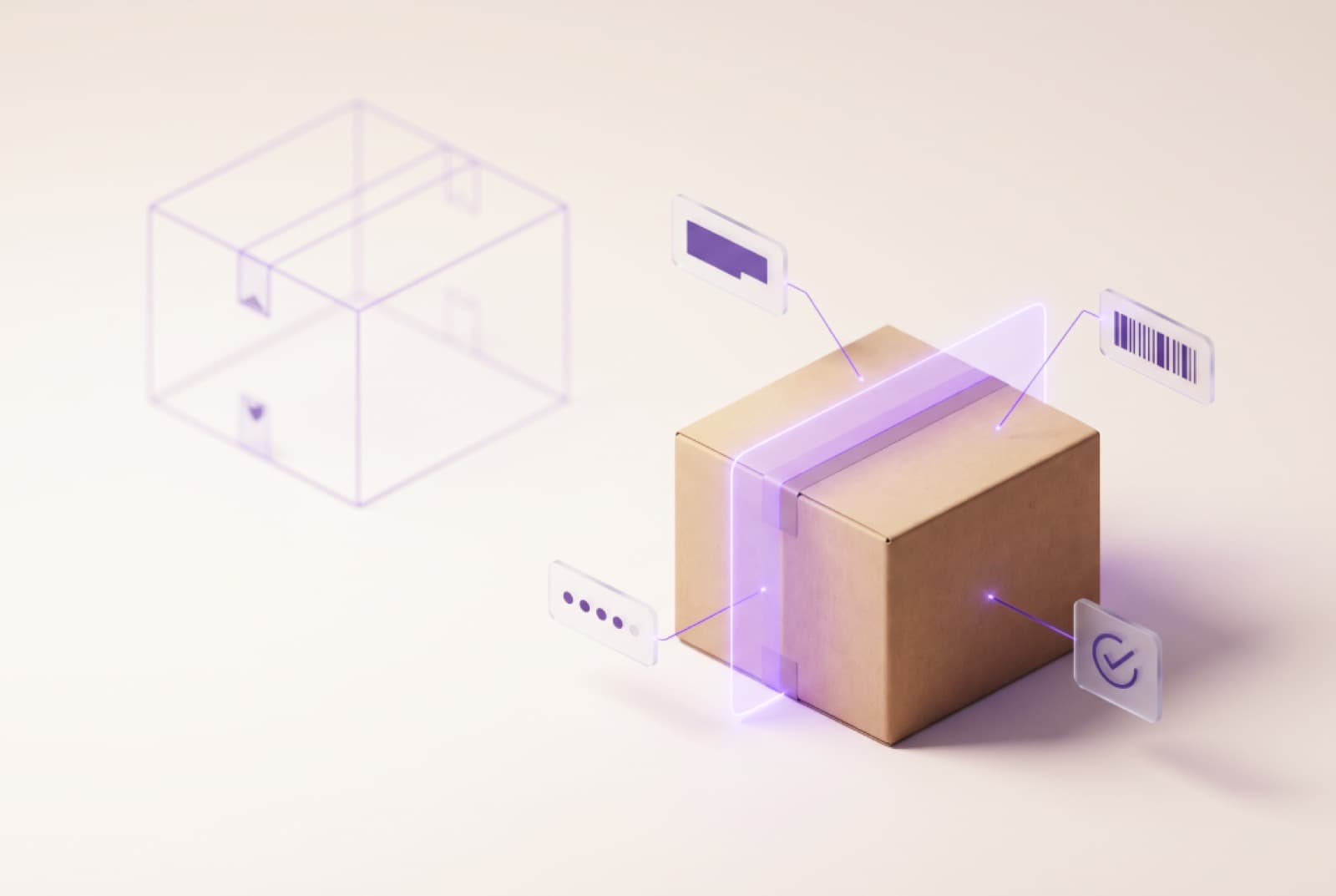
OTIF is won or lost on fulfillment accuracy long before a truck rolls. That is exactly the layer PackageX controls, with Vision AI that reads, verifies, and records every move from the receiving dock to the pick face.
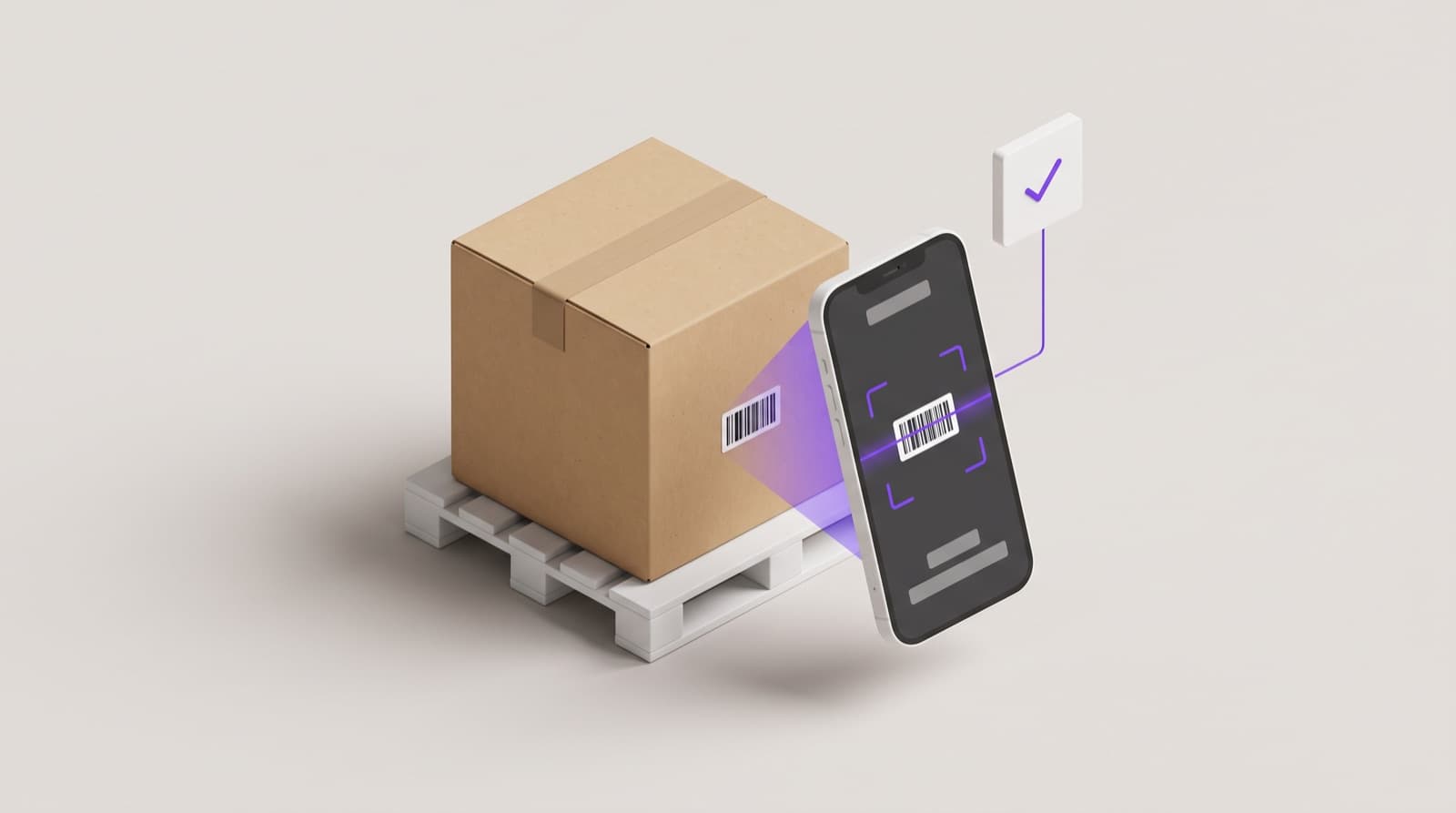
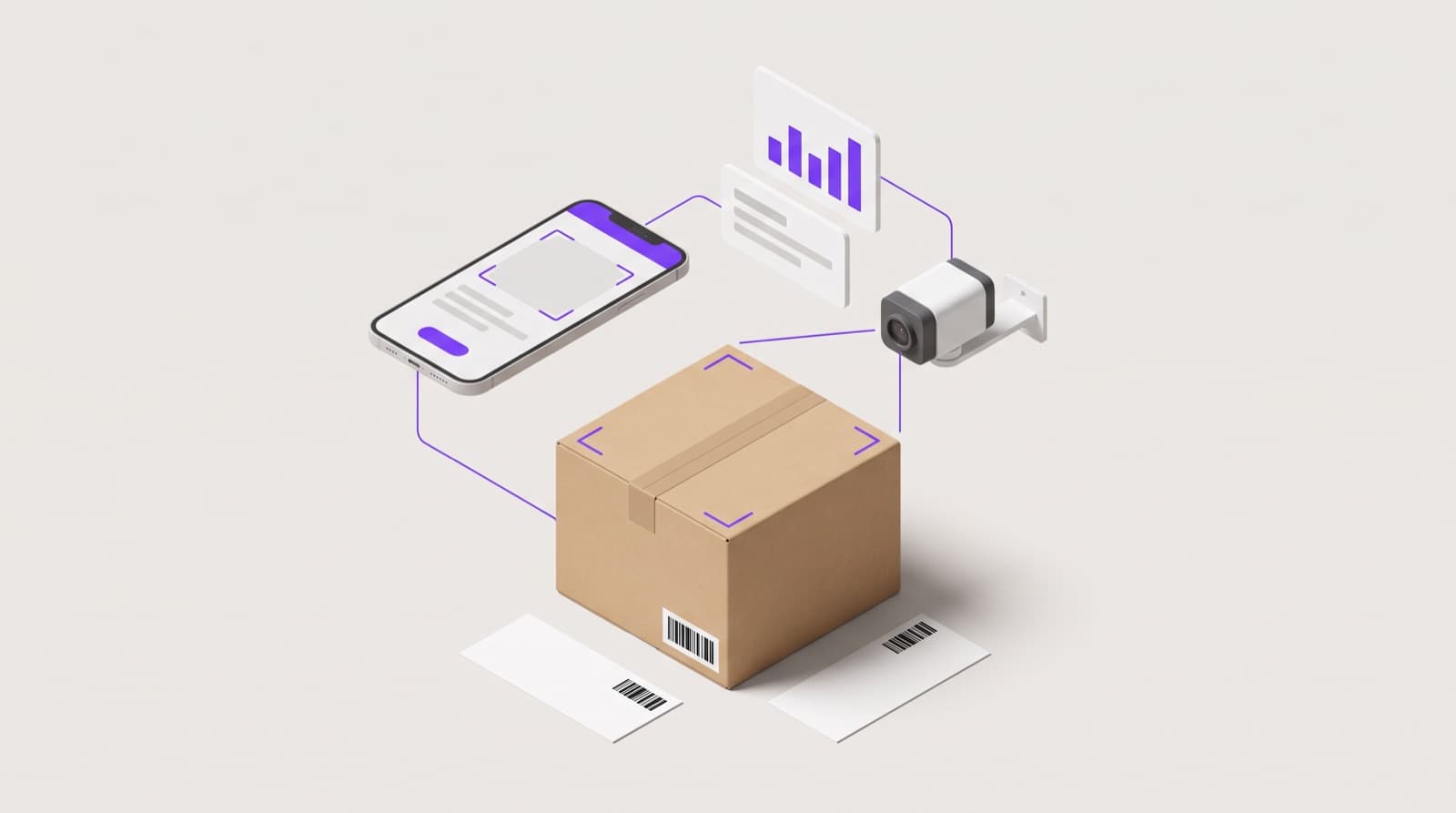
- Verified receiving: Turn any smartphone, tablet, or fixed camera into an AI scanner that reads labels, barcodes, and documents, matches inbound goods against the order, and flags damages at the dock.
- Accurate inventory and putaway: Capture every move with a scan so system counts match the shelf, and stock stays findable.
- Pick and pack confirmation: Verify the item and quantity at the point of pick to ensure that short or incorrect shipments never leave the building.
- Clean data synced to your systems: Push verified scan data into your WMS or ERP through the PackageX API and SDK suite, with no new hardware required.
The payoff is an OTIF score built on verified execution, not guesswork: fewer chargebacks, faster dispute resolution when they do come, and a fulfillment operation that retailers actually trust.
Conclusion
OTIF is one of the strictest promises in the supply chain, which is why it drives budgets, contracts, and shelf space. Get the math right, split misses into their root component before you throw solutions at them, and focus the biggest fixes on the warehouse-floor accuracy where most in-full failures actually start. Suppliers who treat OTIF as a verified execution metric, backed by clean receiving and pick data, are the ones who avoid chargebacks and keep their retailers loyal.
Frequently Asked Questions
How is OTIF tracked in real time?
Modern OTIF tracking pulls data from your WMS, TMS, and carrier APIs into a single dashboard, flagging missed orders on the spot. Real-time alerts beat month-end reports because you can still recover the order during the shift.
Does OTIF apply to ecommerce, or only to B2B retail?
OTIF started in B2B retail, but the concept applies anywhere delivery promises matter. In ecommerce it is usually called DIFOT and graded by the end customer instead of a retailer.
How can I prevent OTIF chargebacks before they happen?
Verify every inbound receipt against the PO, confirm every pick with a scan, and book carrier appointments with a built-in buffer. Prevention is far cheaper than disputing a chargeback after the fact.


.webp)