If your inbound operations are chaotic, your outbound performance doesn't matter.
In 2026, the supply chain is unforgiving. Customers expect same-day fulfillment, and margins are tighter than ever. While most businesses obsess over shipping speed, the smart money is optimizing the very first step: inbound logistics warehouse receiving.
This is the choke point of your entire operation. If goods aren't inducted efficiently, verified, counted, and shelved, they don't exist in your system. They can't be sold or shipped, and they are essentially dead capital sitting on a dock.
Recent data suggests that the global warehouse automation market is projected to reach over $52 billion by 2029, driven largely by the need to fix these frontend inefficiencies. In this environment, manual clipboards and "eye-balling" shipments are no longer competitive strategies.
Below, we’ll deconstruct how modern warehouse shipping and receiving impacts the entire supply chain and how you can transform your loading dock from a bottleneck into a competitive advantage.
Key Takeaways
• Definition:A receiving warehouse is the designated facility or zone where incoming goods are unloaded, inspected, and logged into inventory before storage. • Strategic Impact:Inefficient receiving creates a "domino effect" of errors, leading to stockouts, mis-picks, and inflated carrying costs. • The 2026 Standard:Best practices now demand Advanced Shipping Notices (ASNs) and mobile scanning to eliminate manual data entry. • Critical Metric: Dock-to-Stock timeis the primary KPI; reducing this cycle immediately improves cash flow and inventory availability. • PackageX Role:PackageX streamlines the dock-to-stock process using AI-powered OCR to digitize labels and Bills of Lading instantly, removing manual bottlenecks.
What Is a Receiving Warehouse?
A receiving warehouse is the physical and digital gateway for your inventory. It is the distinct zone where ownership of goods transfers from the carrier or supplier to your business.
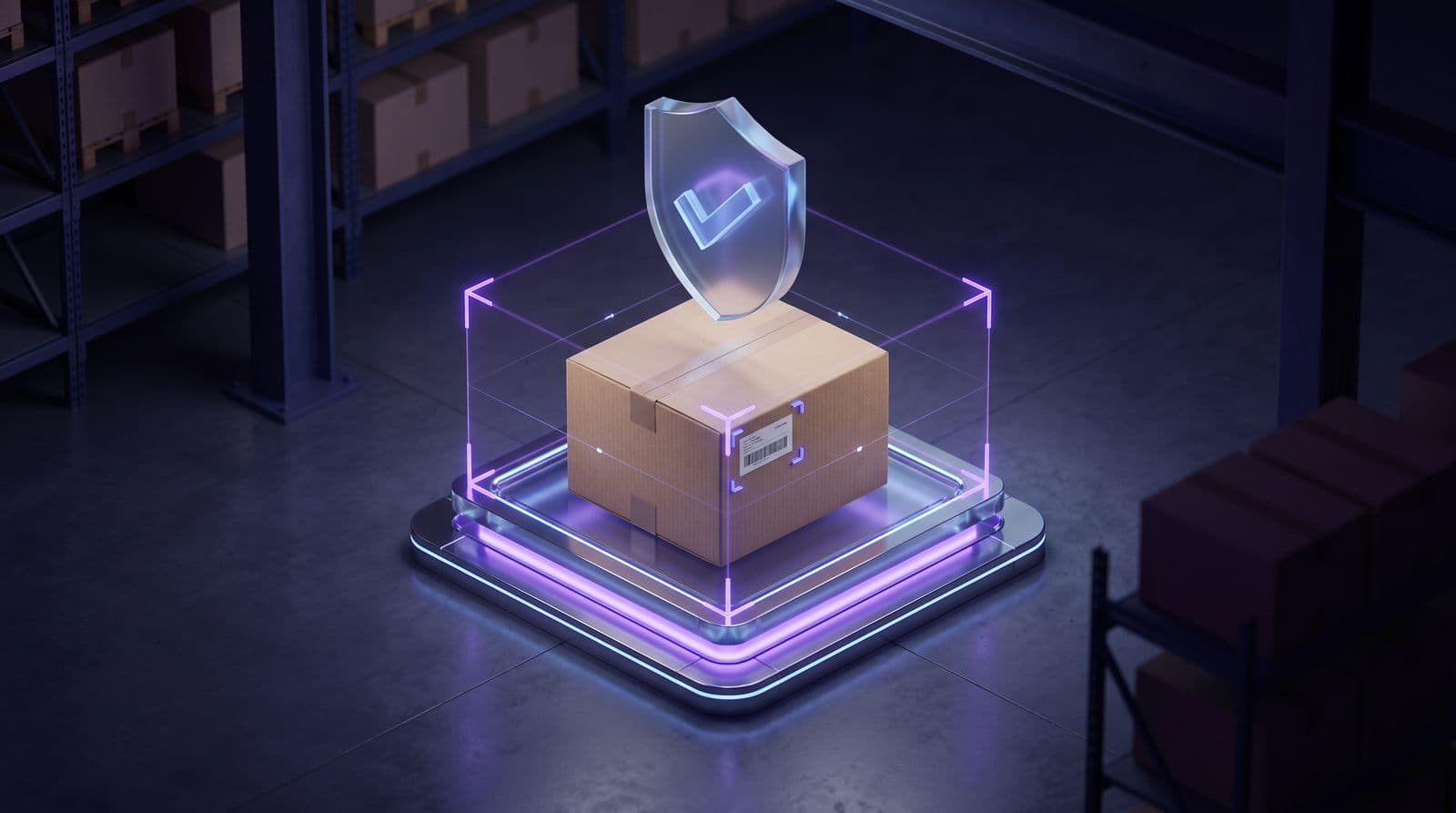
Unlike general logistics, which encompasses the movement of goods, the warehouse receiving process is a specialized form of quality control and data entry. It is the "firewall" that protects your inventory accuracy. If you receive damaged goods or record the wrong quantity here, that error becomes a permanent part of your system until a costly audit fixes it.
In modern fulfillment center operations, receiving is not just about unloading trucks. It is about reconciling physical items with digital expectations (Purchase Orders). It sets the stage for receiving warehouse procedures like cross-docking, where goods are immediately sorted for outbound shipment, bypassing storage entirely to speed up warehouse receiving and delivery.
Key Components of a Standard Warehouse Receiving Procedure
A robust warehouse receiving procedure is built on four non-negotiable pillars. Missing any one of these exposes your operation to shrinkage and disputes.
1. Pre-Receiving Documentation
Efficiency starts before the truck arrives. You must have a Purchase Order (PO) and, ideally, an Advanced Shipping Notice (ASN) from the supplier. This documentation tells your team exactly what to expect so they can schedule the warehouse receiving dock and labor accordingly.
2. Unloading at the Dock
This is the physical handover. Staff must safely offload cargo using forklifts or pallet jacks. This phase requires strict safety protocols and efficient palletizing handling to prevent congestion in the warehouse receiving area.
3. Quality Checks and Inspections
This is your last line of defense. Staff must inspect the condition of the freight. Are the seals intact? Is the packaging crushed? Receiving procedures in a warehouse must mandate that any damage is documented immediately on the Bill of Lading (BOL) before the driver leaves.
4. System Entry and Storage
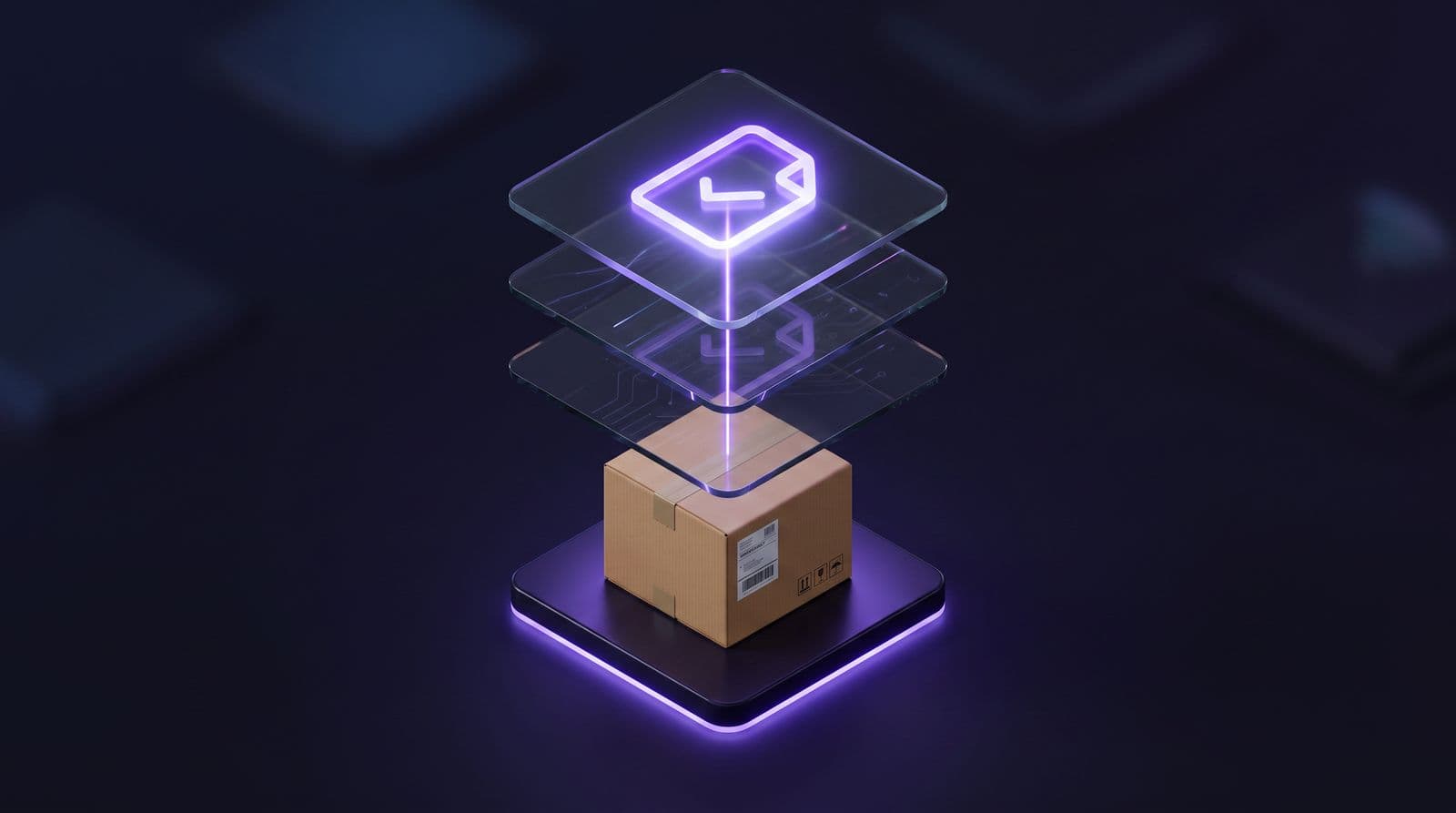
Once verified, goods must be logged into the Warehouse Management System (WMS). This converts "stuff on the dock" into "live inventory." Finally, the goods are moved to their designated storage bins or racks (putaway).
Note: There is a distinct difference between receiving in a warehouse and shipping. Receiving adds assets to your books; shipping removes them. Receiving requires rigorous verification to prevent paying for goods you didn't get.
Warehouse Receiving Process Flow: Step-by-Step
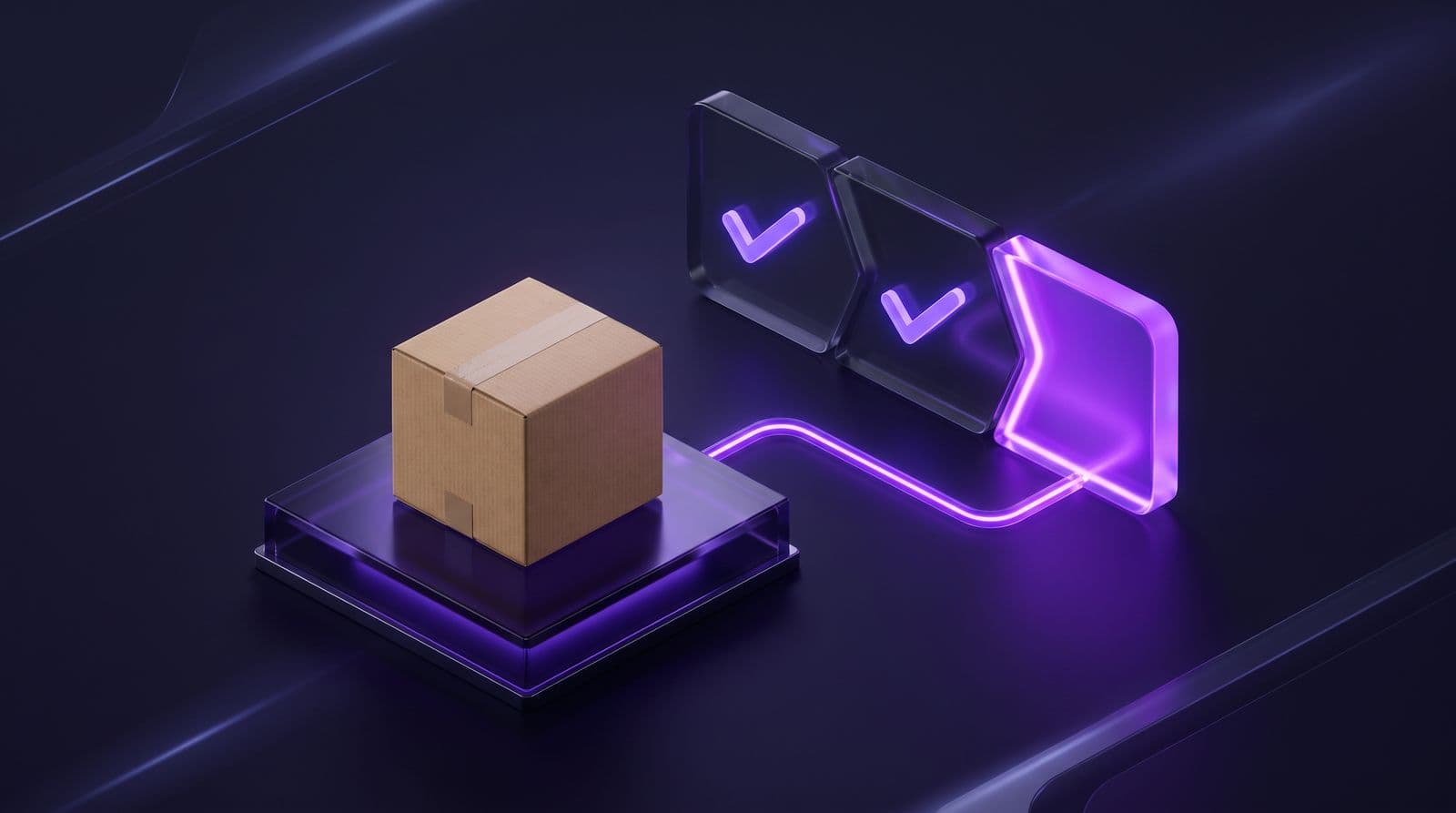
To visualize a streamlined operation, imagine the warehouse receiving process flow as a funnel that filters out errors.
- Pre-Arrival: Vendor sends ASN. Warehouse scheduler assigns a dock door time slot.
- Arrival: Truck checks in. The driver hands over the BOL.
- Unloading: Goods are moved to the staging area.
- The Count: Staff scan barcodes to verify quantities against the ASN/PO. This is where mobile scanning tools are vital.
- Inspection: Random spot checks for quality (or 100% inspection for high-value items).
- Labeling: Internal SKU labels are applied if necessary.
- System Update: The receiving process in warehouse systems marks the PO as "Received in Full" or "Partial."
- Putaway: Goods are moved to inventory storage.
Simplified Warehouse Receiving Process Checklist:
- Purchase Order matched
- Seal intact
- Product quantity confirmed
- Damage check passed
- WMS updated
Emphasis on visibility is key here. Real-time data prevents the "black hole" scenario where goods are physically in the building but invisible to the sales team.
Common Mistakes in Shipping and Receiving Warehouse Operations
Even experienced teams fall into traps that bleed profit.
- The "Blind" Receipt: Accepting a shipment without a corresponding Warehouse Receiving Order (WRO) or PO. This forces staff to guess what the items are, leading to massive data entry errors in shipping and receiving warehouse logs.
- Manual Counting Errors: Relying on human counting for large batches without digital verification. A miscount here could mean your website sells inventory you don't actually have (overselling).
- Congested Docks: Failing to schedule deliveries leads to pile-ups. When the receiving area in the warehouse is cluttered, accidents happen, and stock gets lost or damaged before it's even shelved.
- Untrained Staff: Placing junior staff in receiving warehouse roles without training on how to spot concealed damage.
These mistakes lead directly to stockouts (because you thought you had stock you didn't) or dead stock (paying to store items you didn't order).
Warehouse Receiving Best Practices in 2026
To operate at a "Senior" level in logistics, you must adopt warehouse receiving best practices that leverage speed and data.
- Implement Digital ASNs: Require suppliers to send digital advanced shipping notices. This allows you to auto-populate the expected receipt, turning a 20-minute manual entry task into a 2-minute verification scan.
- Shift to Blind Receiving (Control Method): Ironically, one of the best practices in warehouse receiving for accuracy is "blind shipment" or “blind receiving” at the operator level. The system knows the expected count, but the worker doesn't. They must count and enter the number they see. If it matches the system, great. If not, a supervisor is flagged. This prevents laziness where workers just check "yes" without counting.
- Prioritize Cross-Docking: For backordered items, move them directly from the receiving dock to the outbound shipping lane. Do not put them away just to pick them again an hour later.
- Optimize Dock Scheduling: Use appointment software. Treat your dock doors like valuable real estate; don't let carriers squat on them.
- Standardize Labeling: Enforce vendor compliance guides. If a supplier sends goods with unreadable barcodes, charge a non-compliance fee. This forces upstream improvements that streamline your receiving process in your receiving warehouse.
Technology to Optimize Your Receiving Warehouse Operations
In 2026, clipboards are obsolete. Modern warehouse receiving software transforms the dock into a data hub.
- Warehouse Management Systems (WMS): The brain of the operation. It directs putaway logic (e.g., "put heavy items on bottom racks") and tracks inventory in real-time.
- Mobile Barcode Scanners: Handheld computers that allow staff to verify warehouse shipping and receiving data at the point of activity.
- OCR and AI: Advanced tools like use optical character recognition to read shipping labels and Bills of Lading instantly. Instead of typing tracking numbers, staff scan the document, and the receiving software for the warehouse populates the data automatically.
- Integrated ERP: Your receiving data must flow into your ERP software immediately to trigger vendor payments and update balance sheets.
Essential Receiving Warehouse Metrics to Track
You cannot improve what you do not measure. To optimize your warehouse receiving process, track these KPIs religiously:
- Dock-to-Stock Time: The time elapsed from when the truck hits the dock to when the item is on the shelf and saleable. World-class operations aim for under 4 hours.
- Receiving Accuracy: (Error-free receipts / Total receipts) * 100. This tracks miscounts and incorrect SKU identification in warehouse receiving.
- Supplier Compliance Rate: How often do vendors send the correct items, on time, with the correct paperwork?
- Damaged Goods Rate: Essential for identifying if a specific carrier or supplier is costing you money.
Monitoring these warehouse receiving metrics allows you to hold vendors accountable and identify training gaps in your warehouse receiving checklist.
Creating a Warehouse Receiving Process Checklist That Works
A consistent warehouse receiving checklist ensures that every shift operates to the same standard.
The "Golden Standard" Checklist:
- Pre-Arrival: Verify dock appointment and review ASN.
- Visual Check: Inspect the truck seal and the exterior condition of pallets.
- Documentation: Match Carrier BOL to Internal PO (3-Way Match).
- Unload: Move goods to the warehouse receiving area.
- Count & Scan: Verify SKU quantities using mobile scanners.
- QC: Check for hidden damage.
- Tag: Apply internal LPN (License Plate Number) or barcode labels.
- Clear: Move goods to putaway; clear the dock for the next truck.
This warehouse receiving process checklist prevents steps from being skipped during the rush of the day.
Conclusion
The receiving warehouse is no longer just a loading dock; it is the data entry point for your entire business. In 2026, the difference between profit and loss often sits on a pallet in the receiving area.
By standardizing your warehouse receiving process, enforcing strict quality checks, and adopting modern receiving software for warehouse operations, you can reduce shrinkage and accelerate your cash conversion cycle.
Don't let your dock be a black hole. Adopt warehouse receiving best practices, train your team on digital tools, and turn your inbound logistics into a precision instrument.
Optimize Receiving Operations with PackageX
Here’s how PackageX can digitize the chaos for you.
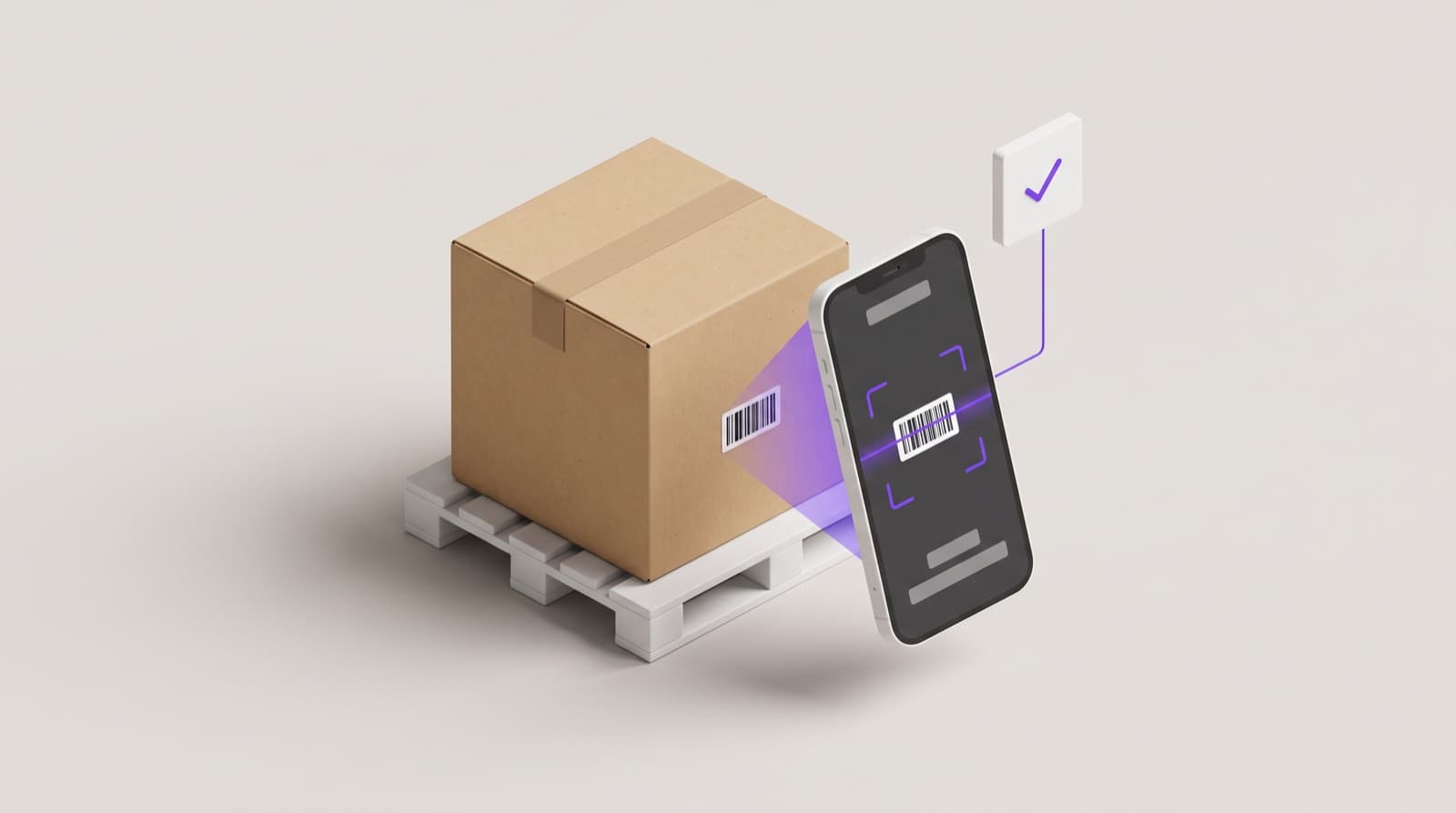
- Scan to Receive: Using our AI-powered solutions, your team can scan a Bill of Lading or shipping label with a smartphone. The AI instantly extracts vendor data, PO numbers, and line items, eliminating manual entry errors.
- Digital Logs: We create a visual chain of custody from the moment a package hits your dock. You get a searchable, digital history of every receipt, complete with photos of any damage found upon arrival.
- Seamless Handover: Our software connects the receiving dock to the rest of your warehouse operations, ensuring that once an item is scanned, it is immediately visible to your inventory and fulfillment teams.
FAQs
What is the difference between shipping and receiving in a warehouse?
Receiving is the inbound process of bringing inventory into the warehouse, verifying it, and adding it to your stock. Shipping is the outbound process of picking, packing, and sending inventory out to customers. Receiving adds assets to your books, while shipping removes them.
What is a "blind receipt" in warehouse operations?
A blind receipt can mean two things. In a negative sense, it means receiving a shipment without prior documentation (like a PO), which causes delays. In a positive control sense, it refers to a process where receiving staff are not shown the expected quantity of an item, forcing them to count every unit manually to ensure accuracy.
What is a good dock-to-stock time benchmark?
World-class facilities aim for a dock-to-stock time of under 4 hours. For most standard warehouses, 24 hours is considered acceptable. Anything longer than 48 hours indicates significant process inefficiencies that are likely hurting your cash flow.
How does an ASN improve the receiving process?
An Advanced Shipping Notice (ASN) is a digital file sent by the supplier before the shipment arrives. It tells your WMS exactly what is coming (down to the carton level). This allows your team to scan a single barcode on a pallet to "receive" the entire load instantly, rather than manually entering every item.