In today’s intricate retail world, speed and availability matter more than ever. Customers expect products to be on shelves when they need them, especially items like snacks, beverages, and fresh goods. A delay of even a day can lead to lost sales and poor customer experience. Because of this, businesses are rethinking how products move through the supply chain.
Technology is playing a big role in this shift. Companies are investing in smarter delivery systems to reduce delays and improve efficiency. In fact, the global direct store delivery service software market is projected to reach USD 4.87 billion by 2033, growing at a CAGR of 8.2%. This shows how important faster and more reliable delivery models have become.
Retailers and suppliers are also focusing on reducing handling and getting products to shelves quicker. For example, a beverage company that delivers directly to stores can restock faster during peak demand.
In this blog, we will explore how modern delivery models are evolving and how businesses can improve speed, efficiency, and overall performance.
Key Takeaways
• Direct store delivery bypasses warehouses, getting high inventory turnover goods to shelves faster and fresher. • The DSD process covers six steps: order placement, picking, transportation, store check-in, merchandising, and invoicing. • Key challenges include complex routing, higher delivery costs, and inventory tracking gaps that worsen at scale. • Route optimization, real-time tracking, and mobile invoicing are now the baseline for efficient DSD operations. • PackageX streamlines DSD with Vision AI-powered data capture, real-time delivery visibility, and automated error detection.
What Is Direct Store Delivery (DSD)?
In simple terms, direct store delivery (DSD) is a distribution method in which suppliers deliver products directly to retail stores rather than through warehouses or distribution centers. You may also hear it called direct to store delivery or DSD direct store delivery.
Think about a food and beverage company restocking soda in a supermarket. Instead of routing products through a central warehouse, the supplier’s driver brings them directly to the store, stocks the shelves, and checks inventory on the spot. This approach is common in industries like snacks, beverages, dairy, and bakery, where freshness and quick turnaround matter.
By cutting out extra steps, direct store delivery (DSD) helps products reach shelves faster. That often means fresher goods, fewer stockouts, and better control over how items are displayed. In fact, many brands rely on DSD to keep high-demand products available at all times.
How the Direct Store Delivery Process Works
Here is how the direct store delivery system typically works in real life.
Step 1: Order Placement
It starts with retailers placing orders through digital platforms or POS systems. In most modern setups, this happens in real time. A grocery store, for example, might submit a same-day order for beverages or snacks based on fast-selling items. This helps suppliers react quickly to changes in demand.
Step 2: Picking and Packing
The next step is the pick-and-pack operation. Once the order is received, the supplier prepares the goods. Items are picked from production or storage areas and packed based on delivery routes and store needs. Care is taken to prevent damage, especially to perishable goods such as dairy and bakery items.
Step 3: Transportation with Specialized Vehicles
After packing, goods are loaded onto temperature-controlled or route-optimized vehicles. These vehicles are designed for frequent stops and short delivery cycles, which are key to any efficient direct store delivery process.
Step 4: Store Delivery and Check-In
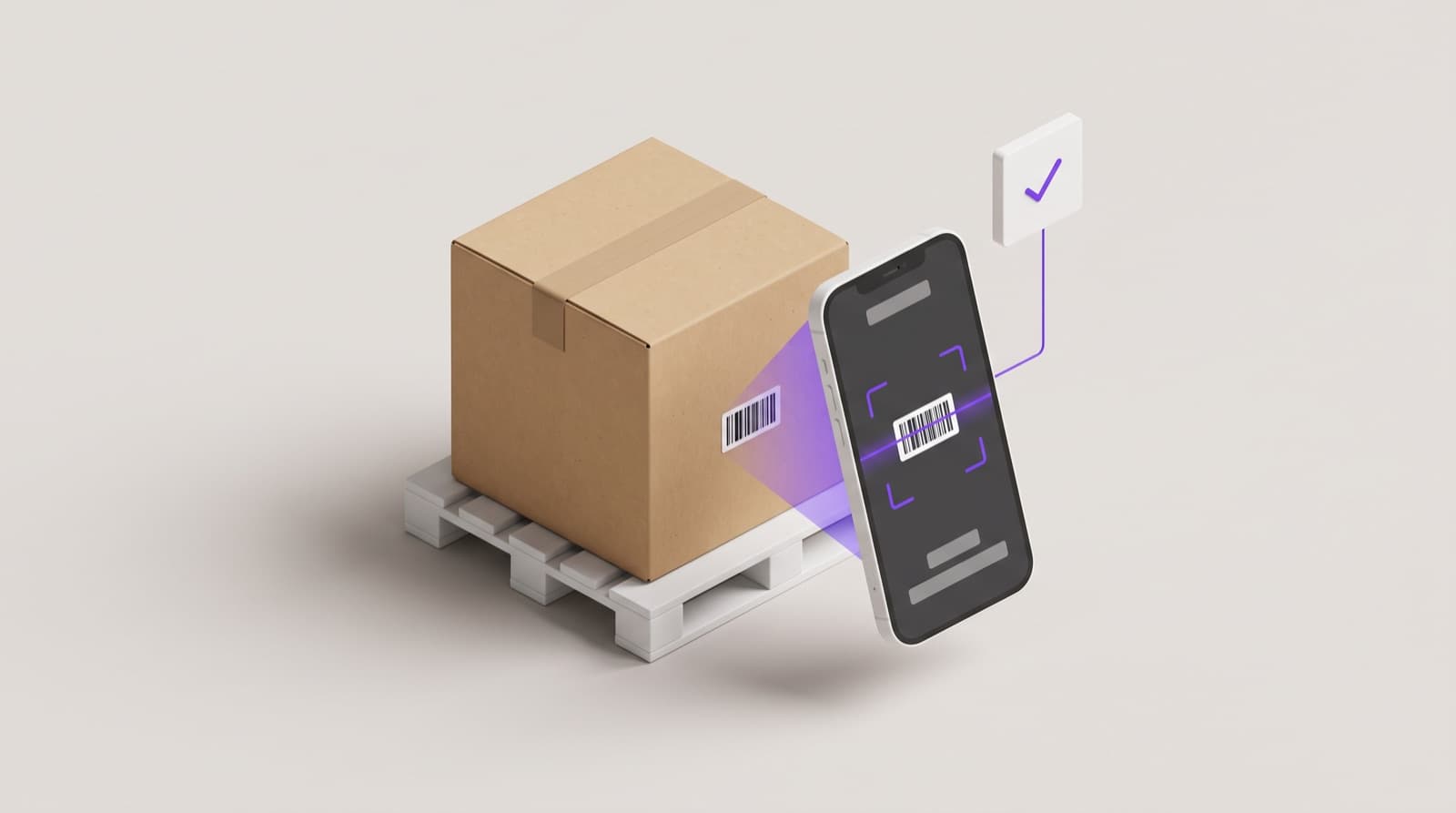
At the store, drivers verify the shipment against the order. Many teams now use mobile direct store delivery apps to scan products, confirm quantities, and update inventory instantly. This reduces errors and speeds up check-in.
Step 5: In-Store Merchandising
In many cases, drivers or sales reps also restock shelves. This ensures products are placed correctly and remain visible to customers, which directly impacts sales performance.
Step 6: Invoicing and Payment
Finally, invoices are generated digitally. Payments are often processed on the spot or synced automatically through the system, improving cash flow and reducing paperwork.
Modern mobile DSD tools tie all these steps together, giving both suppliers and retailers real-time inventory visibility and delivery status.
Key Characteristics of the Direct Store Delivery Model
There are some of the key characteristics of the DSD model:
- Vendor-Managed Inventory (VMI) In this setup, suppliers actively monitor stock levels at retail stores. They decide when and how much to replenish. For example, beverage brands often track sales in real time and restock before shelves run empty. This reduces stockouts and keeps products visible where customers are most likely to buy.
- Frequent Deliveries The direct-to-store delivery model depends on regular, smaller deliveries rather than large bulk shipments. Stores may receive deliveries daily or multiple times a week. This is especially common in busy retail logistics locations where demand changes quickly, and storage space is limited.
- In-Store Merchandising Responsibility Delivery is only part of the job. In many cases, suppliers also manage shelf placement. Drivers or field reps restock shelves, rotate older products, and fix displays. This ensures products are not just delivered but also sold faster through better visibility.
- Driver-Led Execution (Van Sales Lifecycle) In mobile setups, drivers handle more than transport. They act as sales reps on wheels. They deliver goods, manage invoices, and sometimes even collect payments. This “van sales lifecycle” is common in fast-moving consumer goods.
Ideal Use Cases
The direct store delivery from vendors is ideal for specific product types:
- High inventory turnover goods like snacks and soft drinks
- Perishables such as dairy, bakery items, and fresh meals
- Sensitive or fragile products that need careful handling
These categories benefit most from speed, freshness, and frequent restocking.
Benefits of Direct Store Delivery (DSD)
Direct Store Delivery (DSD) has become popular in retail because it solves a very real problem: getting products onto shelves faster and in better condition.
Here are some of the proven benefits of the DSD model:
- Fresher Products on Shelves: One of the biggest benefits of direct store delivery is product freshness. Items like dairy, bakery goods, and beverages reach stores quickly, often within hours of production. This reduces spoilage and maintains high quality, especially for perishable goods.
- Faster Replenishment: With direct store delivery, retailers can restock faster and more frequently. A soda brand, for example, can top up a store’s cooler daily instead of waiting for weekly warehouse shipments. This helps reduce empty shelves, which directly improves sales and customer satisfaction.
- Better Visibility and Merchandising: DSD also improves brand presence in-store. Since suppliers often handle shelving and display placement, products are positioned more effectively. Strong merchandising increases impulse purchases, especially in snack foods and beverages.
- More Efficient Supply Chain: By eliminating distribution centers, the direct store delivery system reduces handling steps and shortens delivery cycles. Fewer touchpoints mean fewer errors and lower product damage rates.
- Stronger Partnerships: Finally, DSD builds closer collaboration between retailers and suppliers. Real-time feedback helps adjust demand, pricing, and promotions more quickly, making the entire supply chain more responsive and efficient.
Common Challenges in Direct Store Delivery
Direct Store Delivery sounds efficient on paper, but in practice, it puts a lot of pressure on daily operations. The direct store delivery system eliminates distribution centers, shifting everything to coordination at the field level. It can present the following challenges:
- Complex Logistics and Routing: Managing multiple store deliveries without a distribution center complicates routing. A single delay can affect the entire dsd direct store delivery schedule.
- Higher Operational Costs: Frequent small deliveries increase fuel use, labor, and vehicle maintenance costs, making the direct store delivery system more expensive than centralized distribution.
- Inventory Tracking Issues: Without real-time visibility, stock levels often become inaccurate, leading to overstocking in some stores and shortages in others.
- Credit and Invoicing Challenges: Manual billing in fast-paced retail environments can lead to payment delays, errors, and disputes between retailers and suppliers.
- Scaling Difficulties: As store networks grow, managing deliveries manually becomes increasingly difficult, often exposing limitations in the existing direct store delivery system and slowing expansion.
Role of Direct Store Delivery Software & Technology
Direct Store Delivery has become too complex to manage manually. When suppliers handle multiple stores and daily deliveries, even small delays can lead to empty shelves or excess stock. That is why direct store delivery software is now a core part of modern retail operations.
- Route Optimization for Faster Deliveries: Modern systems plan delivery routes using traffic data, store schedules and delivery priorities. This reduces travel time and helps drivers complete more stops per day. Many companies report noticeable fuel savings and better on-time performance after adopting automated routing.
- Real-time Tracking and Visibility: A direct store delivery application allows managers to track every vehicle in real time. They can see delivery status, delays, and completed stops instantly. This visibility helps prevent stockouts and improves coordination between warehouse teams and field staff.
- Mobile Invoicing at the Point of Delivery: With mobile direct store delivery tools, drivers can generate invoices directly at the store. Payments, order fulfillment, and receipts are handled on the spot. This reduces paperwork and significantly speeds up the billing cycle.
- Inventory Sync and Data Accuracy: Inventory updates are synced in real time between stores and suppliers. This reduces errors, prevents duplicate orders, and improves stock planning across the direct store delivery system.
Direct Store Delivery Best Practices for Success
Here are some key best practices that can help ensure success with DSD.
- Smarter Route Optimization: Poor routing leads to wasted fuel and late deliveries. Many retailers now use route planning tools that cut travel time by up to 20%. This helps drivers complete more store stops in a day without rushing.
- Clear Communication: Retailers, vendors, and drivers need constant updates. Even a small delay in order changes can lead to empty shelves or overstock issues.
- Data-Driven Decisions: Modern DSD setups rely on sales data and real-time stock levels. This helps teams react quickly instead of guessing demand.
- Better Forecasting and Training: Accurate inventory forecasting reduces stockouts, especially for fast-moving goods like beverages and snacks. At the same time, trained drivers and field staff improve execution at the store level.
Direct Store Delivery vs Traditional Distribution
Both direct store delivery and traditional distribution aim to get products on shelves, but the way they work changes everything from speed to cost.
Direct to Store Delivery Model
In the direct-to-store delivery model, goods move straight from the supplier to the retail store. There is no warehouse stop in between. This keeps the flow tight and reduces handling time.
Fresh items like milk, bread, and chilled drinks often use this setup. Products reach shelves faster, sometimes within hours of production. That speed helps maintain freshness and reduces the risk of stockouts during peak demand.
Traditional Distribution Model
Traditional distribution relies on warehouses. Products are first stored, then shipped in bulk to stores.
This system is more efficient for large volumes and non-perishable goods, such as canned food and cleaning products. It reduces delivery frequency and lowers per-unit logistics costs. However, the extra step adds time.
Key Trade-Offs
- Speed vs Cost: DSD is faster but more expensive. Warehouse models are cheaper but slower.
- Freshness vs Scale: DSD supports freshness. Traditional models support large-scale distribution.
When to Use Each Model
Retailers use direct store delivery for high-turnover or perishable goods. Traditional distribution works better for stable, long-shelf-life products that move in bulk across large networks.
Real-World Use Cases of Direct Store Delivery (DSD)
Direct store delivery works best in categories where freshness, speed, and constant shelf availability really matter.
Here are some common real-world use cases:
- Snack Foods: Chips, biscuits, and packaged snacks are classic DSD products. They sell quickly, so stores need to restock frequently to avoid empty shelves.
- Beverages: Soft drinks, bottled water, beer, and dairy items like milk depend on steady replenishment. Even a short delay in direct store delivery (DSD) can lead to stockouts or freshness issues.
- Bakery and Ready-to-Eat Meals: Fresh bread, sandwiches, and grab-and-go meals often require daily delivery to maintain quality and taste.
Is Direct Store Delivery the Right Strategy for Your Business?
A direct store delivery business model can be a strong fit, but only if your products and operations match the demands of this setup. It is not a one-size-fits-all approach.
Here are the key factors to consider:
- When DSD is Ideal: Direct store delivery works best for fast-moving goods like fresh food, beverages, and other high-turnover products where shelf freshness and availability directly impact sales.
- Business Size and Product Type: Small and mid-sized suppliers often use direct store delivery to stay closer to retailers and improve control. Large enterprises use it to scale distribution while maintaining product quality.
- Operational Readiness: A successful DSD setup requires robust logistics, trained delivery staff, and systems that enable real-time ordering, routing, and inventory management without delays.
In short, DSD fits best when speed, freshness, and control matter more than centralized efficiency.
How PackageX Enhances Direct Store Delivery Operations
Here’s how PackageX helps you optimize your DSD workflows:
- Accurate Data Capture at Store Level: PackageX uses Vision AI to capture delivery and inventory data during store check-ins. This reduces manual errors and ensures every delivery is recorded correctly.
- Real-Time Delivery and Inventory Visibility: Track stock levels, delivery status, and store activity in real time. This helps prevent stockouts and keeps shelves consistently stocked.
- Mobile-First Field Execution: Drivers and field teams can scan, verify, and update deliveries using mobile devices. This speeds up store check-ins and improves overall efficiency.
- Automated Verification and Error Detection: PackageX identifies discrepancies, such as missing or damaged items during delivery, allowing teams to resolve issues instantly.
Frequently Asked Questions:
What products are best suited for direct store delivery?
DSD works best for fast-moving, perishable, or fragile products. Common examples include beverages, dairy, bakery goods, snacks, and fresh meals, categories that benefit most from shorter transit times and frequent restocking.
What is the difference between direct store delivery and traditional distribution?
DSD delivers products straight to retail stores, bypassing warehouses. Traditional distribution routes products through a central warehouse first. DSD is faster and better for perishables, while traditional distribution suits bulk, long-shelf-life products.
What are the main challenges of direct store delivery?
Key challenges include complex route management, higher costs due to frequent small deliveries, gaps in inventory tracking, and invoicing errors. At scale, these typically require purpose-built DSD software to manage effectively.