Manufacturers face a tough trade-off every day. Hold too much inventory, and cash gets locked in a warehouse. Hold too little, and a single supplier delay can shut down a production line. Just-in-time inventory promises to fix this. The old approach, however, has cracks.
Supply chain uncertainty has reshaped the playbook. Demand swings, raw material shocks, and global disruptions hit harder than they did a decade ago. Holding costs keep climbing. Forecasting gets harder. Customers still expect orders on time.
The just-in-time inventory market reflects how seriously brands are taking this shift. The JIT market was valued at USD 11.2 billion and is projected to reach USD 20.5 billion by 2033, growing at an 8.90% CAGR and a 7.40% year-on-year growth rate.
Pure zero-stock systems are too fragile for this environment. Modern operations need lean execution paired with built-in resilience. This is where modern inventory strategies come in.
Key Takeaways
• Just-in-time inventory aligns production with real demand to cut waste and free up cash. • Classic JIT broke during COVID because it relied on perfect supplier reliability and forecasts. • The modern JIT model is hybrid: JIT for fast movers, strategic buffers for critical items. • AI, IoT, and e-Kanban systems make JIT smarter, faster, and more resilient. • The future of JIT is dynamic buffering powered by real-time data and supplier diversification.
What Is Just-in-Time Inventory?
So, what is just in time inventory? It is a lean inventory strategy where materials arrive only when production needs them. Finished goods leave only when customers buy them. Nothing sits idle.
The just in time inventory definition centers on one idea. Inventory equals waste. Cash, space, and labor tied up in stock cannot drive growth.
In practice, a just in time inventory system replaces guesswork with tight signals. Production triggers come from real demand, not forecasts alone. Suppliers ship in small batches, often daily.
Just-in-time inventory vs. traditional inventory comes down to buffer size. Traditional inventory holds large safety stock to cover any scenario. The just in time inventory model trims stock to the minimum that the line needs to keep moving.
Just in time in inventory management has three pillars.
- Tight supplier coordination.
- Accurate demand signals.
- Fast replenishment loops.
Just-in-time inventory management depends on all three working in sync from procurement to the shop floor.
How Does Just-in-Time Inventory Management Work?
A just in time inventory system runs on a pull model. Demand triggers everything upstream. Nothing moves without a signal.
Here is how it works step by step:
- A customer order or production schedule creates demand.
- The order signals the assembly line.
- The line pulls parts from upstream stations.
- Upstream stations pull components from suppliers.
- Suppliers ship the exact quantity, just in time.
The result is a chain reaction with almost no idle inventory. Just in time inventory control depends on three things working at once.
- Reliable suppliers.
- Short lead times.
- Accurate signals.
Just-in-time JIT inventory management works best when nothing surprises the system. Surprises such as supplier delays, demand swings, or transit holdups expose every weak point in the chain.
Why Traditional JIT Was Risky (And What Changed)
Classic JIT had one big assumption. Supply chains would stay predictable. Suppliers would deliver. Demand would track forecasts. That assumption broke.
The COVID pandemic exposed every weakness. Factories closed overnight. Shipping lanes are jammed. Chip shortages stalled the global auto industry. Companies running pure JIT had no buffer to ride out the shock.
Three problems came into focus:
- Supply chain disruptions: Geopolitical shocks, weather events, and pandemics hit production lines hard, which deeply affect supply chain management.
- Forecasting errors: Demand patterns shifted faster than models could adjust.
- Zero buffer risk: A single missed shipment stopped entire factories.
Toyota itself, the company that invented JIT, has rebalanced its inventory strategy. Many automakers now stock critical chips and components in larger volumes to avoid another shutdown.
Pure zero-stock systems do not fit a world of recurring disruption. Modern manufacturers build resilience into their operations without giving up the lean wins. The result is a smarter just-in-time inventory model that keeps holding costs low and protects against shocks.
The Modern JIT Inventory Model (2026): Hybrid, Smart, and Resilient
The modern just in time inventory model has moved past the zero-inventory dream. Leaders now aim for optimized inventory: the right amount of the right items in the right place at the right time.
Four shifts explain how just in time inventory management improves businesses in 2026:
1. Hybrid Inventory Strategy (JIT + JIC)
Modern operations segment inventory by criticality. ABC analysis sorts items by value and risk. Critical A-items get strategic buffers. Fast-moving B-items run pure JIT. Low-value C-items live somewhere between. Work in progress can also serve as a buffer during tight production stages. The hybrid approach delivers lean cash use without the fragility of a zero buffer.
2. AI and Data-Driven Forecasting
Machine learning models replace static forecasts. Demand sensing pulls signals from POS data, weather, social trends, and macro indicators. Forecasts update in real time. Better forecasts reduce both overstocking and stockout risks.
3. Real-Time Visibility (IoT and e-Kanban)
IoT sensors, RFID tags, and smart cameras track stock levels every second. e-Kanban replaces paper cards with digital signals that trigger replenishment instantly. Recent case studies show that e-Kanban systems reduce stockouts by over 65% and increase inventory turnover by 30%.
4. Supplier Ecosystem Evolution
Single-source dependency is out. Modern brands run dual sourcing on key parts, nearshore where it makes sense, and use vendor-managed inventory programs to keep upstream partners aligned. The result is a deeper, more resilient supplier base.
Key Components of a Just-in-Time Inventory Management System
A modern just-in-time inventory management system runs on three core layers. Each one feeds the next. None of them works alone.
- Forecasting tools: Predictive analytics, demand sensing, and AI models project what production will need. Forecasts update as new data flows in.
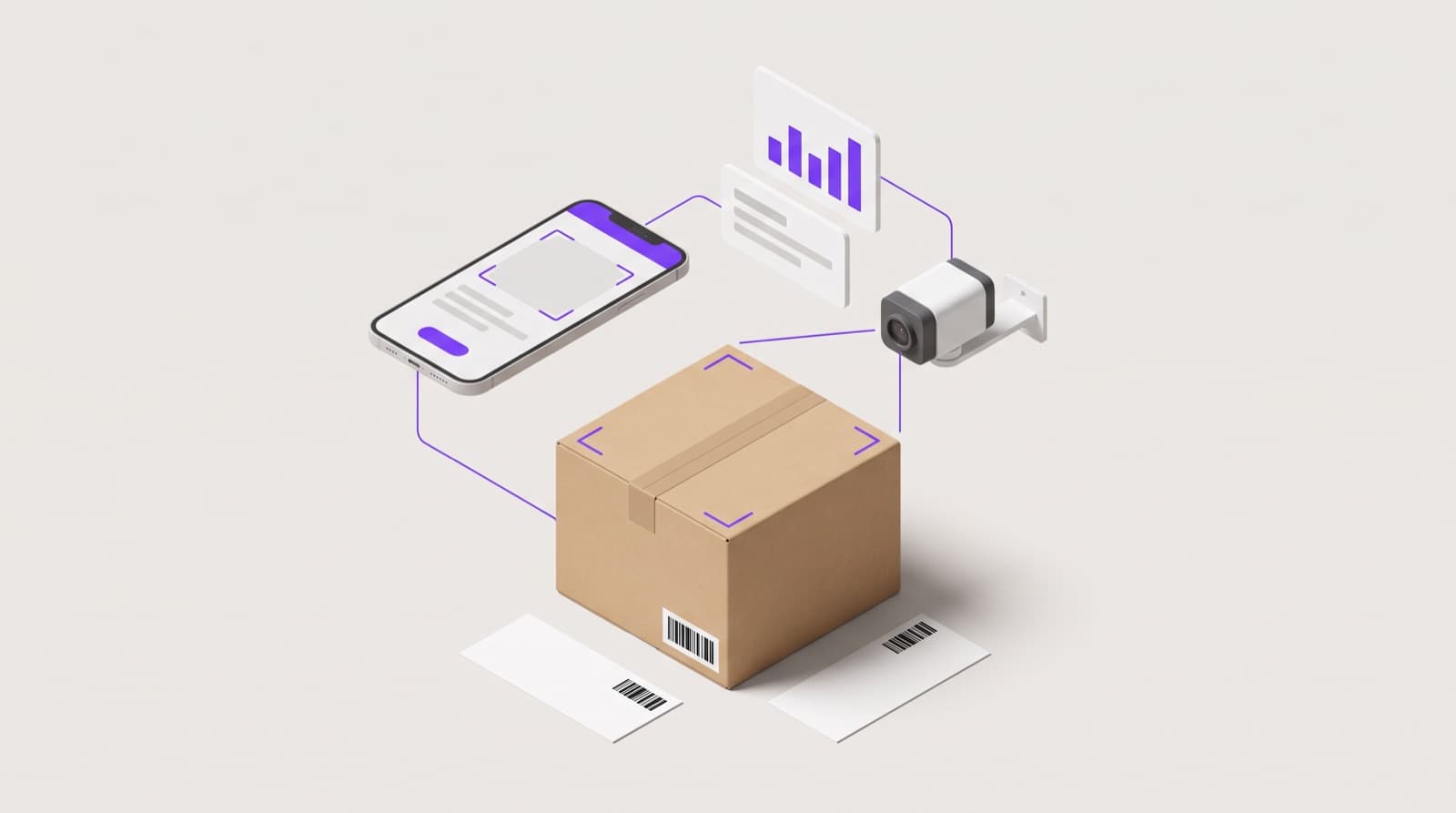
- Inventory tracking systems: Just in time inventory systems use barcode scanners, RFID tags, and IoT sensors to track every unit in real time. Live dashboards show stock levels across plants, warehouses, and stores.
- Supplier integration: EDI, APIs, and vendor portals connect suppliers directly into the planning loop. Orders trigger automatically. Confirmations flow back without phone calls or emails.
ERP and inventory software tie everything together. Modern platforms link procurement, production, warehouse management, and finance into a single source of truth. AI layers on top to spot anomalies and recommend reorder points.
Without these tools, JIT collapses. With them, JIT becomes a competitive edge.
Just-in-Time Inventory Advantages
Just in time inventory advantages go far beyond cost savings. The benefits compound when JIT runs on modern technology. The biggest wins for manufacturers today:
- Lower holding costs: Less stock means less warehouse space, fewer carrying fees, and lower insurance.
- Better cash flow: Cash stays in the business instead of sitting on shelves.
- Faster production cycles: Smaller batches move through the line faster.
- Reduced waste: Less spoilage, less obsolete inventory, and tighter quality control.
- Higher efficiency: Lean processes expose bottlenecks and force continuous improvement.
The modern benefit is resilience. AI forecasting catches demand shifts early. IoT tracking flags supply problems before they become outages. Hybrid stocking absorbs short-term shocks without losing JIT's cost discipline.
Agility is the other modern win. A JIT operation backed by smart software can pivot to new SKUs, regions, or channels in days, not months. That speed matters in markets where customer expectations change every quarter.
Just-in-Time Inventory Examples (Real-World Use Cases)
Two well-known just in time inventory examples show how the model evolved from textbook lean to a tech-backed, risk-aware operation:
- Toyota (Automotive): Engineer Taiichi Ohno built the Toyota Production System in the 1950s on the principle of producing only what is needed, when it is needed, and in the required amount. Today, Toyota runs an evolved version that adds critical-part buffers and AI-driven scheduling without giving up its lean DNA.
- Apple (Consumer tech): Apple keeps about 150 critical global suppliers and one central US warehouse. Components arrive at contract manufacturers in lockstep with high-volume device assembly. Most inventory sits in retail stores, not in long-term storage.
The pattern in both cases is the same. Lean execution stays at the core. Modern tools and selective buffers handle the risk that classic JIT could not.
How to Implement Just-in-Time Inventory Without Risk
The just in time inventory method works best when teams build it in stages. Skipping steps creates fragile systems that break under pressure.
A clean rollout looks like this.
Step 1: Segment Your Inventory
Run an ABC analysis. Sort SKUs by value, demand volatility, and supplier risk. Critical items need different treatment from commodities. Segmentation is the foundation of every modern JIT strategy.
Step 2: Invest in Forecasting Technology
Replace gut-feel forecasts with AI and analytics tools. Modern systems pull data from sales, marketing, weather, and competitor signals. Better forecasts mean tighter inventory without more risk.
Step 3: Build Strong Supplier Networks
Diversify your supplier base. Add backup vendors for high-risk parts. Nearshore, where it makes sense. Share forecasts with suppliers in real time. Strong relationships keep the chain moving when one link breaks.
Step 4: Use Real-Time Inventory Systems
Deploy barcode scanners, RFID, IoT sensors, and computer vision to track stock live. Systems automate replenishment signals. Dashboards give every team a clear view of what is in stock, in transit, and on order.
Step 5: Create Contingency Buffers
Hold safety stock on critical items. Build emergency reorder points. Document fallback suppliers and contingency plans. Buffers protect lean operations from black-swan events.
Just-in-Time Inventory vs Just-in-Case (JIC) - Which Is Better?
Just-in-Case (JIC) is the opposite of JIT. JIC inventory holds large safety stock, so production never stalls if demand spikes or a supplier slips. The trade-off is more cash tied up in stock and more warehouse space.
The old debate framed JIT and JIC as opposites. JIT minimized inventory. JIC stockpiled it. The modern answer is that neither pure approach wins.
| Factor | Just-in-Time (JIT) | Just-in-Case (JIC) |
|---|---|---|
| Stock levels | Minimal | High safety stock |
| Best for | Predictable, fast-moving SKUs | Critical, hard-to-source parts |
| Cash impact | Low capital tied up | High capital tied up |
| Risk profile | Vulnerable to disruption | Resilient but expensive |
The 2026 winner is a hybrid model. Apply JIT to predictable, high-velocity SKUs. Apply JIC buffers to critical, hard-to-source items. Use AI to keep buffer levels dynamic, not static. This approach captures the cash benefits of JIT and the resilience of JIC.
Is Just-in-Time Inventory Still Relevant in 2026?
Yes, just-in-time inventory is still relevant in 2026, but it has changed. Pure zero-stock JIT is gone. In its place is a smarter, hybrid model that combines lean discipline with built-in resilience.
Modern JIT relies on AI demand sensing, IoT visibility, inventory replenishment, and a diversified supplier base. These tools fix the weak spots that classic JIT left exposed.
Companies that pair JIT with the right technology cut waste, free up cash, and respond faster to demand shifts. They also handle disruptions better than peers who stockpile blindly or run no buffer at all.
Improve Your Just-in-Time Inventory with PackageX
PackageX brings AI and automation to every step of a modern JIT operation. Here is what teams gain with PackageX:
- Vision AI Scanning at receiving: Auto-detect SKUs and label data the moment a pallet hits the dock, so replenishment fires without manual barcode entry.
- Real-time stock signals: Live dashboards trigger reorder points the second a bin drops below threshold, the way a digital Kanban card should.
- Logistics API Suite: Purpose-built APIs connect your WMS, ERP, and carriers so consumption and replenishment data flows without manual handoffs.
- Exception alerts: Flag late shipments, miscounts, and damaged loads in real time so a JIT line never gets caught flat-footed.
Conclusion: The Future of Just-in-Time Inventory Management
The future belongs to brands that pair JIT discipline with smart technology. AI sharpens forecasts. IoT and e-Kanban systems keep replenishment fast. Hybrid strategies absorb shocks without padding the balance sheet.
Manufacturers that nail this combination win on cost, speed, and reliability at the same time. Smart JIT frees up cash, protects production, and builds long-term resilience. The winners over the next decade will not stockpile. They will sense, plan, and execute in real time.
Frequently Asked Questions
What KPIs measure just-in-time inventory success?
Four KPIs matter most. Inventory turnover shows how fast stock moves through the system. Days of supply on hand tracks how long the current stock will last. Stockout rate flags missed sales caused by empty shelves. On-time supplier delivery measures the reliability of the upstream chain. Healthy JIT operations track all four weekly.
Is just-in-time inventory the same as lean manufacturing?
JIT and lean manufacturing are closely related but not identical. Lean manufacturing is the broader philosophy. JIT is one of its core practices, focused specifically on inventory and production timing. Most lean operations rely on JIT, but lean also covers quality, workflow design, and continuous improvement.
Which industries should avoid just-in-time inventory?
JIT works best when supply is reliable and demand is predictable. Industries with extreme volatility, long supplier lead times, or critical safety-inventory needs should exercise caution. Pharmaceuticals, defense, and emergency response often hold larger buffers because the cost of a stockout outweighs the cost of carrying stock.