A single vial can change a life. It might carry a vaccine, an insulin dose, or a cancer therapy. That vial travels a long road before it reaches a patient. Pharmaceutical logistics is the system that keeps it safe throughout the supply chain.
This field moves medicines from the factory to the pharmacy without losing quality. It manages temperature, security, paperwork, and timing. Get it wrong, and patients pay the price.
The stakes keep rising. The global pharmaceutical logistics market size is projected to grow from USD 85.15 billion in 2026 to USD 156.39 billion by 2034, exhibiting a CAGR of 7.90%.
Here is how it all works, and what it takes to do it well.
Key Takeaways
• Drug sensitivity, high shipment value, and strict regulation make pharma logistics a specialty where one failure can trigger a recall. • Cold chain is the hardest part. Nearly 20% of temperature-sensitive products are damaged in transit, with ranges running from +2°C to +8°C down to -70°C for mRNA vaccines. • Compliance rests on four pillars: temperature integrity, documentation, security, and traceability, governed by GMP, GDP, FDA/DSCSA, and IATA CEIV Pharma. • Challenges are interconnected. Cold chain, regulation, inventory, disruptions, and counterfeiting feed each other, so the best fixes are built into daily operations, not crisis response. • PackageX brings Vision AI accuracy to pharma, turning any camera into a real-time scanner that verifies inventory, flags exceptions, and builds an audit-ready chain of custody.
What Is Pharmaceutical Logistics?
Pharmaceutical logistics is the handling, storage, and transport of medical products. That includes medicines, biologics, vaccines, and medical devices. The goal is simple. Get the right product to the right place in perfect condition.
The work sounds like normal shipping. It is not. Logistics management in the pharmaceutical industry carries higher stakes than most freight.
Three things make it different:
- Sensitivity: Many drugs spoil if they get too warm or too cold.
- Value: A single shipment can be worth millions.
- Regulation: Strict rules govern every step.
The journey follows a clear path. A drug moves from manufacturer to distributor, then to a pharmacy or hospital, and finally to the patient. Each handoff is a risk point. Good logistics removes that risk.
Why Logistics in the Pharmaceutical Industry Matters
Logistics in the pharmaceutical industry is not a back-office task. It decides whether a patient gets treatment on time. A delayed shipment can mean a missed dose. A broken cold chain can ruin a life-saving drug.
The numbers show why this matters. The pharmaceutical logistics market continues to expand as demand for biologics and vaccines climbs. North America alone holds close to 35% of the global market.
Global pharmaceutical logistics also drives cost. Specialized trucks, validated warehouses, and constant audits add up. The industry operates under a zero-tolerance policy for temperature excursions. One mistake can trigger a full recall.
There is a business case too. Smart logistics cuts waste from expired stock. It speeds delivery. It builds trust with hospitals and patients. Companies that master it gain a real edge.
How Pharmaceutical Supply Chain Logistics Works
Pharmaceutical supply chain logistics runs in clear stages. Each one builds on the last. Miss a step, and the whole chain weakens.
Here is how a typical journey flows:
- Manufacturing and packaging: Producers make the drug under Good Manufacturing Practice (GMP) rules. They seal it in validated packaging.
- Transportation: Products move in refrigerated or insulated vehicles. Drivers check temperatures along the route.
- Warehousing and storage: Goods rest in climate-controlled warehouses before the next leg.
- Distribution and last-mile delivery: Shipments reach pharmacies, clinics, and hospitals.
- Returns and reverse flow: Expired or recalled stock travels back for safe disposal.
Pharmaceutical logistics management keeps these stages in sync. It coordinates manufacturers, carriers, and pharmacies.
Strong pharmaceutical logistics supply chain management ties it together with data. Real-time visibility shows where every shipment sits. That visibility turns a fragile chain into a reliable one.
Types of Pharmaceutical Logistics Services
Pharmaceutical logistics services come in many forms. Each one solves a specific need. Most providers bundle several into a single offering.
The main types include:
- Inbound logistics: This moves raw materials and active ingredients to the factory.
- Outbound distribution: This delivers finished drugs to wholesalers and pharmacies.
- Cold chain transport: This keeps temperature-sensitive products within strict ranges.
- Clinical trial logistics: This handles investigational drugs for research sites.
- Warehousing and inventory : This involves storing products and tracking stock levels.
- Pharmaceutical reverse logistics: This manages returns, recalls, and disposal of expired drugs.
That last one gets ignored too often. Yet reverse flow protects patients. A recalled batch must be removed from shelves quickly. Expired drugs must be destroyed by the book.
Cold Chain Pharmaceutical Logistics
Cold chain pharmaceutical logistics is the hardest part of the job. It keeps products cold from factory to patient. One warm hour can destroy a vaccine.
The risk is real. Nearly 20% of temperature-sensitive healthcare products get damaged in transit. Poor handling and broken cold chains cause most of that loss.
Different products need different temperatures. Here are the common ranges:
| Temperature range | Use case |
|---|---|
| +15°C to +25°C | Controlled room temperature |
| +2°C to +8°C | Standard cold chain |
| -20°C | Frozen products |
| -70°C | Ultra-low, for mRNA vaccines and biologics |
The +2°C to +8°C tier is the most common. Many refer to this as cool chain pharmaceutical logistics. It covers most vaccines and insulin.
Teams rely on three tools. Insulated packaging, refrigerated vehicles, and IoT temperature sensors. Together, they guard the product and prove it stayed safe.
Pharmaceutical Logistics Requirements and Compliance
Pharmaceutical logistics requirements are strict for good reason. Lives depend on the product. So every shipment must meet clear standards.
The core requirements cover four areas:
- Temperature integrity: Products stay within set ranges at all times.
- Documentation: Every step leaves a paper trail.
- Security: Shipments stay safe from theft and tampering.
- Traceability: Teams can track any batch in seconds.
Pharmaceutical logistics compliance rests on a web of rules. Here are the key ones:
- GDP and GMP: GMP governs production. GDP governs distribution.
- FDA and DSCSA: These set US rules for drug security and serialization.
- EMA and CDSCO: These cover Europe and India.
- IATA CEIV Pharma: This sets the standard for air transport.
Compliance is not just paperwork. It guards against recalls, fines, and counterfeit drugs. A strong system protects both patients and profit.
Key Logistics Challenges in the Pharmaceutical Industry
The logistics challenges in the pharmaceutical industry are many. Some are old. Some are new. All of them put product and patients at risk.
Here are the biggest ones:
- Cold chain integrity: Temperature excursions remain the top threat.
- Regulatory complexity: Rules differ by country and change often.
- Inventory accuracy: Teams must track expiry dates and batch numbers.
- Network complexity: Many partners mean many handoff points.
- Supply chain disruptions: Pandemics, wars, and storms break the flow.
- Counterfeiting: Fake drugs slip in due to weak traceability.
- Sustainability pressure: Packaging waste and emissions draw scrutiny.
Each challenge feeds the next. A disruption can spike demand. A demand spike can strain inventory. Strained inventory can cause stockouts or waste.
The logistics pharmaceutical industry knows these risks well. The hard part is solving them without raising costs. That balance defines the work.
Pharmaceutical Logistics Solutions and Best Practices
Good pharmaceutical logistics solutions match each challenge with a fix. The best teams build these into daily work. They do not wait for a crisis.
Here is what works:
- Real-time monitoring: IoT sensors, GPS, and RFID track condition and location.
- Inventory accuracy: AI scanning and cycle counting cut shrink and errors.
- Automated documentation: Digital records speed audits and reduce mistakes.
- Track-and-trace: Serialization follows each unit through the chain.
- Risk planning: Backup routes and suppliers keep product moving.
- Green logistics: Eco-friendly packaging lowers the footprint.
Numbers tell the story. Strong inventory management keeps the right stock on hand. Real-time data flags problems before they grow.
Track a few key metrics. On-time-in-full delivery. Temperature excursion rate. Recall response time. These numbers show if the system works. They also point to what needs fixing next.
Choosing a 3PL Pharmaceutical Logistics Company
Many drug makers do not ship alone. They hire a 3PL pharmaceutical logistics partner. The right one protects product and reputation.
So how do you choose? Look for these traits:
- Certifications: GDP and IATA CEIV Pharma prove real standards.
- Validated cold chain: Ask about temperature mapping and backup systems.
- Full visibility: A digital platform should track every shipment live.
- Scale: The partner should grow with your volume.
- Documentation: Audit-ready records are a must.
A good pharmaceutical logistics company does more than move boxes. It becomes part of your quality system. It shares your risk. It answers fast when something goes wrong.
Ask for references. Ask for data. A strong partner shares both without hesitation. Weak ones dodge. The difference shows up quickly.
Future Trends in Pharmaceutical Logistics
Pharmaceutical logistics keeps changing. New tools promise more speed and less waste. A few trends stand out for 2026 and beyond.
- AI control towers: These predict demand and spot problems early.
- Digital twins: Virtual models test routes before real shipments move.
- Blockchain traceability: Tamper-proof records can cut spoilage by up to 25%.
- Personalized medicine: Smaller, high-value shipments need tighter control.
- Sustainability: Greener packaging and transport gain ground.
How PackageX Brings Vision AI Accuracy to Pharmaceutical Logistics
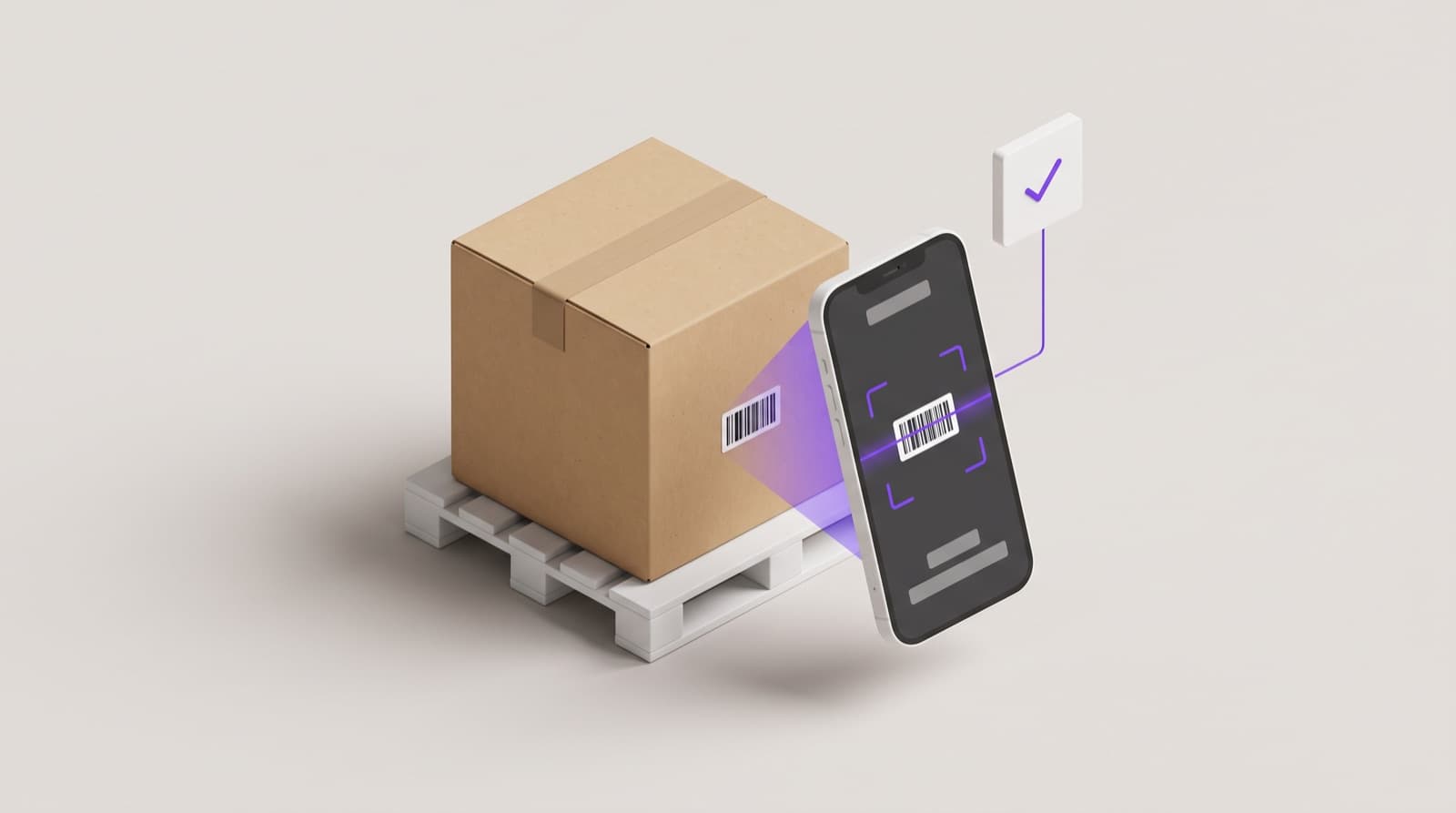
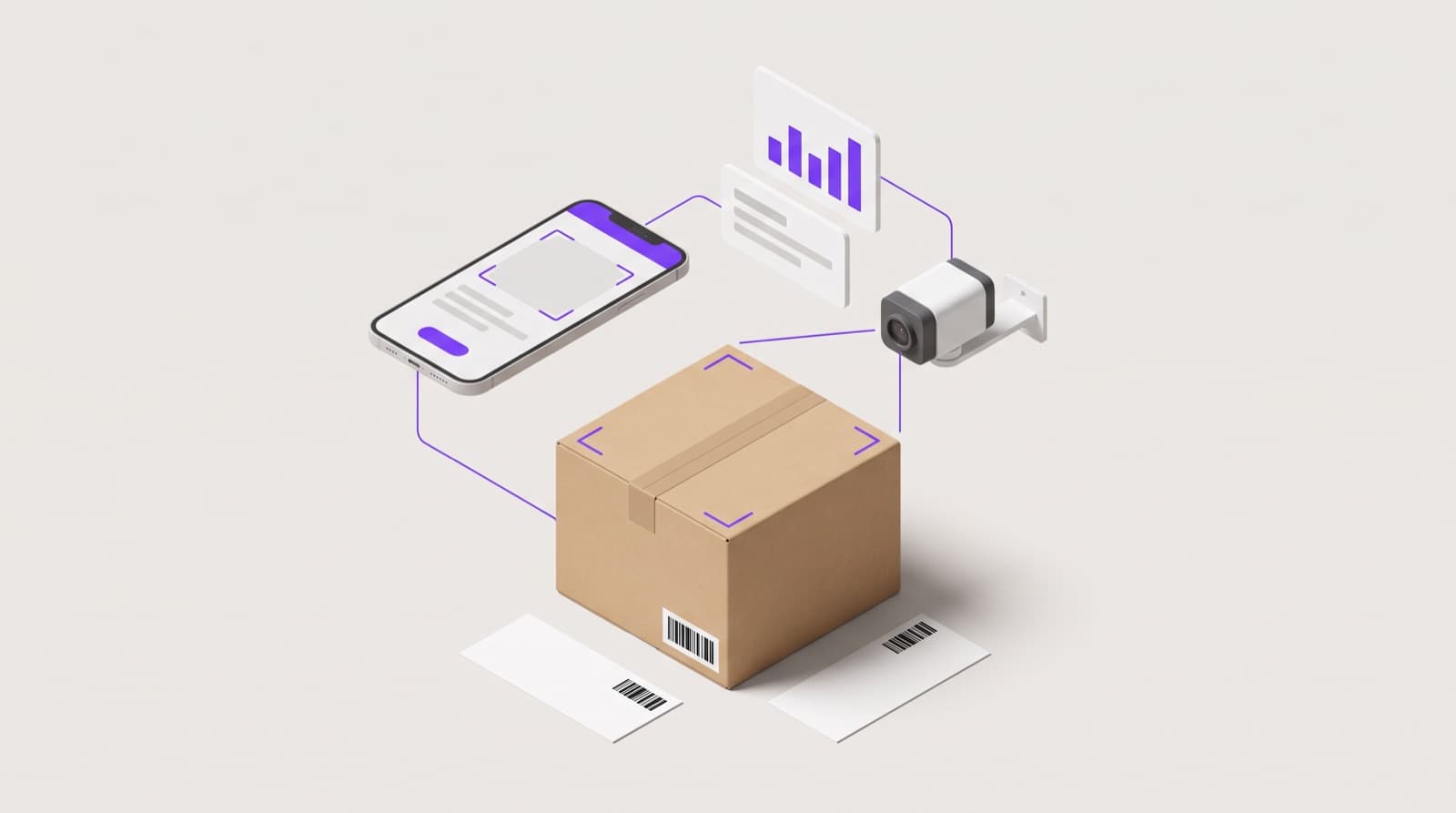
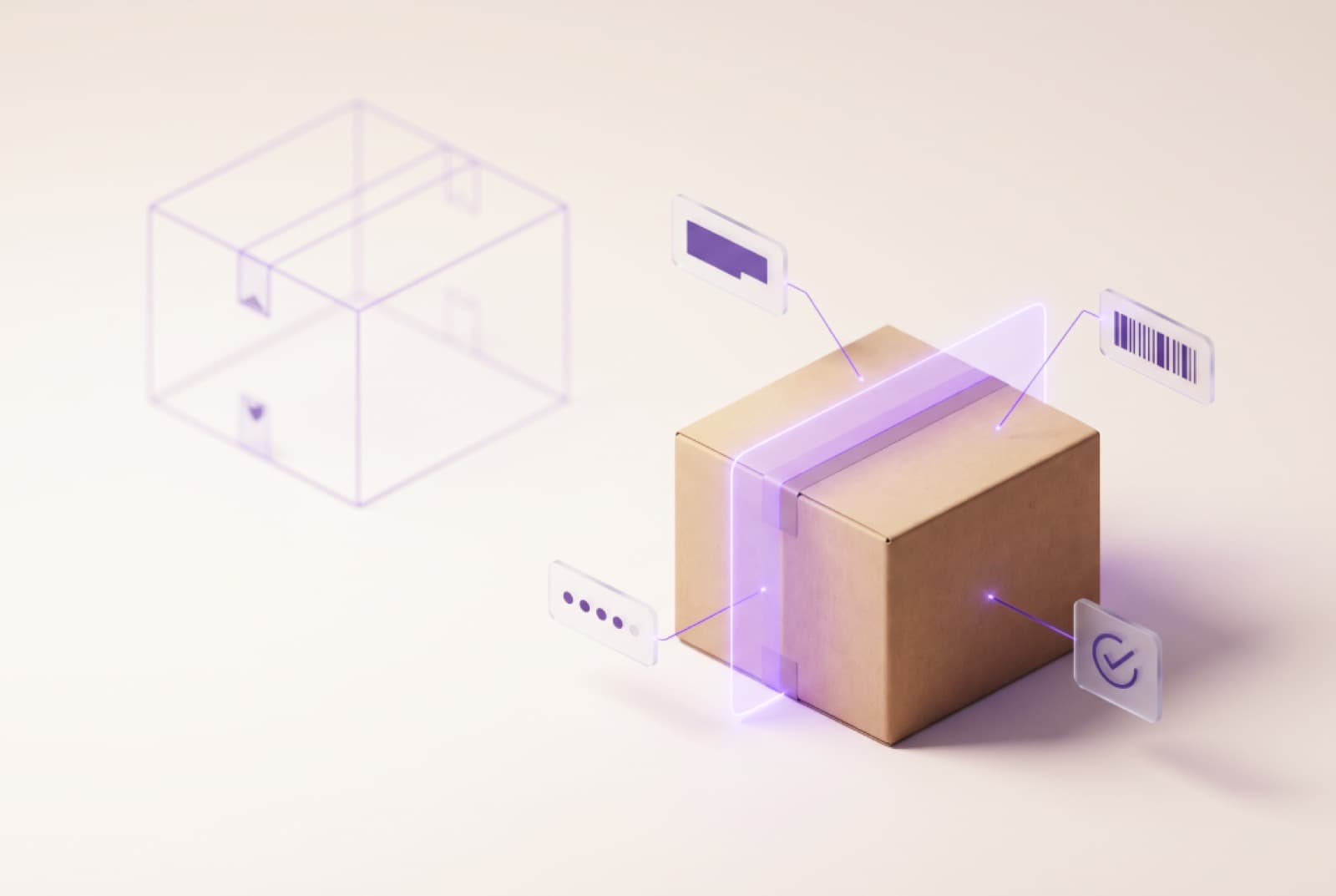
PackageX adds a layer of accuracy to pharma operations. It turns any camera into a vision AI scanner. That scanner reads labels, identifies inventory, and flags exceptions in real time. It works across receiving, storage, fulfillment, and dispatch.
Here is what that means for pharma teams:
- Real-time inventory visibility: Vision AI scanning counts and verifies stock, so teams always know what is on hand and where. That cuts shrink and stockouts of costly medicines.
- Damage and exception detection: The AI flags overages, shortages, and damaged packaging. It attaches photo evidence for supplier or carrier claims.
- Recalls, returns, and transfers: Built-in recall and transfer workflows move flagged stock across locations. This supports pharmaceutical reverse logistics.
- Proof of delivery and chain of custody: Teams capture signatures and images at delivery. The result is a complete, audit-ready chain of custody.
Frequently Asked Questions
What temperature are pharmaceuticals shipped at?
It depends on the product. Common ranges run from +2°C to +8°C for cold chain, down to -70°C for some mRNA vaccines.
What is the difference between GDP and GMP?
GMP covers how drugs are made. GDP covers how goods and services are stored and distributed. Both protect quality.
What is reverse pharmaceutical logistics?
It is the return flow of products. This includes recalls, expired drugs, and damaged stock sent back for safe disposal.
Final Thoughts
Pharmaceutical logistics protects more than products. It protects people. Every safe delivery means a patient gets the treatment they need.
The field is growing and getting harder. Cold chain rules tighten. Networks grow complex. Yet the tools keep improving too.
Companies that invest in visibility, compliance, and smart technology will lead. The rest will fall behind.