A distribution center keeps modern supply chains moving. It receives goods, holds them briefly, and ships them out fast. The global warehousing and distribution logistics market is projected to grow from USD 1.42 trillion in 2026 to USD 2.11 trillion by 2034, at a CAGR of 5.0%. That growth puts the distribution center process at the heart of every successful brand.
Speed and accuracy matter more than ever. Today, ecommerce buyers expect their orders within days, sometimes hours. This guide walks you through each step, from receiving to shipping to returns. You will learn how the workflow connects, where bottlenecks appear, and how to make every stage work harder. Let us break it down.
Key Takeaways
• A distribution center is built for fast flow, not long-term storage. • The core process moves through seven steps: receiving, put-away, storage, picking, packing, shipping, and returns. • Slotting strategy, picking method, and last-mile sorting drive both speed and order accuracy. • Modern distribution centers run on a WMS, automation tools, and real-time data. • Process improvement focuses on KPIs like order accuracy, cycle time, and cost per order.
What Is a Distribution Center? (And Why It Matters Today)
A distribution center is a facility built to receive, sort, and ship goods quickly. It is not a long-term storage site. It is a flow hub. Products move in and out, often within days or even hours.
People often confuse a warehouse with a distribution processing center. The difference is simple. A warehouse holds inventory for weeks or months. A distribution center pushes inventory out fast. One store. The other moves.
Customer-centric fulfillment drives this shift. Buyers want next-day or same-day delivery. They expect tracking, accurate orders, and clean packaging. To meet those needs, brands rely on a distribution process center as their operational hub.
Ecommerce growth makes this even more critical. Last-mile delivery now defines the customer experience. A late or wrong shipment can lose a buyer for good. Industry research shows that late deliveries are among the top reasons online shoppers switch retailers.
That is why the modern distribution processing center sits at the core of supply chain strategy. It connects suppliers, carriers, and customers in one efficient flow.
Distribution Center Process Flow (Step-by-Step Overview)
The distribution center process flow follows a clear sequence. Each stage feeds the next. When one slows down, the whole chain feels it.
Here is the high-level flow most facilities follow:
- Receiving
- Put-away
- Storage
- Picking
- Packing
- Shipping
- Returns
A clear flow makes training faster, helps managers spot bottlenecks earlier, and gives operations leaders a chart to plan upgrades, automation, and layout changes.
Step-by-Step Distribution Center Process Explained
1. Receiving (Inbound Logistics)
Inbound receiving sets the tone for everything that follows. Trucks arrive at the dock. Workers unload pallets. Each item gets inspected and counted.
This is also where errors start. A missed shipment, a wrong SKU, or a damaged box at receiving can ripple through the entire distribution process center. That is why accuracy matters from the first scan.
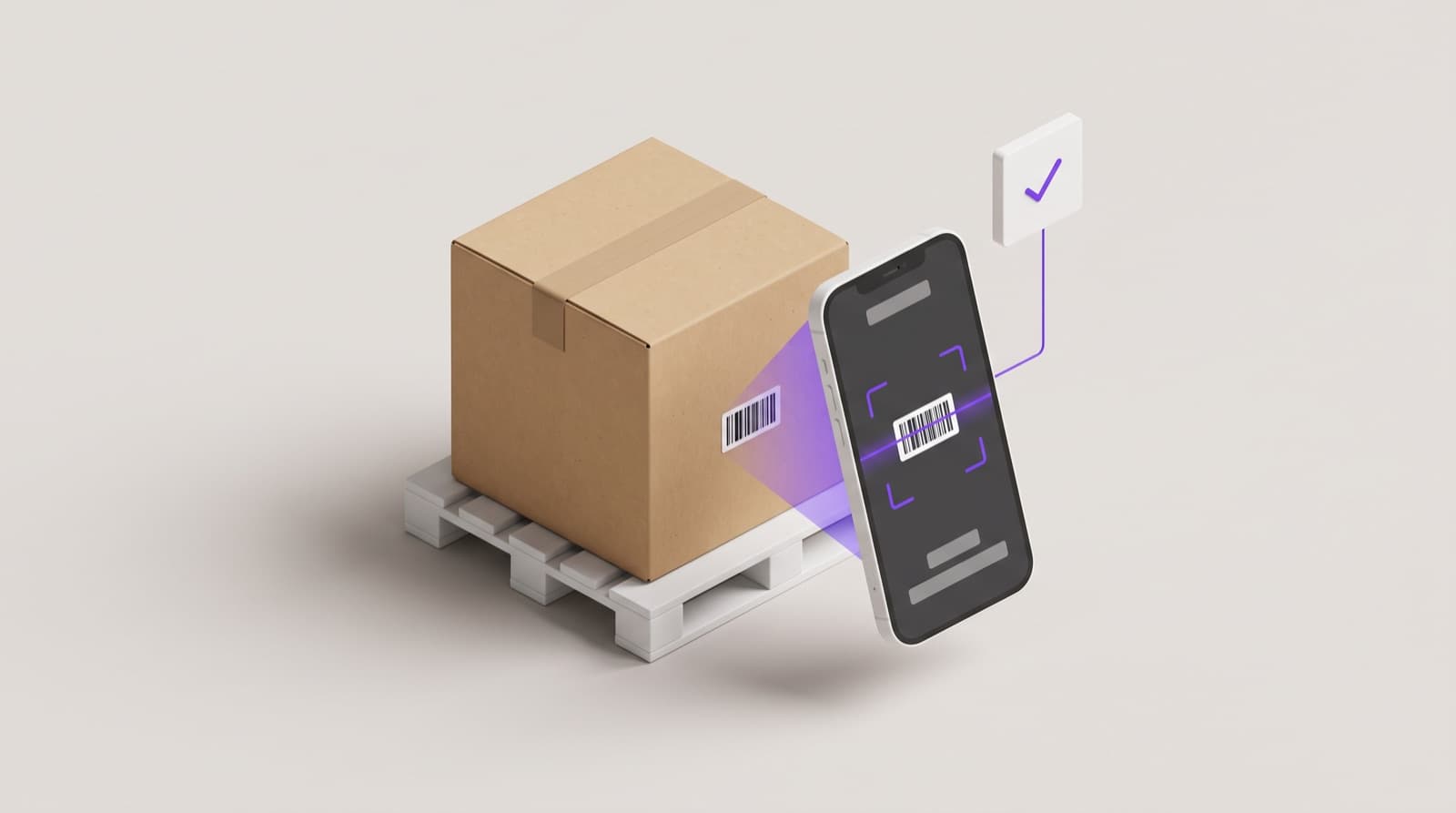
Modern teams log every inbound shipment in a warehouse management system, or WMS. The WMS records quantity, condition, and location. It also flags discrepancies in real time. Strong receiving practices include scheduled dock appointments, barcode scanning, and quality inspections. These steps keep the inbound flow smooth and protect downstream stages from inheriting bad data.
2. Put-Away & Slotting Optimization
Put-away moves goods from the receiving dock to their storage spots. It sounds simple. It is not.
A poor put-away strategy slows everything down. Workers walk longer routes. Pickers waste time hunting for SKUs. Errors creep in.
Slotting solves this. It places fast-moving SKUs near pick zones and slow-movers in deeper aisles. Heavy items go on lower racks. Fragile goods stay protected. Smart slotting cuts travel time, often by 20 to 30%. It also reduces strain on workers. The WMS guides put-away by suggesting the best location for each pallet or carton.
Companies that revisit slotting every quarter stay efficient. Demand shifts. Promotions launch. The slotting plan should shift with them.
3. Storage & Inventory Management
Storage is more than holding boxes on shelves. It is about knowing exactly where every unit lives.
Organized storage systems use bin locations, racking systems, and clear labeling. Each SKU has a fixed or dynamic location. Workers find items fast because the system tells them where to look.
Real-time inventory tracking ties this together. Barcode and RFID scanners update stock counts the moment a product moves. Managers see live data on what is on hand, what is committed, and what is running low. This level of visibility prevents stockouts. It also reduces overstock, which ties up cash. Top-performing facilities aim for inventory accuracy above 99%.
4. Order Picking (Core Fulfillment Stage)
Picking is the heart of order fulfillment. It also accounts for up to 55% of total operating costs in many distribution centers.
Several picking methods exist. Each fits a different order profile.
- Batch picking groups multiple orders into one pick run.
- Zone picking assigns each worker to a specific area of the facility.
- Wave picking releases orders in scheduled waves to balance workload.
Automation tools have transformed this stage. Voice picking, pick-to-light systems, and autonomous mobile robots help workers move faster and make fewer mistakes.
Speed alone is not enough. Accuracy matters just as much. A wrong item shipped means a return, a refund, and an unhappy customer. Top distribution centers aim for pick accuracy of 99.9% or higher. Computer vision scanning adds another layer. It verifies SKUs at the pick face in real time and catches errors before they reach packing.
5. Packing & Labeling
Once items are picked, they head to the packing station. This stage has two jobs. Protect the product. Prepare it for shipping.
The Packers choose the right box size, fillers, and protective materials. They also follow brand guidelines for inserts, tissue paper, or promotional flyers. Unboxing matters in ecommerce, and packing is where that experience starts.
Labeling is the second job. Each package gets a shipping label with carrier details, tracking codes, and address information. Many shipments also require compliance labels, such as country-of-origin labels. Mistakes here cause delays. A wrong label routes a package to the wrong city. Damaged packaging triggers returns. Automated label scanning printers, scan-and-verify stations, and quality checks keep packing accurate and fast.
6. Shipping & Dispatch (Including Last-Mile Sorting)
Shipping sends the order on its way. This is the moment the distribution center hands off responsibility to the carrier.
The first task is carrier allocation. Different carriers cost different amounts. They serve different regions and offer different speeds. A WMS or transportation management system selects the best carrier based on cost, service level, and destination.
Route optimization comes next. Software groups packages by zone, sequence, and delivery window. This cuts fuel use and trims delivery time.
Modern facilities also handle last-mile sorting and distribution center work in the same building. Packages get sorted by ZIP code, neighborhood, or even street order. From there, they go to local hubs or directly into delivery vans. Proximity to customers matters. Distribution centers placed near major metro areas can reach buyers within hours. That edge wins repeat business in a crowded ecommerce market.
7. Returns Management (Reverse Logistics)
Returns are part of every modern distribution center. Online shoppers return up to 30% of what they buy. That number is too big to ignore.
Reverse logistics handles this flow. Returned items arrive at a dedicated dock or zone. Workers inspect each unit and decide its next step. Restock, refurbish, or dispose.
A clear returns process protects margins. Items that go back on the shelf fast keep selling. Damaged units get written off cleanly. Refurbished goods move to liquidation channels. Customer experience also depends on smooth returns. A fast refund or exchange builds trust. Brands that treat returns as a service, not a chore, win repeat business.
Technologies Powering Modern Distribution Center Processes
Technology separates an average distribution center from a great one. Three layers do most of the work:
- Warehouse Management System (WMS): The brain of the operation. It controls receiving, slotting, picking, packing, and shipping. It tracks inventory in real time and tells workers what to do next.
- Automation tools: Conveyors, sortation systems, and robotics cut walking time and move boxes faster. RFID tags and barcode scanners feed live data into the WMS.
- Data and analytics: Dashboards show order status, labor productivity, and inventory health. Predictive analytics forecasts demand and flags risks before they hit operations.
Integration ties it all together. A distribution processing center that connects with ecommerce platforms, carriers, and ERP systems can scale without breaking. The result is faster fulfillment, fewer errors, and a setup that grows with the business.
Distribution Center Process Improvement: How to Optimize Efficiency
Distribution center process improvement is an ongoing job. There is always a faster way, a cleaner layout, or a better tool. The goal is to reduce waste while maintaining high accuracy.
Several strategies deliver the biggest gains:
- Dock scheduling systems prevent truck congestion and smooth the flow of inbound and outbound goods.
- Warehouse layout optimization shortens travel paths. Putting fast movers near packing stations saves hours every week.
- Automation adoption removes repetitive tasks. Robots, conveyors, and scanning systems work around the clock.
- Inventory forecasting uses historical data and seasonal trends to prevent stockouts and overstock.
- Workforce efficiency comes from training, clear SOPs, and incentive programs. People still drive most of the value.
The best teams measure what they manage. Key performance indicators, or KPIs, tell the truth about operations. Three KPIs matter most:
- Order accuracy: The percentage of orders shipped without errors.
- Cycle time: The hours or minutes from order receipt to dispatch.
- Cost per order: Total operating cost divided by the number of orders shipped.
Tracking these numbers weekly shows what is working. It also exposes weak spots before they hurt customers. The payoff is real. Optimized facilities ship faster, spend less, and deliver a stronger customer experience. In a market where buyers compare prices and delivery speeds in seconds, those wins compound quickly.
Common Challenges in Distribution Center Operations
Even the best distribution centers face hurdles. Some show up daily. Others emerge during peak season. The most common problems include:
- Labor shortages: Hiring and retaining warehouse workers gets harder every year. Turnover drives up training costs and slows productivity.
- Inventory inaccuracies: A missing SKU here, a miscounted pallet there. The errors add up fast and cause silent losses.
- Delays in receiving and shipping: A late truck at the dock pushes back picking, packing, and dispatch. The whole flow feels it.
- High operational costs: Rent, labor, energy, and equipment all add up. Without process improvement, these costs creep upward year after year.
The good news is that automation, smarter software, and better data solve most of these problems.
Why Distribution Centers Are Critical for Last-Mile Delivery
The last mile is where customer expectations meet reality. It is also the most expensive part of the supply chain. Some studies put it at over 50% of total shipping costs.
Distribution centers play a key role here. They sit close to demand. They sort, label, and dispatch packages built for fast delivery.
Last-mile delivery and distribution center work together to cut delivery times. Packages get grouped by route or neighborhood before they leave the dock. Local hubs receive a clean, organized batch ready for drivers.
Faster delivery is more than a nice-to-have. It is a competitive edge. Brands that promise and deliver same-day or next-day service win loyal buyers in a crowded ecommerce market.
Improve Your Distribution Center Process with PackageX
PackageX brings AI and automation to every step of the distribution center process. Our Vision AI scanning captures SKU data, package conditions, and shipping labels in one shot. Workers move faster. Errors drop. Operations leaders get real-time visibility across receiving, picking, packing, and shipping.
Here is what teams gain with PackageX:
- Vision AI Scanning: Scan single or multiple barcodes, labels, and POD documents in seconds.
- Real-Time Visibility: Track every shipment, every SKU, and every dock in one dashboard.
- Automated Workflows: Build inbound, outbound, and returns flows that run with minimal manual input.
- Logistics API Suite: Connect your WMS, ecommerce platforms, and carriers through 30+ purpose-built APIs.
Whether you run a single distribution processing center or a network of facilities, PackageX scales with you. Teams cut cycle time, raise order accuracy, and lower cost per order from day one.
Conclusion: Building an Efficient Distribution Center Process
The distribution center process drives modern commerce. Speed, accuracy, and flow define every winning operation. Each step matters, from receiving at the dock to handling returns. Skip one, and the whole chain slows down.
Technology and process improvement turn good distribution centers into great ones. The right WMS, smart automation, and clean data give teams the tools to move faster and serve buyers better.
Frequently Asked Questions
How is a distribution center different from a fulfillment center?
A distribution center handles bulk shipments to retailers, businesses, and other warehouses. A fulfillment center handles individual orders for end consumers. Both move goods, but they serve different customers and use slightly different layouts. Some facilities now combine both functions to support omnichannel retail.
How long does inventory usually stay in a distribution center?
Most products stay in a distribution center for hours or days, not weeks. Fast-moving SKUs may spend less than 24 hours on site. Slower items can stay longer, but the goal is always to keep goods moving. Long dwell times signal a problem in forecasting or demand planning.
How big is a typical distribution center?
Distribution centers range from 100,000 to over 1 million square feet. Size depends on volume, product type, and the markets served. Mega-DCs operated by retailers such as Amazon and Walmart often exceed 800,000 square feet. Regional centers tend to be smaller and more focused on speed.