The build vs buy logistics decision is one of the most important choices companies face as supply chains grow more complex. Teams are under pressure to move faster, reduce costs, and improve visibility across operations. At the same time, technology is evolving quickly, making it harder to decide whether to invest internally or rely on external supply chain solutions.
At its core, this decision comes down to trade-offs. Building gives you control and flexibility, but it takes time, budget, and the right expertise. Buying offers speed and proven systems, but it may not fully match your workflows. Many logistics teams today are trying to balance both without slowing down operations.
The build vs buy decision in logistics is about choosing between custom-built internal systems and ready-made or outsourced solutions. Building offers control and differentiation, while buying enables faster deployment and lower upfront costs. Many companies now adopt a hybrid approach.
This shift is also driven by market growth. The global logistics automation market size is projected to grow from USD 99.43 billion in 2026, exhibiting a CAGR of 12.80%. As a result, choosing the right logistics strategy is necessary.
In this blog, we will explore how to choose the right path based on your logistics needs, resources, and long-term goals.
Key Takeaways
• Build vs buy in logistics is a trade-off between control and speed; building offers customization, while buying enables faster deployment and lower upfront costs. • Your decision should depend on core competency, timelines, and operational complexity, not just budget. • Total cost of ownership goes beyond initial investment, including maintenance, upgrades, and internal resource requirements. • A hybrid approach is becoming the standard, allowing businesses to combine flexibility with scalability for better outcomes. • PackageX enables this hybrid model, helping teams automate execution, extend existing systems, and move faster without heavy development.
Build vs Buy Logistics Comparison
When teams evaluate a build vs buy comparison in logistics, it often comes down to a simple question. Do you want full control, or do you need speed and support?
Here’s a quick side-by-side look:
| Factor | Build (In-House) | Buy (Outsource/Software) |
|---|---|---|
| Customization | High | Limited |
| Cost | High upfront | Subscription-based |
| Time to Deploy | Slow | Fast |
| Expertise | Required | Vendor-provided |
| Maintenance | Internal | Vendor-managed |
Building in-house works well when your logistics operations are a key part of your competitive edge. For example, large retailers sometimes invest in custom routing or inventory systems to gain tighter control over delivery performance.
But this control comes at a cost. You need skilled developers, time to build, and ongoing support.
On the other hand, logistics outsourcing vs in-house decisions often favor buying when speed matters. A company can deploy a transportation management system in weeks instead of months. Updates, fixes, and improvements are handled by the provider.
In reality, most businesses sit somewhere in between. The right choice depends on your goals and the centrality of logistics to your business.
What Does “Build” Mean in Logistics?
Building in logistics means creating your own systems instead of relying on external vendors. Companies that choose this path invest in in-house logistics solutions or develop custom logistics software tailored to how their operations actually run. This could include tools for route planning, real-time tracking, or warehouse coordination.
Benefits of Building
- Tailored workflows: Your system is built around your processes. For example, a company with complex delivery routes can design logic that fits its exact needs rather than adapting to a standard tool.
- Competitive advantage: Custom systems can become a real differentiator. A logistics-heavy business might build a logistics system that improves delivery speed or reduces costs in ways competitors cannot easily replicate.
- Full control: You decide what gets built, when updates happen, and how the system evolves. There is no dependency on vendor timelines or limitations.
Challenges of Building
- High cost: Development requires skilled engineers, infrastructure, and ongoing investment. Costs do not stop after launch.
- Long timelines: Many custom logistics platforms take 6 to 12 months or more before they start delivering value. Business needs can shift during that time.
- Maintenance burden: Once live, your team handles everything. Fixing bugs, scaling the system, and keeping it secure become long-term responsibilities.
What Does “Buy” Mean in Logistics?
Buying in logistics means using external solutions instead of building everything in-house. This often involves logistics outsourcing, working with a third-party logistics provider, or purchasing logistics software, such as a transportation management system, to handle operations.
Benefits of Buying
- Fast deployment: Most solutions are ready to use. A company can roll out a transportation management system in weeks instead of spending months building one. This is useful when you need quick results.
- Proven solutions: These tools are already tested across multiple businesses. For example, many companies rely on established platforms to manage freight, track shipments, and optimize routes without having to start from scratch.
- Vendor support: Ongoing support is handled by the provider. Updates, bug fixes, and improvements are included, which reduces pressure on internal teams.
Challenges of Buying
- Limited flexibility: Off-the-shelf tools are built for general use. If your workflows are unique, you may need to adjust your processes to fit the software.
- Vendor lock-in: Once you rely on a system, switching providers can be difficult and costly. Your operations may become tied to that platform.
- Integration gaps: Connecting new tools with existing systems can take time. For instance, syncing a new TMS with legacy systems may require extra effort and resources.
The Hybrid Approach: The New Standard in Logistics
Most companies no longer see this as a strict build vs buy decision. Instead, they use a hybrid logistics model that blends both approaches.
Why hybrid works
Building everything in-house takes time and heavy investment. Buying everything rarely fits perfectly. A hybrid approach gives you control where it matters and speed where it counts.
You keep your core systems in-house. These are the parts that define your operations or give you an edge. At the same time, you outsource the supply chain or adopt ready-made tools for standard tasks.
This balance supports better supply chain optimization without overloading your internal teams.
What this looks like in practice
- A company builds its own routing logic to match unique delivery constraints
- It uses a transportation management system to handle daily freight operations
- Teams use no-code tools to automate workflows like package tracking or alerts
For example, a retailer may rely on a vendor platform for carrier management but use internal tools to plan delivery routes based on store demand.
A strong logistics technology strategy is not about choosing one path. It is about combining the right tools to move faster, reduce risk, and adapt as your business grows.
Key Factors to Consider Before Choosing
Deciding whether to build, buy, or take a hybrid approach in logistics is about strategy and capability.
Here’s a practical framework to guide your decision.
1. Core Competency
Ask yourself if logistics is central to your competitive edge. If your business depends on supply chain excellence to differentiate itself, building custom systems might make sense. For example, an e-commerce company that promises same-day delivery may need proprietary routing algorithms. If logistics is a support function rather than a differentiator, buying or outsourcing can free your team to focus on your core business.
2. Time to Market
How quickly do you need results? Building internal systems can take months or even years. Buying solutions or leveraging a third-party provider delivers faster outcomes. Companies with seasonal spikes, such as retail during the holidays, often choose prebuilt tools to avoid long ramp-up times.
3. Complexity of Operations
Simple, standardized operations can often rely on off-the-shelf tools. Highly customized workflows, such as multi-modal shipping with complex compliance rules, may require a tailored approach. Evaluate whether your processes are unique enough to justify internal development.
4. Total Cost of Ownership
Look beyond upfront costs. Total cost of ownership in logistics includes maintenance, upgrades, staffing, and ongoing support. A cheap solution today can cost more in the long run if it doesn’t scale or requires constant patchwork.
5. Internal Expertise
Do you have the right talent to design, implement, and maintain a logistics system? Without skilled IT or logistics personnel, even the best internal plan can fail. Buying provides access to experienced teams and proven systems.
Combine these insights with supply chain technology selection criteria to ensure long-term success.
When Should You Build vs Buy in Logistics?
Making the right choice between building your own logistics systems or buying existing solutions can save your company time, money, and headaches. It comes down to your priorities, resources, and the uniqueness of your operations.
Build If
Building your own logistics solution works best when your supply chain is central to your business. If your logistics operations are a key differentiator, a custom system can give you a competitive edge.
You also need strong internal IT and operations teams to maintain and improve these systems. Without the right talent, building in-house can become a drain on resources instead of a strategic advantage.
Buy If
Buying or outsourcing logistics solutions makes sense when speed matters. Off-the-shelf platforms and third-party logistics providers can get you up and running fast. This is ideal for companies with standard shipping processes or limited technical expertise. A small retailer, for example, can integrate a TMS in weeks instead of spending months developing a custom system.
Hybrid If
Many businesses find a hybrid approach works best. Keep your critical systems in-house for complex, high-value operations and outsource or buy solutions for routine, repeatable tasks. This gives flexibility and scalability, especially in a complex logistics environment with multiple warehouses, carriers, and seasonal spikes.
Choosing the right path is part of a smart build vs buy decision logistics strategy. It also shapes your overall logistics outsourcing strategy for long-term efficiency.
Real-World Logistics Examples
Enterprise Building a Custom Optimization Engine
A large electronics manufacturer faced slow delivery times and rising freight costs. Their logistics team built a custom optimization engine to plan routes and balance warehouse loads. Within six months, delivery efficiency improved by 18%, and carrier costs dropped noticeably. This case shows how building in-house can give companies a competitive edge when logistics is core to the business.
SME Using a Transportation Management System
A mid-sized apparel distributor adopted a cloud-based TMS to manage shipments across multiple carriers. The system automates tendering, tracking, and reporting. With less manual work, their team cut errors by 30% and freed up staff for higher-value tasks. This demonstrates the power of buying proven solutions to scale operations quickly.
These logistics case studies illustrate how companies of all sizes can optimize supply chain operations through tailored build, ready-made buy, or hybrid approaches.
Common Mistakes to Avoid
Even seasoned teams make missteps when managing logistics. Being aware of common pitfalls can save time and money.
- Overbuilding unnecessary systems: Some companies create complex tools that they rarely use. For instance, a mid-sized distributor might develop a full routing engine when a standard TMS handles most daily needs. This adds cost without improving efficiency.
- Choosing the cheapest vendor: Low-cost options can come with hidden problems. Discounts may mean limited support, slower updates, or poor integration, creating more headaches down the line.
- Ignoring integration complexity: ERP, TMS, and warehouse systems need to communicate. Without proper connections, errors and delays pile up.
- Underestimating maintenance: Every system requires upkeep. Skipping planning for updates or monitoring increases long-term risk. Avoiding these logistics strategy mistakes lowers supply chain risks.
Where PackageX Fits in Your Logistics Strategy
Here’s how PackageX fits in your logistics strategy:
- Accelerates Time to Value: Deploy quickly without long development cycles, helping teams improve operations without building from scratch.
- Extends Existing Systems: Works alongside ERP, WMS, and TMS platforms to enhance visibility and execution without replacing core systems.
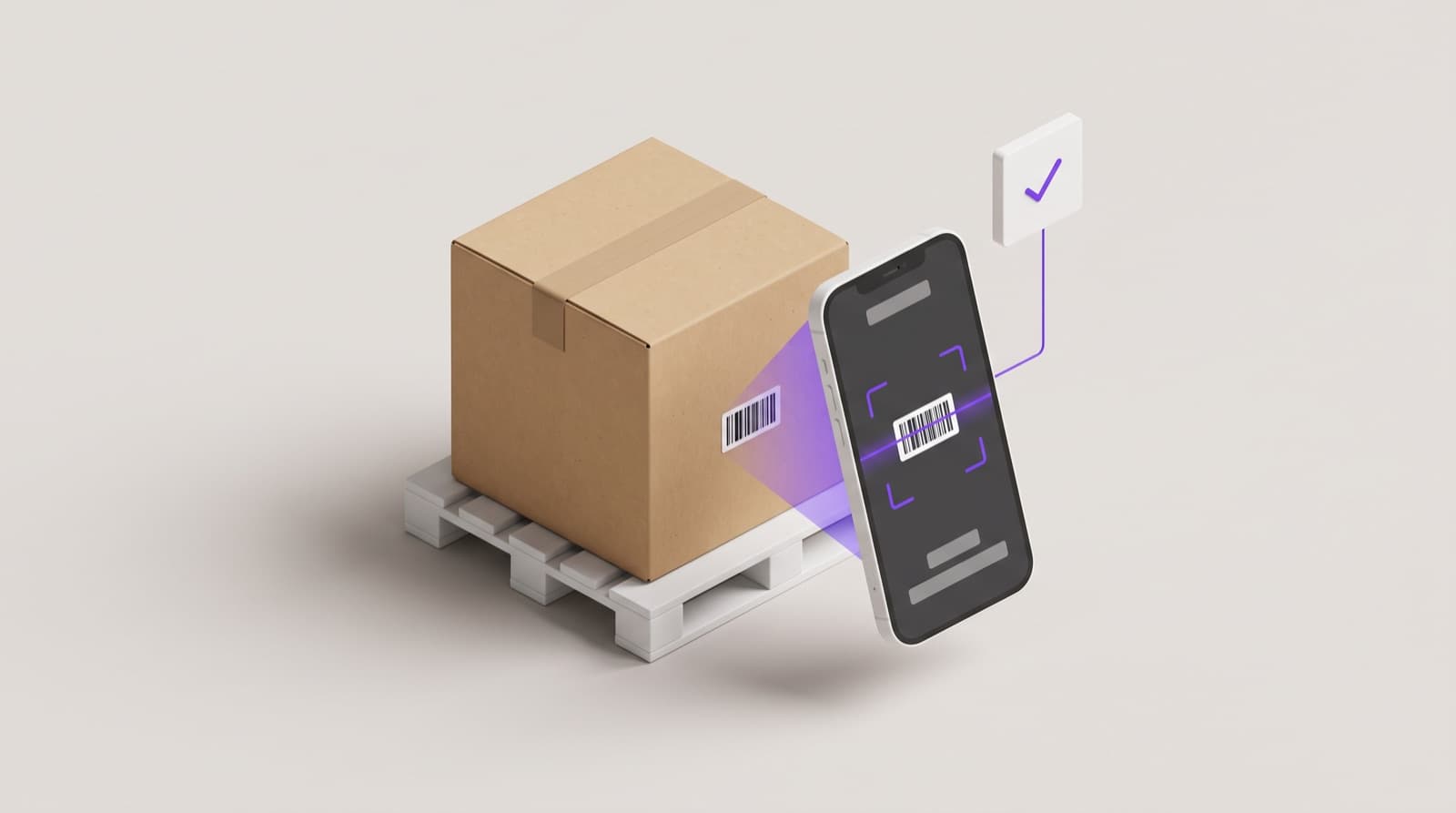
- Automates Manual Workflows: Uses Vision AI to reduce manual data entry, streamline receiving, and improve operational accuracy.
- Supports a Hybrid Approach: Let's you keep critical systems in-house while using PackageX to handle execution-heavy workflows efficiently.
- Scales With Your Operations: Adapts across warehouses and sites, supporting growth without increasing operational complexity.
Frequently Asked Questions
How does build vs buy impact long-term scalability in logistics?
Building offers flexibility to scale based on custom needs, but requires continuous investment. Buying provides easier scalability through vendor updates, but may limit customization as operations grow.
What risks should companies consider before committing to a build or buy strategy?
Key risks include budget overruns in building, vendor dependency in buying, integration challenges, and the inability to adapt quickly to changing business needs.
How can companies transition from a build-heavy to a hybrid logistics model?
Start by identifying non-core workflows that can be outsourced or automated, then gradually integrate external solutions while maintaining control over critical systems.