Every organization encounters purchases that do not align with the plan. A team suddenly needs access to a critical tool. A service renewal is noticed only days before it expires. An invoice is received before the paperwork is fully sorted out. These everyday moments are where conversations about non-purchase-order buying usually begin.
The challenge is not whether these purchases should happen, but how they are handled. Logistics management demands control so spending stays visible and compliant. A non purchase order often sits right in the middle of that tension, moving fast while quietly increasing risk if it is not managed well.
This balance is becoming more important as procurement becomes more digital. The global e-invoicing market is expected to reach USD 32.1 billion by 2030, growing at a CAGR of 17.1%. As invoices move faster and in higher volumes, gaps in the process become harder to ignore.
Understanding why non-PO purchases exist and why they matter helps organizations protect both speed and accountability without slowing the business down.
What Is a Non-PO (Non-Purchase Order)?
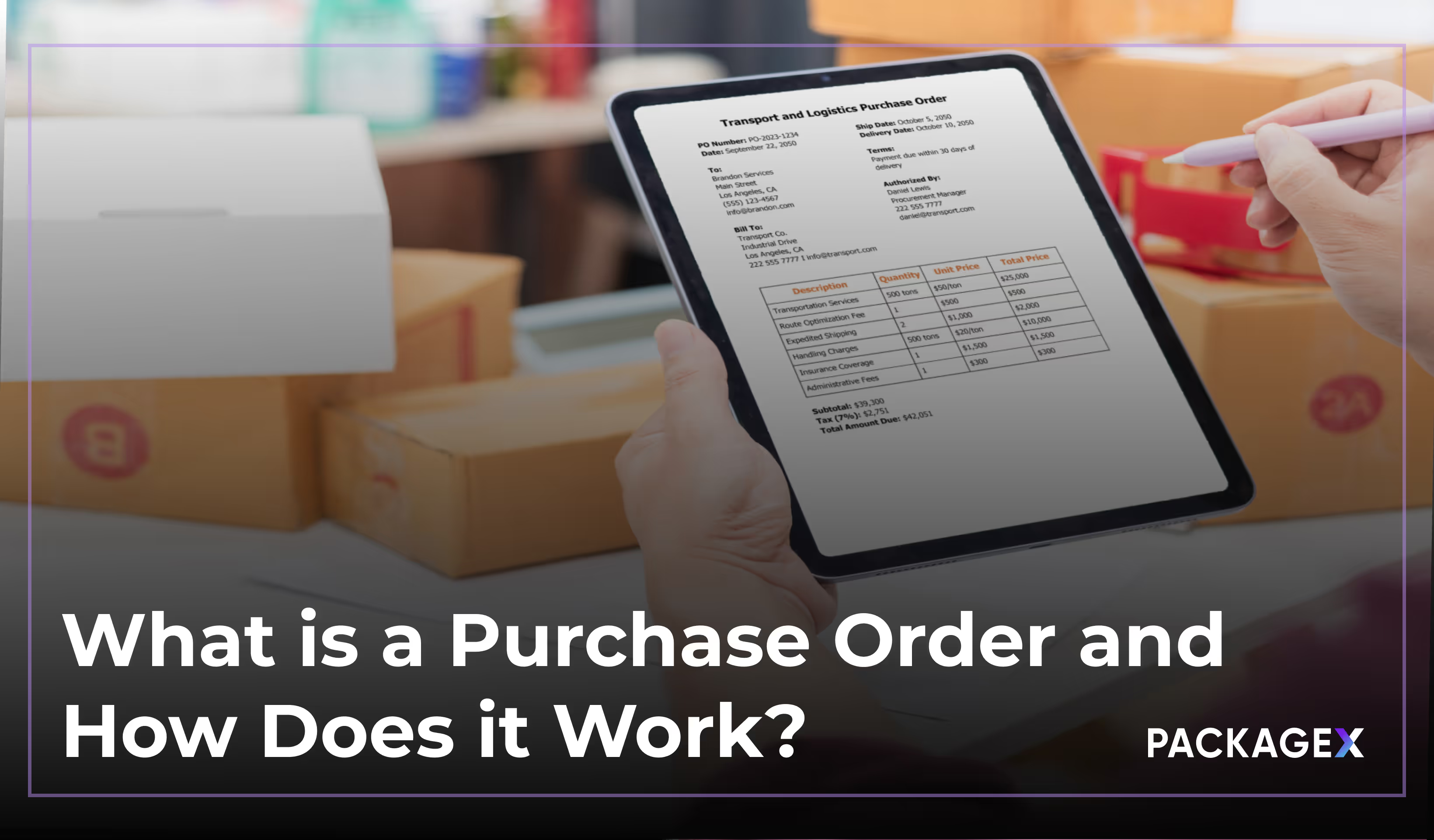
A non-purchase order refers to a transaction or invoice created without issuing a formal purchase order before the purchase takes place. In other words, the expense happens first, and approvals or documentation follow later. This approach is most common for urgent or indirect costs where waiting for a standard approval workflow would slow the business down. From a process standpoint, this falls under a broader non-standard purchase order definition.
If you are asking what non-purchase order in practical terms, think of expenses like software subscriptions, utilities, travel, legal services, or emergency repairs. These purchases are often unplanned or recurring and do not always justify a full PO upfront. Instead, teams review and approve the invoice after the vendor has already delivered the service or product.
Key Characteristics of Non-PO Transactions
No Pre-Approval
A non purchase order is not formally approved before the purchase is made. They are reviewed after the vendor invoice is received.
Used for Indirect or Ad-Hoc Spend
Non-POs commonly cover indirect costs such as SaaS tools, office supplies, legal fees, utilities, or employee reimbursements.
Post-Purchase Invoice Validation
Because approval occurs after the transaction, invoice processing requires additional checks, which can slow accounts payable workflows.
Limited Audit Trail
Without a PO created upfront, documentation is often scattered, making inventory audits and compliance reviews more difficult.
Flexibility With Higher Risk
Non-purchase orders allow teams to act quickly, but without strong controls, they can lead to overspending, duplicate payments, or policy violations.
Purchase Order (PO) vs Non-PO: Key Differences
The difference between a purchase order vs non purchase order comes down to control, timing, and accountability. Both are used to buy goods or services, but they work very differently in practice.
A purchase order follows a structured path. A request is submitted, reviewed, approved, and then converted into an official document before any money is spent. This process creates a clear record of who approved what, when, and why. It is predictable, auditable, and easier for teams to manage.
A non purchase order skips part of that structure. The purchase happens first, often because it is urgent or low value. Approval and documentation come later, if at all. This makes non-POs faster, but also riskier.
Think of it in simple terms. A standard purchase order offers visibility before the spend. A non-standard purchase order offers speed, but less oversight.
Here is how the purchase order and non-purchase order typically compare:
How the Traditional PO Process Works?
Step 1: Request Submission
Every purchase starts with a request. A team member identifies a need, whether it’s office supplies, a software subscription, or equipment. Even non-inventory items like software licenses or one-time services go through this step. The requester fills out a purchase requisition form and sends it to the department head or manager for approval.
Step 2: Approval Workflow
The requisition moves through a structured approval process. Managers and procurement review the request. They check budgets, ensure the purchase aligns with company policy, and verify the need. This step creates a clear paper trail that protects the company and prevents rogue spending.
Step 3: Purchase Order Creation
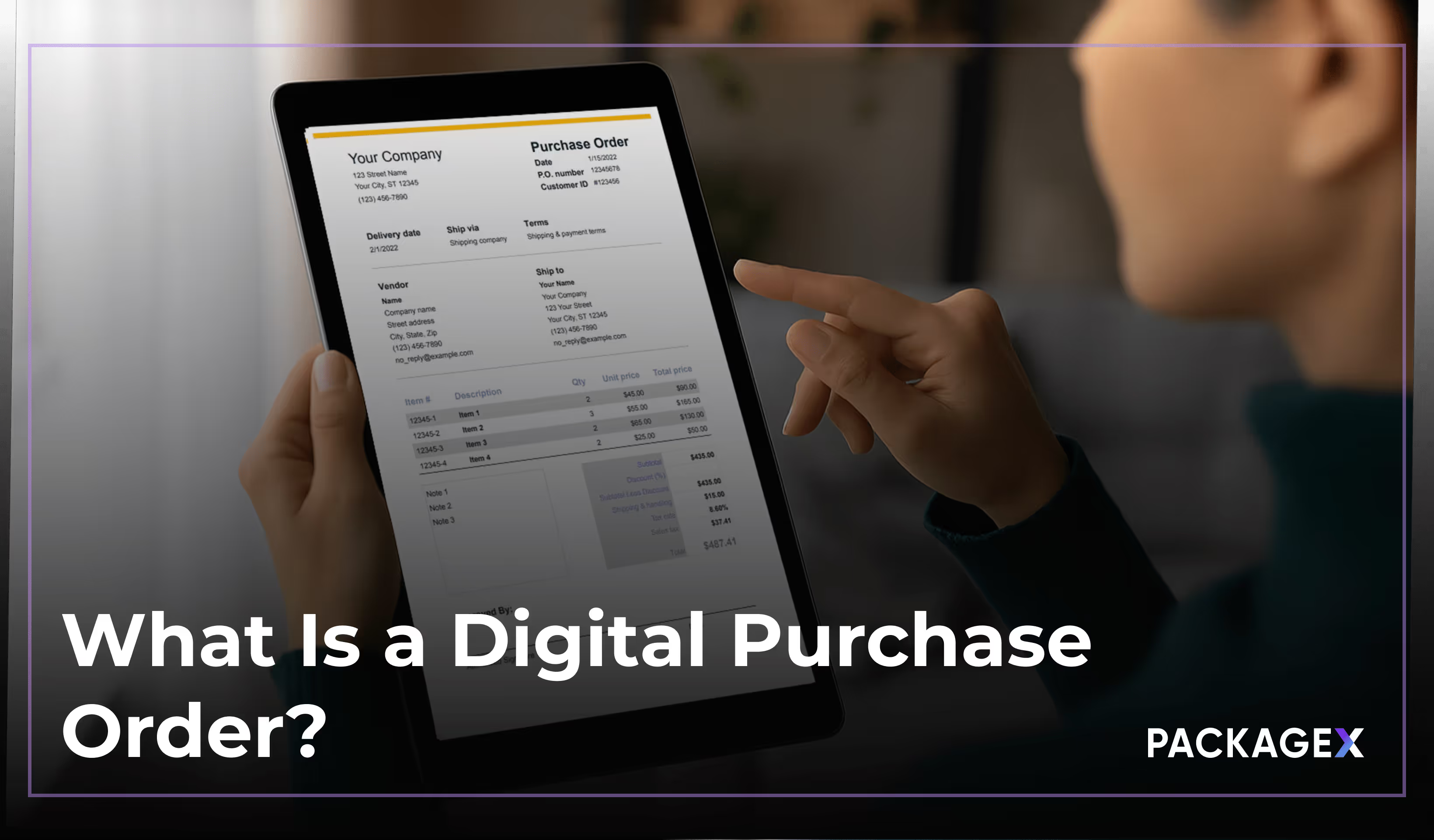
Once approvals are in place, the procurement team generates a purchase order. This document formalizes the request, specifying quantities, cost, and supplier details. For non-inventory items, the purchase order ensures financial control even if the purchase doesn’t involve stock.
Step 4: Vendor Fulfillment and Invoice Matching
The vendor fulfills the order, and the invoice arrives. Accounts payable matches it to the purchase order. This step ensures accuracy, prevents duplicate payments, and maintains accountability across all transactions.
When Businesses Turn to Non-PO Purchases?
Non-PO purchases usually happen when speed matters more than process. In an ideal world, every expense would follow a clean approval flow. In reality, work does not always wait.
Urgency Bypass the Standard Process
The most common reason companies bypass the non-purchase order process is urgency. A production line runs out of materials. A sales team needs last-minute access to software before a client demo. A facility issue needs immediate repair. Waiting days for approvals would cost more than the risk of moving fast.
These situations are exceptions, not habits. The decision is often made by a manager who understands the trade-off and accepts responsibility for the spend.
Practical Non-Purchase Order Examples
Common non-purchase order examples include emergency equipment, one-time professional services, travel changes, or small software subscriptions paid by corporate card. In these cases, the purchase happens first, and documentation follows later.
Used carefully, non-PO purchases keep the business moving. Used too often, they create gaps in visibility and control. That balance is what procurement teams work to manage.
Risks and Challenges of Non-PO Purchases
1. Lack of Spend Visibility
One of the biggest downsides of a non-purchase order process is delayed visibility. Logistics teams often learn about the spend only after the purchase is made and the invoice shows up. By then, the money is already gone.
This makes it hard to track budgets in real time. In fast-growing companies, this blind spot often leads to surprise overruns at the end of the quarter.
2. Audit Trail and Compliance Issues
A standard PO creates a clear paper trail. A non-standard purchase order often does not. When approvals happen verbally or after the fact, documentation is scattered or missing entirely.
During inventory audits, this becomes a problem. Auditors look for proof of who approved the purchase, why it was made, and whether it followed policy. Without that trail, even legitimate purchases can raise red flags.
3. Accounts Payable Inefficiencies
Non-PO purchases slow down accounts payable. Without a PO to match against, AP teams must chase vendors to verify invoices. This manual back-and-forth adds days to payment cycles.
According to AP benchmarks, exception handling costs several times more than straight-through invoice processing. Multiply that by dozens of non-PO invoices, and the inefficiency adds up fast.
4. Fraud, Duplicate, and Unauthorized Spend
Non-POs also increase risk. A non-binding purchase order offers little legal or financial protection if something goes wrong. Duplicate invoices, unauthorized vendors, or inflated charges are easier to miss when controls are weak.
Non-PO Invoices vs PO Invoices
What Is a PO Invoice?
A PO invoice is tied to an approved purchase order. It includes a PO number, agreed pricing, and clear terms. For Accounts Payable, this makes verification simple. The invoice can be matched against the purchase order and the receipt, allowing payments to move forward quickly and with minimal risk.
What Is a Non-PO Invoice?
A non purchase order invoice is submitted without a prior purchase order. In practical terms, the non-purchase order invoice refers to an invoice that is received after the purchase has already been made. There is no PO to confirm pricing, approval, or budget ownership upfront.
Key Differences in Invoice Processing
- PO invoices follow a structured three-way match and are easy to validate.
- Non-purchase order invoice processing relies on manual checks, email approvals, or after-the-fact confirmation.
- AP teams must verify who approved the spend and whether it aligns with policy.
- Processing time is longer, and the risk of errors or duplicate payments increases.
In real-world AP operations, non-PO invoices often take days longer to approve. Industry data shows manual invoice handling can cost up to three times more than PO-based processing. That’s why teams prioritize PO-backed invoices whenever possible.
Debunking the Myth: Are Approvals Really the Bottleneck?
It’s common to blame approvals when purchasing feels slow. In reality, approvals are rarely the root cause. The real issue is how the non purchase order process is designed and managed.
Most delays come from avoidable process gaps:
- Requests sent through long email threads with no clear ownership
- Incomplete or unclear purchase details that trigger back-and-forth questions
- Approvers are unsure of context, budget impact, or urgency
- Teams receiving invoices with little documentation
How Technology Simplifies PO and Non-PO Workflows?
Modern procurement tools help companies manage both planned purchases and exceptions without slowing work down.
- Designed for real-world purchasing
Not every request fits a standard template. Teams often need to make fast decisions for software access, emergency supplies, or short-term services. Modern platforms support purchase order non-standard scenarios by allowing flexible workflows without losing control. - Flexible approvals
Approval paths can adjust automatically based on cost, urgency, or department. Low-value or time-sensitive purchases move quickly, while higher-risk spend still goes through additional checks. This removes delays without weakening oversight. - Centralized visibility and records
Requests, approvals, invoices, and payments are captured in one place. Teams can track non-PO spend in real time instead of discovering it later during invoice reviews or audits. - Faster invoice handling
Automation reduces manual follow-ups. Many organizations report cutting invoice management time by more than half after adopting modern procurement tools.
Technology does not remove non-standard purchases. It makes them visible, traceable, and easier to manage.
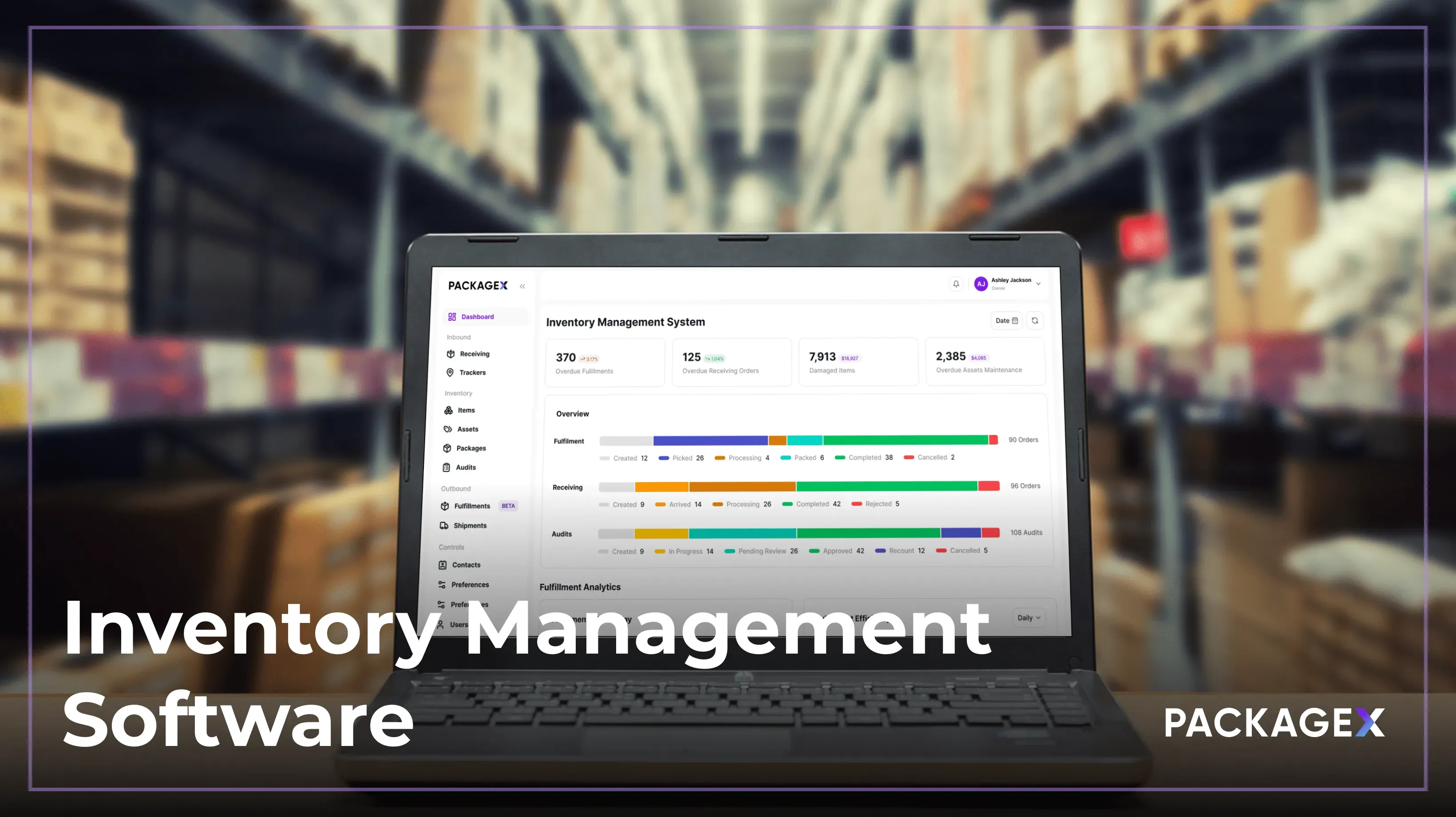
Streamlined PO and Non-PO Management with PackageX
Here’s how PackageX helps:
- Unified Request Experience: PackageX brings all purchasing, planned or urgent, into one intuitive workflow. Employees can submit requests for both PO and non-PO spend, ensuring every transaction is tracked and approved through a single system.
- Built for Non-Standard Scenarios: Non-PO purchases no longer rely on emails or verbal approvals. PackageX uses rule-based workflows that automatically adapt based on spend type, amount, urgency, or department, maintaining both speed and compliance.
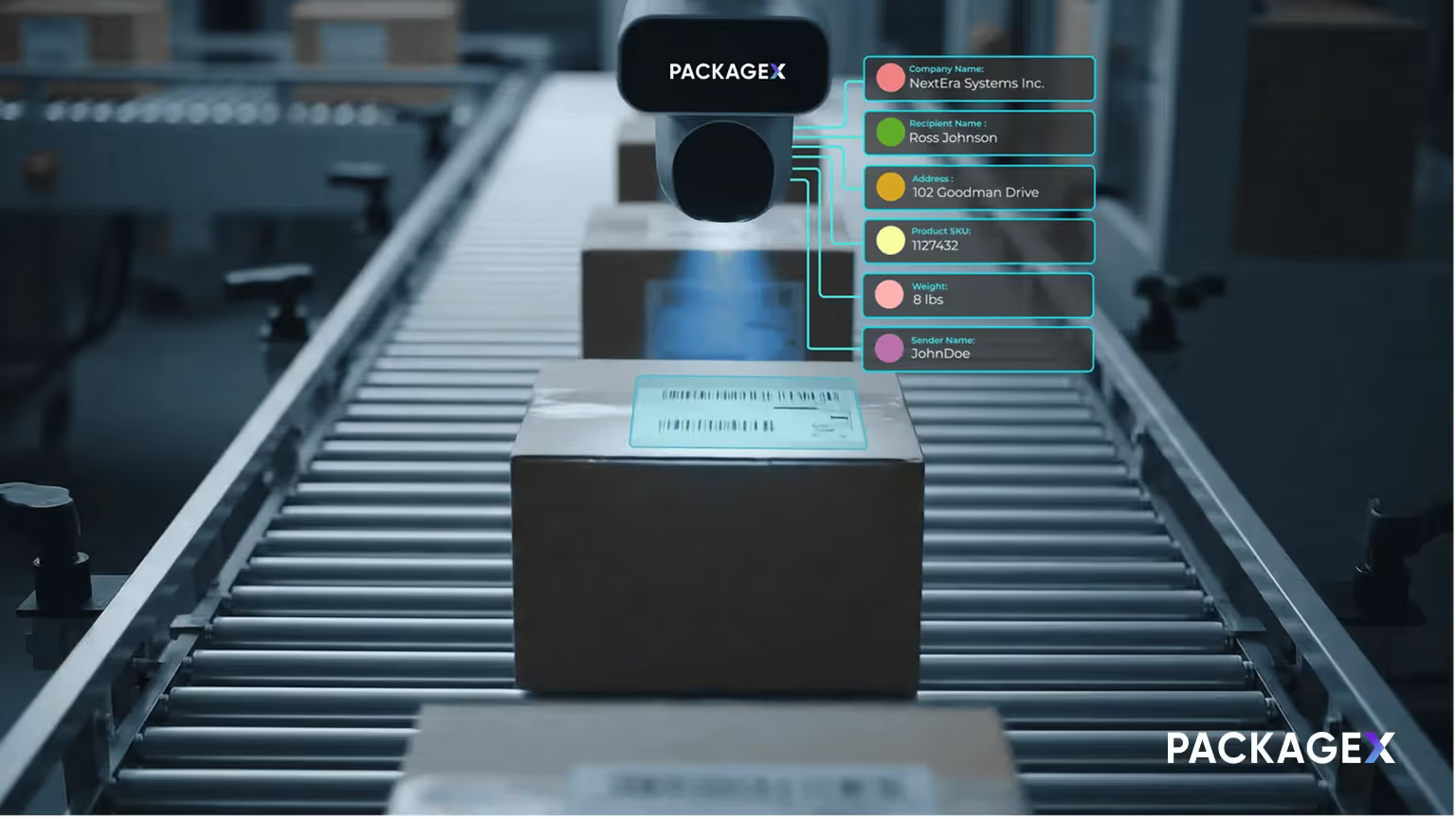
- Automated Invoice Handling: Invoices are captured, verified, and matched to the right request, even when no PO exists. This reduces manual follow-ups and accelerates approvals.
- Real-Time Spend Visibility: Logistics teams gain instant insight into all purchasing activity. PackageX dashboards show approvals, ownership, and budget impact, providing full control and accountability across every transaction.
FAQs
What is a non purchase order?
A non purchase order is a transaction made without issuing a formal purchase order before the purchase. It is commonly used for urgent, low-value, or one-time purchases. Approval and documentation often happen after the purchase instead of before.
What are the 4 types of purchases?
The four common types of purchases are standard purchase orders, blanket purchase orders, contract purchase orders, and non-PO purchases. Each type supports different needs, from recurring spend to urgent or exception-based buying.
What are the risks of non-PO invoices?
Non-PO invoices can create visibility gaps because there is no pre-approved purchase record. This increases the risk of duplicate payments, unauthorized spend, delayed approvals, and audit or compliance issues for teams.
What is a non-standard purchase order?
A non-standard purchase order is used when a purchase does not follow the usual approval or documentation process. It often applies to urgent, unique, or exception-based purchases that require flexibility while still maintaining some level of control.

_.webp)


%20Process%20Flow.webp)

.webp)


.webp)


_-option%202.avif)




.avif)









-min.avif)


.gif)


.avif)


.avif)



.avif)


.avif)
.avif)

.avif)

.avif)
.avif)
.avif)

.avif)
.avif)