In logistics, protecting sensitive information and maintaining control over supply chains is more important than ever. A double blind shipment is an approach that helps businesses safeguard customer relationships, vendor contacts, and pricing strategies while moving goods efficiently.
The demand for secure, traceable systems in shipping is growing rapidly. The blockchain in logistics niche is projected to increase from USD 0.84 billion in 2024 to USD 6.31 billion by 2029, driven by shippers’ need for tamper-proof records and automated processes. Double blind shipping may not rely on blockchain, but it shares the same principle: controlling who can access critical information to protect the integrity of the shipment and the business.
In this blog, we’ll explore what a double blind shipment is and the role of 3PL providers in managing the process. By the end, you’ll understand why this shipping method has become a vital tool for modern supply chains.
What Is a Double Blind Shipment?
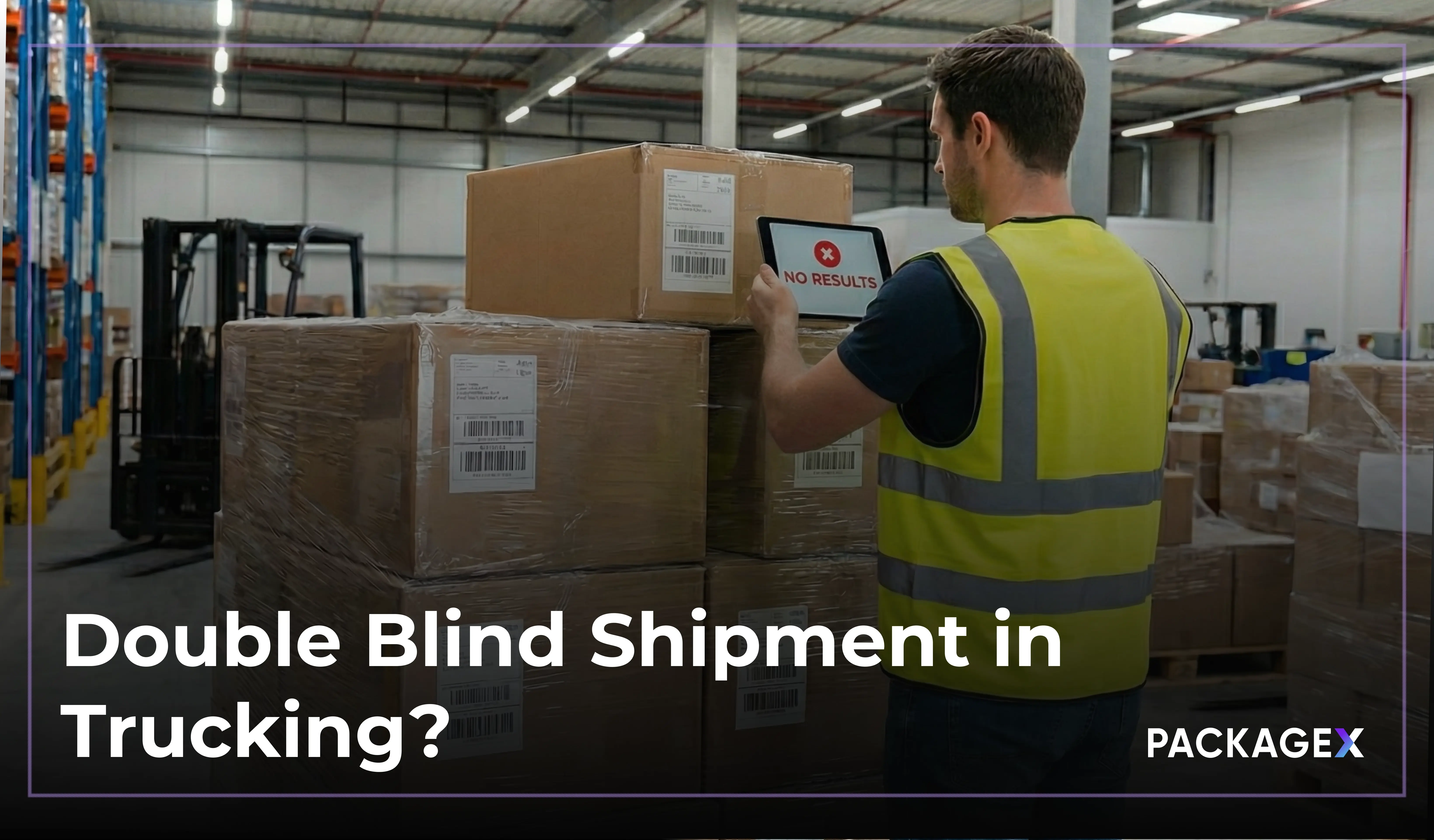
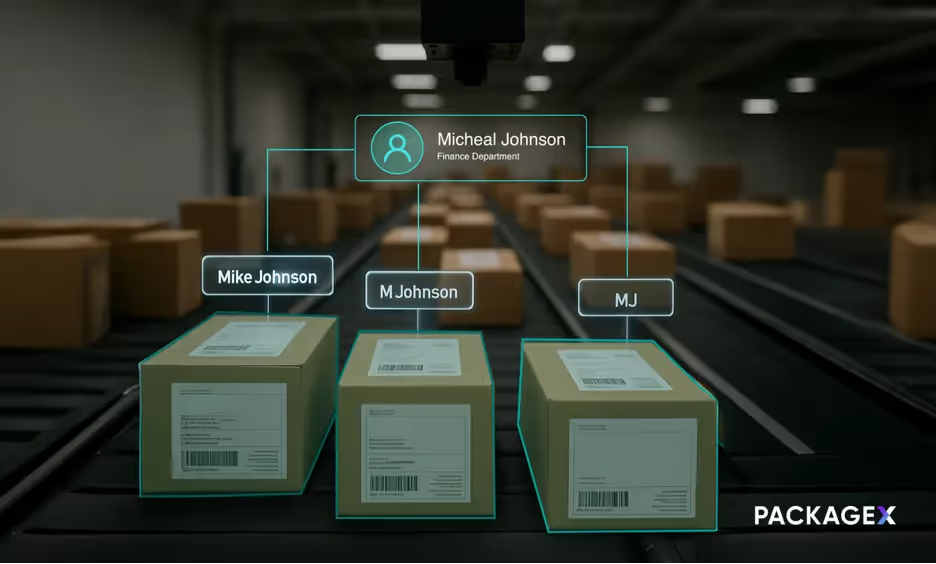
A double blind shipment is a logistics method where neither the shipper nor the receiver knows the other’s identity. This setup keeps both sides’ contact information and location confidential. It is often used to protect business relationships and prevent customers or suppliers from bypassing intermediaries.
In a typical double blind shipment, a third-party logistics provider or freight broker handles the details. The intermediary manages the movement of goods, ensures the correct addresses are used, and coordinates with carriers. This allows the shipper and consignee to stay anonymous while the shipment moves efficiently.
For example, an e-commerce retailer may source products from multiple suppliers across the country. By using a double blind shipment, the retailer ensures that the end customer does not learn the supplier’s location. Similarly, suppliers cannot contact the customer directly, safeguarding the retailer’s business.
Double Blind Shipment Meaning in Logistics
A double blind shipment means both the shipper and the receiver remain anonymous to each other. Unlike regular blind shipping, where only one party’s information is hidden, double blind shipping keeps both ends of the transaction confidential. This ensures shipment anonymity and protects sensitive business relationships.
In practical logistics, this method is common for distributors, e-commerce sellers, and middlemen who want to prevent buyers or suppliers from bypassing them. For example, an online retailer sourcing products from multiple suppliers can ship through a freight broker. The customer receives the package without knowing the original supplier, and the supplier never sees the end buyer.
Modern supply chains rely on this method when relationships, pricing, and proprietary information are at stake. Companies that prioritize logistics confidentiality find double blind shipments an effective tool to keep operations smooth and secure.
How Does a Double Blind Shipment Work?
A double blind shipment is a careful process that keeps both the sender and the receiver anonymous. It sounds complicated, but when broken down, it follows a clear shipping process. Understanding the roles of each party helps make sense of how double blind shipment works.
Step 1: The Shipper
The shipper prepares the package, but doesn’t know the final delivery address. They work with a carrier or a freight broker who manages the next steps. By masking the destination, the shipper can safely send products without revealing the buyer’s identity. This protects both the customer and the seller from unwanted direct contact.
Step 2: The Consignee
On the other end, the consignee receives the shipment without knowing where it originated. They see only the information provided on a separate, modified bill of lading. This ensures the consignee cannot bypass the middleman or contact the original supplier directly. It’s especially useful in e-commerce and dropshipping scenarios where middlemen manage multiple vendors.
Step 3: The Carrier
The carrier is the only party with full visibility. They coordinate freight, ensure the correct items reach the correct destinations, and handle any customs or regulatory paperwork. Their role is critical for accurate shipment setup and freight coordination. Without them, the anonymity and security of the process would fail.
Step 4: The Freight Broker or 3PL
A third-party logistics provider often oversees the shipment from start to finish. They set up the necessary paperwork, track the shipment, and make adjustments if something goes off schedule. By managing all the details, a 3PL ensures the shipping process remains smooth and error-free.
Masking Information on Paperwork
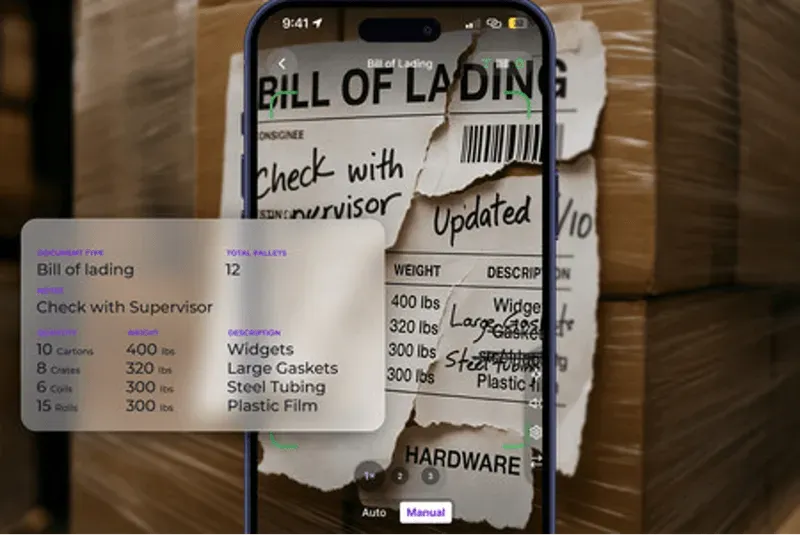
Information is concealed using multiple bills of lading. One document goes to the shipper, another to the consignee, and the final, correct version stays with the carrier. This layered approach keeps identities protected while allowing the freight to move efficiently.
Role of Bills of Lading in a Double Blind Shipment
Bills of Lading, or BOLs, are the backbone of any shipment, and in a double blind shipment, they play an even bigger role. Unlike a standard shipment that usually has one BOL, double blind shipments often require multiple BOLs. Each one serves a specific purpose and ensures the identities of the shipper and the receiver remain confidential.
- Shipper BOL: This version is given to the shipper when the freight is picked up. It hides the final delivery address so the shipper cannot see where the shipment is ultimately going.
- Receiver BOL: Provided at delivery, this BOL conceals the shipper’s identity. The consignee only sees what is necessary to accept the shipment.
- Carrier BOL: The carrier has the complete, accurate information for routing and billing. This ensures the shipment reaches the right destination and keeps documentation compliant.
Accuracy is crucial. Even small errors in modified shipping documents can cause delays, misrouted shipments, or extra fees. Carriers rely on precise documentation to manage logistics efficiently. Mistakes can lead to lost time and unnecessary costs, especially when multiple BOLs are involved.
Using multiple BOLs correctly protects your business, prevents disintermediation, and keeps the entire shipping process smooth and professional.
Why Businesses Use Double Blind Shipments?
Double blind shipments help businesses keep their relationships secure. By hiding the identities of both the shipper and the buyer, companies can protect sensitive connections with vendors and clients. This approach prevents disintermediation, meaning a supplier cannot bypass a middleman to sell directly to a customer.
Companies also use double blind shipping to maintain control over pricing. If a customer knew the original supplier, they might try to negotiate a lower price. By keeping the shipping process confidential, businesses ensure their margins stay intact.
This method also safeguards proprietary information. Customer lists, vendor contacts, and other sensitive details stay private. For example, an online retailer sourcing unique products from small manufacturers can prevent these manufacturers from directly contacting buyers or undercutting pricing.
Key benefits include:
- Protecting business relationships with vendors and clients
- Maintaining customer anonymity throughout the shipping process
- Ensuring confidential shipping and vendor protection
- Preventing unauthorized contact between buyers and suppliers
In industries like e-commerce, dropshipping, and white-label fulfillment, double blind shipments are especially valuable. They create a secure, professional process while reducing the risk of information leaks or pricing disputes.
Industries That Commonly Use Double Blind Shipping
Double-blind shipments play a key role in several industries where privacy and confidentiality are essential.
E-commerce
Online retailers often rely on double blind shipments to protect their supply chains. For example, a store selling limited-edition sneakers may use this method to prevent customers from contacting the supplier directly. This ensures the supplier maintains pricing control and the retailer retains repeat business. Using double blind shipments in e-commerce logistics also reduces the risk of stock leaks or unauthorized reselling.
Dropshipping and White-Label Businesses
Dropshippers and white-label sellers often work with multiple suppliers across the country or globe. Double blind shipping keeps the supplier and buyer identities separate. This protects the seller’s relationships and prevents competitors from poaching customers. In dropshipping fulfillment, it also simplifies operations by letting a third-party logistics provider handle shipping without revealing sensitive details.
Retail Distribution and 3PL Services
Large retail chains and distributors use double blind shipments to manage high-volume deliveries efficiently. Third-party logistics providers (3PLs) coordinate shipments, track packages, and maintain anonymity between the retailer and supplier. This keeps the supply chain secure while streamlining logistics.
Across these industries, double blind shipments are a practical solution for maintaining trust and operational efficiency in complex supply chains.
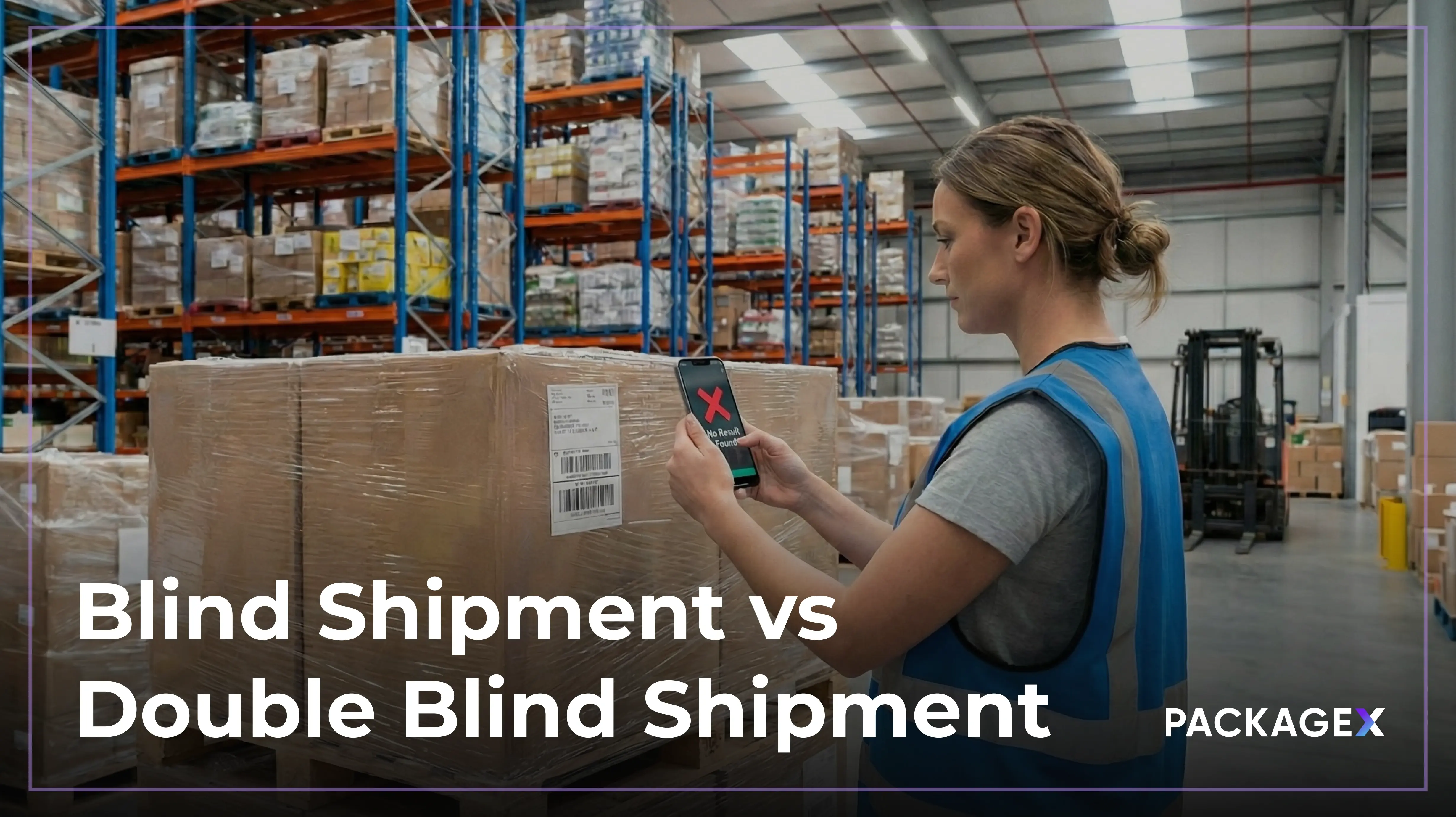
Double Blind Shipment vs Blind Shipment
Shipping methods can get confusing. Two terms that often come up are blind shipment and double blind shipment. While they sound similar, the differences can have a big impact on your business and supply chain.
A blind shipment hides only one side of the transaction. Typically, the buyer doesn’t see the supplier, or the supplier doesn’t see the buyer. This can protect customer relationships and keep pricing confidential, but one party still knows where the shipment is coming from or going to.
A double blind shipment goes a step further. Both the shipper and the receiver remain anonymous. Only the intermediary, like a 3PL or freight broker, knows the full details. This added layer of confidentiality prevents middlemen from being bypassed and keeps pricing, vendor contacts, and client lists secure.
Choosing which method to use depends on your goals. If you mainly need to protect pricing or a single side of the supply chain, a blind shipment might be enough. If you’re managing high-value inventory or want complete anonymity, a double blind shipment is usually the better choice.
How a 3PL Helps Manage Double Blind Shipments?
Working with a third-party logistics provider can make double blind shipments much easier. They act as a trusted middleman, handling complex details so you don’t have to.
- Expert freight broker support: A skilled broker ensures every shipment is set up correctly, including multiple bills of lading. They know how to prevent mix-ups between the shipper and consignee.
- Documentation control: All shipping papers are carefully managed. This keeps sensitive information secure and ensures carriers have the right details at every stage.
- Carrier coordination: 3PLs work closely with carriers to schedule pickups, deliveries, and tracking. This reduces delays and keeps your shipments moving smoothly.
- Error prevention: From missing documents to misrouted freight, a logistics partner spots potential issues before they become problems. Their experience protects your supply chain and client relationships.
With a reliable 3PL, double blind shipments run efficiently and securely.
Why 3PLs Choose PackageX for Secure Double Blind Shipments?
Leading 3PLs rely on PackageX to manage double blind shipments with precision, speed, and total confidentiality. The platform ensures that sensitive shipper and consignee information remains protected while maintaining full shipment visibility for the logistics provider.
- Centralized Shipment Control: Manage all blind and double blind shipments from a unified dashboard with automated document handling.
- Secure Data Management: Keep shipper, consignee, and routing data encrypted and accessible only to authorized personnel.
- Smart BOL Automation: Automatically generate and manage multiple Bills of Lading to ensure accuracy and compliance.
- End-to-End Tracking: Gain real-time visibility into every shipment’s location, status, and handoff without revealing identities.
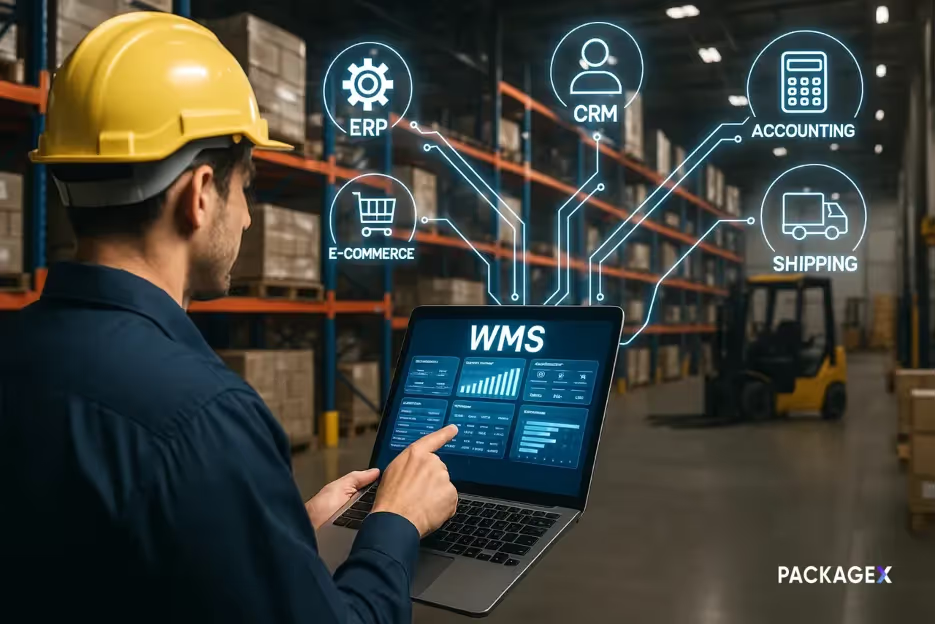
- Seamless API Integration: Connect effortlessly with ERPs, WMS, and TMS platforms to streamline workflows and scale with confidence.
FAQs
Are blind shipments legal?
Yes, blind and double blind shipments are completely legal as long as they comply with transportation and trade regulations. Carriers and 3PLs must ensure accurate documentation, even if certain details are masked. The key is maintaining transparency with authorities while protecting business confidentiality.
Can blind shipments be tracked?
Yes, blind shipments can still be tracked by the carrier or 3PL managing them. Although the shipper and receiver don’t see each other’s details, tracking numbers and internal systems ensure full visibility for logistics coordination and delivery confirmation.
Who benefits most from double blind shipping?
Distributors, e-commerce sellers, and 3PLs benefit the most because it protects their business relationships. By keeping both parties anonymous, they can prevent direct contact, safeguard pricing, and maintain control over their supply chain.


%20Process%20Flow.webp)

.webp)


.webp)


_-option%202.avif)


.avif)


-min.avif)


.avif)


.avif)



.avif)


.avif)
.avif)
.avif)
.avif)
.avif)
.avif)
.avif)
.avif)