Every shipment has a starting point. In logistics, that starting point is often the receiving dock. It is the place where trucks arrive, goods are unloaded, and inventory officially enters the supply chain. When this process works well, warehouses stay organized, and orders are delivered on time. When it does not, delays and errors follow quickly.
Understanding the receiving dock meaning is becoming more important as logistics operations grow more complex. The global docks market size is expected to reach USD 2.27 billion by 2030, growing at a CAGR of 3.5%. That growth reflects how critical dock receiving has become for modern distribution centers.
From a warehouse receiving dock to a busy shipping and receiving dock, this area sets the pace for the entire operation. In this guide, we break down what a receiving dock is, how it works, and why it matters in logistics.
What is a Receiving Dock in Logistics?
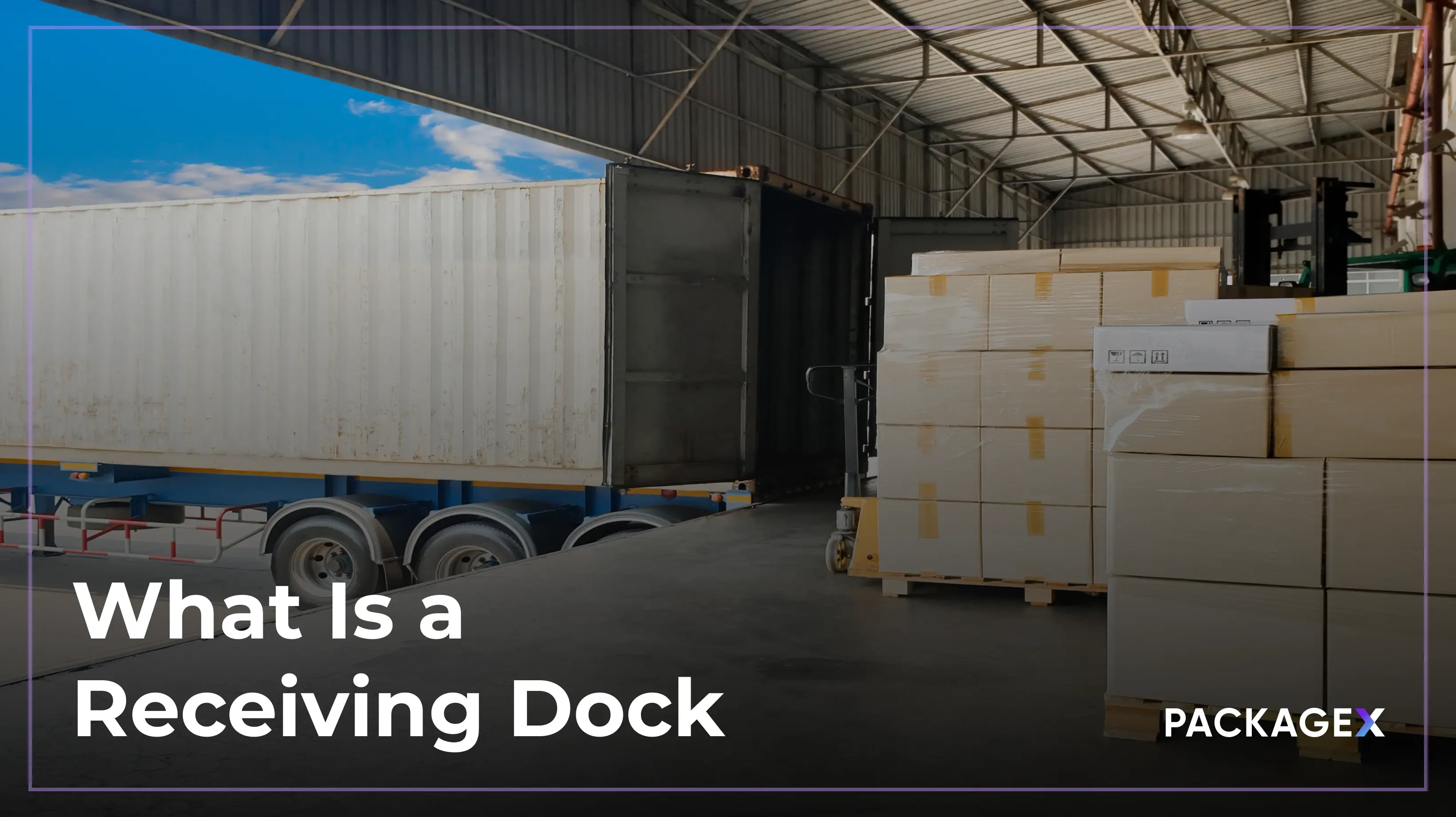
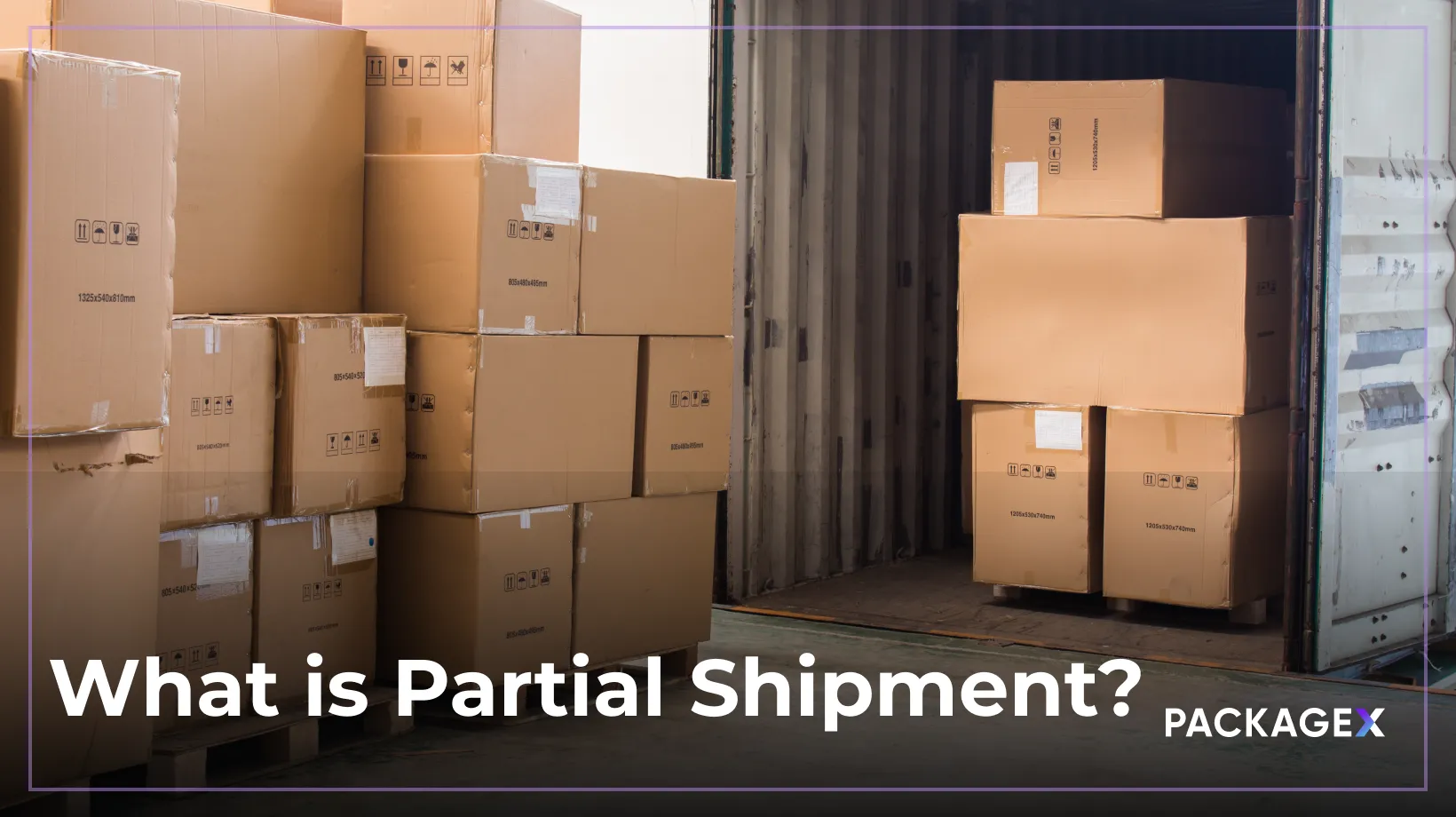
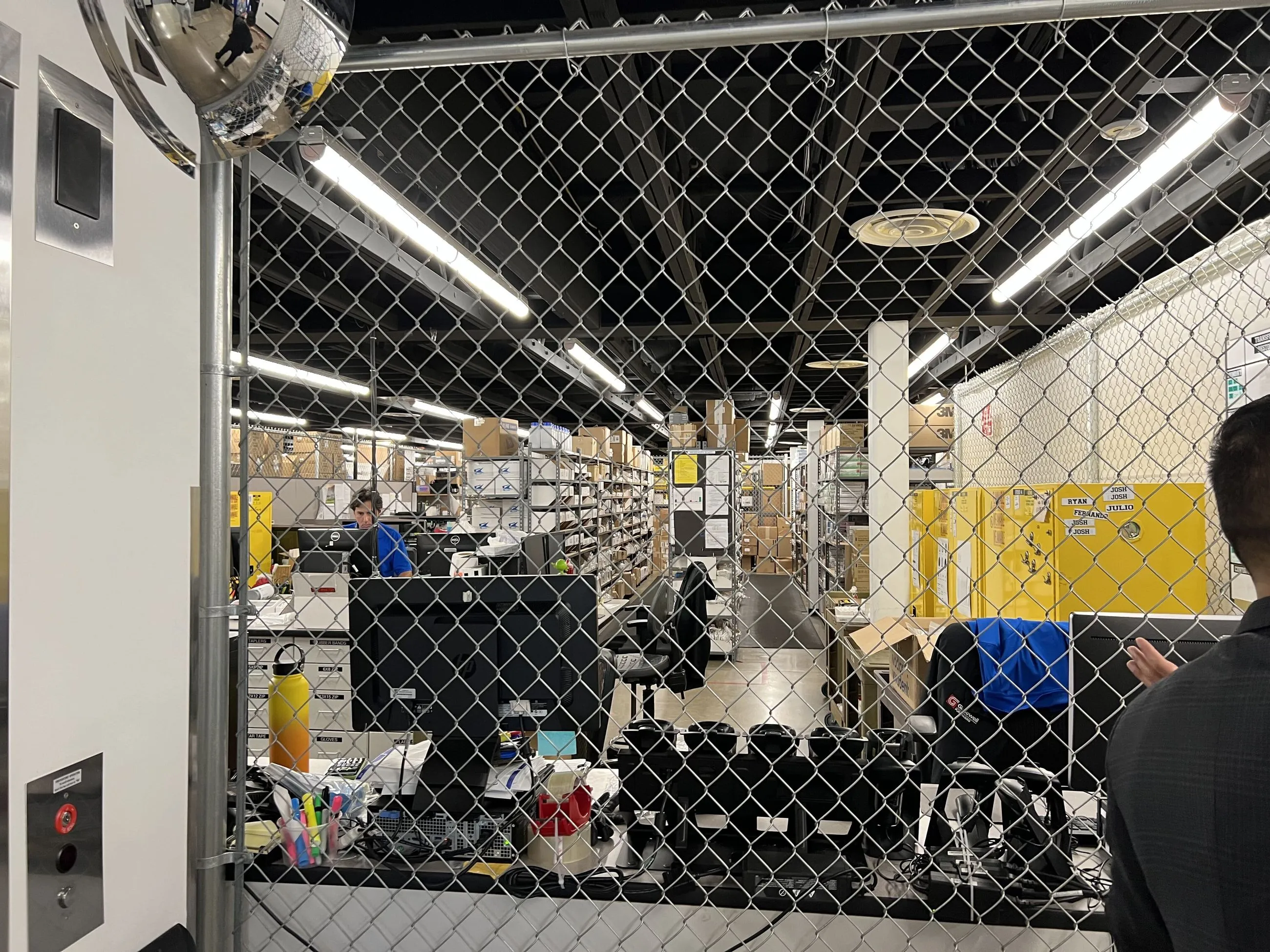
A receiving dock is the area of a warehouse distribution center where inbound goods first arrive. In simple terms, it is the point where carriers deliver products and the business officially takes possession of them. If you are asking what a receiving dock in logistics is, it is the physical gateway between transportation and warehouse operations.
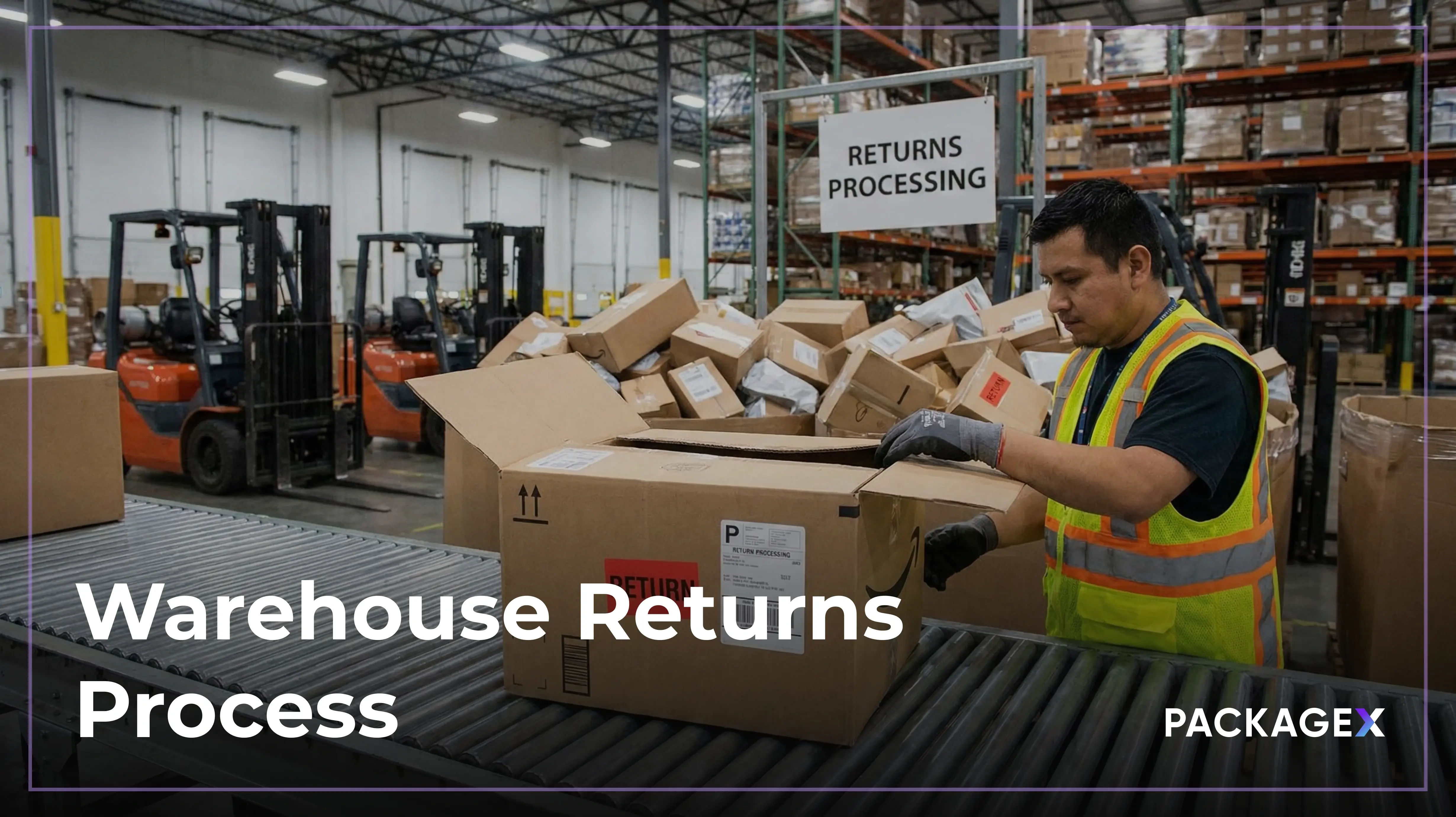
The receiving dock’s meaning goes beyond just unloading trucks. This is where shipments are checked against purchase orders, counted, inspected for damage, and logged into inventory systems. A pallet that enters through the receiving dock sets the tone for everything that follows, from storage accuracy to on-time order fulfillment.
In a busy warehouse, the receiving dock keeps materials moving without delays. When this area is organized and well managed, trucks spend less time waiting, workers stay productive, and inventory errors drop.
Role of a Receiving Dock in Logistics
Core Functions of a Receiving Dock
- Unloading and transfer
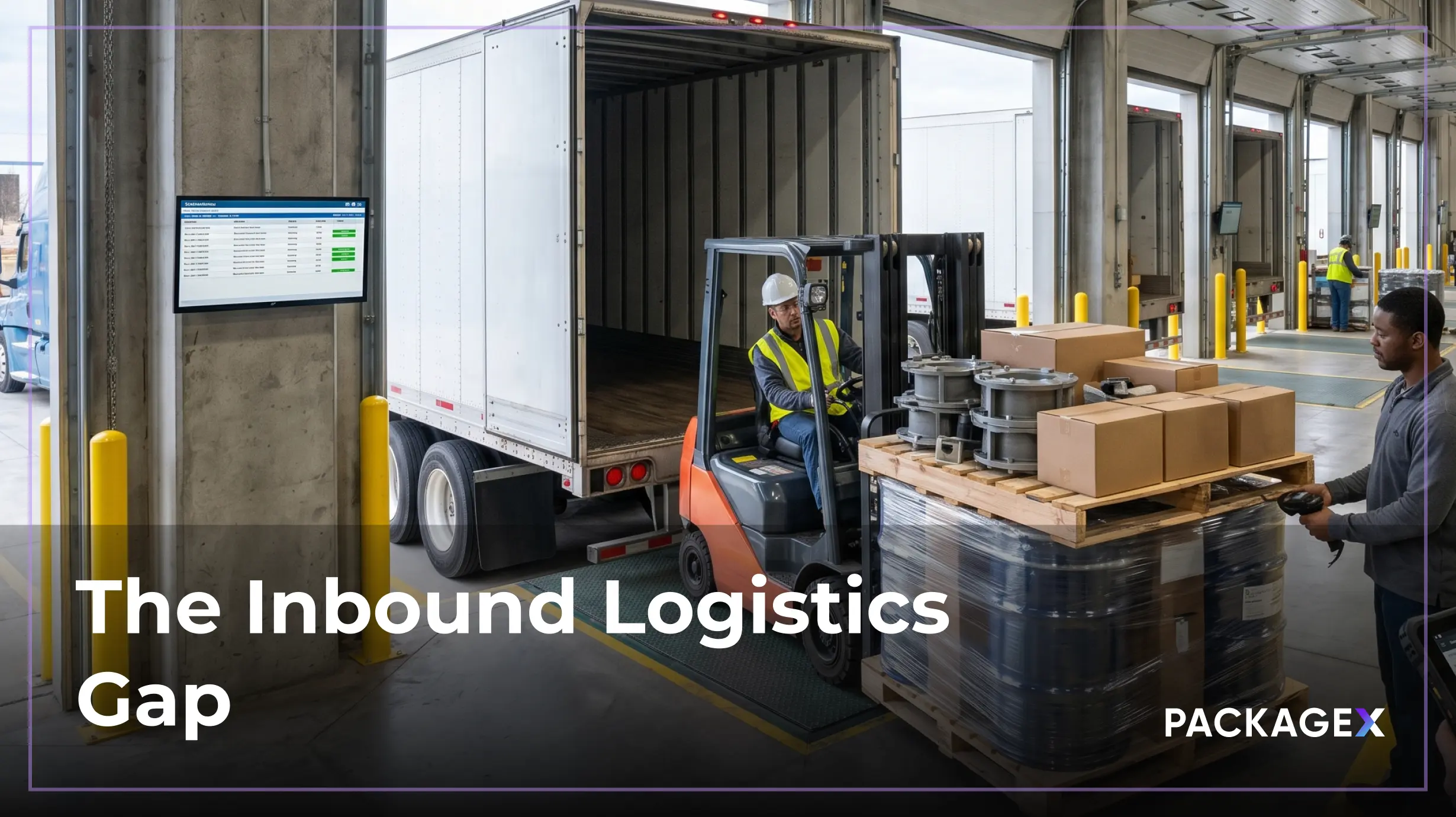
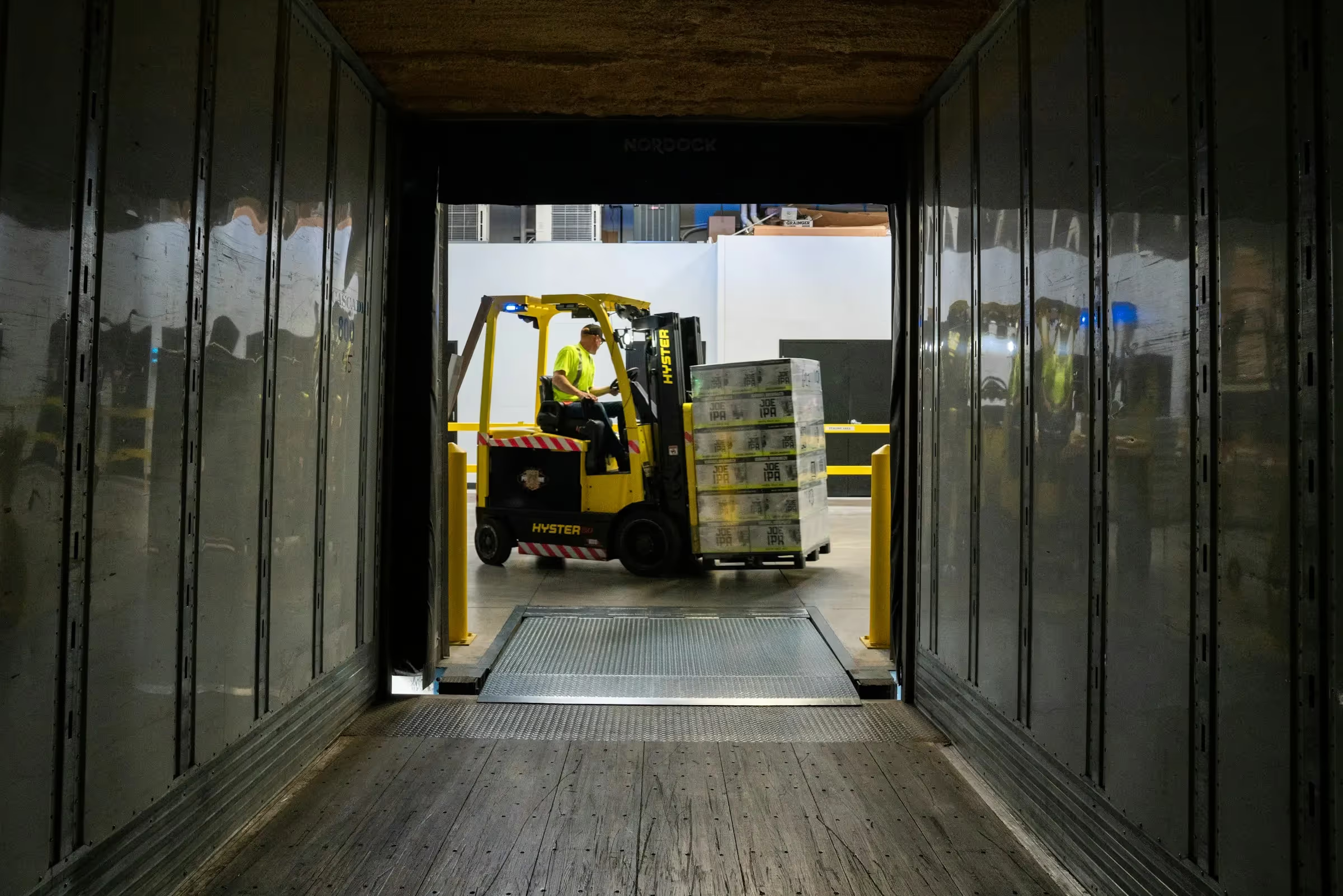
The receiving dock is where inbound trucks are unloaded and goods are transferred into the facility. Forklifts, pallet jacks, and dock plates are used to move freight safely from trailers into the receiving dock area. This step sets the pace for everything that follows. - Verification and inspection
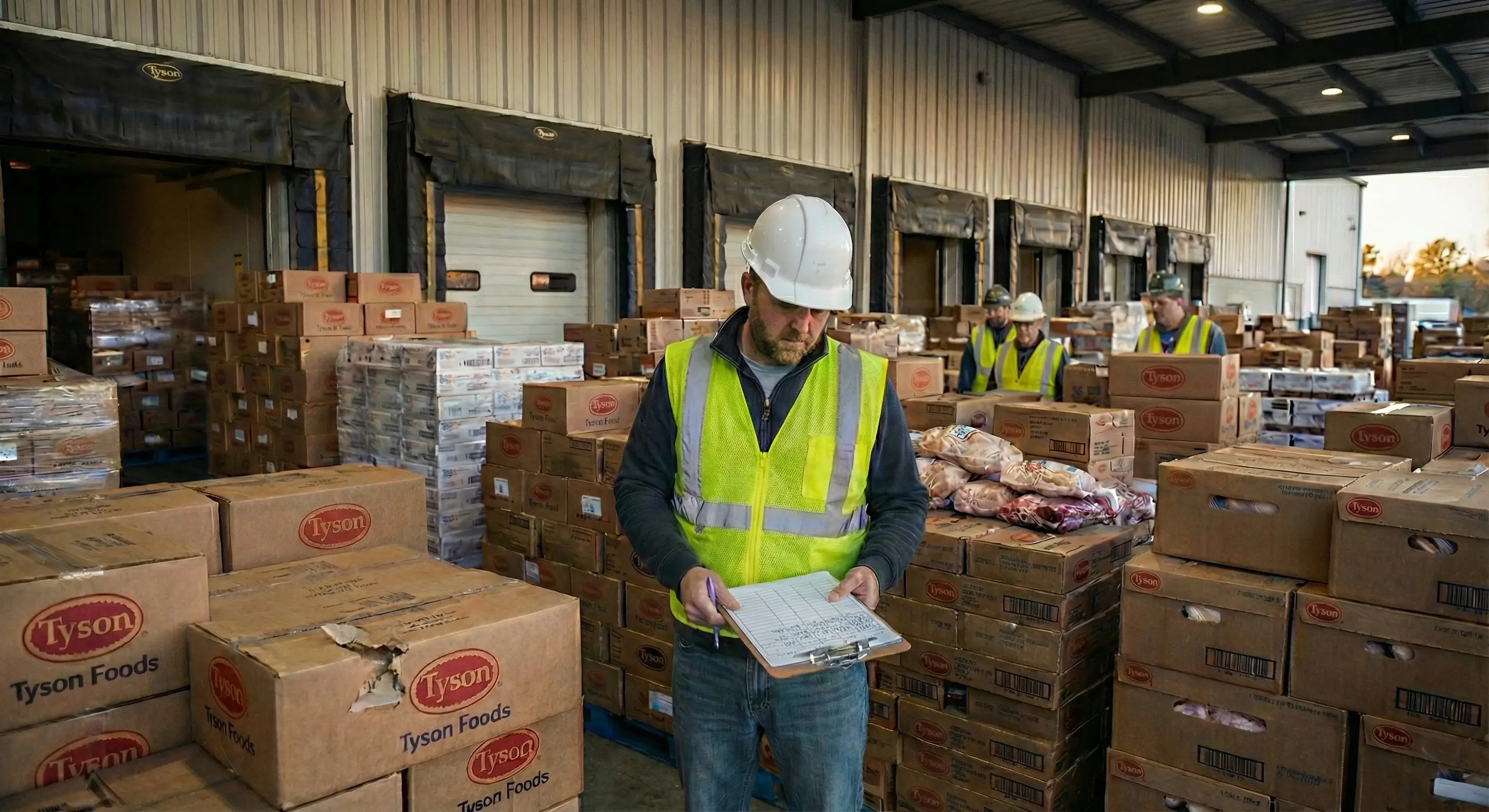
During dock receiving, shipments are checked against purchase orders. Teams confirm quantities, inspect for visible damage, and flag missing or incorrect items. In a dock receiving warehouse, catching errors here prevents costly inventory management problems later. - Inventory recording
Once verified, received items are logged into the inventory system. Accurate updates at this stage protect data integrity across the warehouse and help prevent stock discrepancies. - Sorting and routing
Goods are sorted for putaway, staging, or cross-docking. Some items move directly to outbound shipping, while others are sent to storage locations.
Why the Receiving Dock Matters in the Supply Chain
- Prevents operational bottlenecks
A slow or disorganized receiving dock can back up trucks, labor, and floor space, impacting the entire warehouse. - Improves accuracy and efficiency
Clear receiving dock procedures ensure the right products enter the system, supporting smooth downstream operations and reliable order fulfillment.
Receiving Dock vs Loading Dock vs Shipping Dock
While these terms are often used interchangeably, they serve different purposes inside a warehouse receiving dock and across the broader logistics operation.
Receiving dock
A receiving dock is dedicated to inbound logistics. This is where dock receiving happens when carriers deliver goods to the facility. Teams unload trucks, inspect shipments, verify quantities, and update inventory records. The focus here is accuracy and control. If mistakes occur at this stage, they affect every downstream process. In a dock receiving warehouse, this area is usually located close to inspection zones and short-term staging areas.
Loading dock
A loading dock is designed for outbound movement. Products that have already been picked, packed, and staged leave the building from here. While the physical setup may look similar, the workflow is different. Speed and coordination with outbound carriers matter more than inspection. A receiving loading dock setup may serve both inbound and outbound traffic, but only with clear scheduling and traffic separation.
Shipping dock
A shipping and receiving dock combines both functions in one area. Smaller warehouses often rely on this model to save space. The challenge is avoiding congestion. In busy operations, mixing inbound and outbound traffic without strict procedures can slow down the entire warehouse receiving dock and increase handling errors.
Understanding these differences helps businesses design docks that support smooth logistics flow rather than create bottlenecks.
Where the Receiving Dock Fits in a Warehouse
The receiving dock is the starting point for every shipment that enters a warehouse. It’s where goods first arrive, and its efficiency sets the tone for the entire operation. A well-organized warehouse receiving dock ensures that inventory moves smoothly from trucks to storage areas without delays.
Distribution Center Flow
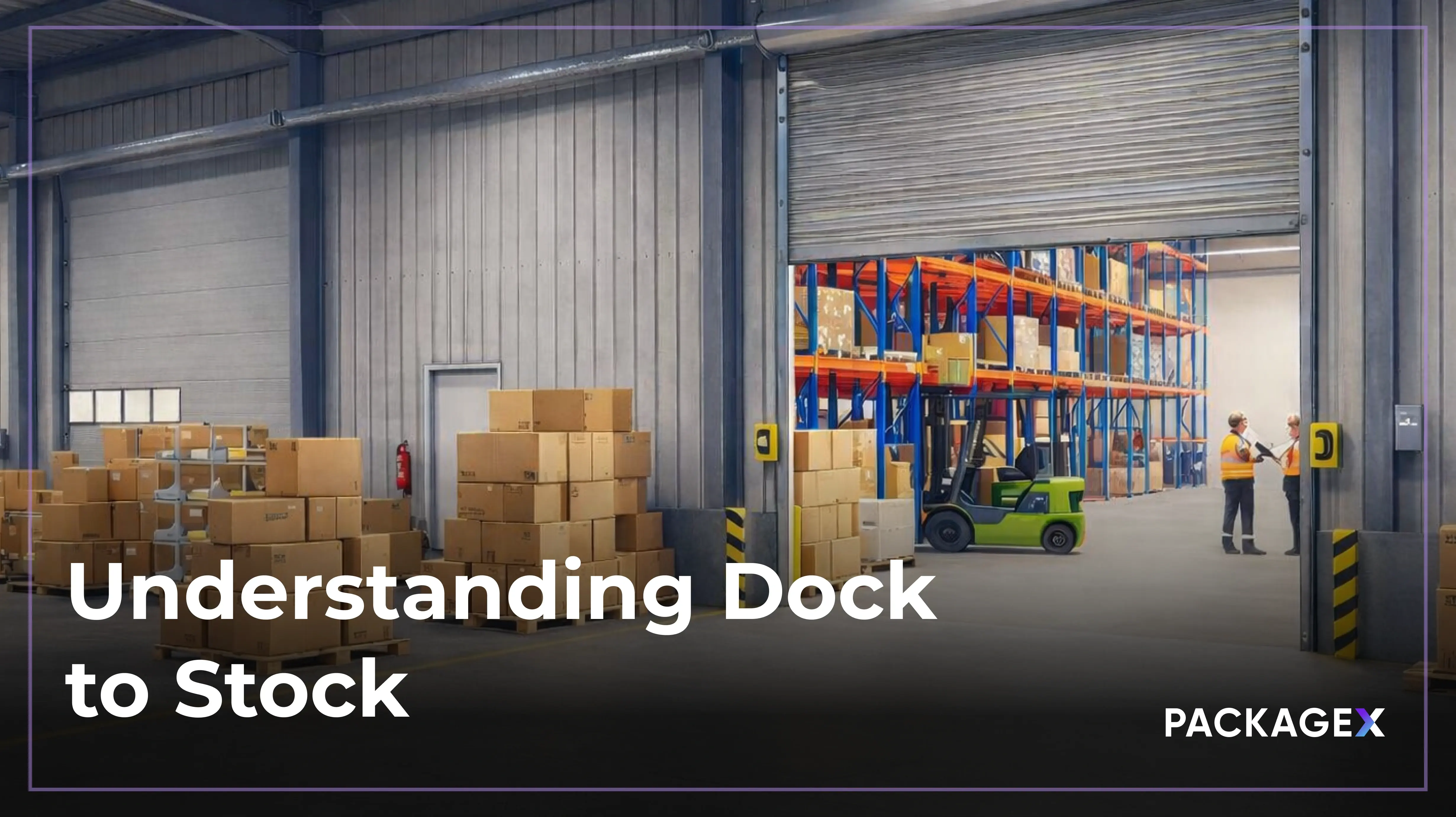
In most distribution centers, the receiving dock area acts as the first touchpoint in the supply chain. Trucks pull up to the dock, and staff unload pallets or boxes. This process marks the official start of the dock receiving warehouse operations. A delay here can ripple throughout the warehouse, affecting storage, picking, and shipping.
First Touchpoint of Inventory
Every item passes through the receiving dock. Staff check shipments against purchase orders, inspect for damage, and update inventory control systems. For example, a busy e-commerce warehouse may process hundreds of shipments a day. If items are misplaced at the dock, order fulfillment slows, and errors increase.
Connection to Storage and Picking
After inspection, items are routed to storage locations or picking zones. The receiving dock ensures products reach the right areas efficiently. Clear labeling, organized layouts, and proper equipment in the receiving dock area help staff move inventory quickly and safely.
Receiving Dock Layout and Design Considerations
The layout of a receiving dock can make or break warehouse efficiency. It’s not just about where trucks park. Thoughtful design improves workflow and keeps employees safe.
Indoor vs Outdoor Docks
Indoor docks protect goods from the weather. They are ideal for sensitive inventory like electronics or pharmaceuticals. Outdoor docks can handle bulk shipments and oversized items. Many warehouses use a combination depending on the types of shipments they receive.
Traffic Flow
Organizing truck movement is key. Clearly marked lanes and dock numbering help drivers get back in quickly. Proper flow prevents congestion and reduces delays. For example, UPS uses a standardized system in its receiving docks to keep trucks moving efficiently.
Dock Height and Spacing
The height of the dock should match the trailer floors. Dock plates or levelers bridge small gaps and ensure forklifts can move safely. Spacing between docks allows multiple trucks to unload at the same time without interfering with each other.
Specialized Layouts
Some warehouse operations have unique needs. An underwater receiving dock, for example, handles shipments directly from boats or barges. These layouts require careful planning for equipment, safety, and dock traffic. Overall, investing time in smart receiving dock design improves speed, safety, and accuracy.
Key Receiving Dock Equipment and Infrastructure
A well-equipped receiving dock keeps operations smooth. Without the right tools, unloading slows, errors increase, and safety risks rise.
Essential Tools
Forklifts, pallet jacks, and conveyors are the backbone of warehouse logistics. They help move pallets quickly from trucks to storage areas. A dock receiving area should have the right mix based on shipment volume and types of goods.
Dock Plates and Levelers
Dock plates are small but vital. They bridge the gap between the dock and truck, allowing forklifts move safely. Levelers adjust for different trailer heights. Together, they prevent equipment damage and product loss.
Safety and Efficiency Tools
Signs, mirrors, and reflective guides keep drivers and workers safe. Receiving dock signs mark lanes, speed limits, and safety zones. Mirrors and sensors help trucks align correctly, reducing delays. Using the right infrastructure ensures materials move faster while protecting employees and equipment.
Standard Receiving Dock Procedures
Every warehouse has a rhythm when it comes to receiving goods. Following consistent receiving dock procedures ensures nothing slips through the cracks and inventory flows smoothly.
Truck Arrival
When a carrier arrives at the warehouse receiving dock, the first step is proper check-in. Drivers provide shipment details and delivery paperwork. Some warehouses use dock scheduling systems to avoid congestion. This keeps multiple trucks from waiting in line and blocking the dock area.
Unloading
Once cleared, the unloading process begins. Forklifts, pallet jacks, and dock plates are used to safely move goods. Staff follow established dock receiving protocols to prevent damage. For example, fragile items might be unloaded first or handled separately to reduce risk.
Inspection
Every shipment gets a quick inspection. Teams check quantities against the purchase order, verify product condition, and note any discrepancies. This step prevents inventory errors later and ensures quality control.
Documentation
Recording what arrives is just as important as unloading it. Warehouse personnel update inventory systems, note damaged items, and file delivery receipts. Digital scanning tools can speed up this step and reduce human error.
Inventory Updates
After inspection and documentation, the items move into storage or the staging area for picking. Accurate updates in the warehouse management system keep inventory counts precise and help with order fulfillment.
Receiving Dock Best Practices for Efficiency and Safety
Running a receiving dock smoothly takes planning, training, and the right tools. These best practices help balance speed with safety.
Balance Speed and Accuracy
It’s tempting to rush unloading, especially during peak shipments. But accuracy matters more. A few minutes spent verifying goods can prevent hours of corrections later. Staff should follow standardized workflows while staying mindful of timing.
Prevent Damage
Proper handling prevents broken or damaged goods. Use dock plates correctly, secure loads on forklifts, and separate fragile shipments. Clear signs and marked areas in the receiving dock area help guide workers and reduce accidents.
Train Staff Thoroughly
Staff should know how to operate equipment safely, follow dock receiving procedures, and respond to unexpected issues. Regular refreshers and safety drills improve efficiency while reducing risks.
Use Scheduling and WMS Tools
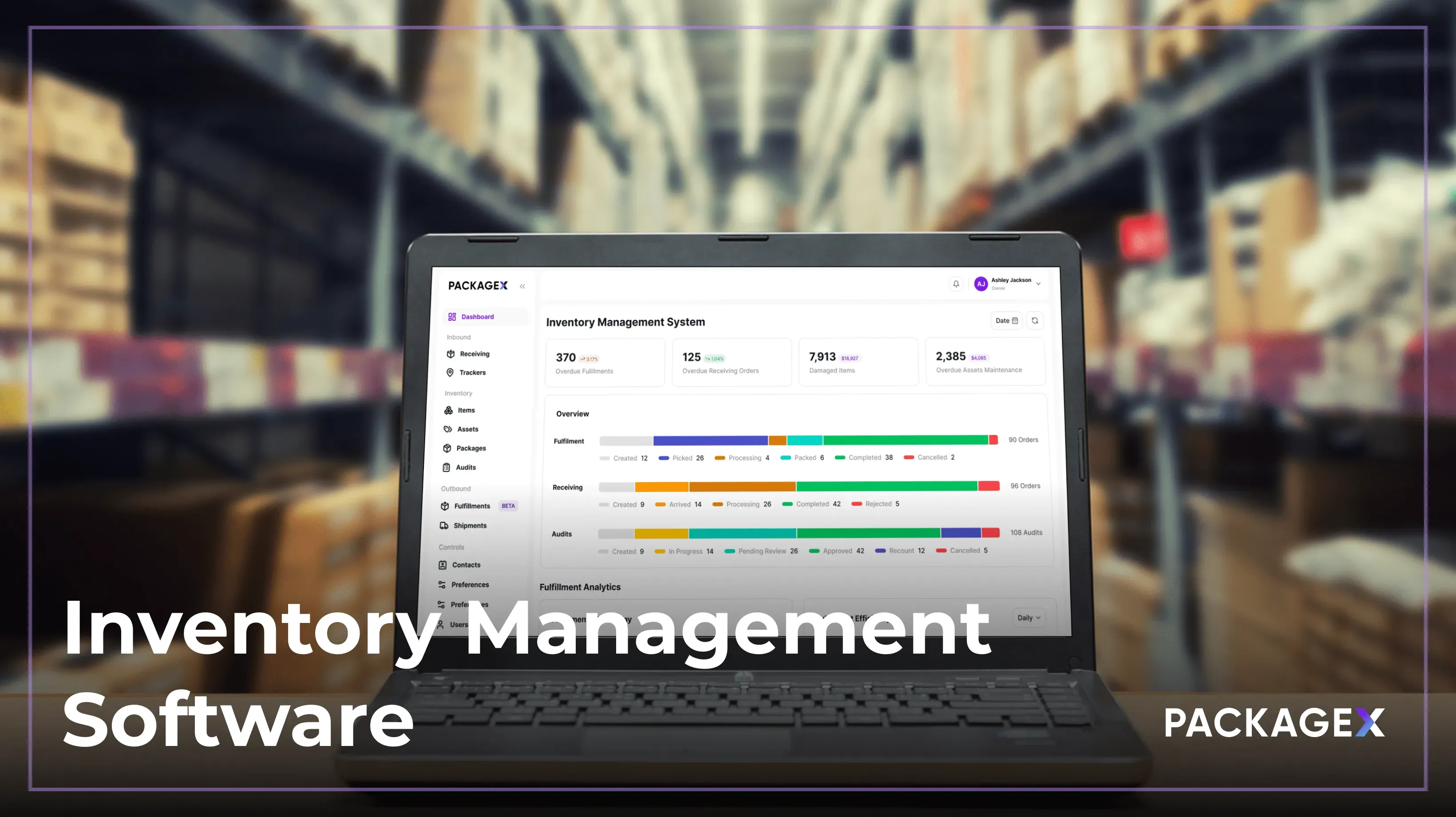
Scheduling deliveries can prevent bottlenecks at the warehouse receiving dock. Pairing this with a warehouse management system ensures inventory updates happen in real-time. This makes it easier to track shipments, manage space, and coordinate downstream operations.
Following these receiving dock best practices creates a more reliable workflow that benefits the entire supply chain.
Common Receiving Dock Challenges (and How to Fix Them)
1. Congestion at the Dock
Receiving dock areas can get crowded, especially during peak shipment hours. Trucks arriving at the same time can block each other, slowing down the entire warehouse flow. A clear receiving dock layout with marked lanes and designated waiting zones can help reduce bottlenecks. For example, UPS distribution centers often stagger truck arrivals to keep traffic moving smoothly.
2. Labor Shortages
Fewer hands on deck can create delays in unloading and checking incoming goods. Cross-training staff for multiple tasks and using scheduling software can help maintain efficiency even when staffing is low.
3. Equipment Mismatch
Forklifts, pallet jacks, and receiving dock equipment need to match the dock design. Misaligned dock plates or wrong-level trucks can slow unloading and increase wear on machinery. Regular equipment audits prevent these problems.
4. Safety Risks
Slips, falls, and mishandling of pallets are common hazards. Clear signage, proper training, and well-planned receiving dock design reduce accidents and protect employees.
Final Thoughts:
A strong warehouse receiving dock is a balance of safety, efficiency, and proper equipment. Keeping layouts clear, staff trained, and processes consistent ensures smooth operations.
Following dock best practices, such as scheduled maintenance, clear signage, and standardized unloading procedures, reduces errors and downtime. Investing in planning and systems upfront makes daily operations easier and keeps goods moving without delays. A well-optimized dock sets the foundation for a productive warehouse and a reliable supply chain.
How PackageX Enhances Receiving Dock Operations?
Here’s how PackageX helps warehouses modernize and optimize their receiving dock workflows:
AI-Driven Data Capture:
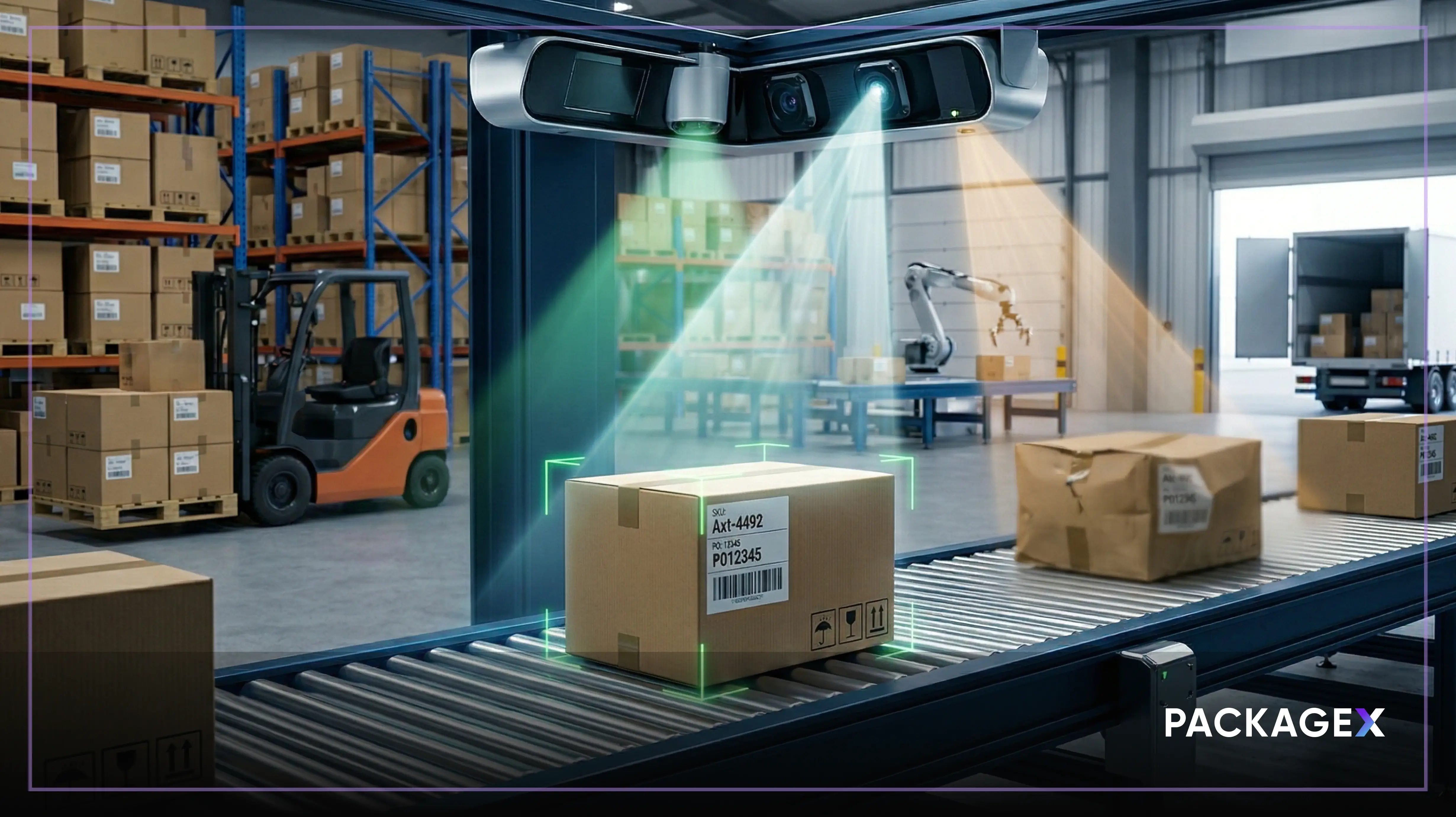
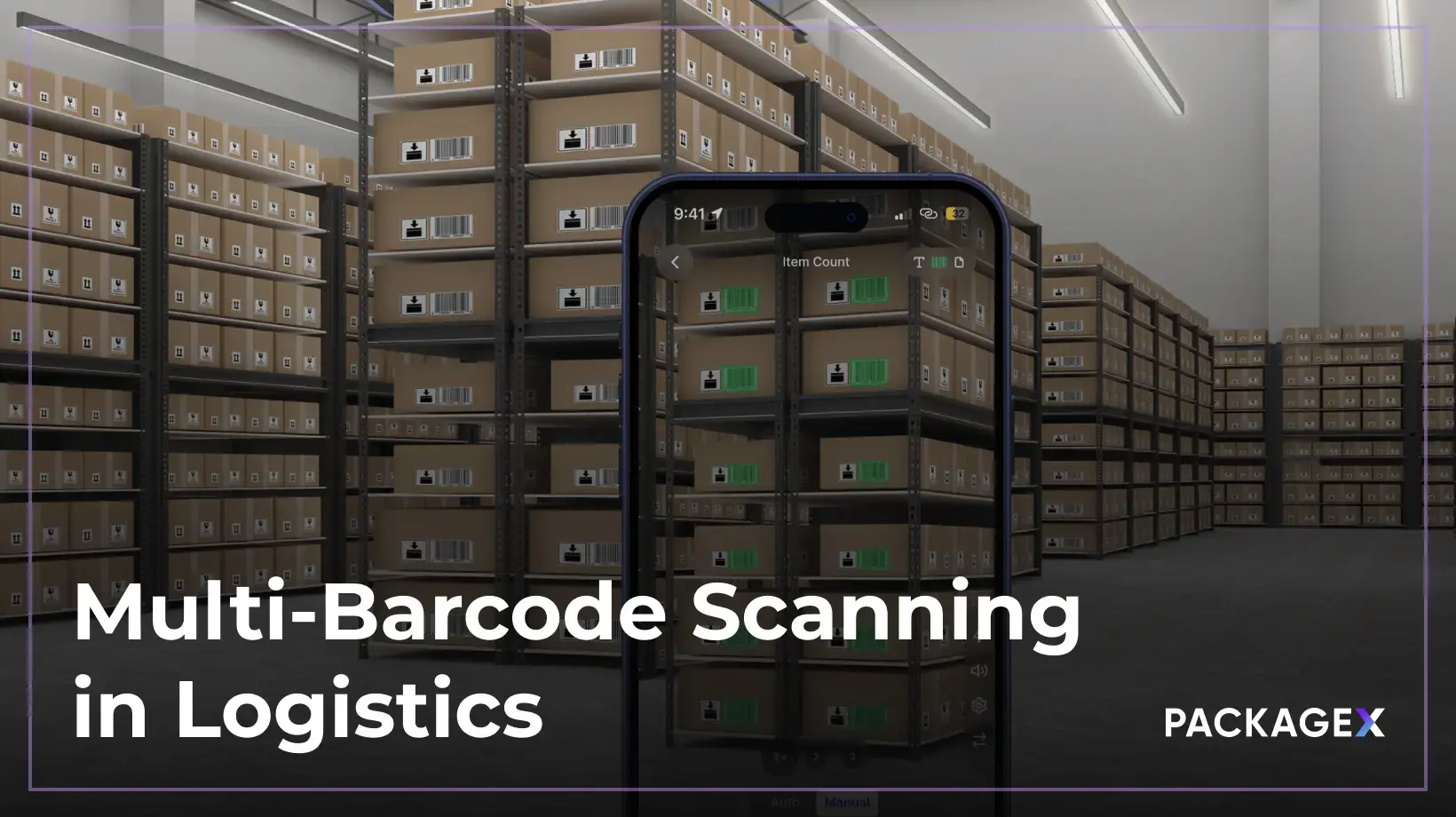
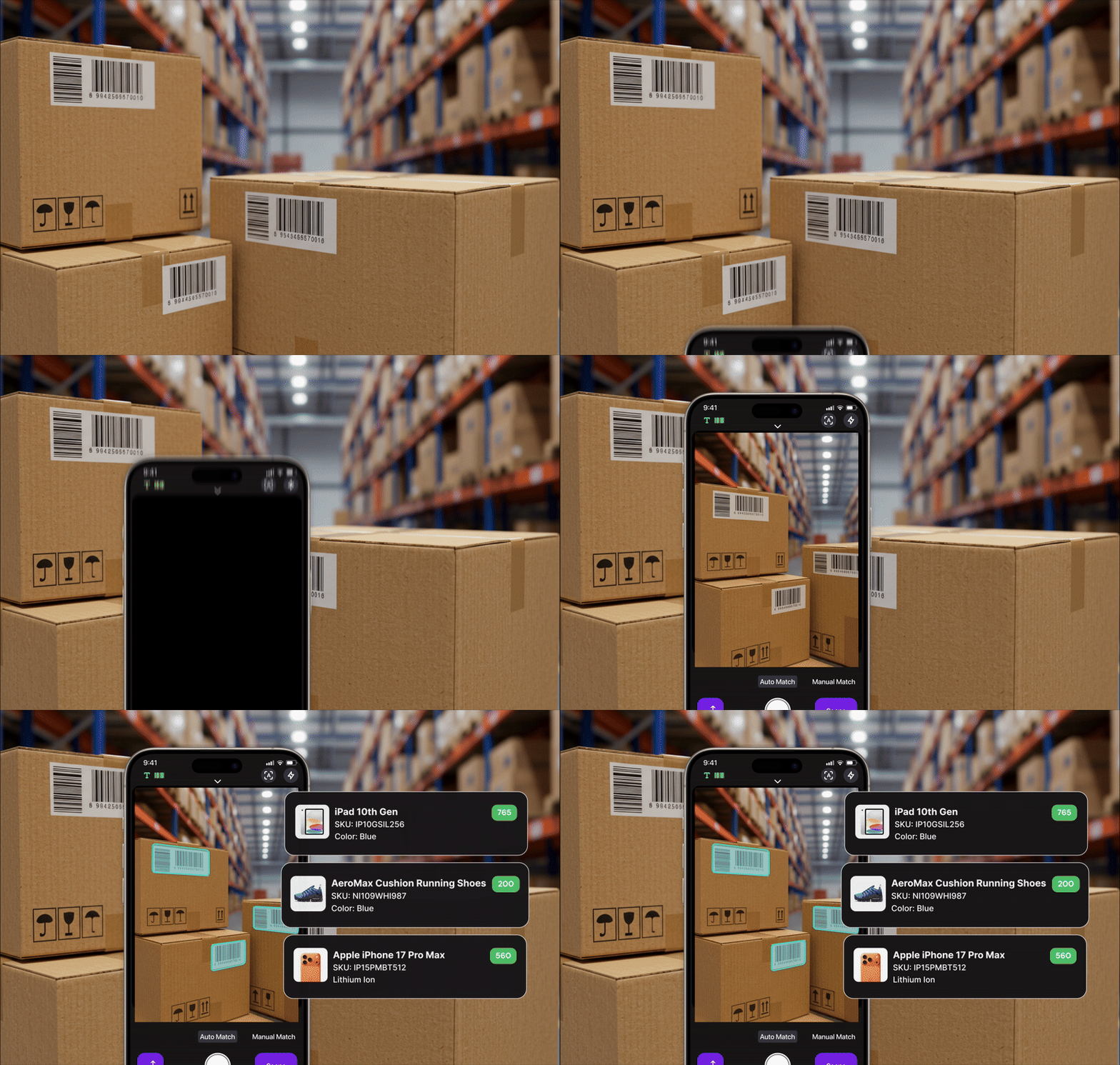
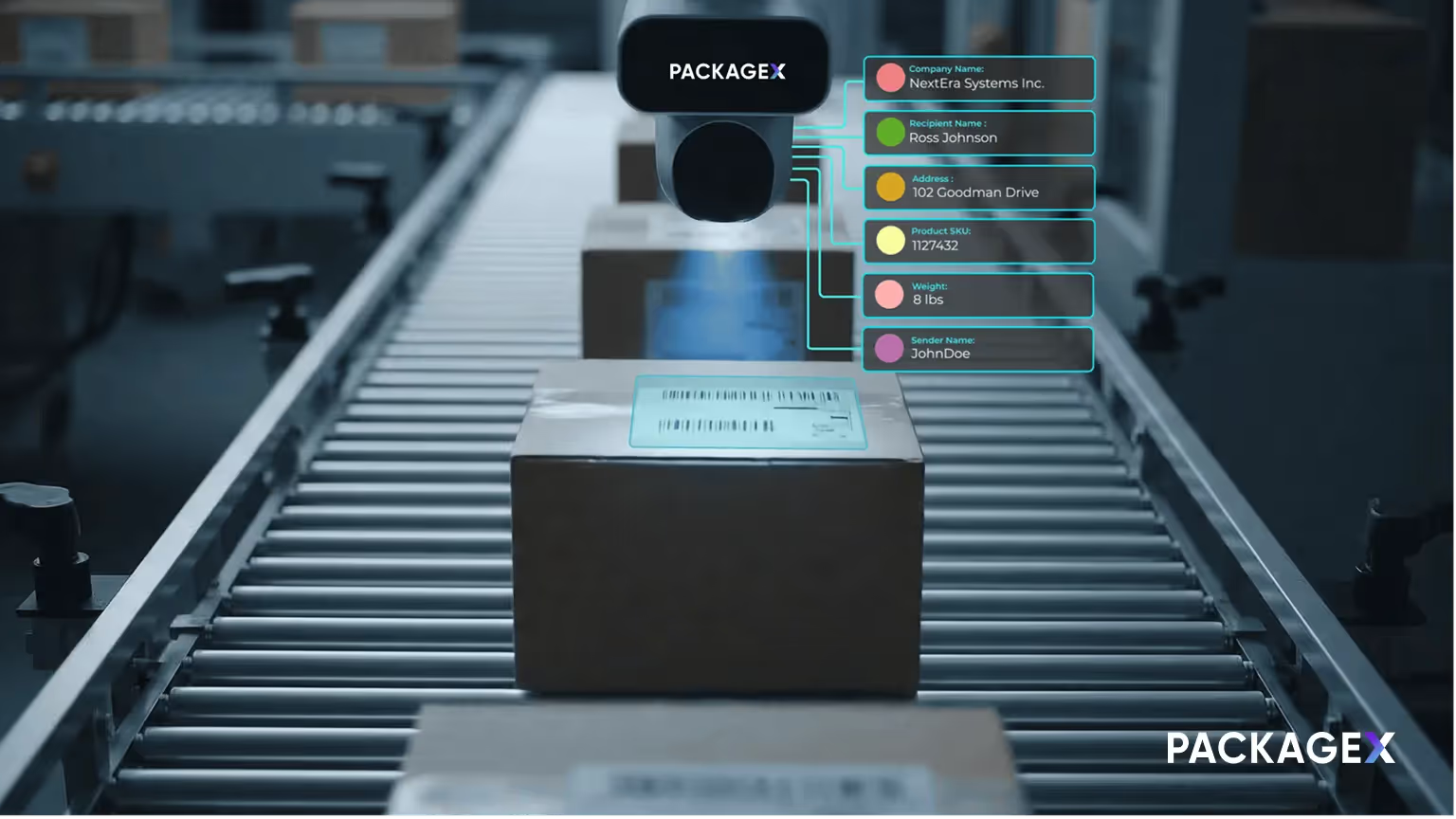
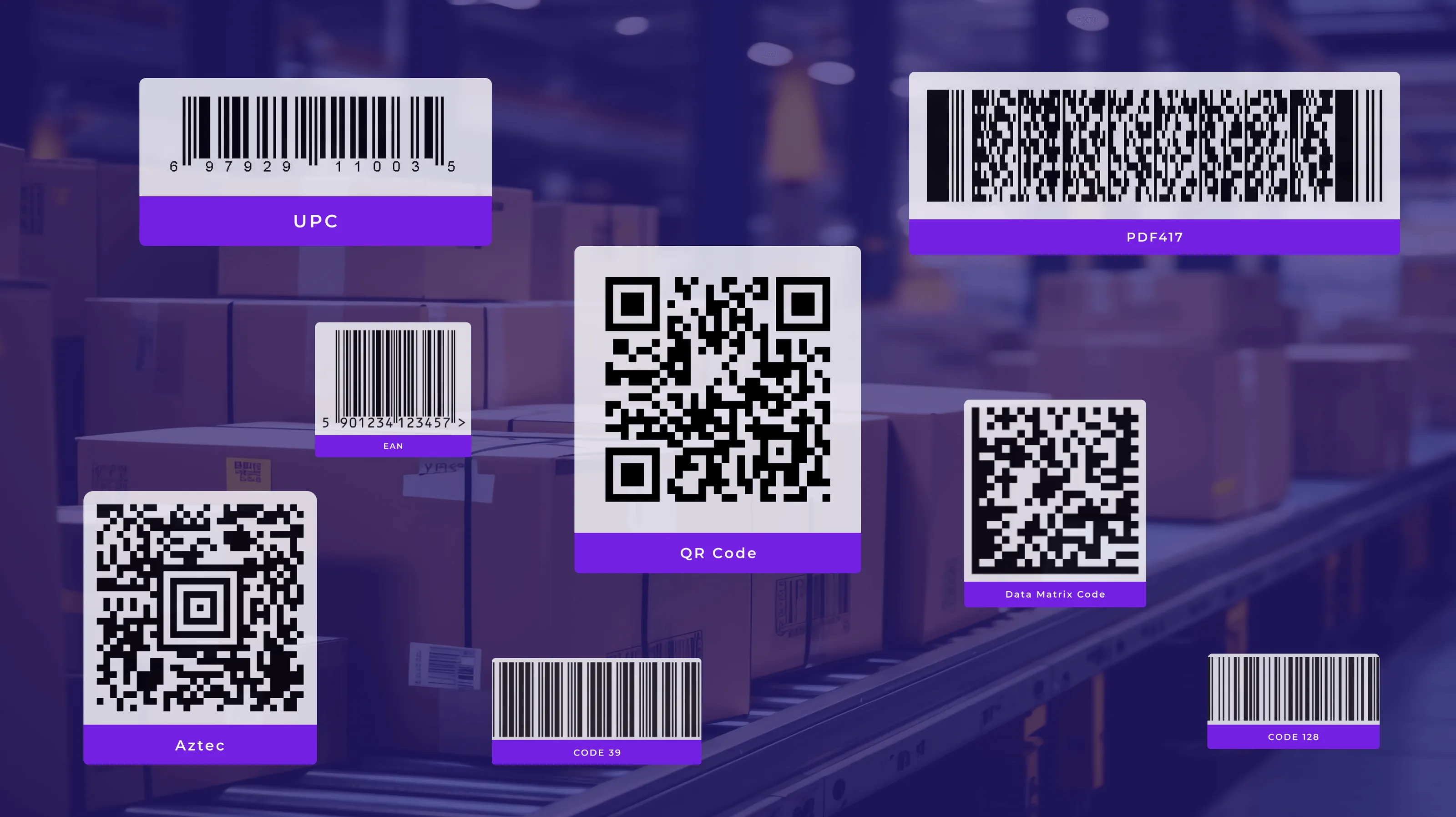
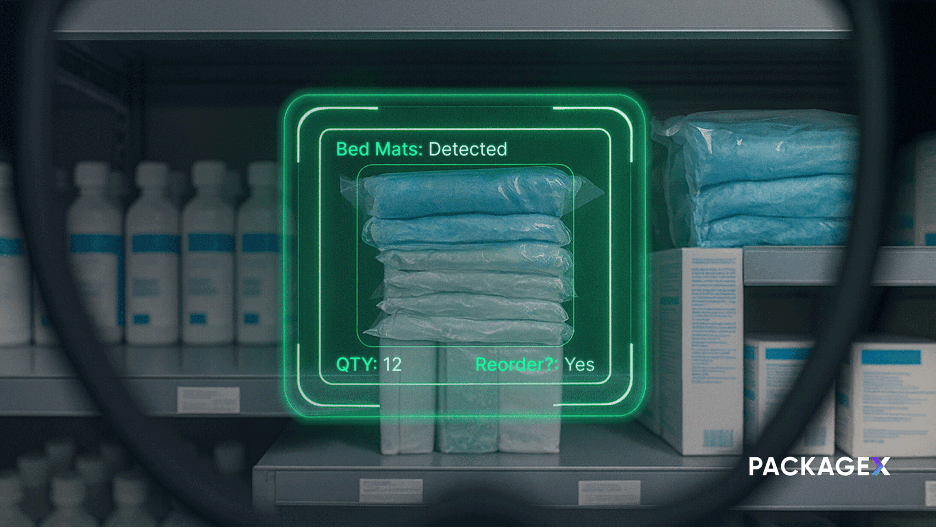
Instead of relying on manual data entry or traditional scanners, PackageX uses advanced OCR, barcode, and vision scanning to instantly extract information from shipping labels, bills of lading, and packing slips using phones, tablets, or integrated cameras.
Automated Verification & Matching:
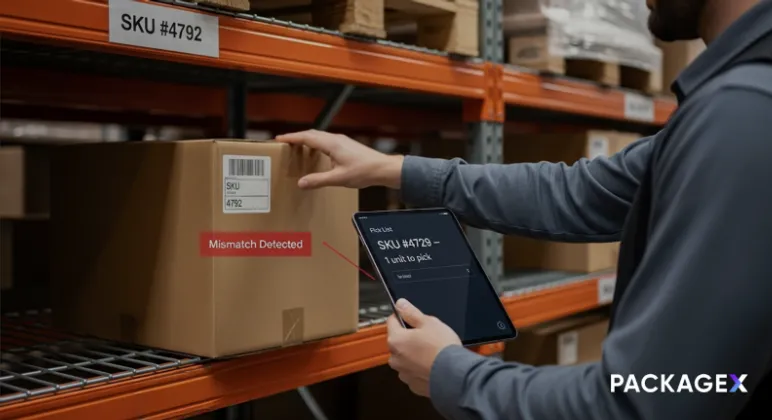
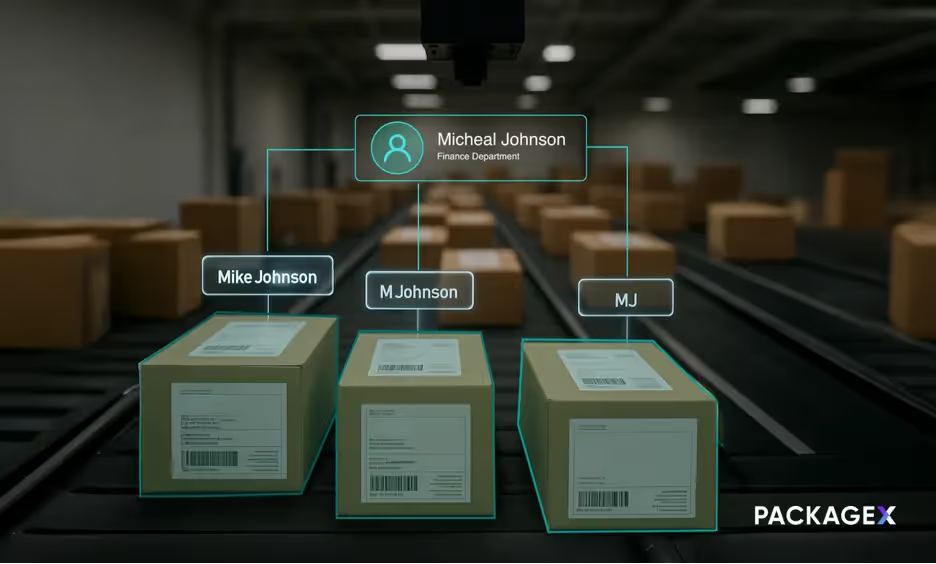
PackageX matches scanned data against expected purchase orders and inbound shipment details, flagging discrepancies, such as shortages, overages, or damaged items, in real time. This helps receiving teams catch issues right at the dock before items move deeper into inventory.
Real-Time Visibility Across Workflows:
Data captured at the receiving dock, including scanned item counts, discrepancies, and inspection notes, is immediately visible in your warehouse systems. This real-time visibility helps reduce blind spots and accelerate processing from dock-to-stock.
Seamless Integration & Automation:
PackageX’s platform integrates seamlessly with existing WMS/ERP systems and supports a scalable rollout through APIs and SDKs, ensuring that receiving data flows directly into your backend systems without duplicate work.
FAQs
What is the purpose of a receiving dock?
A receiving dock is where inbound shipments are unloaded, inspected, and recorded before entering warehouse inventory. It ensures accuracy and smooth logistics flow.
How does PackageX improve receiving dock operations?
PackageX automates data capture, verification, and logging using AI-powered scanning and real-time integrations. This helps warehouses reduce errors and speed up dock-to-stock workflows.
What equipment is used at a receiving dock?
Common equipment includes forklifts, pallet jacks, dock levelers, and scanning tools. With digital platforms like PackageX, even smartphones can be used to scan and verify shipments.


_.webp)


%20Process%20Flow.webp)

.webp)


.webp)


_-option%202.avif)



.avif)


-min.avif)


.gif)


.avif)


.avif)



.avif)


.avif)

.avif)

.avif)

.avif)

.avif)

.avif)
.avif)

.avif)